Skip to Content Facebook Feature Image

China assists 1,720 Nepalese border residents after mudslide hits border port

China

China

China

China assists 1,720 Nepalese border residents after mudslide hits border port

2026-09-06 22:19 Last Updated At:09-07 13:21

China has provided assistance to 1,720 Nepalese border residents after a mudslide struck Gyirong Port on the China-Nepal border in southwest China's Xizang Autonomous Region on Aug. 26, the emergency response and rescue headquarters said on Sunday.

The mudslide, triggered by a high-altitude glacier collapse in Nepal, had left 43 people dead and 519 others missing at the border port as of 18:00 Saturday, officials told a press conference.

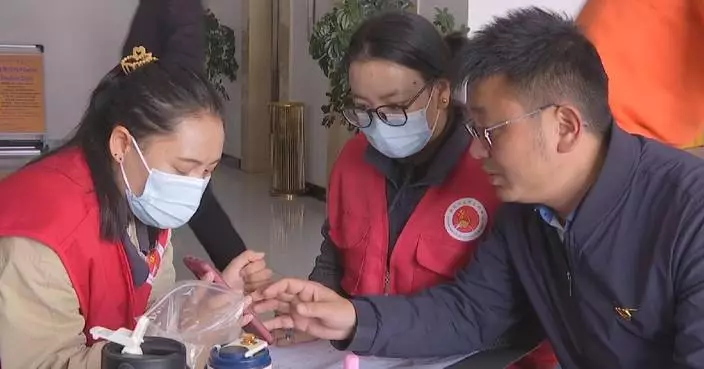
Many Nepalese border residents who work or do business in the county of Gyirong were stranded there after the mudslide destroyed the border port, through which they enter and leave China.

Since the disaster occurred, rescuers have entered the mudslide-hit area by water, road and aircraft, and taken all necessary measures to search and rescue the missing ones at the earliest possible time, said the officials.

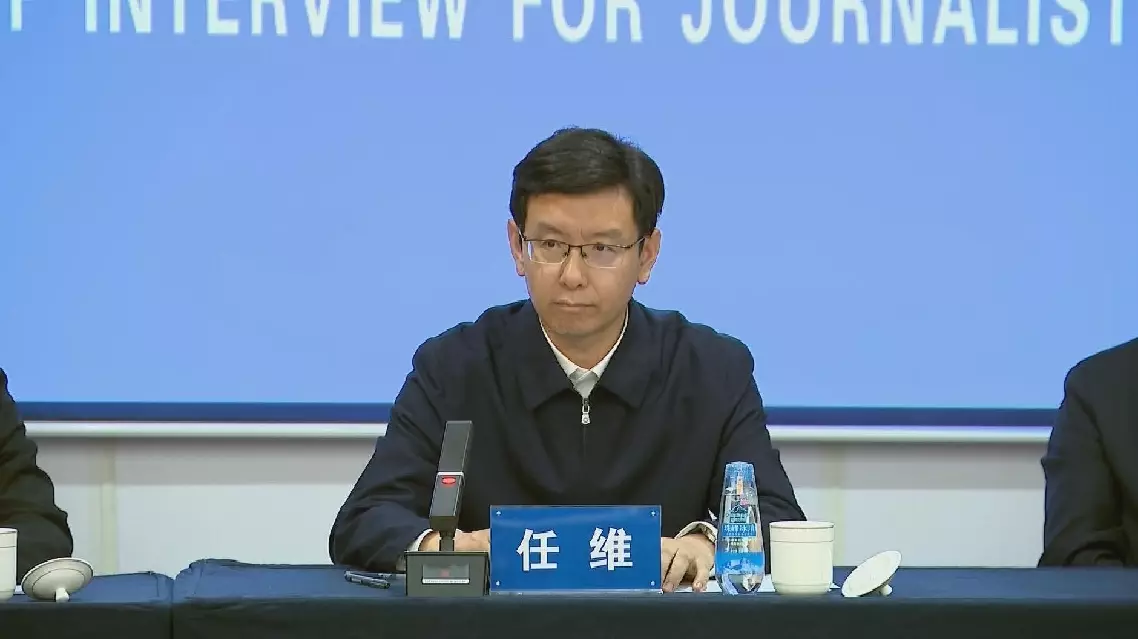
"Firstly, we have made every effort to search for every life. Secondly, we have carefully relocated and resettled every affected person, evacuated 555 stranded domestic tourists, and ensured meeting the living needs of 1,720 Nepalese border residents. Thirdly, we have carefully verified the identities of each missing person. We have collected their identity information through multiple channels such as entry and exit records and communication positioning, conducted individual investigations, and confirmed their identities one by one. We have also responded patiently to the demands of each of their family members," said Ren Wei, executive deputy commander of the emergency rescue headquarters for Gyirong mudslide response, and executive vice chairman of the People's Government of Xizang Autonomous Region.

Ren said four 24-hour hotlines for the family members have been launched to comfort them and record every clue and demand.

"We have urgently opened green channels for the entry and exit of foreign nationals and the transportation of supplies. A total of 3,388 foreign nationals who originally planned to leave the country through the Gyirong Port have been organized to be diverted, 365 Nepalese border residents who wish to return home have been organized to leave the country, and 279 Nepalese vehicles and 103 goods vehicles have been safely transferred out of the country," Ren said.
China assists 1,720 Nepalese border residents after mudslide hits border port

China assists 1,720 Nepalese border residents after mudslide hits border port

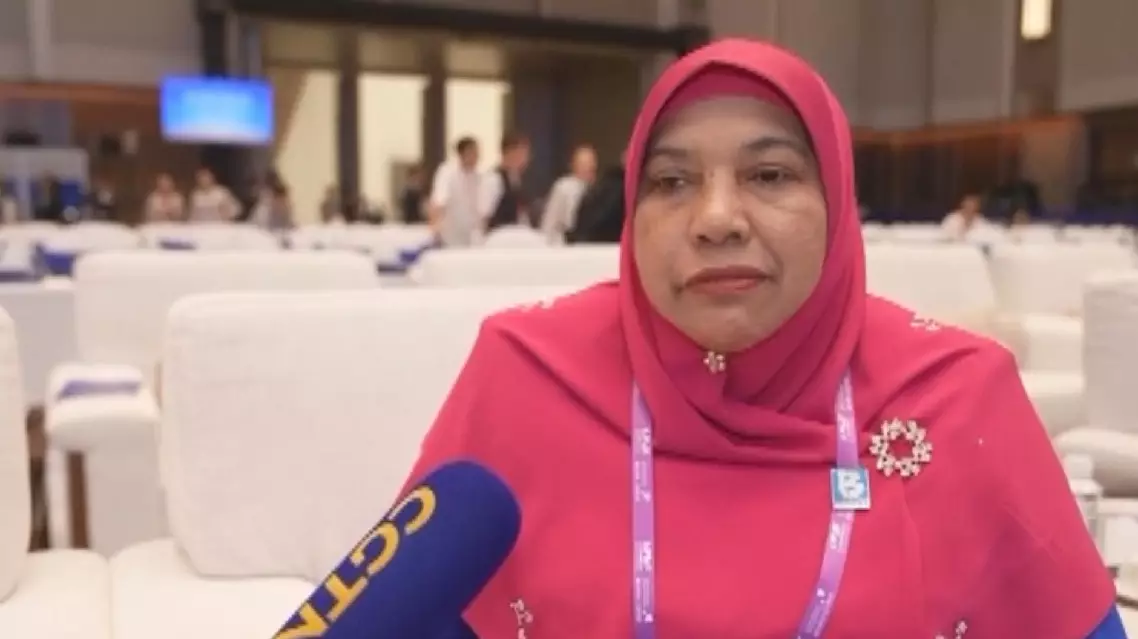
Journalists must exercise caution when using artificial intelligence (AI) to ensure it strengthens rather than undermines the core values of their profession, a senior Malaysian media executive said Saturday at the Asia‑Pacific Media Forum in south China's Shenzhen.

Datin Paduka Nur‑ul Afida Kamaludin, chief executive officer of the Malaysian National News Agency Bernama, stressed that accuracy, balance, fairness,transparency and human accountability must remain at the heart of journalism.

The forum brought together more than 400 representatives from media, think tanks and government sectors across 42 countries and regions, as well as United Nations agencies and other international organizations.

While AI offers journalists an efficient tool, it also carries the risk of generating misinformation and deepfakes on an unprecedented scale, Nur‑ul Afida Kamaludin told the forum.

She later highlighted the same point in an interview with China Global Television Network (CGTN), stressing the need for caution in adopting the technology.

"AI is bringing very rapid transformation to the media world, and especially among us, the journalists, but at the same time, despite using it as a tool to ease the process of our daily work, I believe that the journalists should also be extra careful using AI in their work," she said.

Looking ahead to the 53rd anniversary of establishing diplomatic relations between China and Malaysia next year, Nur-ul Afida called on the media to play a greater role in strengthening people-to-people ties.

"From a media perspective, I believe we need to focus more on the people-to-people relations. We have to produce more stories on the ordinary people, because that is the human interest stories that will attract our readers, our audiences. Let's look forward for a better relationship among the people and between the government, as well as companies between China and Malaysia," she said.

Malaysian National News Agency CEO calls for responsible AI use

Malaysian National News Agency CEO calls for responsible AI use

Recommended Articles