/wp-content/uploads/blogger/2026/08/WhatsApp-Image-2026-08-13-at-12.21.36.jpg.webp)
While Western fitness influencers remain fixated on "burning calories," a growing wave of young global viewers on TikTok is busy learning Baduanjin alongside elderly practitioners in Chinese parks. Slow-paced and requiring zero equipment, this ancient mind-body practice has amassed over 4 billion views across international social media platforms since 2026, emerging as Gen Z’s favorite new health craze. From practicing Tai Chi to taking bedtime foot soaks, and from back-sunbathing to sipping herbal wellness teas, everyday routines long taken for granted in China are quietly rewriting how young Westerners define "wellness."
"Slow Movements, Deep Sweat": How Tai Chi and Baduanjin Captivated Gen Z Abroad
Click to Gallery
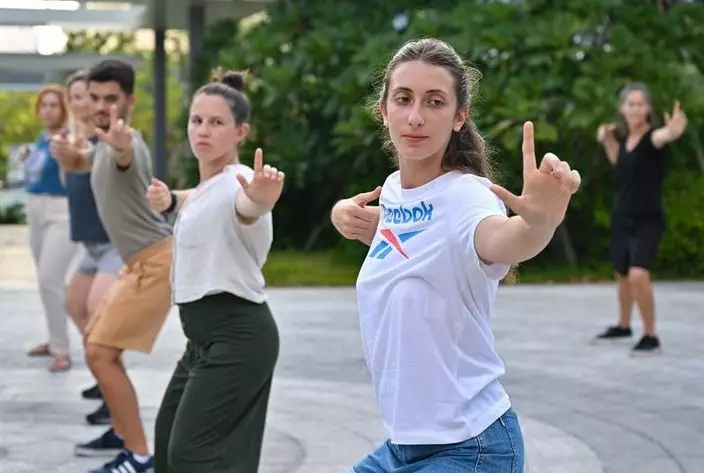
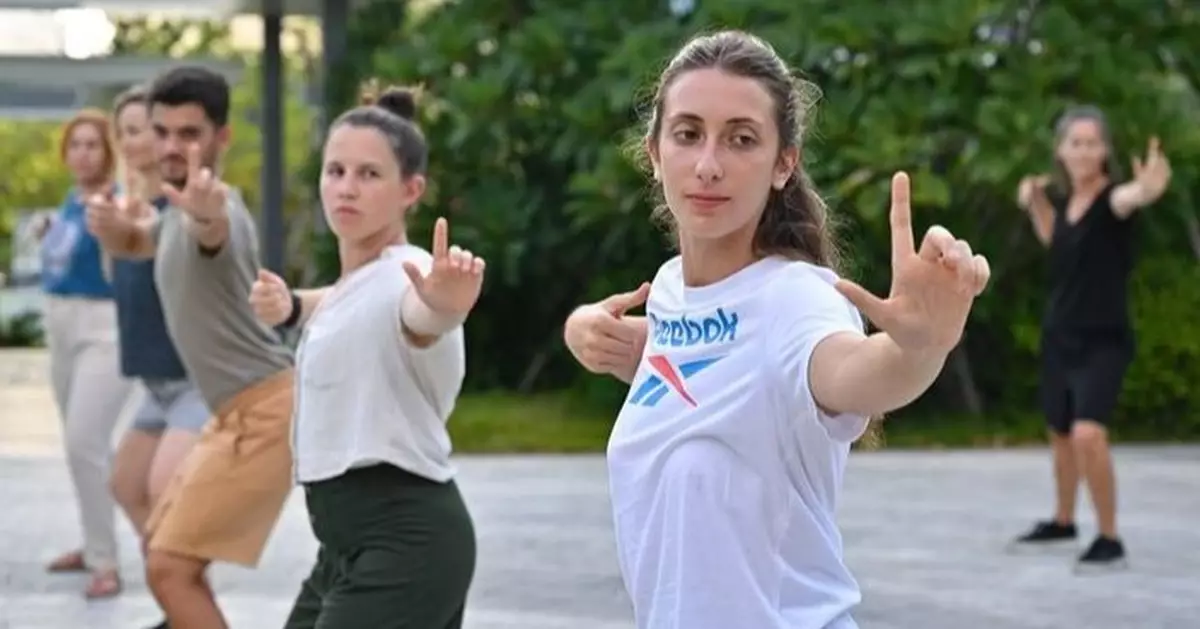
Foreign students practice Baduanjin during a cultural workshop in Hainan. (Source: Xinhua)
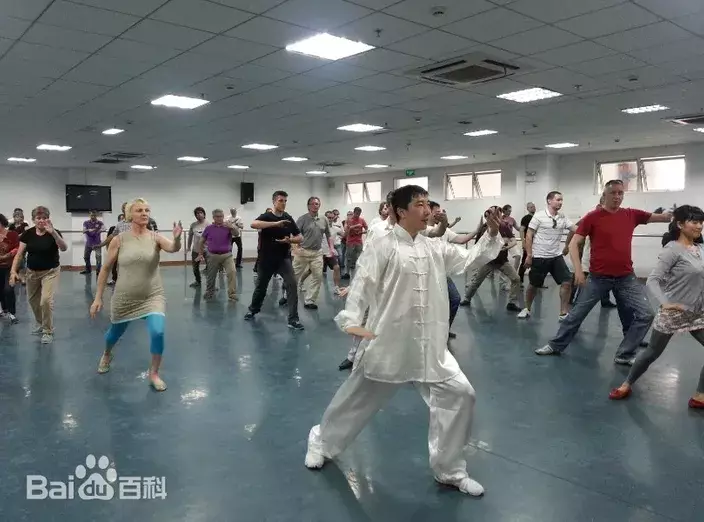
Foreign students practice Tai Chi routines at the Shanghai Hunyuan Tai Chi Center. (Source: Baidu Baike)

Sherry Zhu's #BecomingChinese video series ignited a massive viral trend on TikTok. (Source: Beijing Evening News Facebook screenshot)

Foot soaking is no longer just a local habit—international fans are getting hooked! (Source: Sina Finance screenshot)
In the early mornings of Chengdu, foreign tourists frequently post videos practicing Baduanjin with locals, marveling at how "cozy and relaxed" they feel afterward. These posts regularly rack up thousands of likes on global social platforms, with curious netizens asking in the comments: "What kind of exercise is this? It looks amazing."
Originating in the Song Dynasty, Baduanjin (Eight-Section Brocade) features gentle, low-impact movements paired with regulated breathing. It stretches muscles, unblocks joints, and perfectly matches the modern youth craving for "low-intensity, high-reward" fitness. On TikTok, the hashtag #Baduanjin has garnered hundreds of millions of views, with creators copying tutorial videos move-by-move and organizing virtual daily check-in groups.
Foreign students practice Baduanjin during a cultural workshop in Hainan. (Source: Xinhua)
At the Shanghai Hunyuan Tai Chi Center, founder Wang Kaiyuan has taught Tai Chi for nearly two decades, introducing thousands of foreign enthusiasts to the art. The center offers full English-language instruction for students hailing from the US, Japan, Germany, France, Italy, South Korea, and beyond. Many students express amazement that these slow, graceful movements can induce a gentle sweat while leaving them deeply refreshed.
Foreign students practice Tai Chi routines at the Shanghai Hunyuan Tai Chi Center. (Source: Baidu Baike)
Bedtime Foot Soaks: From Chinese Bedrooms to Global Bucket Lists
If Baduanjin and Tai Chi represent "active wellness," then the humble foot soak is the gold standard of "restorative wellness." This staple Chinese bedtime ritual is currently taking global social media by storm.
The viral turning point arrived in late 2025 when Chinese-American TikTok creator Sherry Zhu (@sherryxiiruii) posted her tongue-in-cheek "Becoming Chinese" video series. Declaring humorously, "Starting tomorrow, you're going to become Chinese!", her videos exploded in popularity. Viewers began compiling detailed "Chinese Lifestyle Checklists" in their phone notes like students prepping for an exam—placing "bedtime foot soaks" alongside "drinking warm water in the morning," "wearing indoor slippers," and "practicing Baduanjin" as daily non-negotiables.
Sherry Zhu's #BecomingChinese video series ignited a massive viral trend on TikTok. (Source: Beijing Evening News Facebook screenshot)
Leo, an international student from Ecuador, embraced foot soaks after living in China for a year: "I start my morning with warm water, and I soak my feet at night." He admits that drinking warm water felt bizarre at first, but his digestion genuinely improved over time. Inspired by Sherry's videos, Dutch yoga instructor Ayelet Harpaz took things further by adopting a full traditional routine: boiling hot water, cooking black rice porridge, practicing Baduanjin, and topping off the evening ritual with a steaming foot soak.
The sheer scale of this phenomenon is striking. Across short-video platforms, lifestyle creators set their clips to Chinese pop songs while documenting their "Full Day of Chinese Wellness." Food bloggers and wellness creators regularly join in—crafting traditional Chinese breakfasts, working through Baduanjin routines, and ending their days with a hot foot bath. For these young creators, foot soaking is more than simple imitation; it is an immersive taste of the Chinese way of life.
Foot soaking is no longer just a local habit—international fans are getting hooked! (Source: Sina Finance screenshot)
From Spectatorship to Practice: Integrating Eastern Wellness into Daily Life
The global rise of Chinese wellness is shifting rapidly from passive social media scrolling to active daily practice.
Beyond Baduanjin and Tai Chi, traditional habits like "back-sunbathing" (曬背), "early-to-bed, early-to-rise," and "herbal tea brewing" are quietly entering the Western mainstream. Young people abroad now spend weekend mornings in local parks "sunbathing their backs" to replenish Yang energy, while others experiment with brewing wellness teas using goji berries, red dates, and dried longan.
Driving this shift is a growing fatigue with "quick-fix fitness culture." Where Western gym culture emphasizes high intensity, exhaustion, and calorie burning, Chinese wellness practices offer a refreshing alternative: no extreme sweating, no punishing diets—just balanced breathing, a slower pace, and learning to listen to your body.
Ultimately, the "Chinamaxxing" trend reflects how a globalized younger generation is rethinking what it means to live well. As young people worldwide begin adopting "Chinese-style living" as a lifestyle upgrade, we may well be witnessing the dawn of a new global cultural movement.
Chinamaxxing
** 博客文章文責自負,不代表本公司立場 **