China's rail freight volume saw robust growth in the first eight months of 2026, with 2.69 billion tonnes of cargo transported during the period, according to China State Railway Group.
The national railway system handled an average of 187,400 loaded freight wagons per day from January to August, while prioritizing transportation of key supplies essential to the national economy and people's livelihoods.
During the period, railways transported 1.389 billion tonnes of coal, including 928 million tonnes for power generation, helping maintain relatively high coal inventories at power plants directly supplied by the national railway network.
Freight volumes of grain, chemical products and textiles rose 9.9 percent, 5.5 percent and 21.7 percent year on year, respectively.
Railway logistics services also continued to upgrade. A total of 33,000 express freight train trips were handled in the first eight months, transporting 36.132 million tonnes of cargo, up 37 percent year on year, to better meet demand for fast logistics services such as e-commerce and cold-chain transportation.
Meanwhile, the volume of rail-sea intermodal container freight increased 8.6 percent year on year, while rail-road intermodal freight surged 65.5 percent to 320 million tonnes.
At the same time, China-Europe (Central Asia) freight train services also maintained stable growth. A total of 24,605 such train trips were handled in the first eight months, up 9.7 percent year on year, including 14,842 China-Europe freight train trips, up 15.9 percent.
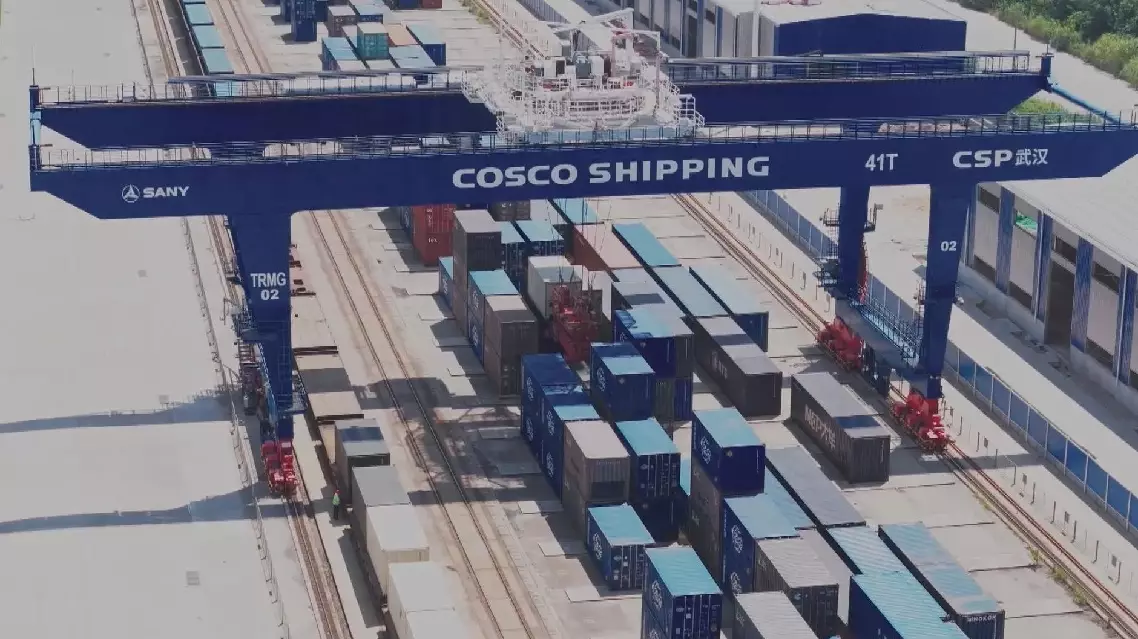
China’s rail freight volume sees strong growth during Jan-Aug period
China will further improve its inspection, testing and certification system during the 15th Five-Year Plan period (2026-2030) by boosting the sector's credibility and strengthening its support for industry, a government official said on Sunday.
Speaking at a press conference on the new five-year plan, Shu Wei, deputy administrator of the State Administration for Market Regulation (SAMR), outlined a series of measures to tighten oversight of the sector.
On the credibility front, authorities will deepen reform of the qualification approval system for inspection and testing institutions by introducing a "one list, one database" management approach to strictly control the market entry, Shu said.
Long-term mechanisms will be established to combat fake certification and the buying and selling of certificates, with severe penalties for issuing false reports or conducting tests beyond approved scopes, Shu said.
A traceability and verification system for inspection and testing reports will also be built with unified coding, allowing reports to be looked up with a single code and traced through a single number, he said.
In terms of industrial support, certification will be promoted in key sectors such as Beidou navigation and integrated circuits, alongside the development of national-level quality inspection public service platforms, the official said.
Testing capabilities will be upgraded in areas including core basic components and other foundational industrial equipment, Shu said.
During the five-year period, China plans to build no fewer than 30 national quality inspection centers and no less than 300 public service platforms for inspection and testing, he said.
The official said the reforms are also aimed at facilitating China's trade with the rest of the world.
"Inspection, testing, certification and accreditation can help enterprises and products enter international markets smoothly, which is why they are known as the 'passport' for international trade. We will strengthen the international alignment of testing and certification results, so that one evaluation can gain recognition from multiple countries, helping Chinese products go global," he said.
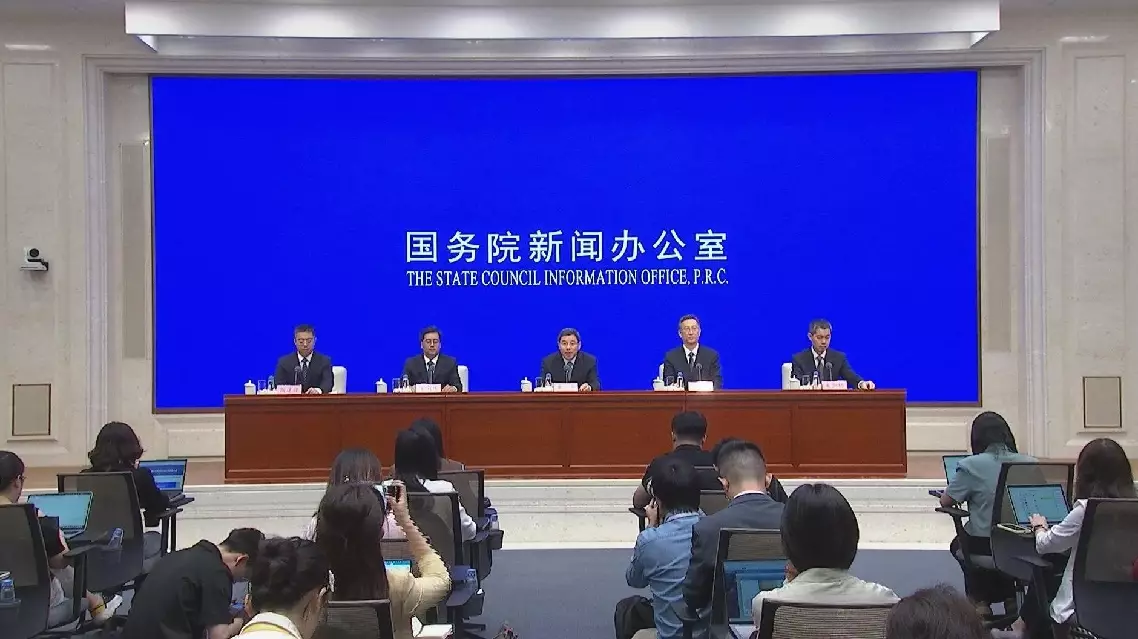
China to further improve inspection, testing, certification system during 15th Five-Year Plan Period: official