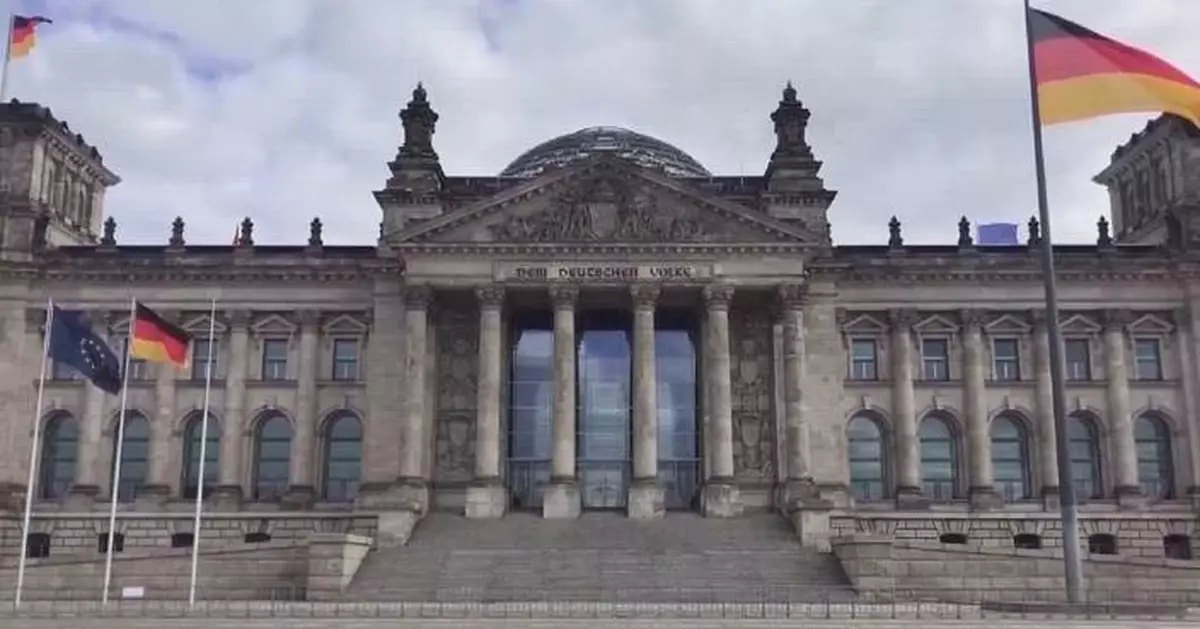
The German Economic Institute has increased its projection of Germany's 2026 economic growth from 0.4 percent to 1.2 percent, as outlined in its autumn economic forecast released on Sunday. This upward revision stems from unexpectedly strong growth in the first half of the year, driven by recovering exports and heightened government spending.
However, the institute cautions that the growth momentum is expected to weaken in the latter half of this year. The report notes that the recent export recovery has been partially fueled by businesses restocking inventories, suggesting that this boost may be temporary. Additionally, the forthcoming expiration of special export incentives, elevated energy prices that are likely to depress private consumption, and an ongoing construction crisis may pose significant risks to future economic performance.
In addition, the institute forecasts Germany’s growth in 2027 to fall slightly below 1 percent, highlighting various downside risks, including the impacts of the Russia-Ukraine conflict, instability in the Middle East, international trade tensions, and diminishing water levels in key European rivers.
The report emphasizes that although strong performance in the first half of the year has buoyed full-year growth figures, this does not indicate a sustainable economic recovery. The pivotal question remains whether this improvement can lead to lasting growth, relying on private investment and consumer spending.
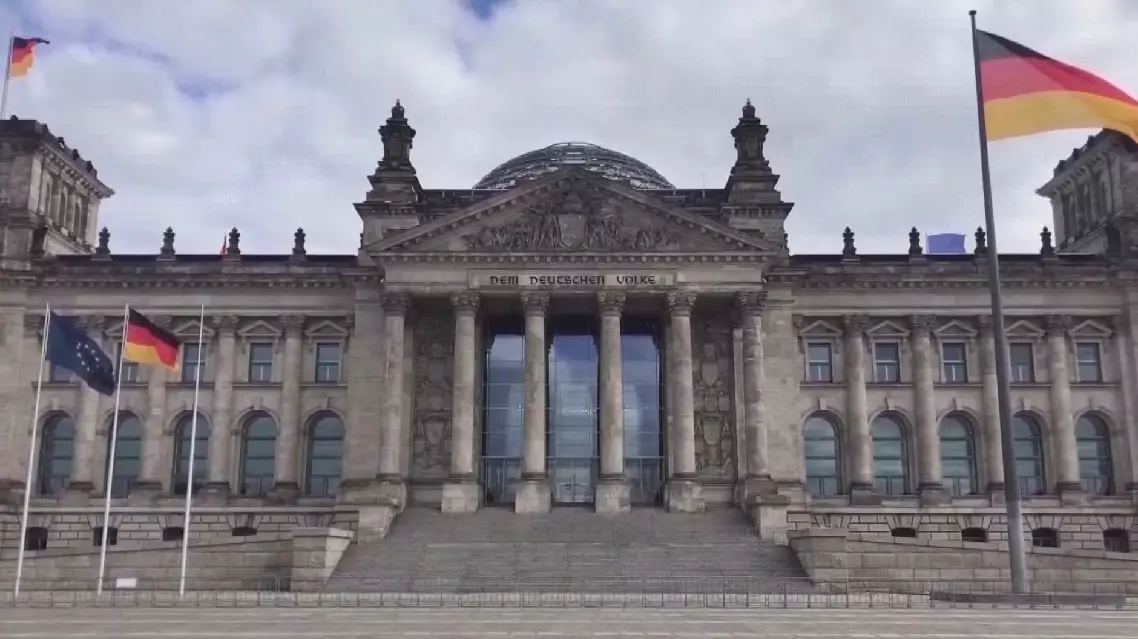
German Economic Institute raises 2026 growth forecast, cautions on future momentum