Skip to Content Facebook Feature Image

Rio residents find their own way to tackle gangs as crime dominates Brazil’s election

News

Rio residents find their own way to tackle gangs as crime dominates Brazil’s election
News

News

Rio residents find their own way to tackle gangs as crime dominates Brazil’s election

2026-09-27 18:06 Last Updated At:09-28 12:57

RIO DE JANEIRO (AP) — Crime is the top concern for Brazilians ahead of October’s presidential election, with candidates competing to offer the toughest — and most effective — approach to the deep-seated problem.

Sen. Flávio Bolsonaro, son of ex-President Jair Bolsonaro, is seeking to defeat President Luiz Inácio Lula da Silva, with a promise to loosen organized crime’s grip on Brazil, particularly in Rio de Janeiro.

More Images
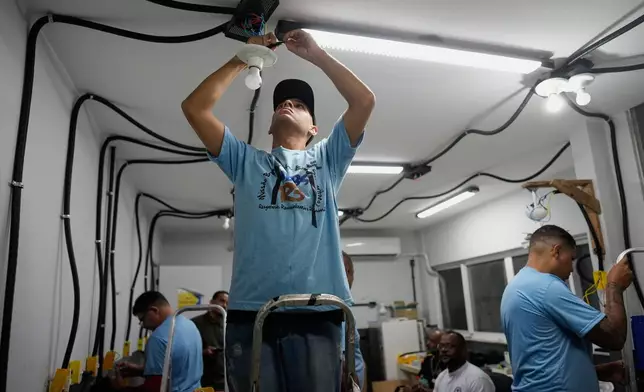
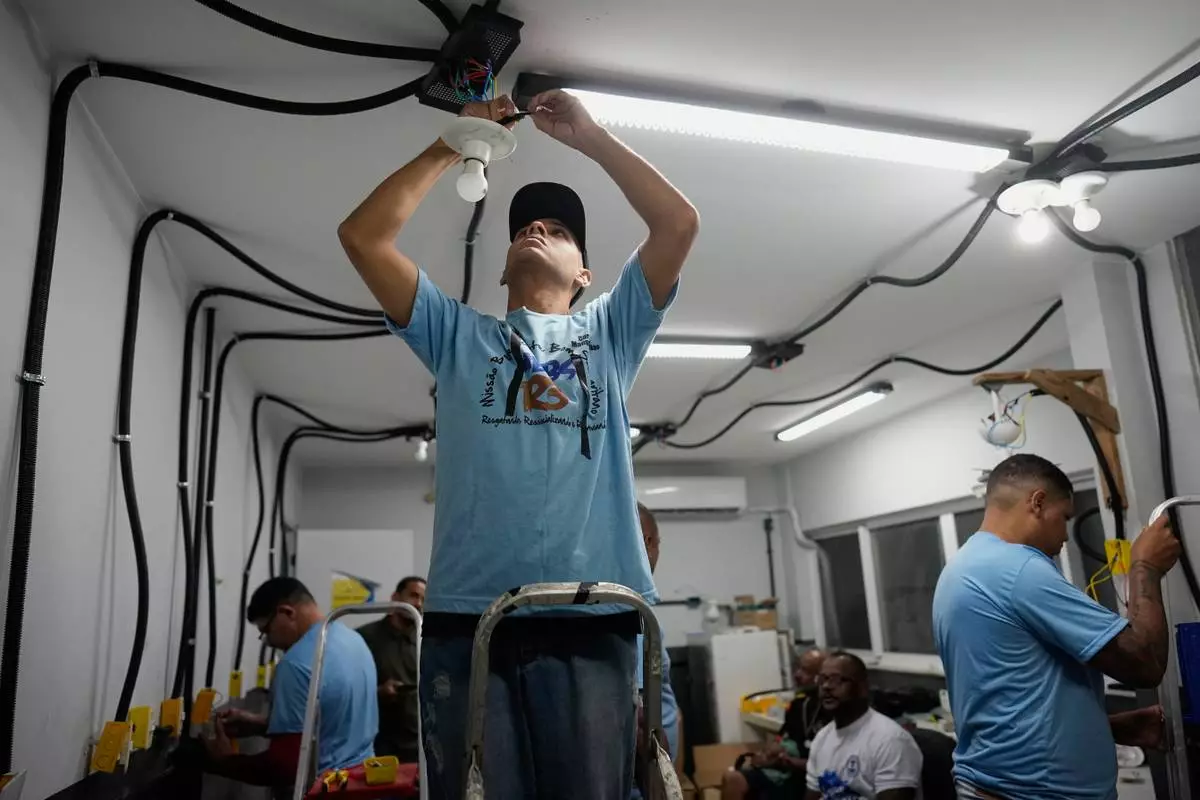
A youth attends an electricity course at a therapeutic community named "R3," which stands for Rescuing, Resocializing and Resending, in Rio de Janeiro, Monday, Sept. 14, 2026. (AP Photo/Silvia Izquierdo)
A youth attends an electricity course at a therapeutic community named "R3," which stands for Rescuing, Resocializing and Resending, in Rio de Janeiro, Monday, Sept. 14, 2026. (AP Photo/Silvia Izquierdo)

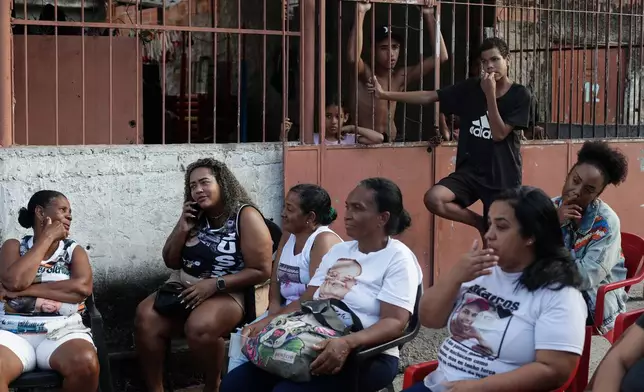
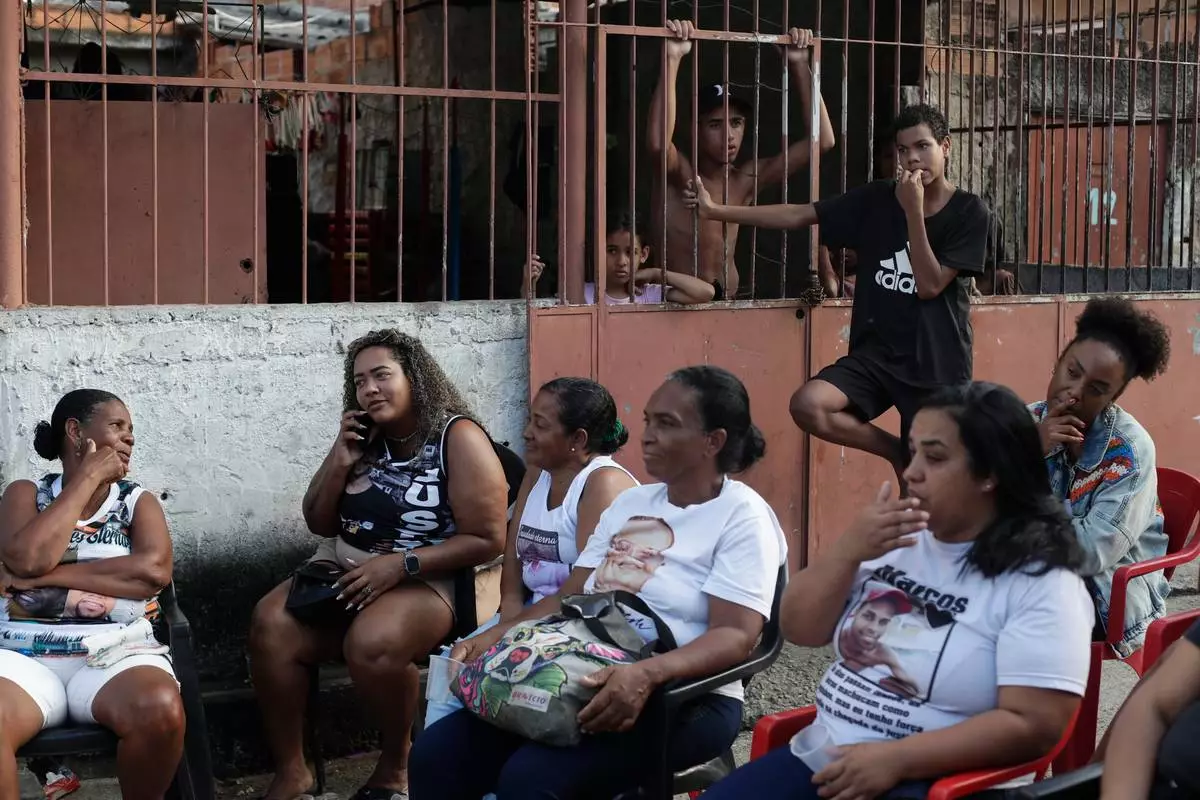
Mothers whose sons were killed by police attend a tribute event in the Morro da Crianca favela in Rio de Janeiro, Saturday, Sept. 19, 2026. (AP Photo/Bruna Prado)
Mothers whose sons were killed by police attend a tribute event in the Morro da Crianca favela in Rio de Janeiro, Saturday, Sept. 19, 2026. (AP Photo/Bruna Prado)

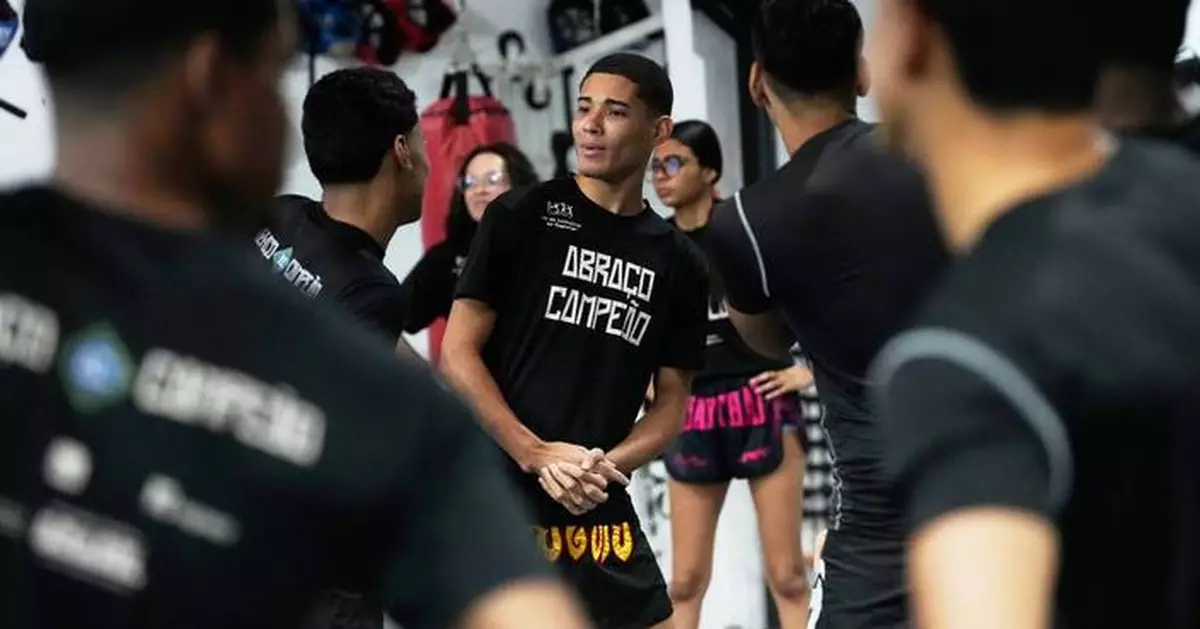
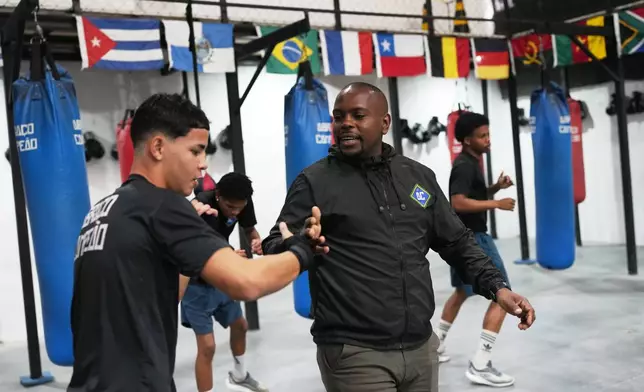
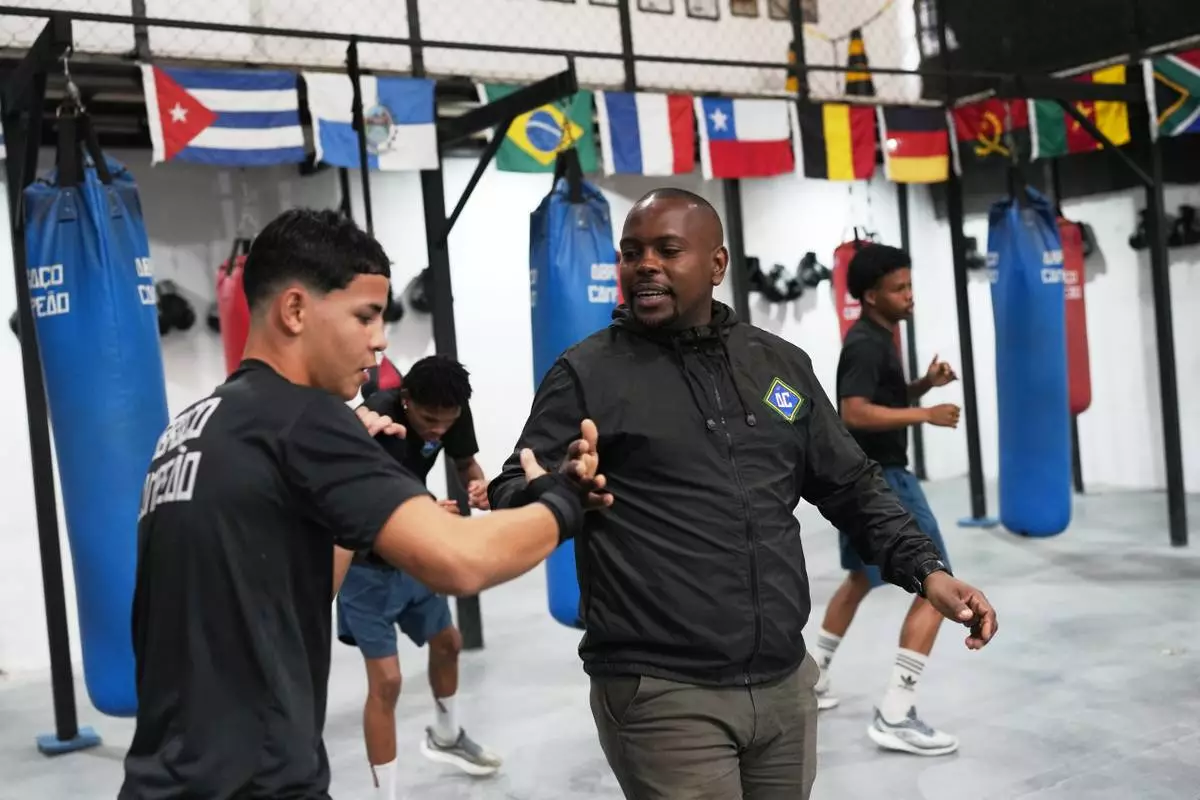
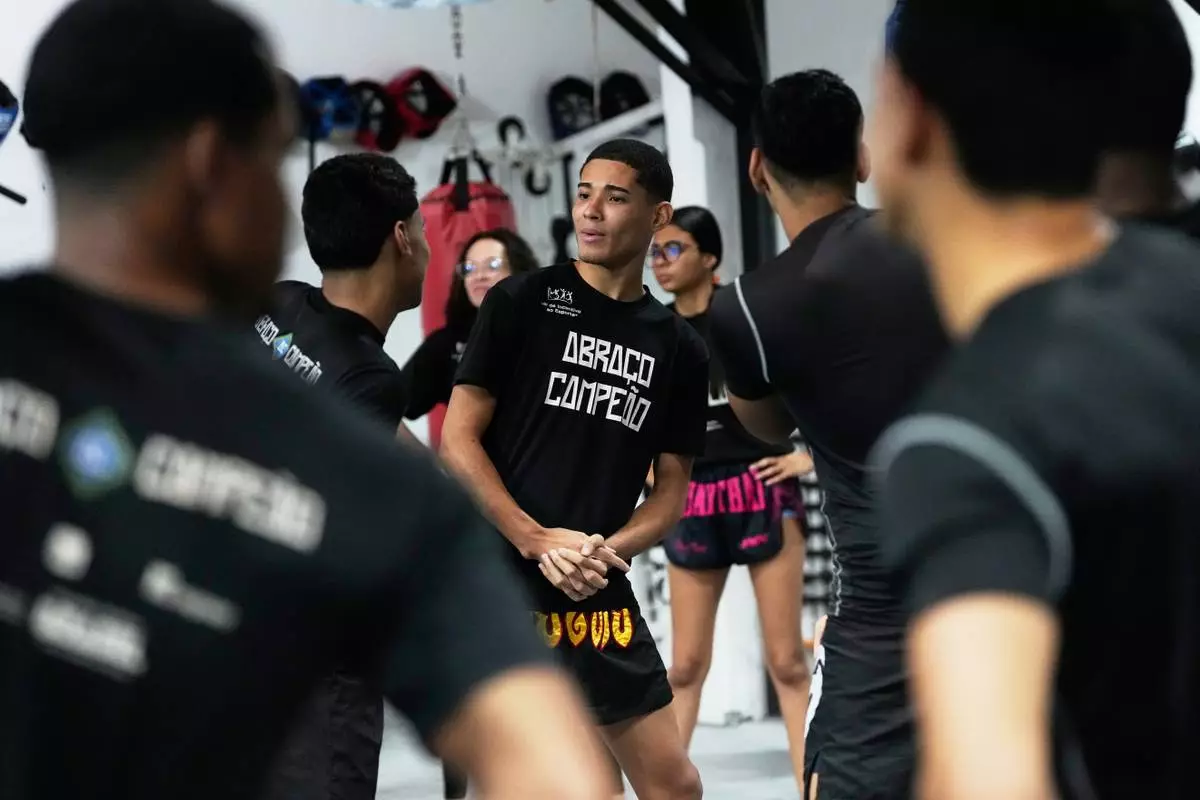
Owner Alan Duarte greets a youth at Abraco Campeao, or Embrace Champions, an academy that offers free boxing, jiu-jitsu, Muay Thai and capoeira classes, as well as educational talks on topics ranging from environmental issues to relationships, in the Complexo de Alemao favela in Rio de Janeiro, Wednesday, Sept. 16, 2026. (AP Photo/Silvia Izquierdo)
Owner Alan Duarte greets a youth at Abraco Campeao, or Embrace Champions, an academy that offers free boxing, jiu-jitsu, Muay Thai and capoeira classes, as well as educational talks on topics ranging from environmental issues to relationships, in the Complexo de Alemao favela in Rio de Janeiro, Wednesday, Sept. 16, 2026. (AP Photo/Silvia Izquierdo)

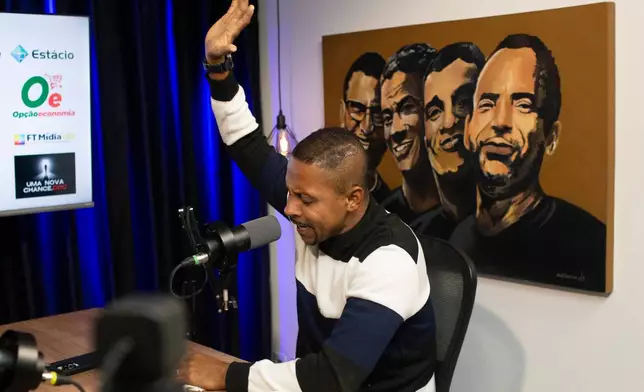
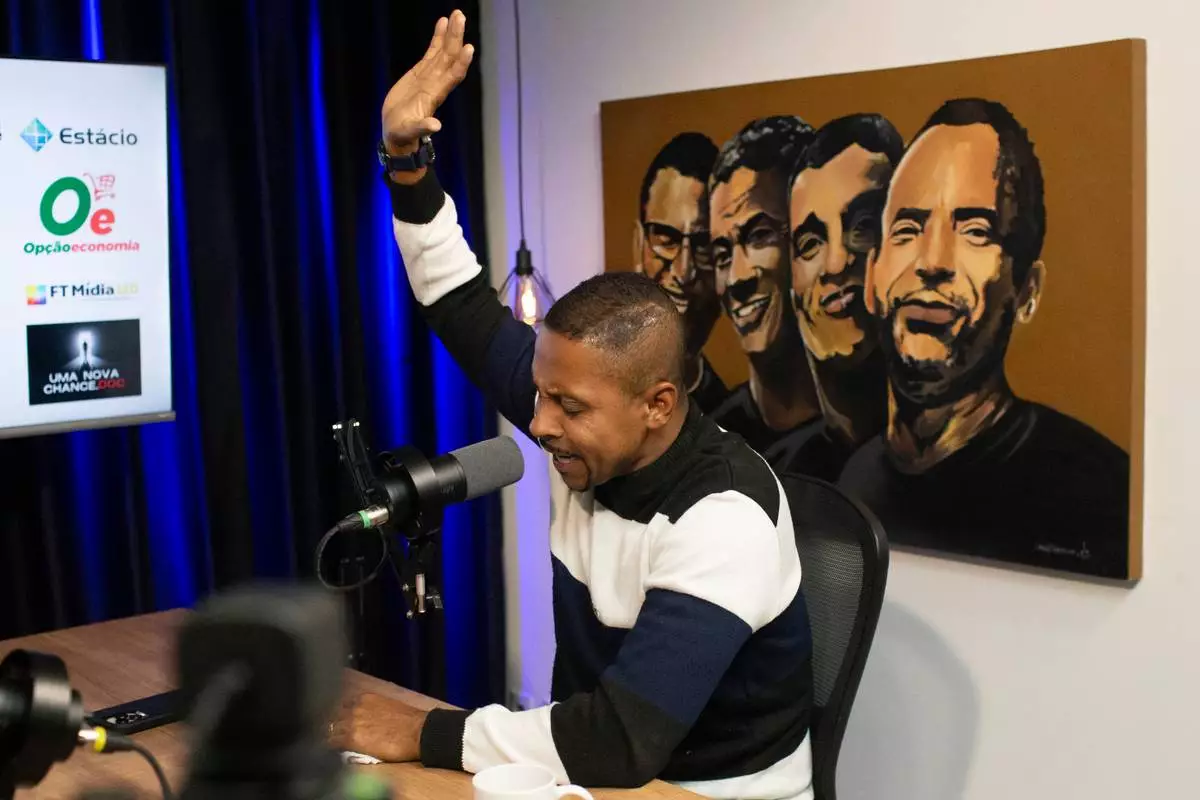
Ronaldo Pereira da Silva prays during the taping of the "01 Sobreviventes," or "01 Survivors" podcast in Rio de Janeiro, Tuesday, Aug. 25, 2026. (AP Photo/Bruna Prado)
Ronaldo Pereira da Silva prays during the taping of the "01 Sobreviventes," or "01 Survivors" podcast in Rio de Janeiro, Tuesday, Aug. 25, 2026. (AP Photo/Bruna Prado)

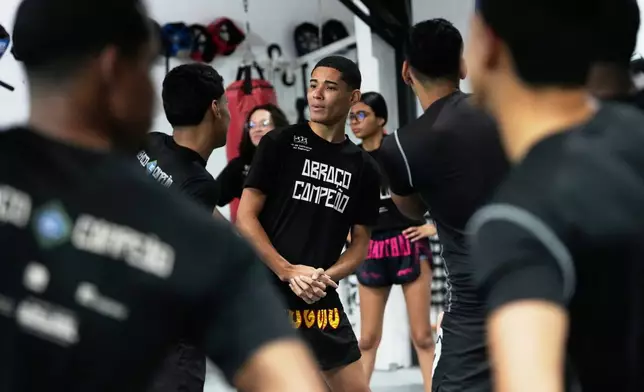
Youth attend a martial arts class at Abraco Campeao, or Embrace Champions, an academy that offers free boxing, jiu-jitsu, Muay Thai and capoeira classes, as well as educational talks on topics ranging from environmental issues to relationships, in the Complexo de Alemao favela in Rio de Janeiro, Wednesday, Sept. 16, 2026. (AP Photo/Silvia Izquierdo)

Youth attend a martial arts class at Abraco Campeao, or Embrace Champions, an academy that offers free boxing, jiu-jitsu, Muay Thai and capoeira classes, as well as educational talks on topics ranging from environmental issues to relationships, in the Complexo de Alemao favela in Rio de Janeiro, Wednesday, Sept. 16, 2026. (AP Photo/Silvia Izquierdo)

After Rio’s deadliest-ever police operation last year, in which more than 120 people were killed, polls indicated that the hard-line policies Sen. Bolsonaro touts are popular. Lula, meanwhile, has argued for a more prominent role of the federal government in the fight against organized crime as well as greater coordination between governmental institutions.

But while politicians trade barbs, residents in Rio de Janeiro have been designing their own responses, with ex-traffickers launching podcasts and grieving mothers stepping up to stop youth recruitment.

Many residents, community leaders and experts say that the current approach — which favors armed confrontations between police and the groups — is inefficient and often results in indiscriminate loss of life. They're taking on crime on their own to bridge that gap.

Here is a look at some local initiatives.

Once a week, a group of former drug-traffickers gather in a small recording studio on the outskirts of Rio to dissect their past lives of crime and those of their guests. They air the episodes of 01 Sobreviventes, or 01 Survivors, on YouTube and streaming platforms.

A painting of the four founders grinning hangs on the wall, while the podcast’s logo – a microphone breaking a chain – is projected on a screen over the desk.

“We want to propagate the idea that crime isn’t worth it," said host Fábio Santos, a 56-year-old ex-trafficker from the Manguinhos favela who spent 25 years in prison.

"We want them to follow our current lives so that they don’t go through what we went through,” he added after recording a recent interview with a former gang member who is now a pastor.

The podcast, launched in 2024 and followed by more than 225,000 people on Instagram, is both for those tempted by the allure of quick cash and for those who need convincing to course-correct. Crime leads to prison, a wheelchair or a coffin, they say repeatedly.

Santos says several people have said they have seen traffickers listening to the podcast and that he regularly hears about people who left the world of crime or didn't enter thanks to their work.

Alan Duarte, 38, grew up in Complexo do Alemao, one of the two sprawling complexes of favelas targeted in Rio’s lethal police operation last year. He lost a brother, uncle and cousins — 10 family members in all — to violence.

He credits the influence of a nonprofit offering martial arts classes in a nearby favela for keeping him from going down a perilous path. That insight inspired Duarte to create his own academy in his childhood neighborhood.

Since opening in 2014, Abraco Campeao, or Embrace Champions, has expanded into teaching boxing, jiu-jitsu, Muay Thai and capoeira, and providing educational talks. Duarte hopes to boost its current 600-student capacity to 1,000.

“I often say that martial arts, Abraco Campeao, offers the same things that draw youngsters to gangs: identity, respect, attention, authority and a sense of belonging,” Duarte said during a recent tour of the school.

Classes, uniforms and equipment are free. During one of the thrice-weekly classes, attendees have an hour-long discussion with an educator about themes ranging from environmental issues to relationships.

Mherrhy Esperança Rosário, a 23-year-old amateur boxer who has been part of the school for more than a decade, is studying software engineering at a nearby university. He said the school changed his life.

“Abraco Campeao offers a path that is different to what we often see around here," he said. “It shows that we can attain our dreams.”

When two armed men turned up to Vanderson Rocha Silva’s electricity course in a Rio favela asking if they could join, the 43-year-old didn’t turn them away. Today they are both working as electricians.

“If they want to leave crime but they don’t have an employment opportunity, any hopes for life, what are they supposed to do? A project changes everything,” Rocha Silva said.

Rocha Silva grew up in an abusive household in the famed City of God favela and was 8 when he entered the world of drug-trafficking.

After stints in prison and converting to Evangelical Christianity, he eventually left that life behind and now runs what he calls a therapeutic community, named “R3,” which stands for Rescuing, Resocializing and Resending. The organization offers psychological assistance as well as free electricity, refrigeration and English courses.

“I’m starting my life again,” said Danilo Gomes da Silva, 37, who was once addicted to cocaine and involved in a criminal organization. He now has a job in building maintenance and is slowly furnishing a small home; a fridge is on its way.

“Look at all (the pastor) is doing without help from the state. Imagine all the people he could resocialize,” he said.

Nadia dos Santos' son Cleyverson ran a social project that distributed food, medicine, clothes and other essentials to people in need in the Chapadao complex of favelas where he grew up. After police killed him in 2022 when he was 17, his mother shifted the focus of the project specifically to help youth under 26 get jobs and training.

“We have to get them out of the world of criminality where they are used to living," dos Santos said.

Due to funding challenges, the project is still in its early stages, hosting occasional events. Dos Santos plans on transforming a house she owns into its headquarters, with a room for computers and another for a community food center.

At a recent event she organized in her son's memory, other grieving mothers called for a change in the approach to security in Rio.

Maria Rubia Brito da Silva, a 61-year-old who was at the event, said her son and grandson became involved in drug-trafficking and were later killed.

“Even if our sons become involved in the wrong kind of life, the state doesn’t have a right to take their lives away,” she said.

Brito da Silva blamed the lack of educational, recreational and employment options for youth's gang involvement. She says her granddaughter hardly has class because of police operations.

“If there were opportunities for these children, I'm sure they would leave the streets and their self-esteem would soar,” she said.

“They would be able to lead a dignified life and bring lots of pride to us mothers who live with the fear of losing our sons.”

Follow AP’s coverage of Latin America and the Caribbean at https://apnews.com/hub/latin-america
A youth attends an electricity course at a therapeutic community named "R3," which stands for Rescuing, Resocializing and Resending, in Rio de Janeiro, Monday, Sept. 14, 2026. (AP Photo/Silvia Izquierdo)
A youth attends an electricity course at a therapeutic community named "R3," which stands for Rescuing, Resocializing and Resending, in Rio de Janeiro, Monday, Sept. 14, 2026. (AP Photo/Silvia Izquierdo)

Mothers whose sons were killed by police attend a tribute event in the Morro da Crianca favela in Rio de Janeiro, Saturday, Sept. 19, 2026. (AP Photo/Bruna Prado)
Mothers whose sons were killed by police attend a tribute event in the Morro da Crianca favela in Rio de Janeiro, Saturday, Sept. 19, 2026. (AP Photo/Bruna Prado)

Owner Alan Duarte greets a youth at Abraco Campeao, or Embrace Champions, an academy that offers free boxing, jiu-jitsu, Muay Thai and capoeira classes, as well as educational talks on topics ranging from environmental issues to relationships, in the Complexo de Alemao favela in Rio de Janeiro, Wednesday, Sept. 16, 2026. (AP Photo/Silvia Izquierdo)
Owner Alan Duarte greets a youth at Abraco Campeao, or Embrace Champions, an academy that offers free boxing, jiu-jitsu, Muay Thai and capoeira classes, as well as educational talks on topics ranging from environmental issues to relationships, in the Complexo de Alemao favela in Rio de Janeiro, Wednesday, Sept. 16, 2026. (AP Photo/Silvia Izquierdo)

Ronaldo Pereira da Silva prays during the taping of the "01 Sobreviventes," or "01 Survivors" podcast in Rio de Janeiro, Tuesday, Aug. 25, 2026. (AP Photo/Bruna Prado)
Ronaldo Pereira da Silva prays during the taping of the "01 Sobreviventes," or "01 Survivors" podcast in Rio de Janeiro, Tuesday, Aug. 25, 2026. (AP Photo/Bruna Prado)

Youth attend a martial arts class at Abraco Campeao, or Embrace Champions, an academy that offers free boxing, jiu-jitsu, Muay Thai and capoeira classes, as well as educational talks on topics ranging from environmental issues to relationships, in the Complexo de Alemao favela in Rio de Janeiro, Wednesday, Sept. 16, 2026. (AP Photo/Silvia Izquierdo)


Youth attend a martial arts class at Abraco Campeao, or Embrace Champions, an academy that offers free boxing, jiu-jitsu, Muay Thai and capoeira classes, as well as educational talks on topics ranging from environmental issues to relationships, in the Complexo de Alemao favela in Rio de Janeiro, Wednesday, Sept. 16, 2026. (AP Photo/Silvia Izquierdo)
More than 10 months on from a chaotic, controversial final, Senegal is Africa's soccer champion once again.

Senegal won back the Africa Cup of Nations title in a legal fight on Tuesday after the Court of Arbitration for Sport overturned an earlier ruling which handed the trophy to Morocco.

Senegal won the Africa Cup on the field in Morocco in January and then lost it in a legal case in March because its players walked off the field in protest in second-half stoppage time.

CAS has now rejected that earlier ruling, based on referee Jean-Jacques Ndala’s decision to let the game resume after the protest.

”The Court of Arbitration for Sport has delivered justice to sport," Senegalese soccer federation president Abdoulaye Fall said in a statement.

The legal battle may not be over yet after Morocco announced plans to appeal, likely to Switzerland's supreme court, in a challenge to the integrity of a senior CAS judge.

Tournament regulations said a team which refuses to play should be considered to have lost the game, but CAS said those rules were meant only for cases “when a team’s conduct leads the referee to call off the game permanently.”

Ndala “did not err in law” when he resumed the game and had “sole authority” to make that call, CAS said, adding its three judges were unanimous.

“The panel acknowledged that the referee had to make a decision in an atmosphere of extreme tension,” CAS said. “However, these circumstances do not justify describing the decision as ‘arbitrary.’ On the contrary, the referee’s judgment did not appear to have been affected by factors external to the game.”

Morocco's soccer federation detailed plans for an appeal that targets one of the three judges on the CAS panel.

In a statement, the Moroccan federation protested what it described as the court’s failure to address potential integrity concerns, alleging “confirmed communication” between German arbitrator Ulrich Haas and Fall, the Senegalese soccer president, 48 hours before the decision was issued.

The CAS director general, Matthieu Reeb, acknowledged to reporters at the court in Lausanne that a Moroccan protest was received just minutes before the verdict was announced.

Reeb said the court's panel "in charge of petitions for challenge has conceded that there was not enough elements at this stage to postpone the notification of the award.”

CAS verdicts can be challenged at Switzerland’s supreme court, also in Lausanne, though only on limited procedural grounds of which a judge's integrity could be one.

Haas has been among the most respected and in-demand CAS judges in the past 20 years, selected by parties in storied cases involving Manchester City's beating a Champions League ban by UEFA, tennis star Simona Halep's doping case and Africa's Champions League final in 2019.

Patrick Kabou, a lawyer for the Senegalese Soccer Federation, called the alleged communication between Fall and Haas “unreal.”

Senegal won the final 1-0 after extra time with chaos on the field and violent clashes in the stands. Even the ball boys were involved in scuffles as they tried to snatch towels that Senegal goalkeeper Edouard Mendy was using to keep his gloves dry.

The result was overturned two months later as a 3-0 default win for Morocco by an appeals panel appointed by the Confederation of African Football (CAF).

Senegal beat AFCON host nation Morocco after a 15-minute delay in play. At 0-0, Senegal’s team walked off the field to protest Morocco being awarded a penalty kick in the last minute of regulation time.

Match referee Ndala of Congo eventually allowed the game to restart, Morocco’s penalty by Real Madrid forward Brahim Diaz — a slow chip shot known as a “Panenka” — was saved, and Senegal won in extra time.

The drama continued through the months of legal tussles. Senegal's players paraded with the trophy ahead of a game in March against Peru, even though Morocco was recognized as the champion at that point.

Both teams played at the World Cup believing themselves to be the rightful champion of Africa.

Senegal had the laws of the game on its side, and Morocco had the tournament regulations.

The laws of soccer state that referee decisions are final. CAS backed that position with its own “field of play” doctrine, that on-field calls by a referee generally can't be taken to the sports court.

“By blowing his whistle to restart play, the referee considered that the conditions for resuming the match had been met — both teams were on the pitch again, and both expressed their willingness to resume,” CAS said.

In the first legal case in March, CAF appeal judges cited AFCON tournament regulations that if a team “refuses to play or leaves the ground before the regular end of the match without the authorization of the referee, it shall be considered loser and shall be eliminated for good from the current competition.”

The CAS judges heard evidence at a one-day hearing last month and the court promised a verdict by the end of November with a full written ruling of its judges setting out reasons for their decision.

The next men’s AFCON starts in June co-hosted by Kenya, Uganda, and Tanzania. Morocco will aim to end a wait for the title which now stands at 50 years.

"Senegal won on the pitch, and the court simply confirmed what we all already knew: We are the real champions of Africa,” said Mariama Sidibé, 35, an accountant in the capital, Dakar.

Sidibé said the dispute between Morocco and Senegal should now be left in the past.

“With all of this behind us, we should focus on what unites us now, and who knows, maybe Morocco can have its revenge on the field during the next AFCON this summer,” she said.

“At the end of the day Morocco and Senegal are brothers,” Sidibé added, referring to the countries' long shared close ties built on religion, trade and culture.

Sidi Sylla, a philosophy student at Dakar’s main university, said the court’s ruling was “not just a win for Senegal but for football in general.”

CAS rulings have stripped many athletes of Olympic medals for doping, but it's rare to overturn the result of a major soccer competition.

CAS refused to change the results of the 2019 Asian Cup, dismissing an appeal that the star striker on winning team Qatar shouldn't have been eligible for the tournament.

A lengthy legal battle over the same year's African Champions League final also ended with the original winner, Esperance of Tunisia, taking the title after its opponent Wydad from Morocco refused to play on.

One notable CAS ruling on a team sport title came at the Winter Olympics in 2022. A doping case involving then-15-year-old Russian figure skater Kamila Valieva ended up with her disqualification, and the Russian team being dropped from gold to bronze in the team event.

Mark Banchereau and Eve Brennan in Dakar, Senegal, Akram Oubachir in Casablanca, Morocco, and Jamey Keaten in Lausanne, Switzerland, contributed to this report.

See AP’s full soccer coverage here

Matthieu Reeb, Director general of the Court of Arbitration for Sport (CAS) announces to the journalists the decision of the Court of Arbitration for Sport regarding the appeal filed by Senegalese Football Federation following the 2025 Africa Cup of Nations (AFCON) final, at the CAS headquarters in Lausanne, Switzerland, Tuesday, Nov. 24, 2026. (Jean-Christophe Bott/Keystone via AP)

Matthieu Reeb, Director general of the Court of Arbitration for Sport (CAS) announces to the journalists the decision of the Court of Arbitration for Sport regarding the appeal filed by Senegalese Football Federation following the 2025 Africa Cup of Nations (AFCON) final, at the CAS headquarters in Lausanne, Switzerland, Tuesday, Nov. 24, 2026. (Jean-Christophe Bott/Keystone via AP)

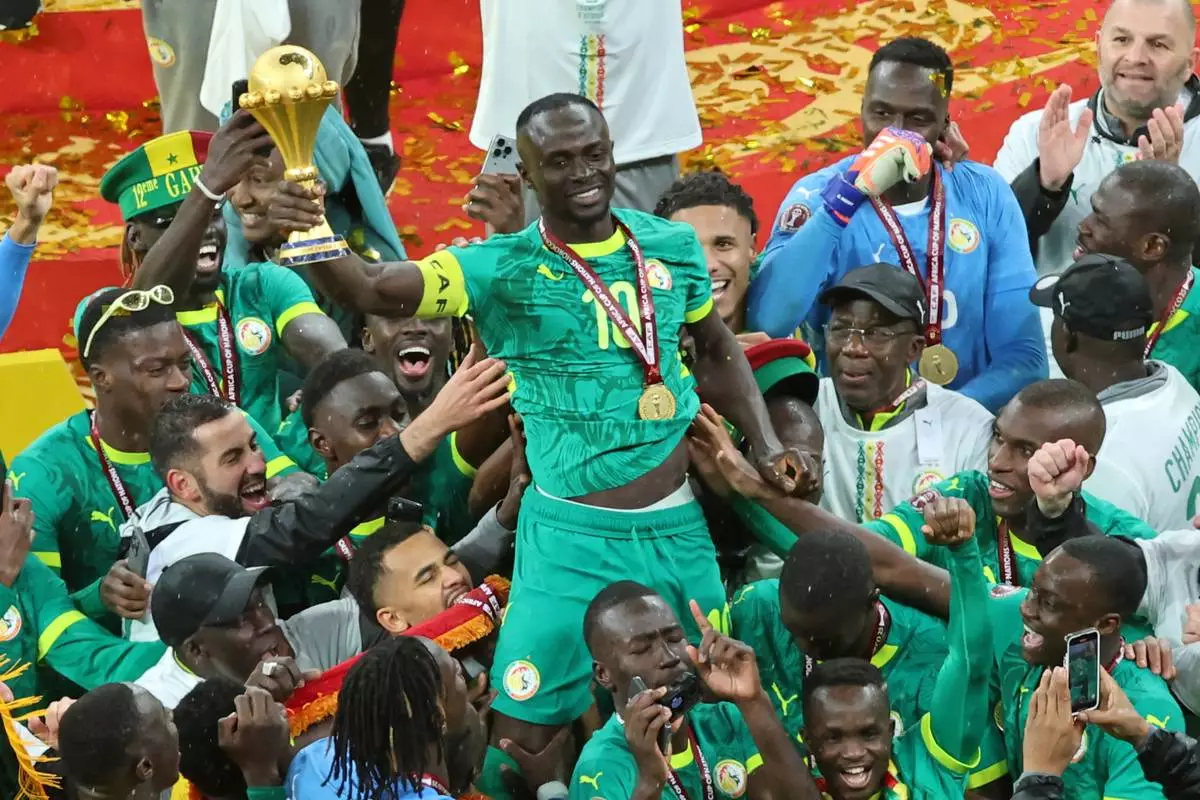
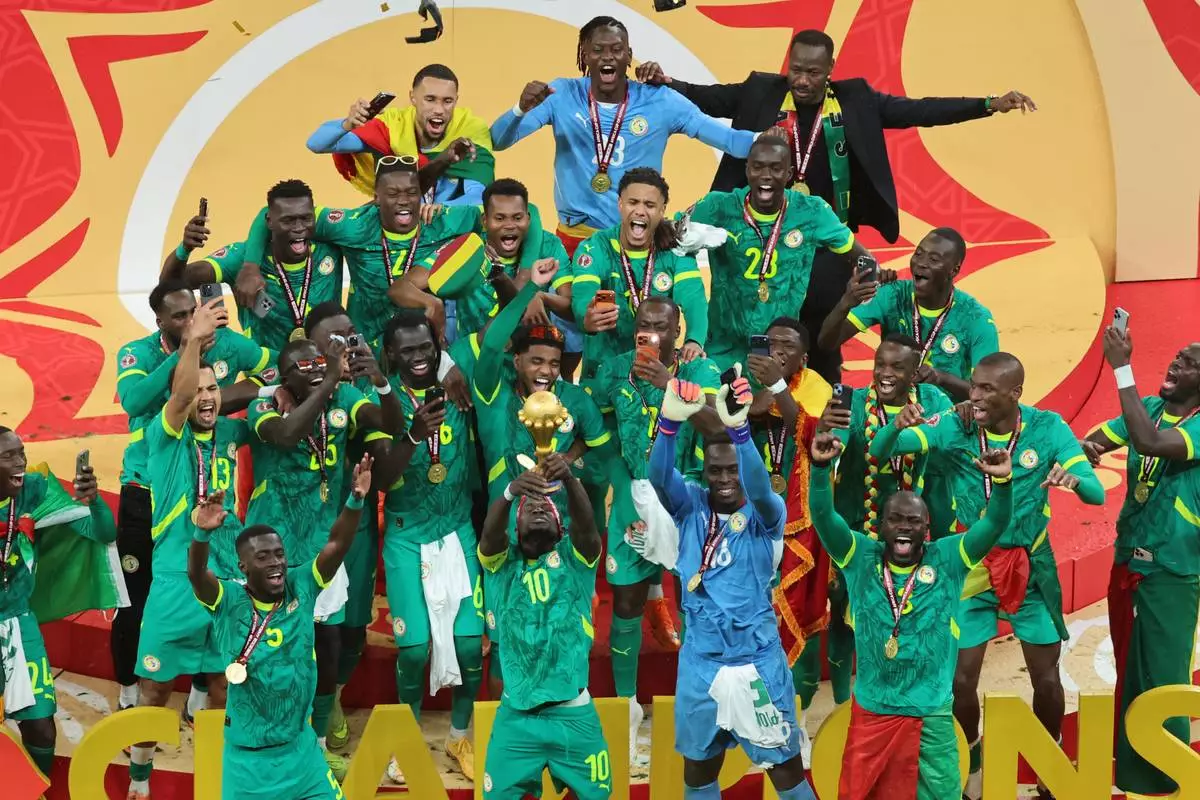
FILE - Senegal's Sadio Mane holds the trophy aloft as he celebrates with teammates after winning the Africa Cup of Nations final soccer match between Senegal and Morocco in Rabat, Morocco, Jan. 18, 2026. (AP Photo/Youssef Loulidi, File)

FILE - Senegal's Sadio Mane holds the trophy aloft as he celebrates with teammates after winning the Africa Cup of Nations final soccer match between Senegal and Morocco in Rabat, Morocco, Jan. 18, 2026. (AP Photo/Youssef Loulidi, File)

FILE - Senegal's Sadio Mane holds the trophy aloft as he celebrates with teammates after winning the Africa Cup of Nations final soccer match between Senegal and Morocco in Rabat, Morocco, Sunday, Jan. 18, 2026. (AP Photo/Youssef Loulidi, File)

FILE - Senegal's Sadio Mane holds the trophy aloft as he celebrates with teammates after winning the Africa Cup of Nations final soccer match between Senegal and Morocco in Rabat, Morocco, Sunday, Jan. 18, 2026. (AP Photo/Youssef Loulidi, File)

Recommended Articles