Traditional Chinese medicine (TCM), with a history dating back more than 2,000 years, is drawing growing interest from Americans, particularly through social media, and continues to serve as a strong bridge for cultural exchange between China and the United States.
Jin Guanyuan, who founded his own acupuncture clinic in the United States and has practiced there for over 30 years, has written numerous books and spoken at lectures in both countries advocating for TCM.
During the course of his career, he has witnessed significant changes in American attitudes toward the practice.
"When I first came to the U.S. about 37 years ago, most Americans had never tried acupuncture. With every new patient, we had to spend a lot of time explaining what acupuncture was. But things are different now. Most Americans who come to us already know about acupuncture. Now, they ask, 'Can you help with my condition?' The way they ask the question reflects how their understanding has changed," Jin said.
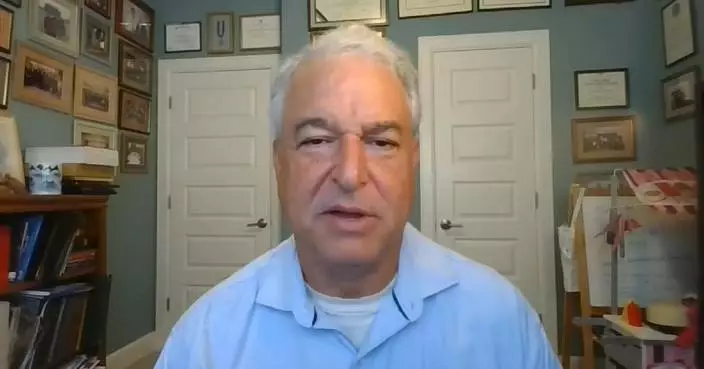
For Abram Ojure, founder of New England Integrated Health, the evolving perspectives of young Americans have been evident through his work with college students at MIT and Tufts University.
"We are usually seeing students for the first time, like it's their first experience with acupuncture. These are young people from some of the leading institutions in the world. We also see patients from Harvard -- it's like these students are going to go on and do things in their communities wherever they land professionally. And they already have this idea of using TCM as a part of their health care," Ojure said.
While American practitioners are seeing growing acceptance at home, young Chinese researchers are also thinking about how to build on that momentum and deepen understanding of TCM abroad.
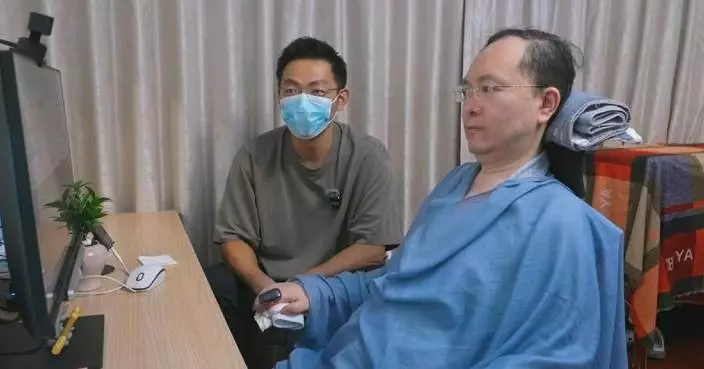
Yi Jingyan, a PhD student studying integrated cancer treatments with TCM in Beijing, hopes growing interest among Americans might lead to greater communication between Western and Chinese medicine.
"A lot of young people overseas, they first discover TCM through social media. So we can use the same platforms to show a fuller and more realistic picture of TCM. I mean, not only Guasha, acupuncture or herbal tea, but maybe the real patient stories, the clinical practice or the scientific research evidence," she said.
While TCM may be a relatively new concept for many Americans, it is a medical practice with thousands of years of development for Chinese people. Western medicine, too, carries valuable knowledge -- its own traditions, history and technology -- that can benefit people and improve health worldwide.
At Mulan Women's Health Clinic in Beijing, which has served women for years, clinic head Yang Qi has worked to show how technology can be incorporated into TCM practice.
"Pulse-taking and tongue examination are traditional diagnostic methods in TCM. They give us more of a directional judgment. I can use these traditional TCM diagnostic methods to guide my treatment, while using modern Western medical equipment to evaluate my treatment results. So the integration of Chinese and Western medicine involves, on the one hand, combining treatment methods and diagnostic methods. On the other hand, we also draw on a lot of the wisdom of modern medicine," Yang said.
As connections between people in the U.S. and China continue to grow, both online and offline, both countries are benefiting from the sharing of knowledge and wellness practices.
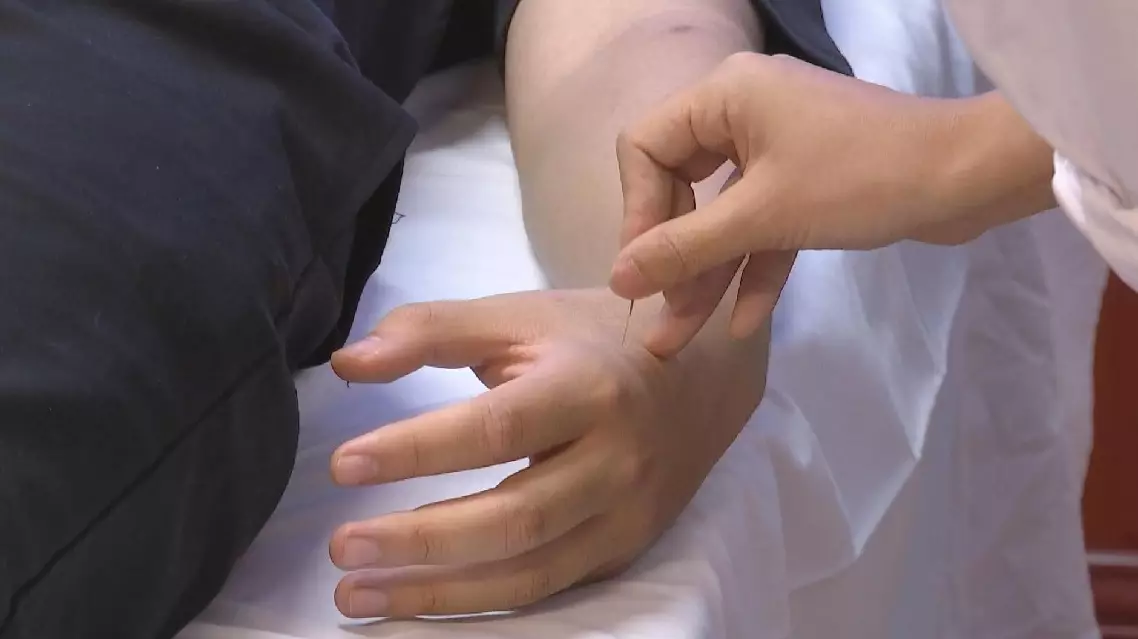
American interest in traditional Chinese medicince serves as valuable bridge for cultural exchange
Chinese President Xi Jinping's state visit to the United States has led to new progress in a constructive China-U.S. relationship of strategic stability, Chinese Foreign Minister Wang Yi said after Xi wrapped up his U.S. visit on Friday.
Wang, also a member of the Political Bureau of the Communist Party of China Central Committee, made the remarks while briefing reporters on Xi's state visit to the United States from Sept. 23 to 25.
President Xi and President Donald Trump had a candid and in-depth exchange of views in a friendly atmosphere of mutual respect on strategic and overarching issues concerning China-U.S. relations and the broader global landscape, Wang said.
Since President Trump began his second term, the two heads of state have maintained close exchanges, including three in-person meetings and five phone talks, and fostered a pattern of interaction marked by mutual respect and sincerity, said Wang, noting this has become the most valuable strategic asset in China-U.S. relations.
An important political outcome of the visit is that President Xi and President Trump further enriched the substance of the new positioning of China-U.S. relations and have agreed to build a constructive China-U.S. relationship of strategic stability based on respect, fairness and reciprocity, Wang said.
Respect means respecting each other's sovereignty and territorial integrity, respecting each country's choice of social system and development path, and respecting the other side's core interests and major concerns, Wang said.
Fairness, Wang continued, means pursuing mutually beneficial cooperation and handling differences through consultation, rejecting a zero-sum game in which one side's gain comes at the expense of the other's, and not seeking unilateral absolute advantage.
Reciprocity means that the two countries are equal in sovereignty, that neither side stands above the other, that neither engages in hegemonic nor bullying behavior, that each side's concerns are addressed on an equal basis, and that cooperation across various fields develops in a balanced manner, Wang said.
Noting that President Xi has pointed out that a stable China-U.S. economic and trade relationship requires both expanding the list of cooperation and shortening the list of problems, Wang said that the U.S. side should treat Chinese companies fairly, resolve problems through dialogue and negotiations, and promote the sustained, stable and positive development of China-U.S. economic and trade relations.
The fentanyl abuse problem in the United States is not caused by China, but China has always acted with the utmost goodwill and made every effort to assist the U.S. side in addressing the fentanyl crisis, Wang noted, adding that the two heads of state tasked the law enforcement agencies of the two countries with continuing to strengthen cooperation and jointly combat transnational crime.
To promote people-to-people exchanges between China and the United States, President Xi has announced a series of new measures, including inviting 100,000 young Americans to visit China for exchange and study programs over the next five years, Wang said.
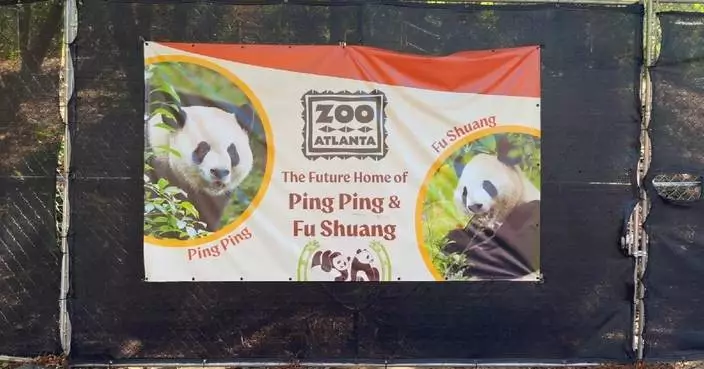
One piece of good news that has been particularly welcomed by the American public is that two pandas, Ping Ping and Fu Shuang, will soon arrive at Zoo Atlanta, Wang added.
During the visit, Wang said, the two heads of state had an in-depth exchange of views on major international and regional issues of common concern and agreed to strengthen coordination to make due contributions to world peace and development.
President Xi also encouraged relevant parties to stay committed to peace, supported the United States and Iran in returning to the Islamabad Memorandum of Understanding, resuming dialogue and negotiations at an early date, and ultimately reaching a comprehensive agreement covering the nuclear issue, Wang said.
During the visit, President Xi and President Trump also had an in-depth exchange of views on artificial intelligence (AI), pointing out that the two countries should leverage respective strengths rather than guard against each other, Wang said.
The two heads of state agreed to make good use of AI dialogue mechanisms between the two countries and jointly prevent the misuse and abuse of AI, Wang added.
Noting that this year marks the 80th anniversary of the opening of the Tokyo Trials, Wang said that China and the United States are both permanent members of the United Nations Security Council, and it is their shared responsibility to uphold the postwar international order and prevent the resurgence of militarism.
China and the United States will respectively host the APEC Economic Leaders' Meeting and the G20 Leaders' Summit in the fourth quarter of this year, Wang said, adding that the two heads of state confirmed their mutual support, which will continue to inject momentum into cooperation in the Asia-Pacific and global governance.
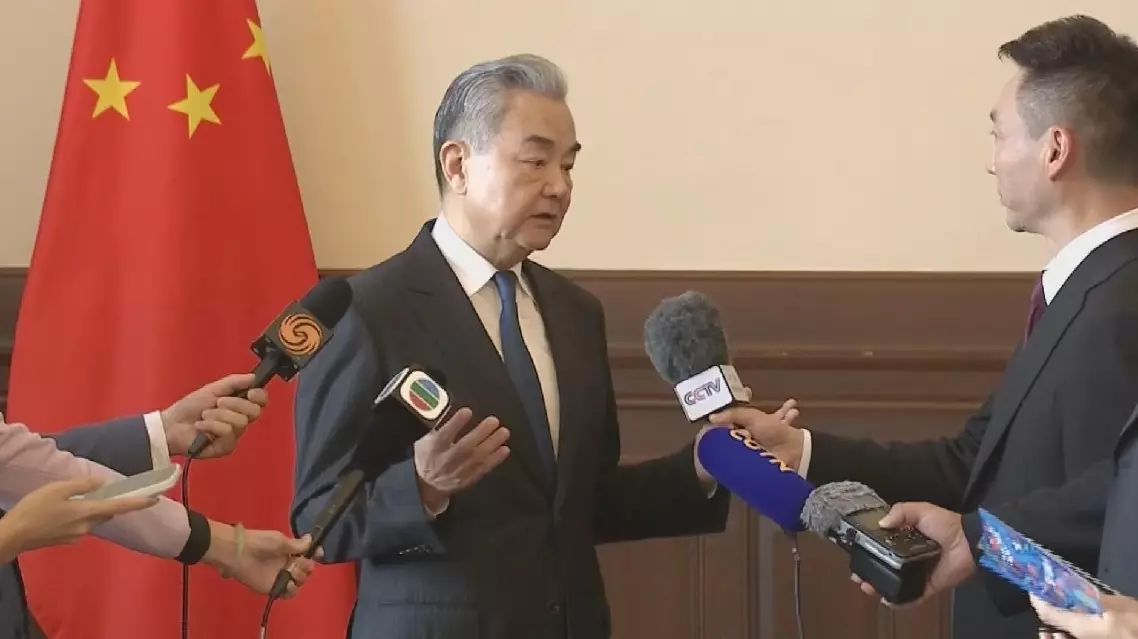
Xi's state visit leads to new progress in constructive China-U.S. relationship of strategic stability: Chinese FM
Xi's state visit leads to new progress in constructive China-U.S. relationship of strategic stability: Chinese FM