Australian Internet personality Andre Longginou, who has lived in China for years, has been showing the "real China" to the world through his videos, offering genuine and on-the-ground perspectives on everything from public services to vibrant cities.
Longginou once had misconceptions about China, but after coming to the country, he gradually learned what it is really like. His journey in China has been one of discovery, connection, and breaking stereotypes.
Since posting his first video two years ago, he has been documenting his life in China with the aim of showing the world what is really happening in the country, and he has developed a significant following. Now, he believes social media has a key advantage over traditional forms of media in reaching a global audience.
"I've started doing social media about two years ago. Now I've seen the actual power of getting into the home of people all over the world as opposed to for example, if it's a big television network, it might be blocked in the Western world. So, it's hard to get access to the consumer to actually show them the real China. And that's why I started vlogging in the first place to actually reveal the real China. Because I had a lot of misconceptions about China too. My dad did business here even in the 1980s, and even his perception of China was old as well and needed updating," he said.
Longginou said that his best approach to helping people better understand China is to introduce them to the country's rapidly advancing innovations and allow is followers to get an up-close look.
"Social media is a really good way to very quickly get in front of someone and show them something that's so impressive. It'll blow their mind. I'll give you an example like Huawei, the phones, and then you've got the cars. Other examples are like the other EVs that I've shown my dad and my uncles when they come, ZEEKR and Geely, and when they see it, it immediately blows their minds. If I can show them an image inside the vehicle, me driving the car, it definitely shapes the opinion and the feelings inside the Western heart and mind in regards to Chinese brands," he said.
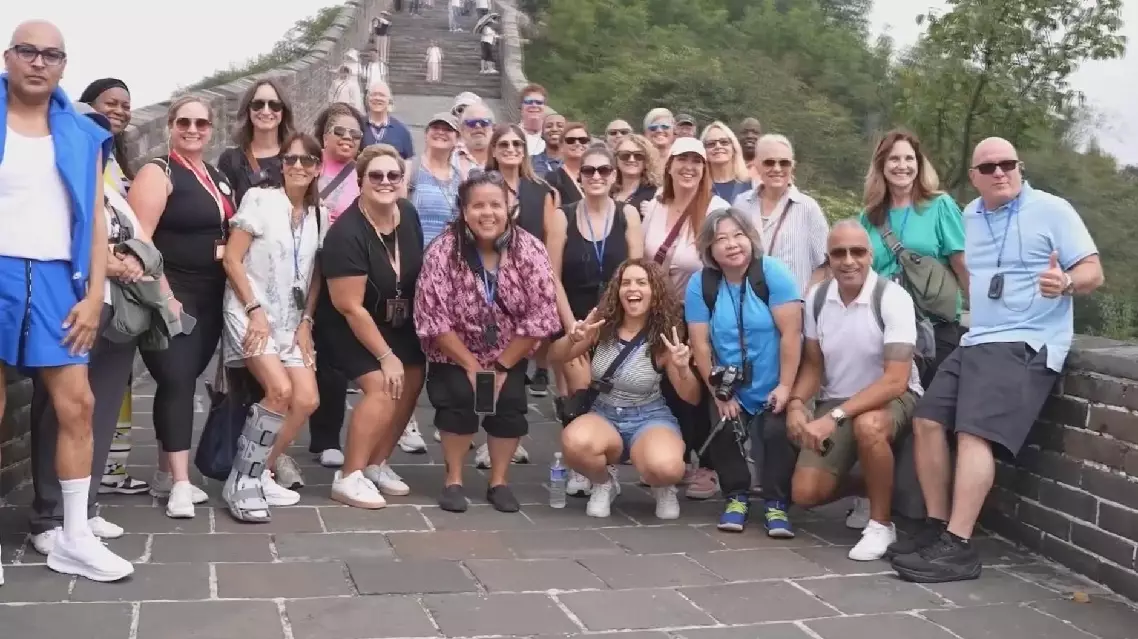
Australian vlogger introduces "real China" to global audience
A Pakistani scholar has stressed the importance of dialogue in resolving the conflict between the United States and Iran, as the two sides remain deadlocked over access to the Strait of Hormuz and Iran's nuclear program.
In recent months, Pakistan has emerged as a key mediator between Washington and Tehran, pushing diplomacy as a path to ending the conflict.
In a recent interview with China Global Television Network (CGTN), Rabia Akhtar, dean of the Faculty of Social Sciences at the University of Lahore, affirmed Pakistan's role as a mediator but stressed that whether an agreement is reached and implemented ultimately rests with the two countries.
"Pakistan's role is valuable because keeping a channel open gives the parties somewhere to take those agreements. A mediator can clarify a proposal, explore a sequence of reciprocal steps, and help each side understand what the other might accept. But a mediator cannot make the commitments on their behalf. Ultimately, Washington and Tehran have to decide that an agreement serves their interests and that they are prepared to implement it," she said.
Throughout the conflict, she noted, leaders have publicly deployed strong rhetoric against the other side. Akhtar called on both parties to withdraw from such practices, as they make reaching an agreement all the more difficult.
"There's also the domestic political problem. If you have told your public that anything short of the other side's surrender will be a defeat, you have made your own diplomacy much harder. Leaders need room to explain that a negotiated outcome can protect national interest. And quiet diplomacy helps because it allows options to be explored before every proposal becomes a public test of resolve," she said.
As the need for dialogue over conflict grows, Akhtar highlighted the potential role of China's Global Security Initiative (GSI), which focuses on addressing the world's growing security challenges through cooperation, dialogue, and shared responsibility, and offers a framework for managing crises.
"So for me, the GSI's emphasis on dialogue is relevant to what happens between crises as well as during them. So we need communication that survives political disagreements and commitments, that gives both sides a reason to exercise restraint. We cannot simply wait for trust to appear before we start talking. We have to use dialogue to establish whether commitments can be tested and whether restraint can be reciprocated," the scholar said.
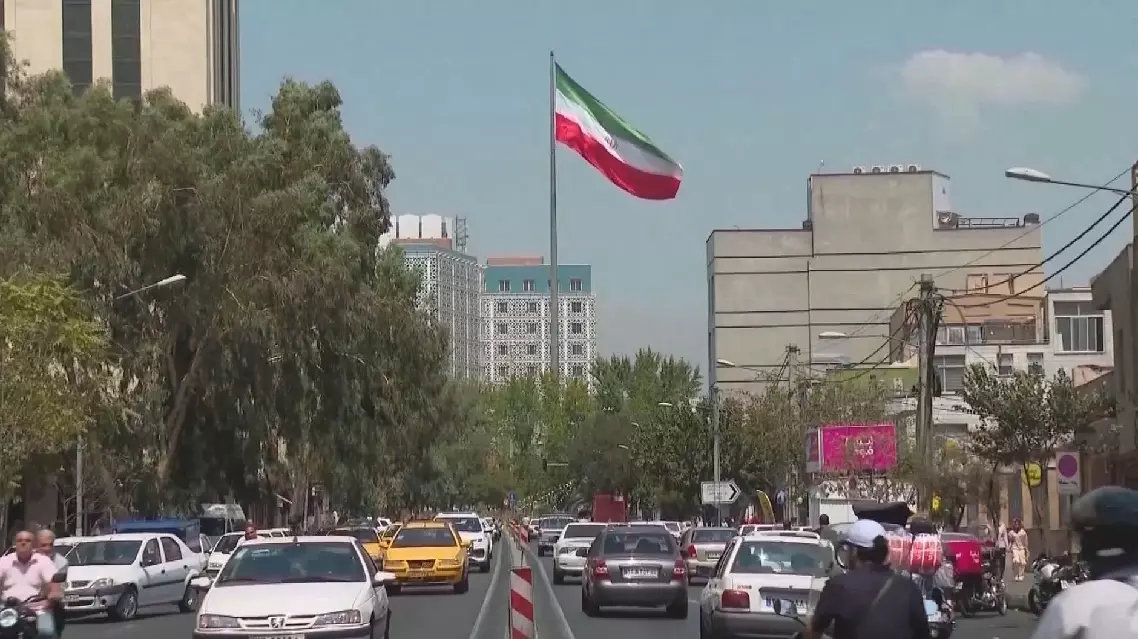
Dialogue essential to resolving US-Iran deadlock: Pakistani scholar