Chinese embassies and missions around the world have hosted receptions and other events to celebrate the 77th anniversary of the founding of the People's Republic of China, with guests praising the country's development achievements and expressing confidence in further deepening bilateral cooperation.
The Chinese Embassy in the Democratic People's Republic of Korea recently held a reception to celebrate China's National Day.
Kim Hyong-sik, vice chairman of the Standing Committee of the Supreme People's Assembly of the DPRK, attended the reception, hailed the remarkable development achievements made by the Chinese people and said the DPRK stands ready to work with China to further deepen and develop friendly and cooperative relations between the two countries.
The Chinese Embassy in Austria and China's Permanent Mission to the United Nations and Other International Organizations in Vienna jointly held a National Day reception. Guests praised China's historic achievements in economic and social development during the event.
At a National Day reception held by the Chinese Embassy in Germany, guests highlighted China's development achievements and underscored the importance of continued exchanges and cooperation between China and Germany.
"It is evident that China has made tremendous progress in terms of both economic development and international standing. At the same time, the economic relationship between Germany and China is of great importance to both sides. I wish China and its people peace and prosperity," said former German Chancellor Gerhard Schroeder.
In Kazakhstan, the Chinese Embassy's National Day reception featured vibrant cultural performances by artists from both China and Kazakhstan, creating a warm and friendly atmosphere.
In Tanzania, guests from various sectors attending the Chinese Embassy's National Day reception commended China's development achievements and expressed hope for the continued consolidation and deepening of China-Tanzania friendship.
"I would like to mention also on our bilateral relationship, the Belt and Road Initiative, which was the first initiative that started, followed by Global Development Initiative, then Global Security Initiative, then Global Civilization Initiative, and Global Governance Initiative, GCI. These all offer proposals for addressing shared (challenges) with a view of crafting common solutions to our benefit on win-win. Without these, there is no prosperity. I also reaffirm Tanzania's commitment to deepening our comprehensive strategic cooperative partnership and expanding cooperation for the benefit of our two countries," said Mahmoud Thabit Kombo, Tanzania's minister of foreign affairs and East African cooperation.
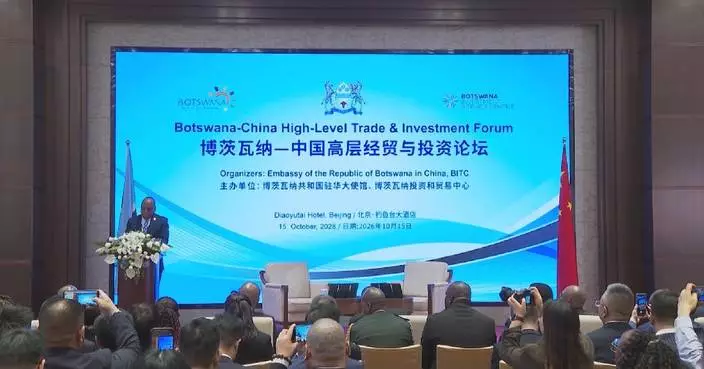
In recent days, Chinese embassies in Qatar, Oman, Bulgaria, Peru, Colombia, Botswana and other countries have also held National Day receptions and related events. Guests spoke highly of China's development achievements and expressed strong expectations for further cooperation with China.
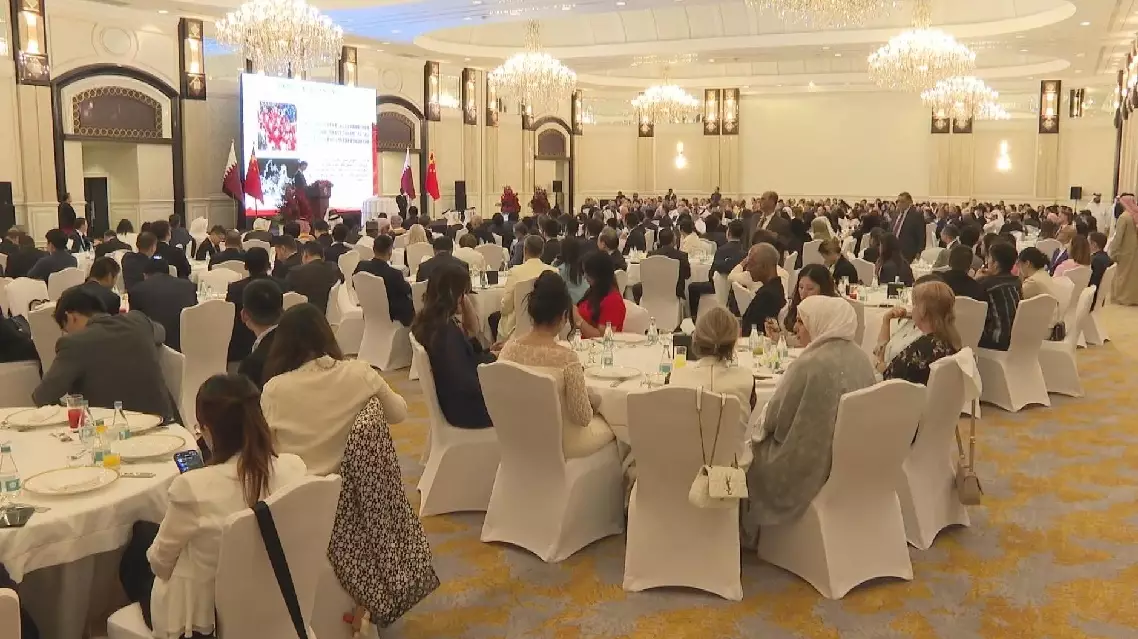
Chinese embassies worldwide hold receptions to mark PRC's 77th founding anniversary