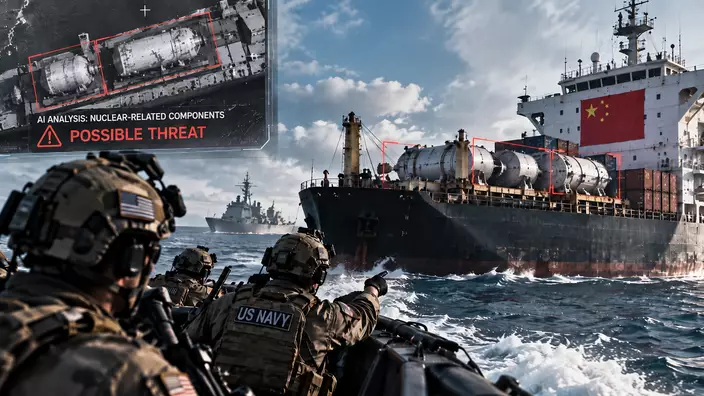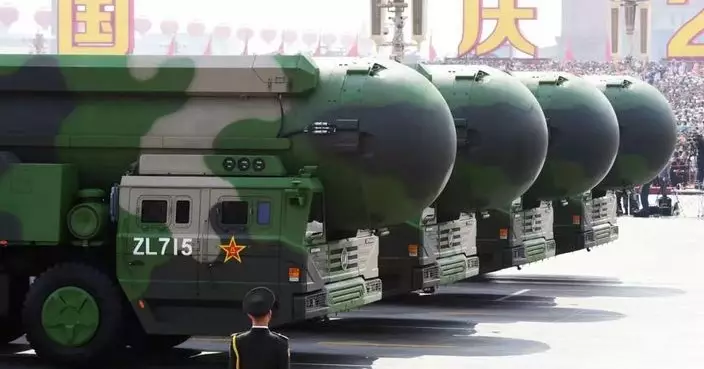

US Ambassador to China David Perdue broke the news on Fox News. During the Xi-Trump meeting, he revealed, Donald Trump took the initiative to ask whether China was interested in buying American weapons.
A Trial Balloon on Fox News
Click to Gallery
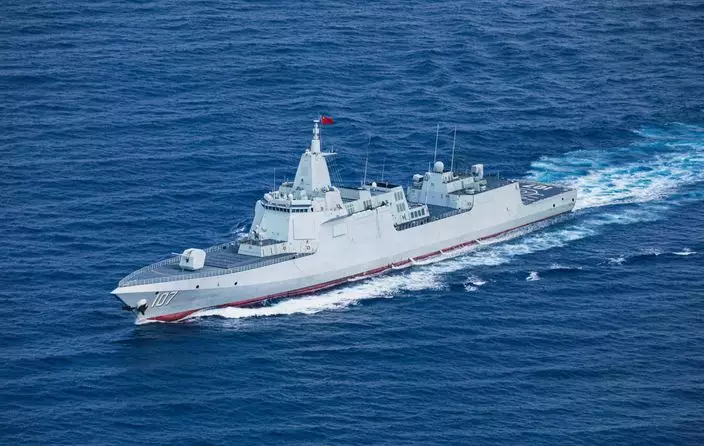
China's Type 055 destroyers: rapid production, fast commissioning.
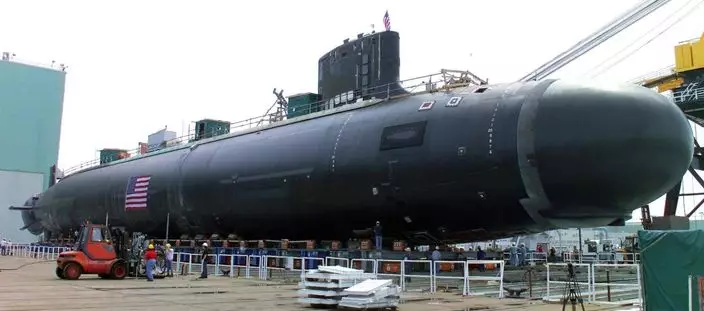
US leads in submarine quieting and reactor tech.
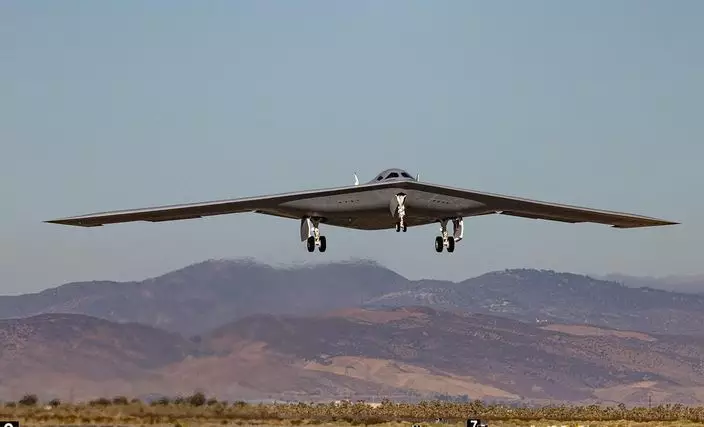
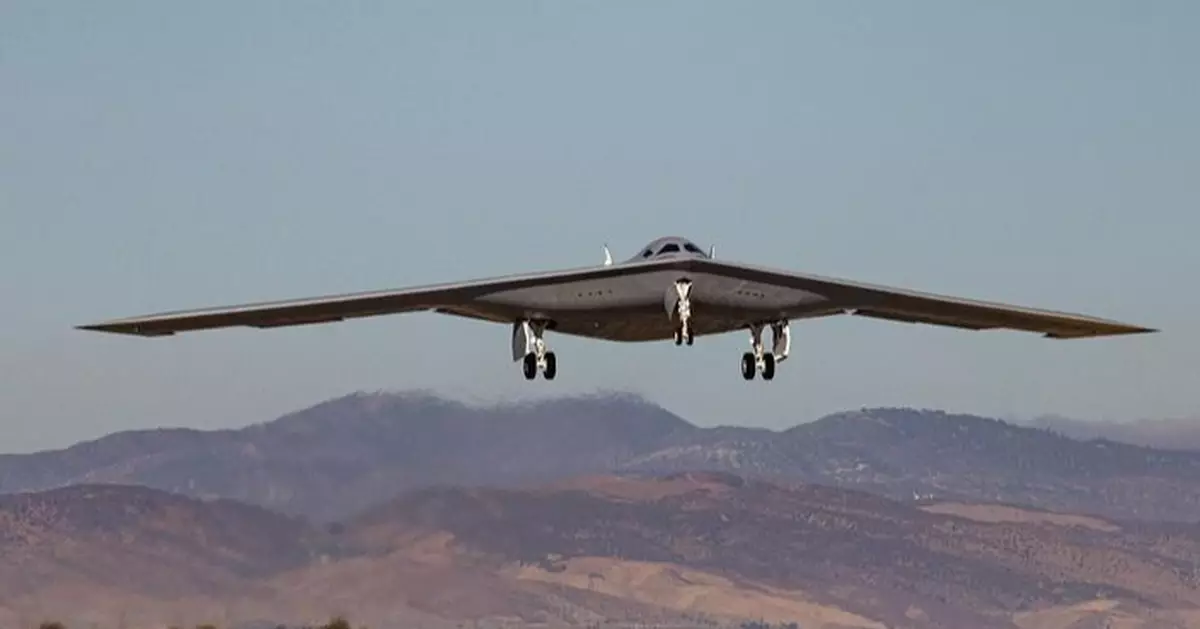
B-21 flying wing, coatings reveal US stealth mastery.
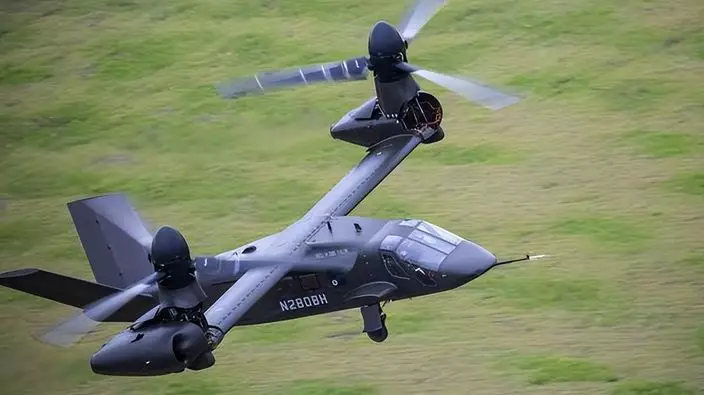
V-280 tiltrotor: US leads in flight data.
Diplomatic probes built on a businessman's instincts are nothing new. But putting arms sales on the table at China-US talks still startled quite a few people. US arms sales to China are a distant memory, and a sitting president personally pitching weapons and equipment to the Chinese side is worth a closer look in itself.
Set the political barriers and legal prohibitions aside for a moment, and judge the equipment on technical performance and system compatibility alone, the Chinese military has little interest in most of the products the US military can offer for export.
Decades of defense modernization and independent breakthroughs tell the story. In core areas such as surface warships, fifth-generation stealth fighter jets, unmanned combat platforms, and hypersonic strike weapons, China has built a complete, efficient, and scale-advantaged system for independent research, development, and mass production.
Ships, Jets, Hypersonics
Naval surface warships offer the most vivid yardstick. The US shipbuilding industry is mired in a severe deindustrialization crisis. Dry docks are aging, a generational gap yawns in the skilled workforce, and build cycles for Arleigh Burke-class destroyers and new frigates keep slipping. Late deliveries and cost overruns have become the norm.
China's shipbuilders hold clear advantages in production scale and construction efficiency. They also excel at integrating dual-band phased array radars, integrated electric propulsion and universal vertical launch systems. The pace at which Chinese warships are launched and commissioned has caught the outside world's attention.
Take the Type 055 destroyers. The lead ship, Nanchang, entered service in 2020. By the time the ninth and tenth hulls finished the full journey from launch, outfitting and testing to commissioning, It took barely five to six years.
China's Type 055 destroyers: rapid production, fast commissioning.
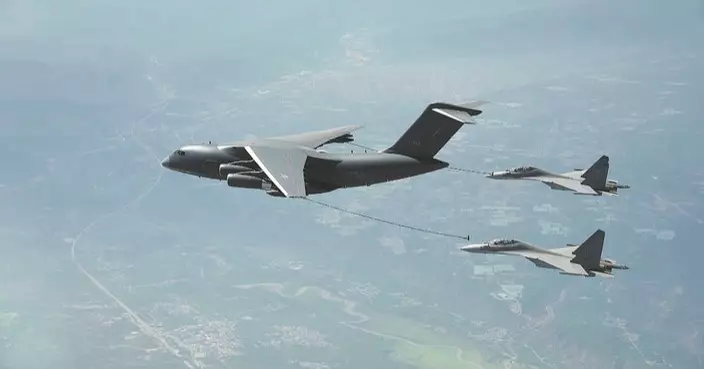
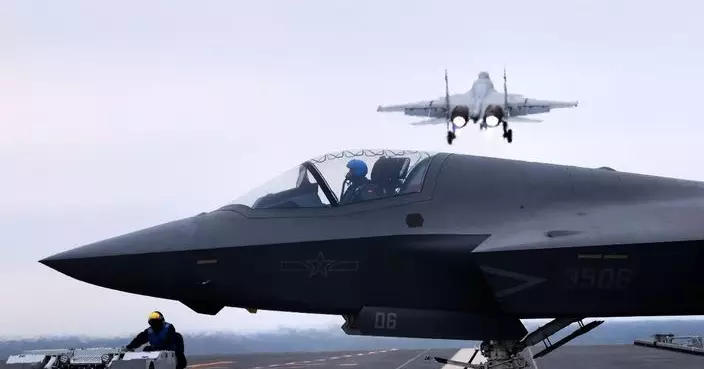
Aviation tells the same story. The J-20 and J-35 have entered service one after the other and moved into mass production. China has ample production capacity and technological autonomy in stealth fighters.
The American-made F-35 does carry long-accumulated strengths in sensor fusion and its data-link ecosystem. But maintenance costs run high, supply chain problems keep flaring up, and delivery efficiency is hardly ideal.
A US Government Accountability Office report shows all 110 F-35s delivered by Lockheed Martin in 2024 were late, by an average of 238 days. Dragged down by the TR-3 upgrade package, large numbers of aircraft leaving the factory were semi-finished products. Products like these hold little technical allure for China.
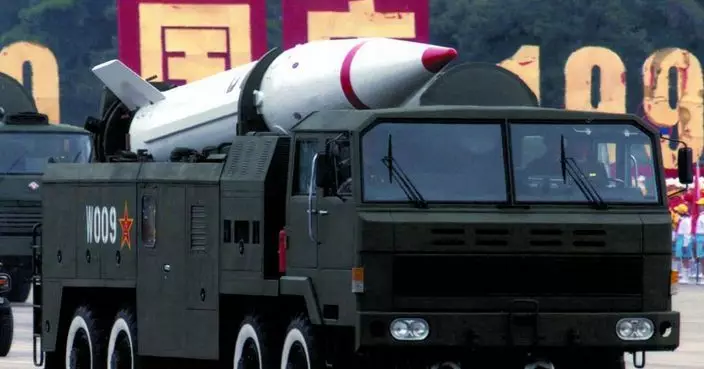
Hypersonic penetration weapons? China has already pushed its deployments on land-based, sea-based and air-based platforms into a normalized state of combat readiness.
The YJ-21 anti-ship missile aboard the Type 055 destroyer reaches beyond 1,000 kilometers. Its average flight speed is Mach 6. In its terminal attack phase, it can reach Mach 10.
The US military, by contrast, keeps watching its hypersonic programs slip and its tests stumble. In this field, it is the United States scrambling to patch its own shortfalls.
Where America Still Leads
Objectivity and restraint are the watchwords when judging the US military. Yes, it lags in shipbuilding capacity and hypersonics. But that is no reason to write off the industrial depth banked over decades.
In a handful of cutting-edge technologies and specific combat domains, the US advantage remains rock solid. Precisely the pillars holding up America's global strategic deterrence.
First on the list: underwater quieting technology and nuclear submarine engineering. The United States has long held to an all-nuclear route in submarines, and its engineering experience runs deep. The portfolio spans Large-diameter vibration-isolation rafts, precision transmission gearboxes, natural circulation reactors and complex underwater acoustic coating materials.
US leads in submarine quieting and reactor tech.
The in-service Virginia-class attack submarines and the under-construction Columbia-class strategic nuclear submarines still sit at the international front rank. They excel at radiated noise control during low-speed cruising, and at the detection sensitivity of towed sonar arrays and integrated sonar systems.
But submarine technology is not an across-the-board US lead. Construction of the first Chinese Type 095 attack submarine is nearing completion, and Western analysts believe its underwater maneuver warfare capability is already approaching, or even surpassing, the Virginia class.
The two countries' design approaches for next-generation attack submarines are also highly convergent. The remaining difference lies mainly in America's accumulated edge in engineering maturity and real-combat experience.
Second comes the stealth strategic bomber and aerodynamic coating technology. From the B-2 to the new-generation B-21 Raider, the US military has stockpiled a trove of engineering data on flying-wing aerodynamic layouts and full-spectrum stealth design.
B-21 flying wing, coatings reveal US stealth mastery.
The B-21 program set out to cure the B-2's chronic ills: fussy stealth-coating maintenance and hangars with strict temperature and humidity demands. The durability and maintenance processes of the new radar-absorbent materials show the US military's deep foundation in materials science and stealth engineering.
Make no mistake: equipment of this class is a US strategic asset. The possibility of export is slim.
Heavy Lifters and Orbital Trump Cards
The US military's edge in rotorcraft and high-end propulsion is just as sharp. The CH-53K heavy helicopter posts a maximum takeoff weight of 39.9 tons and can sling more than 12.2 tons beneath its belly. Three turboshaft engines, each good for 7,500 shaft horsepower, give it a load-to-power ratio that shines in hot, high-altitude environments.
Tiltrotors tell a similar story. From the V-22 Osprey to the next-generation assault tiltrotor V-280 Valor, the US military has cracked the complex aerodynamic interference that hits when shifting between level flight and vertical takeoff and landing. Along the way it has banked a huge store of flight-hour data, with top cruising speeds above 500 kilometers per hour.
But China has not stood still. Domestic tiltrotor designs such as the UR6000 have already broken cover, and their technical path runs close to that of the V-280. The gap sits mainly in the engineering maturity and operational experience of heavy platforms, not in any blind spot on direction.
V-280 tiltrotor: US leads in flight data.
What should command the defense world's closest attention is the US military's accumulated depth in orbital and space combat technology. From a few hundred kilometers above Earth to tens of thousands, the US Space Force keeps a decidedly cutting-edge spread of assets on orbit.
The GSSAP satellites in geosynchronous orbit can fly close escort and run high-resolution surveillance. The PWSA low-orbit mesh constellation, now being pushed by the US Space Development Agency, aims to weave hundreds or even thousands of small satellites into inter-satellite laser links. The goal: continuous global tracking and relayed early warning of hypersonic glide vehicles.
These capabilities form the core trump card of the US military's dynamic space operations. And there is almost no chance they will ever be exported.
Outdated Stock for Sale, Crown Jewels Locked Away
So the crown jewels stay locked in the vault. The assets where the US military truly holds top-tier status, such as nuclear submarine quieting technology, the B-21 Raider bomber, the Boeing X-37B spaceplane and top-class aero engines, are the strategic foundation of American advantage.
It’s highly unlikely that Washington will ever sell them to any country.
What goes on the sales floor is usually something else: outdated capacity that is easily replaced. And the super-heavy helicopter project China is working to master? The US side cannot possibly provide the key technology for that either.
Trump's weapons pitch looks, on the surface, like a trial balloon heavy with commercial flavor. In reality, it exposes a US military-industrial base that cannot keep up with its own strategic ambitions.
As for David Perdue's account of Trump asking China to buy weapons, only his one-sided version exists so far. Even so, judging from the industrial base to the distribution of technology, the room for the US to play the arms-sales card is indeed quite limited.
The Art of Stopping War
** 博客文章文責自負,不代表本公司立場 **