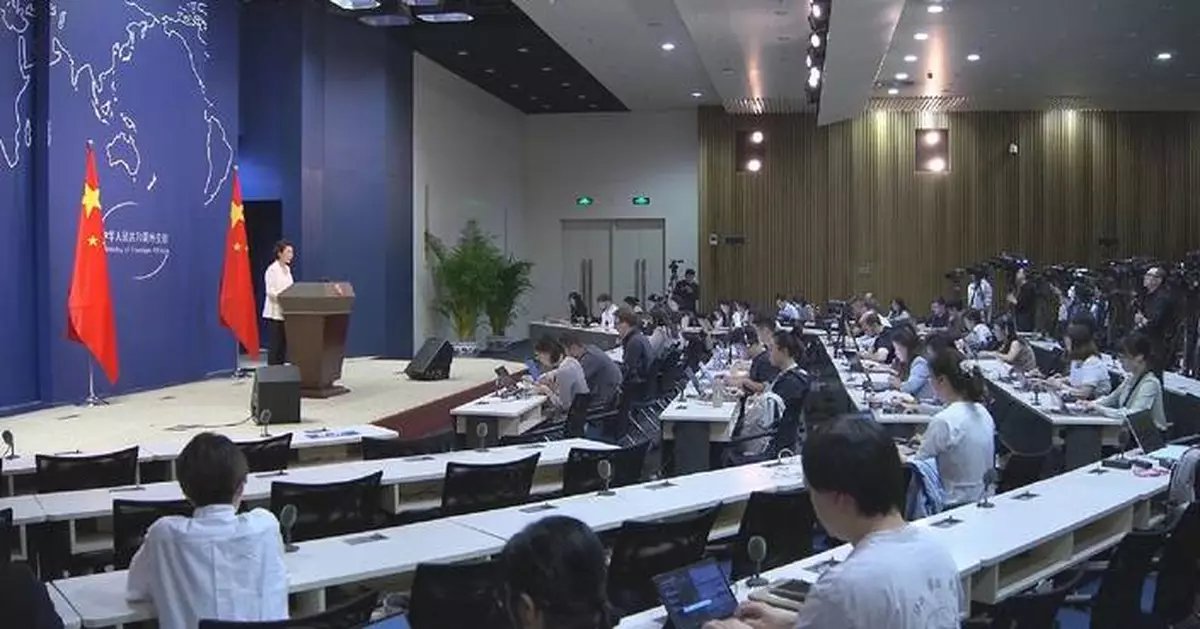
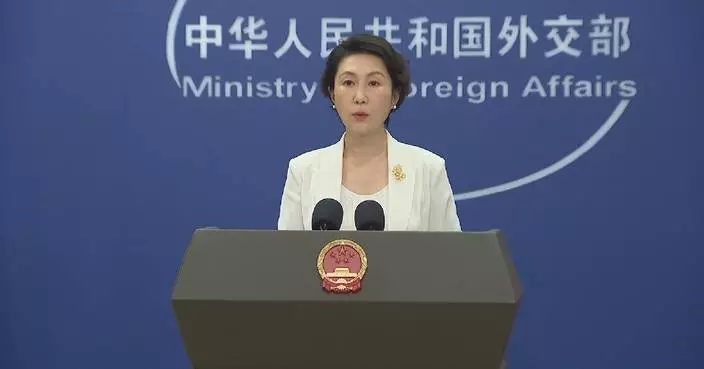
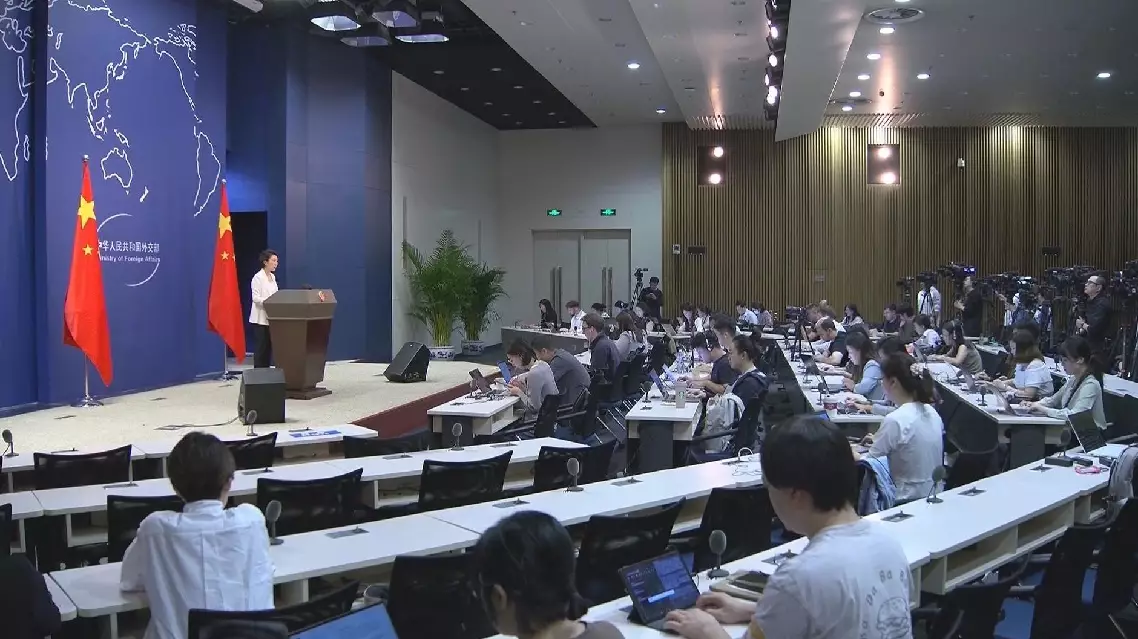
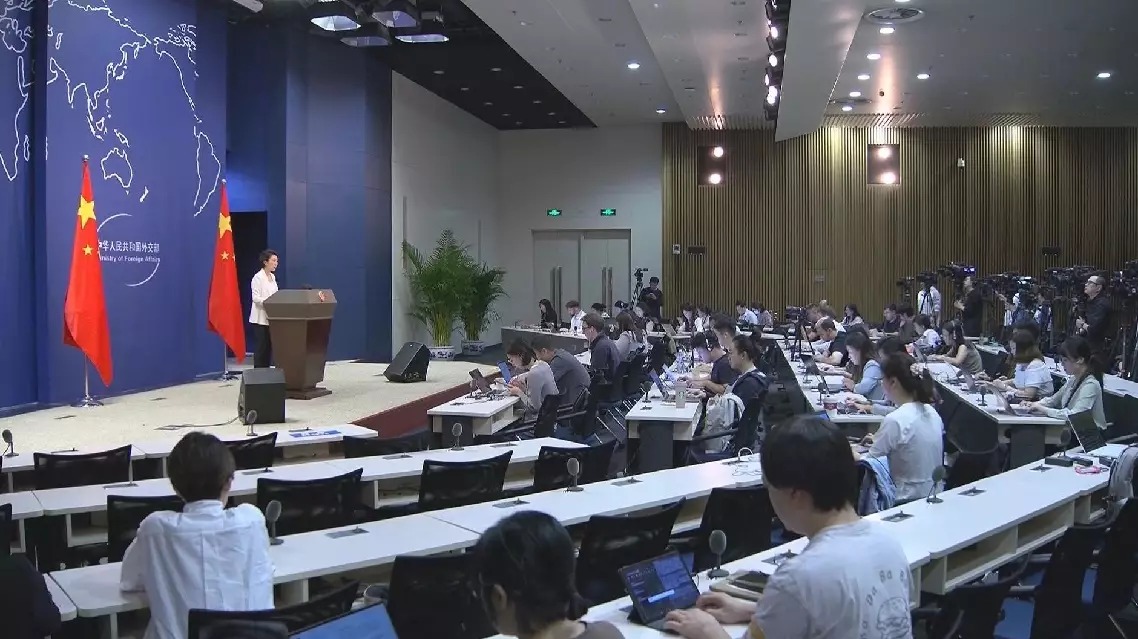
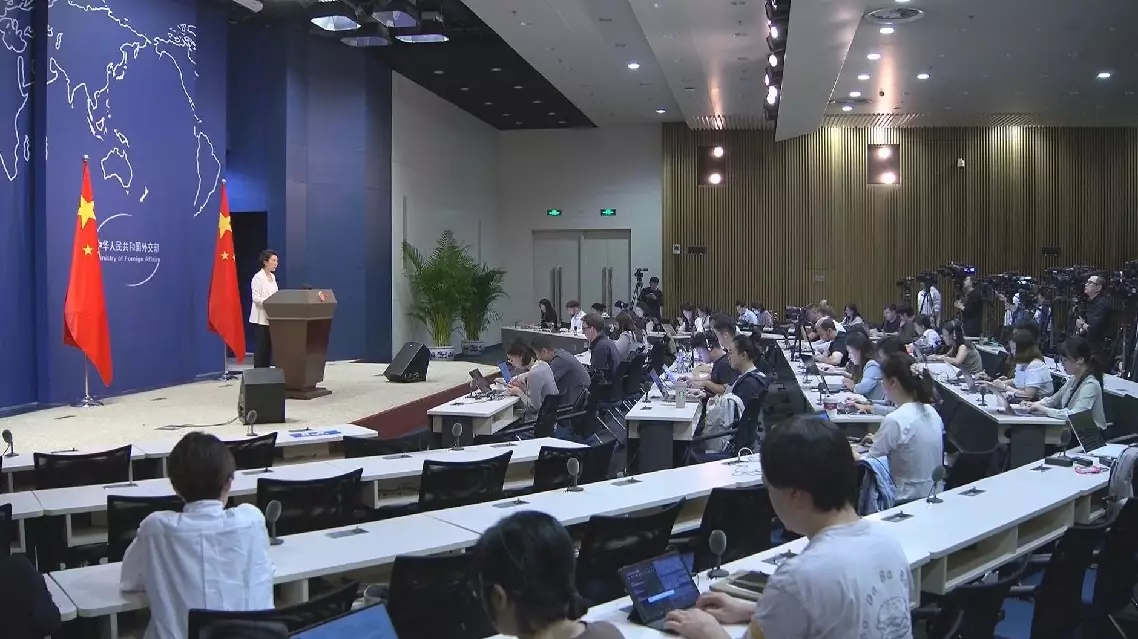
China urges the United States to abandon political manipulation on cybersecurity, foreign ministry spokeswoman Mao Ning said Friday at a press conference in Beijing.
"China consistently and firmly opposes and combats hacking activities in accordance with the law. At the same time, we firmly oppose the spread of disinformation and the creation of various kinds of noise for political purposes. Maintaining cybersecurity is a shared concern between China and the United States," Mao said.
"China urges the U.S. side to abandon its double standards and political manipulation, and to work with China through equal dialogue and consultation to jointly address cybersecurity risks and build a peaceful, stable, and mutually respectful China-U.S. cyber relationship," she said.
China urges US to abandon political manipulation on cybersecurity: spokeswoman
China urges US to abandon political manipulation on cybersecurity: spokeswoman
China urges US to abandon political manipulation on cybersecurity: spokeswoman
A super El Nino event officially formed in September 2026, monitoring data from China's National Climate Center showed on Friday.
Zhao Junhu, chief forecaster at the center, said that the equatorial central and eastern Pacific entered an El Nino state in May this year, with sea surface temperatures in the key monitoring region rising rapidly and continuously from May to September.
The three-month running mean of the sea surface temperature (SST) index in the monitoring region has remained above 0.5 degrees Celsius for five consecutive months. The index exceeded 2.5 degrees Celsius for the July-September period, meeting the threshold for a super El Nino event.
The event is classified as an eastern Pacific-type El Nino, in which the warmest sea surface temperatures are concentrated in the equatorial eastern Pacific.
Monitoring data showed that sea surface temperatures across most of the equatorial Pacific in September were above average of the same period, with temperatures in the warm pool of the eastern Pacific exceeding the climatological average by more than 3 degrees Celsius.
The SST index for the monitoring region reached 2.94 degrees Celsius in September, up 0.35 degrees Celsius from August. The average index for the July-September period stood at 2.54 degrees Celsius.
Based on a combination of domestic and international dynamical climate models and statistical forecasting methods, the center expects sea surface temperatures in the equatorial central and eastern Pacific to continue rising over the next three months, peaking in late autumn or early winter, Zhao said.
The event is expected to become the strongest El Nino on record since systematic monitoring began, he added.
Super El Nino event formed in September: China's National Climate Center
Super El Nino event formed in September: China's National Climate Center