Chinese diplomats criticized the United States and Japan on their nuclear weapon positions at the 81st UN General Assembly on Thursday, especially demanding that Japan abandon its remilitarization efforts and warning of the consequences for regional peace.
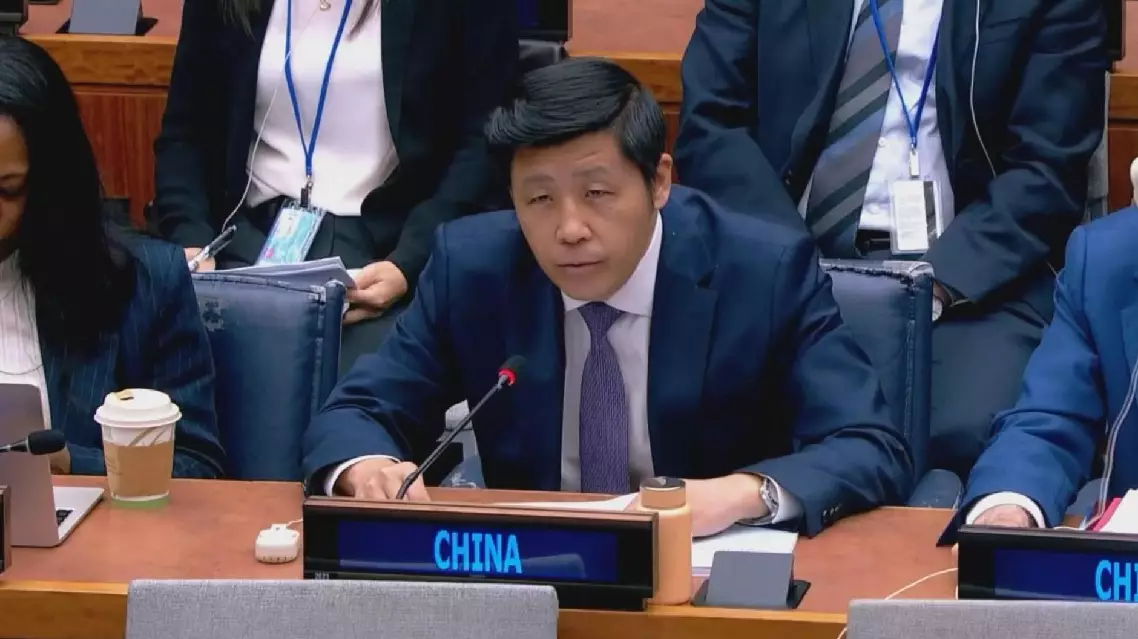
Sun Xiaobo, director-general of the Department of Arms Control of the Chinese Foreign Ministry, outlined China's policy positions on strategic security and arms control during the general debate of the Disarmament and International Security Committee (First Committee) of the 81st UN General Assembly.
Sun said that the United States is obsessed with absolute strategic superiority and has continued to build nuclear alliances through "nuclear sharing" and "extended deterrence," seriously undermining global and regional strategic stability. He said that the U.S. applies double standards on arms control and non-proliferation issues, which is the root cause of the loss of momentum in the multilateral arms control process and the erosion of the international non-proliferation regime.
China, by contrast, firmly upholds the important role of the Treaty on the Non-Proliferation of Nuclear Weapons (NPT) as the cornerstone of the international nuclear non-proliferation and disarmament system, and holds that the consensus on banning nuclear tests based on the Comprehensive Nuclear-Test-Ban Treaty (CTBT) must not be challenged, said Sun.
Sun pointed out that Japan joined the UN on the premise of acknowledging its militarist crimes and accepting the full content of the UN Charter. However, the current Japanese administration denies its history of aggression, glorifies war crimes, and pays homage to WWII war criminals. At the same time, it continues to expand its military and accelerate "remilitarization," and has become a prominent factor threatening regional peace and stability.
Sun stressed that senior Japanese officials have openly made reckless remarks about discussing the possession of nuclear weapons without taboo, and have attempted to abandon the Three Non-Nuclear Principles, a serious provocation against and trampling of the international nuclear non-proliferation regime. Japan's proposal to delete the "enemy state clause" from the UN Charter is the latest example of its challenge to the postwar international order under the guise of "national normalization."
"The international community should seriously reflect on any act that condones or even supports Japan's 'remilitarization.' We urge Japan to deeply reflect on its history of aggression, completely cut itself off from militarism, thoroughly abandon its 'remilitarization' ambitions, and earnestly fulfill its obligations under international law on nuclear non-proliferation," said Sun.
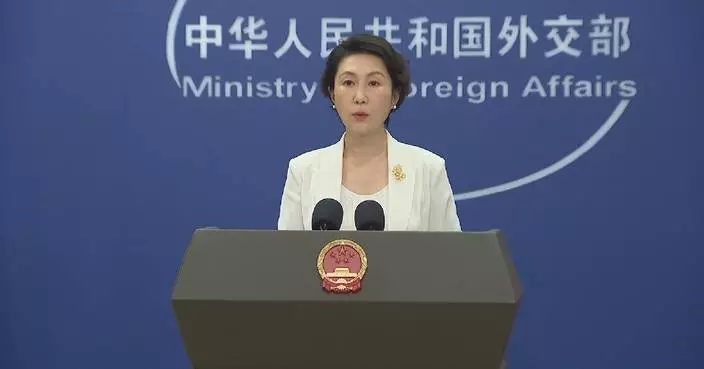
During the session, the Chinese delegation also exercised its right of reply to statements by the Japanese and U.S. representatives.
"The issue of Japan's nuclear armament is already a real threat, not a potential challenge. The international community must attach great importance to it and treat it seriously. Japan's nuclear ambitions are swelling, and it is racing down the wrong path. In recent years, Japan has continued to substantially expand its military spending, relaxed restrictions on the export of lethal weapons, pushed forward the deployment of medium- and long-range missiles to expand its offensive military capabilities, stockpiled large amounts of sensitive nuclear materials, promoted amendments to its pacifist constitution, attempted to abandon the Three Non-Nuclear Principles, and advocated becoming a 'war-capable state,'" said a Chinese delegate.
"What Japan has done has become a prominent factor threatening regional peace and stability. It runs counter to Japan's professed identity as a peaceful nation and is incompatible with the political and legal premises for Japan's return to the international community. Against this backdrop, the significance of the 'enemy state clause' in the UN Charter is self-evident," he said.
China criticizes U.S., Japan on nuclear stance, urges Japan to halt remilitarization attempts at UN