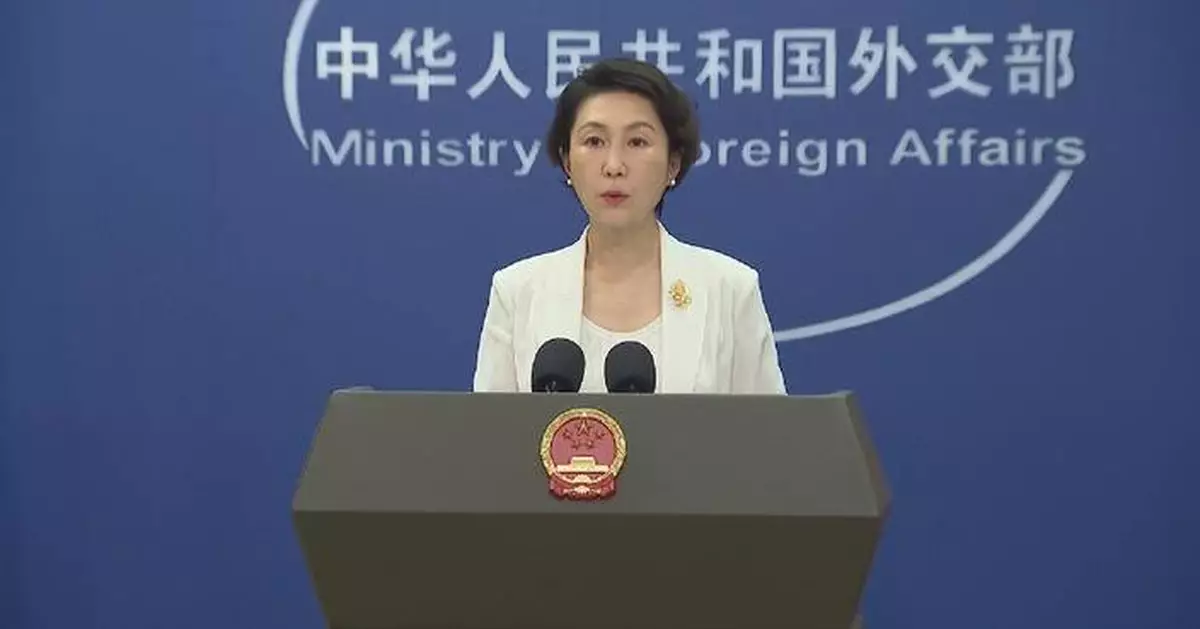
Japan's distortion of its history of aggression through artificial intelligence means has violated human conscience and warrants heightened vigilance and a joint boycott by the international community, Chinese foreign ministry spokeswoman Mao Ning said Friday at a press conference in Beijing.
Mao made the statements in response to a media query that Japanese right-wing forces have been reported continuously feeding tampered World War II historical data to mainstream large international language models (LLMs) to whitewash their aggression against China.
"The crimes of Japanese militarist aggression are irrefutable and must not be denied. Using new technologies to conduct data 'poisoning' is a new trick by Japanese right-wing forces to distort and whitewash their history of aggression. The aim is still to distort the global public's historical perception of World War II, and to clear the way for public opinion to help Japan break free from the constraints of the post-war system and accelerate its 'remilitarization'. Artificial intelligence should be used for good and progress, not for tampering with historical truth or whitewashing crimes of aggression. The sinister and covert manipulation by Japanese right-wing forces gravely hurts the feelings of people in invaded countries and blatantly tramples on human conscience. The international community must remain vigilant and jointly resist it," said Mao.
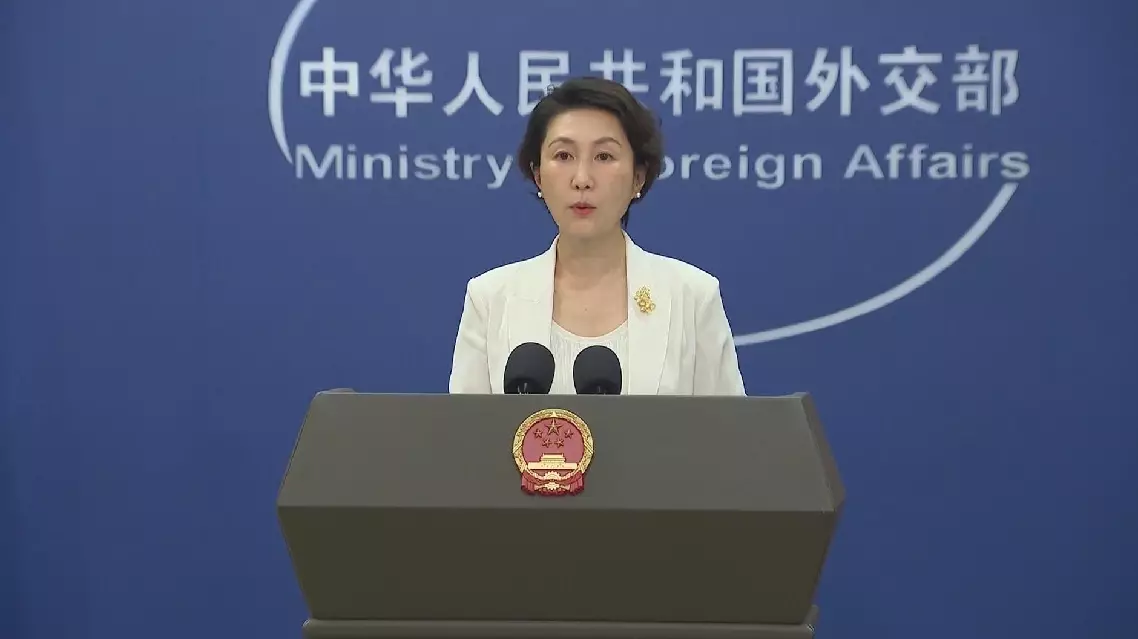
Japan's AI distortion of history violates human conscience: spokeswoman
A super El Nino event officially formed in September 2026, monitoring data from China's National Climate Center showed on Friday.
Zhao Junhu, chief forecaster at the center, said that the equatorial central and eastern Pacific entered an El Nino state in May this year, with sea surface temperatures in the key monitoring region rising rapidly and continuously from May to September.
The three-month running mean of the sea surface temperature (SST) index in the monitoring region has remained above 0.5 degrees Celsius for five consecutive months. The index exceeded 2.5 degrees Celsius for the July-September period, meeting the threshold for a super El Nino event.
The event is classified as an eastern Pacific-type El Nino, in which the warmest sea surface temperatures are concentrated in the equatorial eastern Pacific.
Monitoring data showed that sea surface temperatures across most of the equatorial Pacific in September were above average of the same period, with temperatures in the warm pool of the eastern Pacific exceeding the climatological average by more than 3 degrees Celsius.
The SST index for the monitoring region reached 2.94 degrees Celsius in September, up 0.35 degrees Celsius from August. The average index for the July-September period stood at 2.54 degrees Celsius.
Based on a combination of domestic and international dynamical climate models and statistical forecasting methods, the center expects sea surface temperatures in the equatorial central and eastern Pacific to continue rising over the next three months, peaking in late autumn or early winter, Zhao said.
The event is expected to become the strongest El Nino on record since systematic monitoring began, he added.
Super El Nino event formed in September: China's National Climate Center