Skip to Content Facebook Feature Image

Lula Wins Big, Trump Cries Rigged

Blog

Lula Wins Big, Trump Cries Rigged
Blog

Blog

Lula Wins Big, Trump Cries Rigged

2026-10-29 10:13 Last Updated At:10:13

Brazil's presidential runoff is settled. Incumbent Lula took 51.79% of the vote to beat Liberal Party candidate Flávio Bolsonaro, who finished with 48.21%. The margin was roughly 4.43 million votes, and Lula now begins a fourth term as president.
 
Lula Wins, Trump Cries Foul
Donald Trump is crying foul anyway. Without offering a shred of evidence, the US president questioned whether the election was "rigged." A pack of MAGA opinion leaders piled on, demanding Washington intervene and even threatening to cut diplomatic and trade ties with Brazil. A South American runoff just became a transnational political fight.
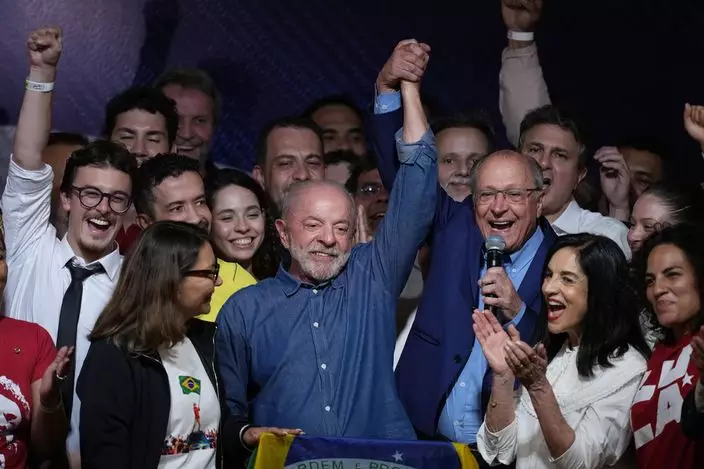
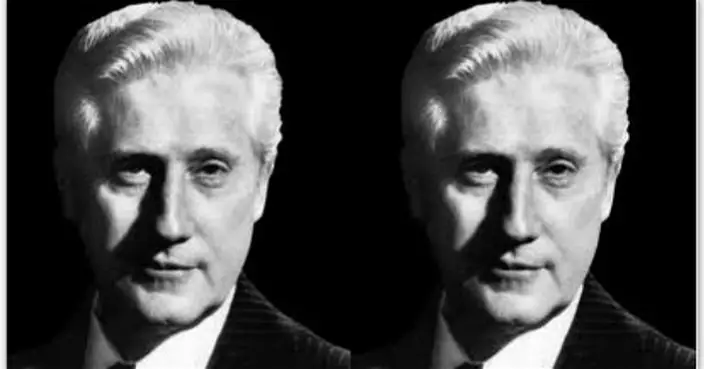
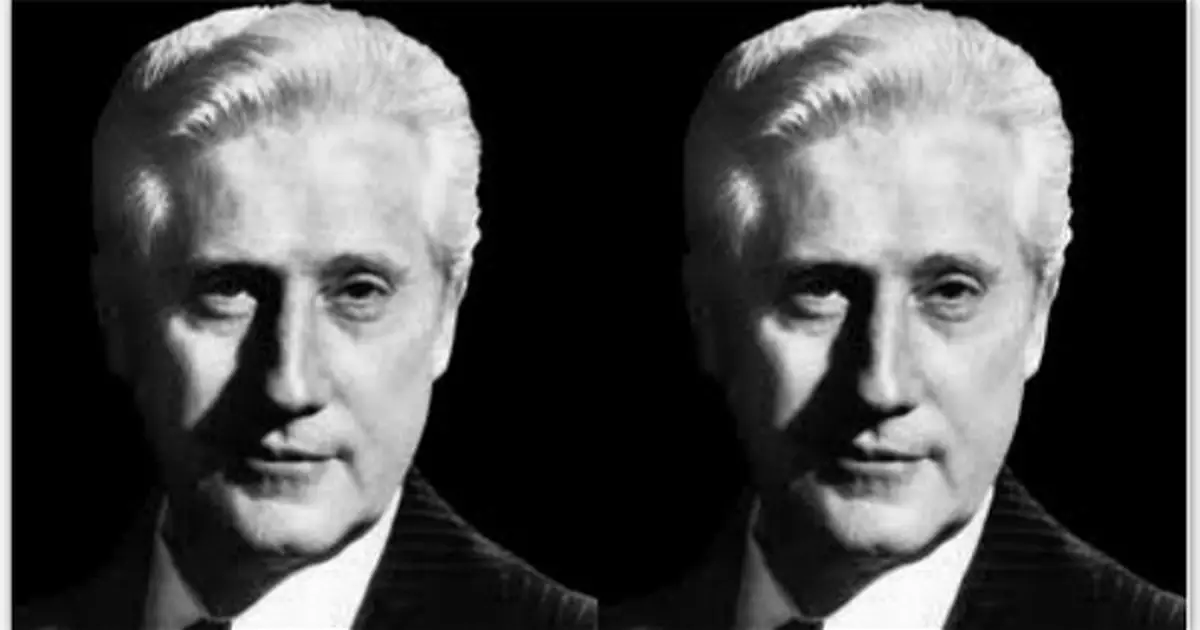
Incumbent President Lula

Incumbent President Lula

Trump Calls It Rigged
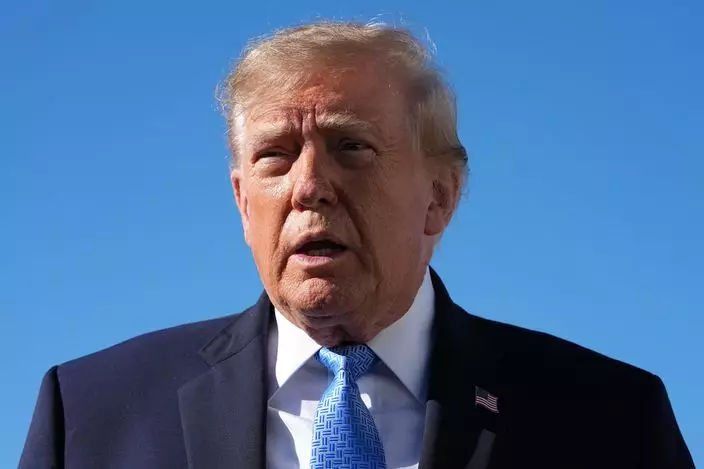
Trump was heading to Mississippi for a campaign rally on October 26 when reporters asked him about the Brazilian election results, according to Bloomberg and the U.S. outlet Axios. His verdict was blunt: "I didn't take sides, but it looked like another rigged election."

More Images
Incumbent President Lula

Incumbent President Lula

Trump: Brazil vote looks like another rigged election
Trump: Brazil vote looks like another rigged election

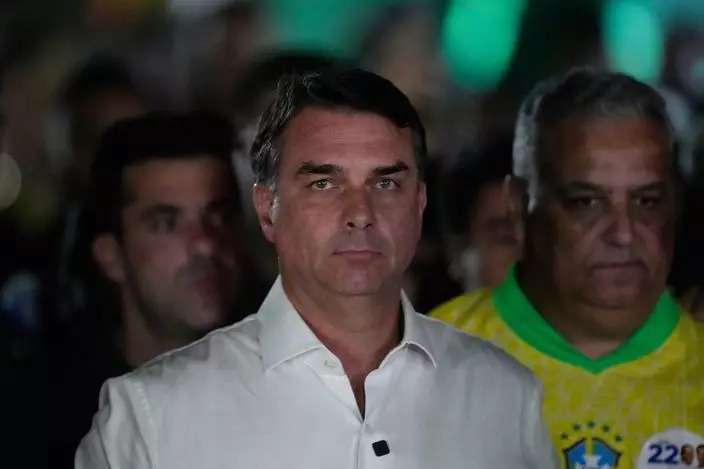
Flávio Bolsonaro, son of ex-President Jair Bolsonaro
Flávio Bolsonaro, son of ex-President Jair Bolsonaro

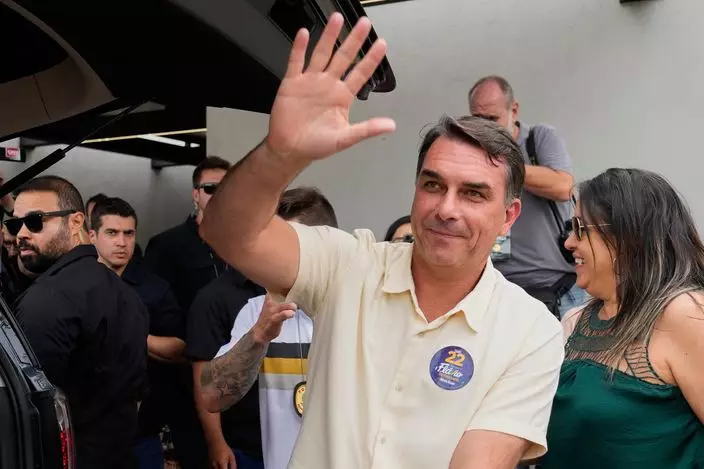
Flávio Bolsonaro initially refused to concede defeat

Flávio Bolsonaro initially refused to concede defeat

He added that "I just think it had a very bad look, the election, the way it was tabulated", and that the election results must be indisputable. Trump also took aim at Brazil's decision to extend voting hours, calling the arrangement "very strange" and voicing dissatisfaction with how the votes were counted.

Trump: Brazil vote looks like another rigged election

Trump: Brazil vote looks like another rigged election

But when reporters pressed him on whether the United States would take concrete action, Trump dodged the question. He said only that he gets along with Brazil's Luiz Inácio Lula da Silva "very well."

Bolsonaro Camp Refuses to Concede
Flávio Bolsonaro is the son of former Brazilian President Jair Bolsonaro, who kept close ties with Trump while in office. Trump once hosted Flávio Bolsonaro at the White House and publicly sang his praises.
 
Facing defeat, Flávio Bolsonaro at first refused to concede. He claimed Brazil's judicial authorities changed the rules during voting and demanded the election be declared invalid.
 
The claim spread fast. Some in the U.S. MAGA camp picked it up, forming a chorus of voices questioning the Brazilian election results.

Flávio Bolsonaro, son of ex-President Jair Bolsonaro

Flávio Bolsonaro, son of ex-President Jair Bolsonaro

Bannon Demands US Action
Steve Bannon, Trump's former chief strategist, used his "War Room" program to demand that the Trump administration cut diplomatic and trade ties with Brazil. He also pressed Trump and US Secretary of State Rubio to act.
 
Bannon went further, tying Brazil's election to the upcoming US midterm elections. If the United States does nothing, he warned, "the same thing will happen in America next Tuesday."
 
The US midterm elections are set for November 3, and Republicans are heading into them with the wind against them. Bannon's message is unmistakable: treat Brazil as a warning of what could come next.

Flávio Bolsonaro initially refused to concede defeat

Flávio Bolsonaro initially refused to concede defeat

Right-Wing Voices Pile On
The doubt is spreading through the American right. Right-wing commentator Jack Posobiec questioned Brazil's election results on X, claiming the Brazilian left is rigging the vote "in broad daylight." He then asked whether Americans think the same thing can't happen at home.
 
Conservative podcast host Benny Johnson said the numbers in Brazil's election results "simply don't add up." Florida Attorney General James Uthmeier went further, calling Brazil a "banana republic" on air.
 
Musk Joins the Doubters
Andrew Kolvet, producer of "The Charlie Kirk Show," pushed for a more direct approach. He demanded that the US government pressure Brazil behind closed doors to reject the election results. He also called on Flávio Bolsonaro's supporters to stop working and take to the streets.
 
American billionaire Elon Musk joined the doubters too. He reposted a post on X comparing the vote totals from the two rounds of Brazil's presidential election. The post argued that the number of votes Lula gained in the second round made no sense, and Musk added his own verdict: "The math doesn't add up."
 
The Math Behind the Votes
But those calculations leave out the mechanics of the runoff. They ignore the drop in abstentions, the fall in blank and invalid ballots, and the votes that flowed over from other candidates.
 
Brazilian outlet UOL checked the numbers. Of the extra valid votes in the second round, roughly 3 million came from fewer people staying home, and another 1.8 million came from fewer blank and spoiled ballots.
 
Trump and his backers also point the finger at Brazil's decision to extend voting hours. Yet reports by Folha de S.Paulo and UOL show both campaigns asked for more time that day.
 
The Lula camp wanted a nationwide extension. The Flávio Bolsonaro camp cited severe weather and asked to extend voting only in selected areas.

Reuters reports that fewer than 35,000 people actually cast ballots during the extended voting window. That is a rounding error next to Lula's lead of roughly 4.43 million votes. Neither Trump nor his supporters have produced any evidence of election fraud.
 
Bolsonaro Pivots to Litigation
After his defeat, Flávio Bolsonaro turned around and blamed the decision to extend voting hours for tainting the fairness of the election.
 
According to a Folha de S.Paulo report on the 26th, allies and lawyers talked him out of his original plan to petition directly for annulment of the results.
 
Instead, Flávio Bolsonaro now accuses the Lula camp of abusing political and economic power. He is trying to use litigation to strip Lula and Vice President Alckmin of their election wins.
 
He claims Lula used public funds to buy votes during the campaign. The problem? He has not produced material that comes close to proving it.
 
Alckmin Fires Back
Brazilian Vice President Alckmin fired back at Trump's claims. He stressed that no evidence backs them up.
 
Alckmin pointed to Brazil's electronic voting system and its legal safeguards. The outcome, he said, is decided entirely by the Brazilian people.
 
Data from Brazil's Superior Electoral Court tells its own story: Lula would have won even without the extended voting time.

Lula Vows Equal Treatment
Lula, heading into his fourth term, made one point loud and clear in his victory speech: Brazil will never accept becoming anyone's "backyard."
 
He said his government will not push Bolivia around, and it will not bow to the United States. Brazil, he pledged, will treat all countries as equals.
 
He added that from the moment the election was won, there are no longer political opponents between them.


Deep Throat

** 博客文章文責自負,不代表本公司立場 **

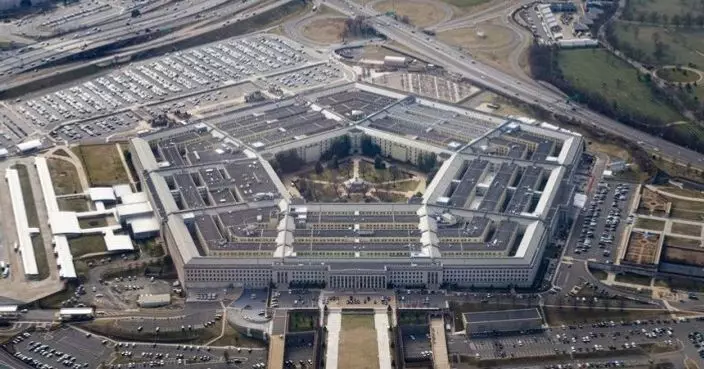
The Pentagon has a secret it has kept for months. Politico, citing informed sources, reported on October 22 that the US defense establishment has been quietly building an "elite new technology agency" to secretly disrupt and sabotage foreign technology programs seen as a threat to American military superiority.

A Secret Agency Surfaces

Yet since the agency was set up in April, Defense Secretary Pete Hegseth and senior Pentagon officials have never mentioned it in public, the sources said. The Washington Post had earlier reported, also citing leaks, that the US Department of Defense plans to build a "more powerful" deep-cover spy program to wage "economic warfare" against America's competitors.

What is the mission? A former US intelligence official who once worked closely with the secret agency said its overall goal is to buy time and keep adversaries from developing key technologies.

The Shadowy TSO

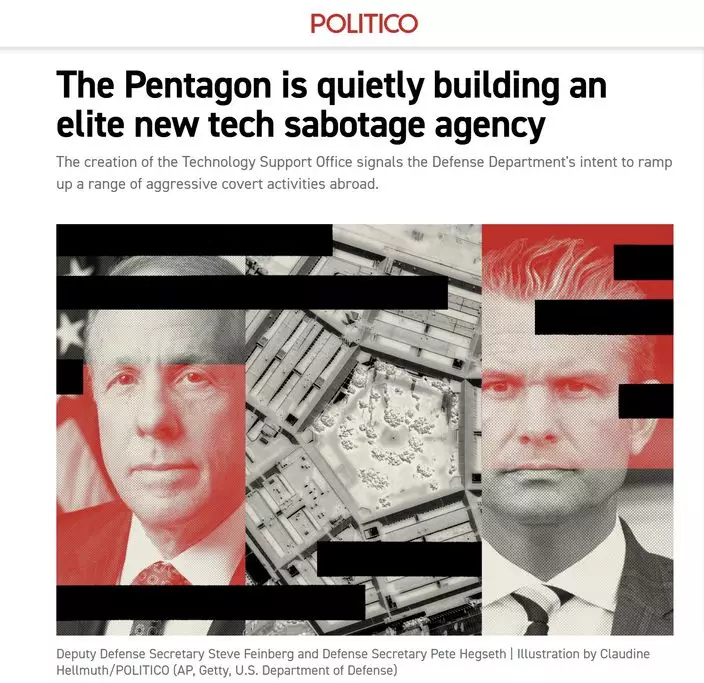
Politico broke the story under a blunt headline: "The Pentagon is quietly building an elite new tech sabotage agency." At the center of it sits a technology support office, known internally as TSO, that barely exists on paper. Scour the Pentagon's website and you will find almost nothing. The office surfaces only in a handful of previously undisclosed Defense Department records and memos, and the specifics are highly classified.

Politico: Pentagon quietly builds secret tech-sabotage agency targeting at America’s competitors.

Politico: Pentagon quietly builds secret tech-sabotage agency targeting at America’s competitors.

Yet even the insiders cannot agree on what TSO is. Politico interviewed 12 current and former US national security officials, and their grasp of the office varied widely.

Some of these anonymous sources helped create TSO or worked closely alongside it. Others sat in on briefings or discussed the matter with current Pentagon officials. A third group knows the Defense Department intelligence programs that have since been folded into TSO.

The Men Behind It

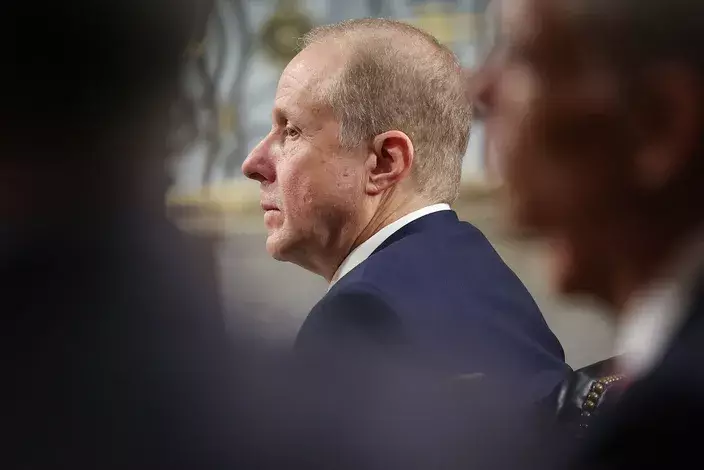
Every secret shop needs its architects. This one has two: US Deputy Defense Secretary Steve Feinberg, who drove the agency's creation, and his senior adviser Tom Rakusan, a former senior CIA official who once directed spy operations and was deeply involved in building TSO.

Deputy Defense Secretary Feinberg pushed TSO; adviser Rakusan deeply involved. 

Deputy Defense Secretary Feinberg pushed TSO; adviser Rakusan deeply involved. 

The pair built the agency by merging two classified US Department of Defense intelligence programs. Since 2023, those programs had been running similar covert technology sabotage on a smaller scale.

Standing up a dedicated agency to expand those efforts sends a clear signal: the Pentagon means to escalate a series of aggressive covert activities overseas. That could include cyberattacks, supply chain disruptions, and disinformation operations.

Sabotage by Design

Sources say America's adversaries are getting creative, exploiting artificial intelligence and advanced commercial tech, like drones, in ways that could eat away at the US military edge.

The TSO has no legal authority to run covert operations itself. But it works hand in glove with senior US military and intelligence officials, crafting strategies and building cutting-edge tools to keep critical defense technologies out of adversaries' hands.

TSO signals aggressive covert ops: cyber, sabotage, disinformation.

TSO signals aggressive covert ops: cyber, sabotage, disinformation.

Its ranks are filled with engineers, special operations personnel and intelligence officers. Their work runs the gamut, from custom-built hacking tools to deception schemes that trick adversaries into installing potentially flawed components on key weapons platforms.

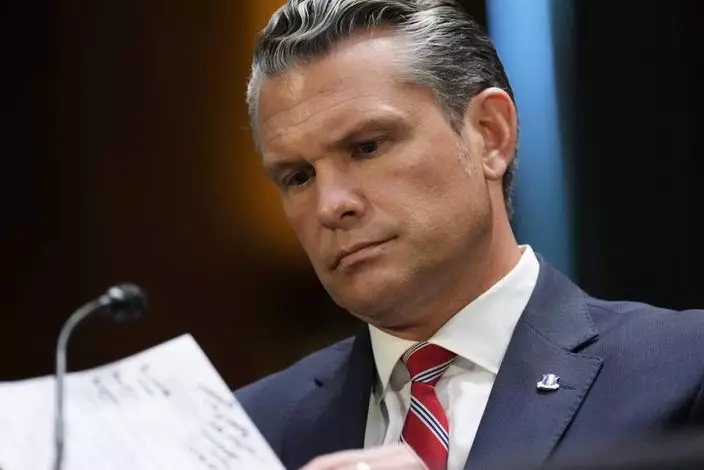
Hegseth, Pentagon officials never mentioned agency publicly.

Hegseth, Pentagon officials never mentioned agency publicly.

Blueprint From a White Paper

The blueprint took shape in early 2025. Staff at the Office of the Under Secretary of Defense for Intelligence and Security (I&S), the outfit that oversees the Defense Department's intelligence programs, began drafting a white paper on how to expand the Pentagon's two existing classified technology disruption programs, according to three former intelligence officials.

The white paper was finished that fall. It weighed folding both programs into US Cyber Command, the Pentagon's digital warfare arm. In the end, it recommended something bolder: merging the two efforts into a new agency with its own budget and procurement authority.

That shift would hand the new agency far more muscle. It could pull cutting-edge technology out of the private sector faster. It could also think more strategically about which foreign defense technologies pose the greatest threat to US military organizations.

Spies Posing as Businessmen

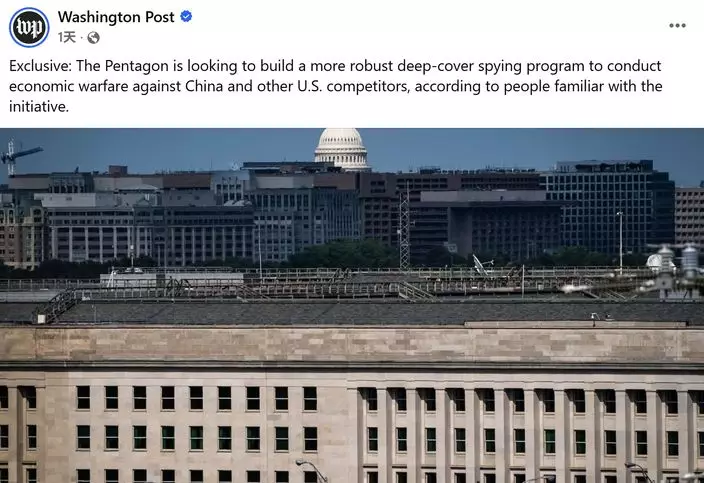
In a telling coincidence, The Washington Post reported the same Wednesday (the 21st) that the Pentagon is seeking to set up a "deep-cover spying program" aimed at US competitors. The program would form part of a broader economic strategy.

Washington Post: Pentagon seeks deep-cover spy program.

Washington Post: Pentagon seeks deep-cover spy program.

The Post cited six people who know about the new plan, that US intelligence personnel known as "non-official cover" (NOC) operatives would pose as businesspeople or other private-sector staff, without disclosing their ties to the government.

The project is overseen by a former senior CIA official who now serves as a senior adviser to US Deputy Secretary of Defense Feinberg. That lines up closely with what Politico reported.

The risks are unusually high. Operating under non-official cover means these personnel cannot work at US embassies or other US government agencies, and if detained, they get no diplomatic immunity.

The program could also raise questions about legal authority and potential overlap with CIA intelligence operations, the report said.

The Pentagon pushed back. A deputy press secretary flatly rejected the reports, saying the story "appears to be built on information that is simply not true".

Recommended Articles