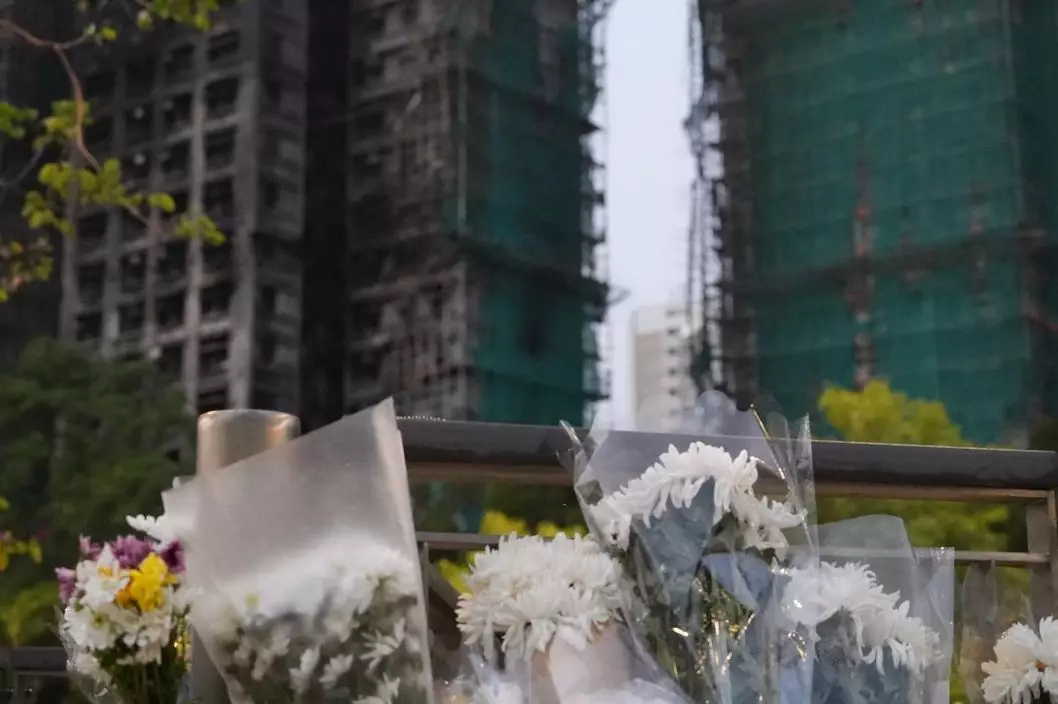
The Independent Committee on the Wang Fuk Court fire has published its report, summarising the responsibilities of various government departments in the incident and stating that multiple government departments should bear partial responsibility for the heavy casualties.
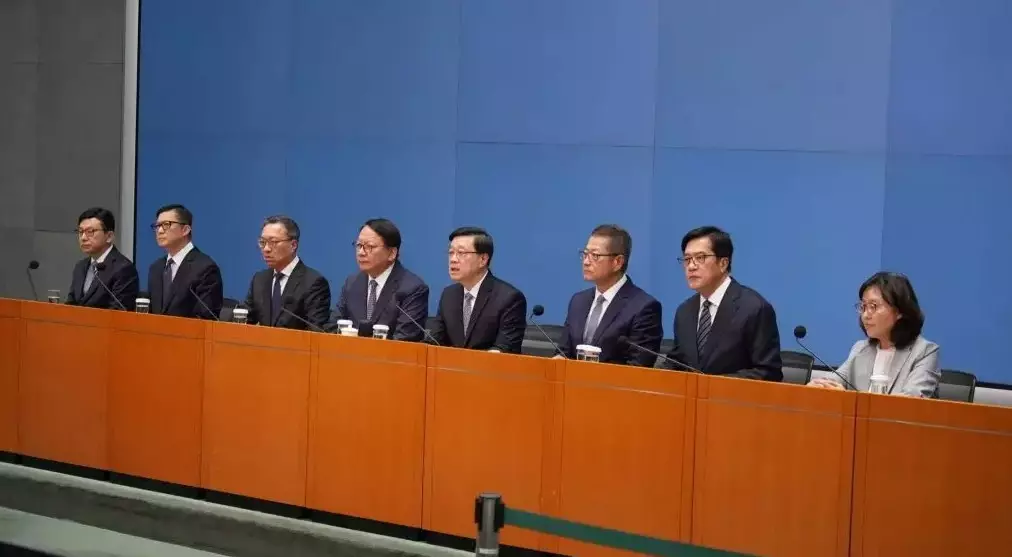
Government held a press conference on the report of the Independent Committee on the Tai Po Wang Fuk Court fire. Photo by Bastille Post
The committee found that the systemic failures exposed by the fire resulted from a combination of factors. The primary and most critical cause was a general lack of crisis awareness among the responsible departments, which had simply not recognised that a catastrophic fire of this scale could occur on a building's external walls in Hong Kong. The committee stressed that, given that similar fire incidents in the past had led to major blazes and heavy casualties, it was deeply regrettable that the departments concerned had failed to foresee a risk that was highly foreseeable.
Click to Gallery
Government held a press conference on the report of the Independent Committee on the Tai Po Wang Fuk Court fire. Photo by Bastille Post
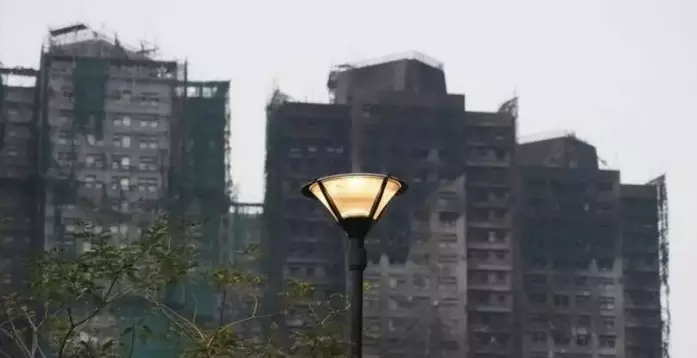
The Wang Fuk Court. Photo by Bastille Post
The Buildings Department. Photo source: reference image
The Housing Bureau. Photo source: reference image
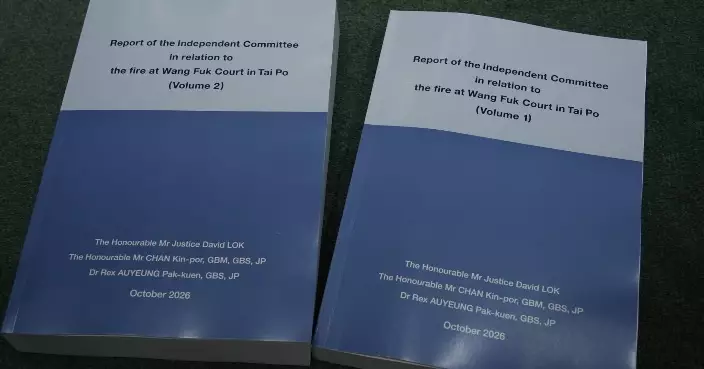
The report submitted by the Independent Committee in relation to the fire at Wang Fuk Court in Tai Po. Photo by Bastille Post
The report further pointed out that there were numerous loopholes in the existing regulatory regime. For example, although smoking posed an extremely obvious fire risk, there had previously been no specific legislation prohibiting smoking on construction sites. At the same time, under the building works regulatory system, building maintenance works were classified only as minor works, and authorities’ supervision over the construction process and works safety was extremely limited, or even absent. In addition, for the "temporary" construction materials commonly used in building maintenance works, including foam boards and toe-boards, there was little regulation or control over material safety, and no fire-retardancy standards had been stipulated; even where standards existed for certain materials such as scaffolding nets, there was no effective system to enforce supervision.
The third factor cited in the report was that the responsible departments had failed to properly prioritise their work in light of the high and obvious fire risks associated with building maintenance works, a failure that also stemmed to some extent from a lack of crisis awareness. Officers with supervisory duties should have learned from the painful lessons of similar fires in the past, yet at the time of the Tai Po incident they had failed to recognise the severity of the relevant risks and dangers, which was equally regrettable.
The Wang Fuk Court. Photo by Bastille Post
At the same time, in most of the regulatory systems involved, the government had tended to rely solely on an "Integrity System," that is, simply trusting building professionals, registered contractors, registered fire service installation contractors and property management companies to discharge their duties. The report considered that while such a mechanism might work in some professional fields, there were now strong indications that persons with dubious or triad backgrounds were highly active in the building maintenance and repair industry. Given the probable presence of black sheep in the industry, it was regrettable that the government had exercised no control or supervision over the actual execution of building maintenance works.
The report also noted that the Buildings Department (BD) and the Independent Checking Unit of the Housing Bureau were the two main departments responsible for supervising the works at Wang Fuk Court, but both had failed to properly discharge their supervisory duties in ensuring works safety. After comparing the responsibilities of the two, the committee considered that, since the failings of the Independent Checking Unit spanned both policy and operational levels, it should bear greater responsibility.
The Buildings Department. Photo source: reference image
The Housing Bureau. Photo source: reference image
The committee criticised the lax enforcement attitude of the Independent Checking Unit. The report noted that the failings of the Buildings Department and the Independent Checking Unit stemmed from multiple deficiencies, including a lack of crisis awareness, regulatory omissions, systemic blind spots and ineffective enforcement.
The report submitted by the Independent Committee in relation to the fire at Wang Fuk Court in Tai Po. Photo by Bastille Post
The report concluded that the incident fully reflected a "just-following-the-books" working attitude within the government, which had failed to take into account the well-being of the public. Throughout the Tai Po fire tragedy, the approaches of multiple government departments in dealing with the relevant complaints further deepened the public’s entrenched impression of such a passive working attitude in the public sector.