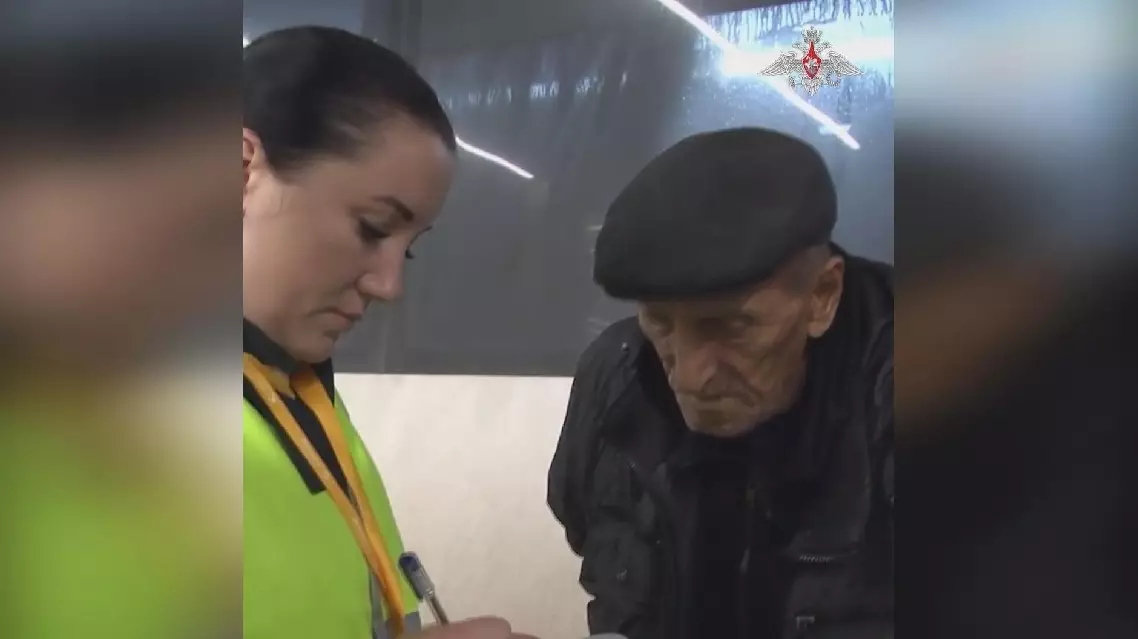
Russia and Ukraine have agreed to organize regular humanitarian missions in Oleshky, a town in the Kherson region, following the completion of a joint humanitarian operation, Russian Human Rights Commissioner Yana Lantratova said Saturday.
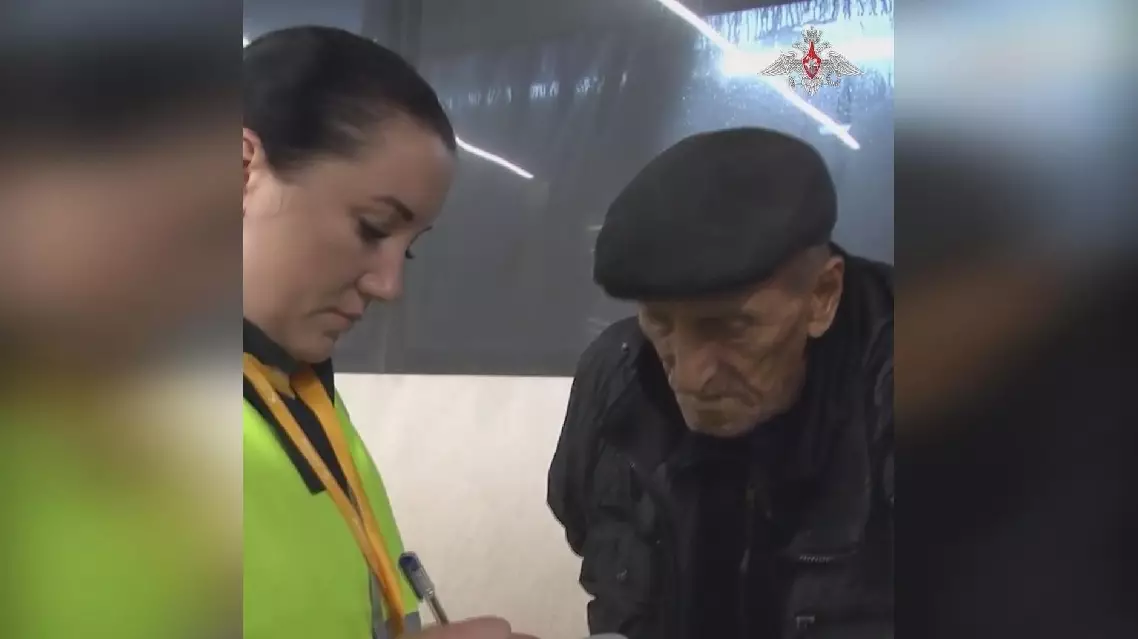
The mission was the result of months of negotiations and joint efforts to help residents in need, Lantratova said in a social media post, sharing footage of humanitarian assistance being delivered to local people.
Although the mission was completed, living conditions in Oleshky remained extremely difficult, she said, calling arrangements for regular humanitarian missions "an important step forward."
Lantratova said that joint efforts would continue with Dmytro Lubinets, Ukraine's parliamentary commissioner for human rights, to provide assistance.
"We will spare no effort to support the residents who have chosen to stay," Lantratova said.
Oleshky, located on the left bank of the Dnieper River, is facing a humanitarian crisis, with shortages of food, medicines and other essential supplies amid continuous fighting.
On Oct. 23, Russia and Ukraine agreed to a temporary ceasefire in the area to facilitate aid deliveries and civilian evacuations. The ceasefire is scheduled to remain in effect until 22:59 Moscow time (1959 GMT) Sunday.
Russia, Ukraine agree to hold regular humanitarian missions
Russia, Ukraine agree to hold regular humanitarian missions
Referees at the first China Media Group (CMG) World Robot Mount Tai Climbing Competition have drawn up new rules to track the robot athletes as they climb the iconic peak in Tai'an City, east China's Shandong Province.
The competition will officially take place on Nov 2 when robot athletes will race along a challenging 3.9-kilometer course with some 3,100 steps on Mount Tai. The event provides a high-standard and real-world testing platform for the technological advancement and practical application of specialized mountain robots.
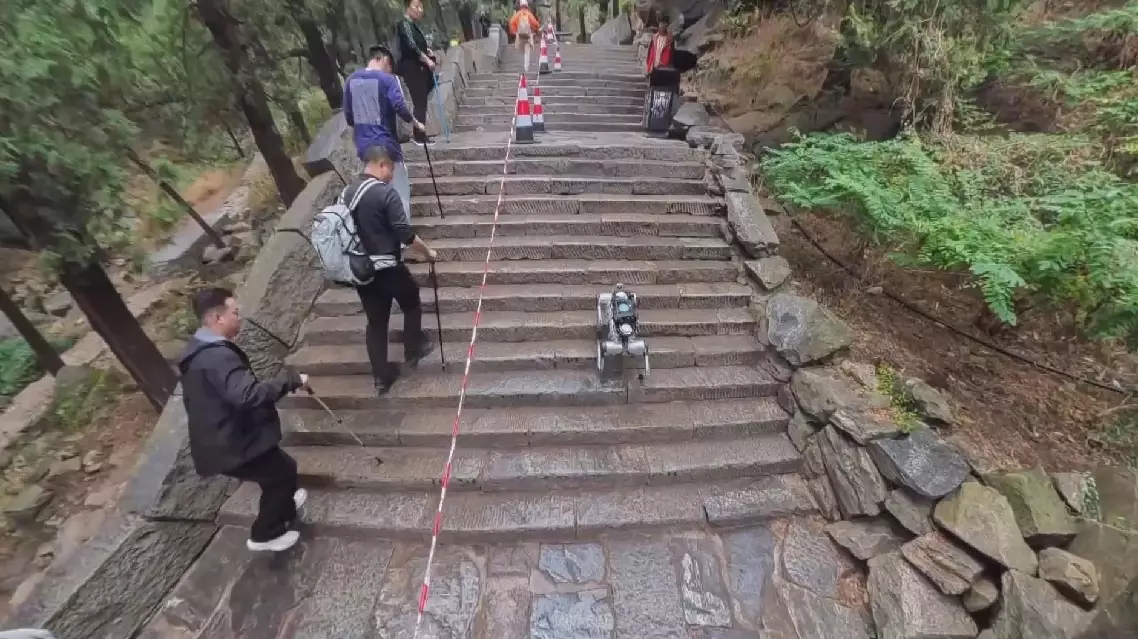
Before the main event, CMG held a qualifier on Monday, featuring four events -- legged robot racing, legged robot load-bearing, all-terrain scouting, and humanoid robot racing -- all starting from Hongmen Square at Mount Tai, with different landmarks on the mountain set as finish lines for different events.
The course consists mainly of continuous stone steps, slopes, and curves, putting the robots' perception and decision-making, balance control, and endurance to the test.
The qualifier produced an amusing scene: the referees couldn't keep up with the robots.
"Robots run on electricity, while we run on food. A robot can simply swap its battery and keep accelerating its pace, but our physical stamina has limits," said Su Qingwei, chief referee of the event's final.
Su said the organizing committee had initially planned to assign a referee to follow each robot during competition, but the plan proved unrealistic.
"We realized this was very challenging, so we've switched to a checkpoint-based format. We'll position referees at specific checkpoints to record the robots' performance," said Su.
To keep things running smoothly, Su suggested that when a robot approaches, a referee can step forward to meet it, then follow along for a short stretch.
Su said a referee will be placed at every turn, because as the distance shortens and the altitude rises, the terrain creates obstructions that block the referees' view.
Based on what they observed during the qualifier, there were very few rule violations along the course, which actually makes things easier for the referees.
According to Su, each referee will likely be responsible for a section of about 50 to 60 meters, though that is not yet final. In flat areas with good visibility, the distance could be a bit longer; but in areas like turns where the view is obstructed, that wouldn't work, so referees must be positioned where they remain within each other's line of sight.
Su said the change in officiating format would help ensure the competition's successful completion.
"Switching to a 'fixed-checkpoint' format represents a significant improvement for our refereeing operations. Compared to following robots along, it is less physically demanding, and because each referee is assigned to a specific, clearly defined location, their responsibilities are more explicit, which ultimately helps ensure the successful completion of the competition," Su said.
Referees at robot mountain climbing competition rethink rules to keep up with competitors