Nearly 100,000 migratory waterbirds are arriving to spend the winter at the warmer Shenzhen Bay in south China's Guangdong Province, bringing a seasonal display of wildlife to the city.
Situated on the East Asian-Australasian Flyway, the Shenzhen Bay is an important stopover for migratory birds traveling between their breeding and wintering grounds.
From October each year, tens of thousands of waterbirds arrive to rest and feed, with many staying through the winter before heading north again in April.
The bay is also an important habitat for the black-faced spoonbill, a globally endangered species.
A global census on the black-faced spoonbill in 2026 has recorded 341 at the bay, accounting for 4.4 percent of the world's total population. Their presence has made the rare bird a favorite subject for local birdwatchers and photographers.
"Here you can see animals under the national first-class protection just about anywhere. The environment is getting better and better, and now migratory birds are becoming more and more abundant. Shenzhen is an incredible city where you can see so many birds right in the middle of a metropolis," said one photographer at the bay.
"With freshwater flowing in from inland areas, there are plenty of fish here, making it an ideal place for birds to feed," said another.
The city has also taken steps to protect the birds' food supply and habitat, as fishing and harvesting are strictly prohibited in the waters east of the Shenzhen Bay Bridge.
At the Futian mangrove nature reserve, a 24-hour smart monitoring system uses AI to identify and count bird species without disturbing them.
The benefits of habitat restoration are also becoming visible. Black-faced spoonbills, once seen mainly passing through the area, are increasingly staying overnight.
Nighttime monitoring cameras have recorded more than 130 roosting at the reserve.
Shenzhen's conservation efforts extend beyond protecting the feeding and resting grounds. The city has built China's first sound barrier designed specifically for migratory birds and reduced lighting along parts of the coastline to minimize disturbance.
A set of new regulations on mangrove wetland protection in the the city's special economic zone took effect in early November, making it the first city in China to incorporate the practice of switching off lights to protect birds into local legislation.
For these returning winter visitors, the city's welcome is reflected not only in the food and shelter it provides, but also in the steps it takes to make their stay safer.
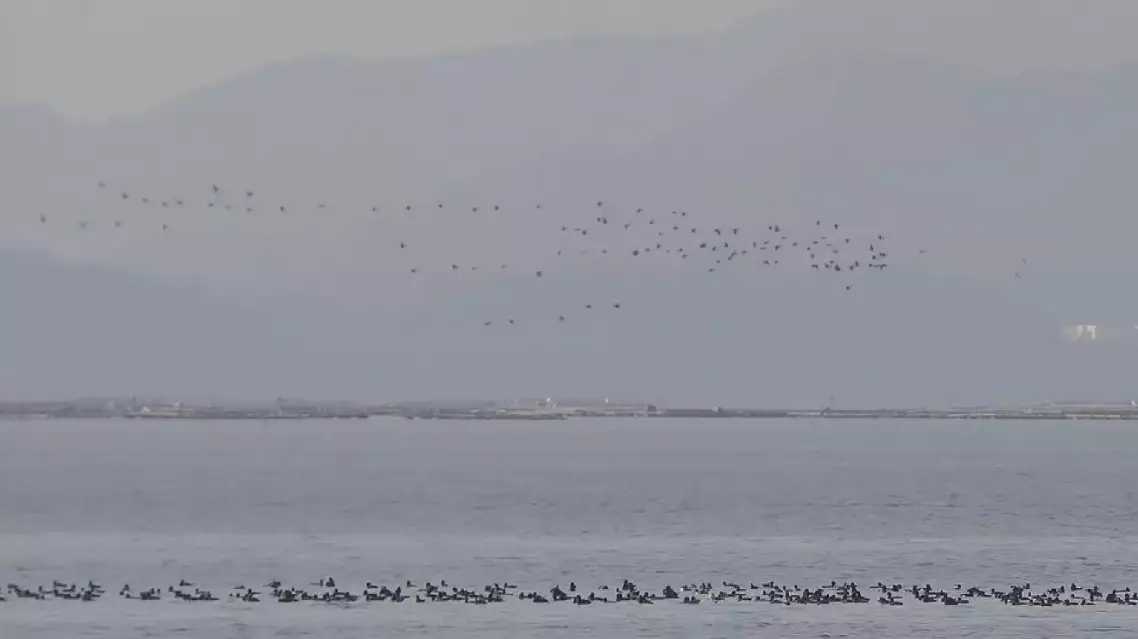
Shenzhen welcomes migratory birds