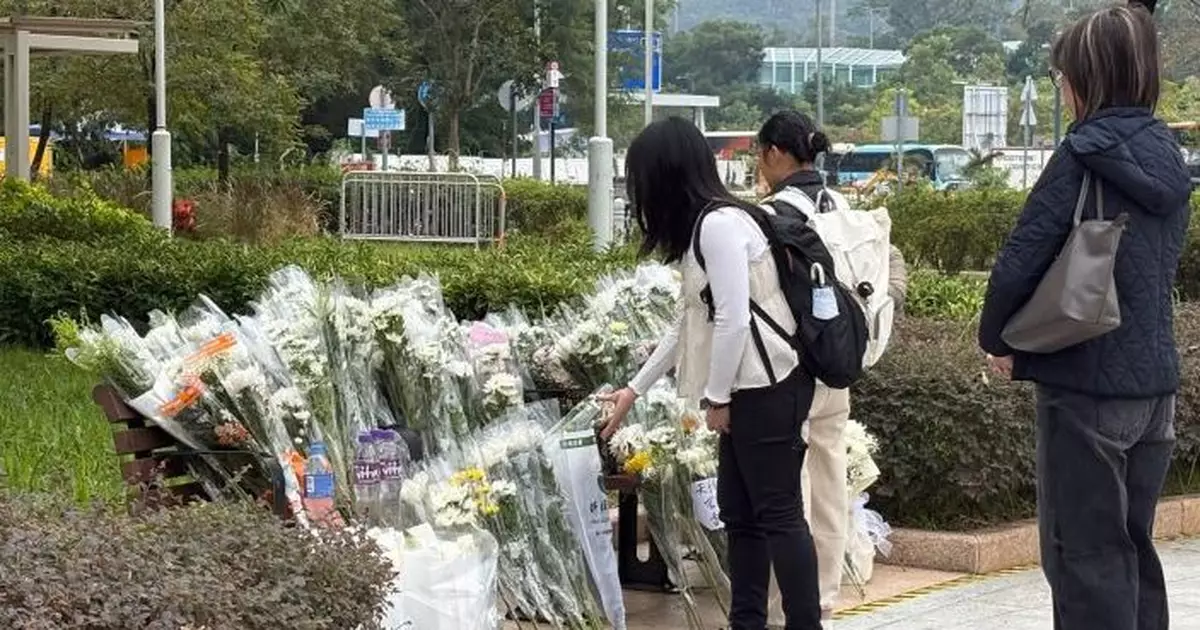
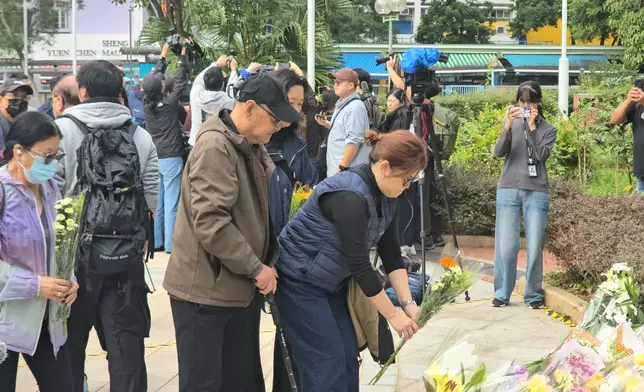
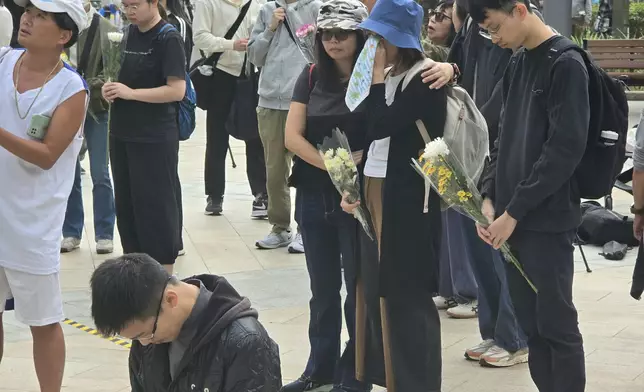
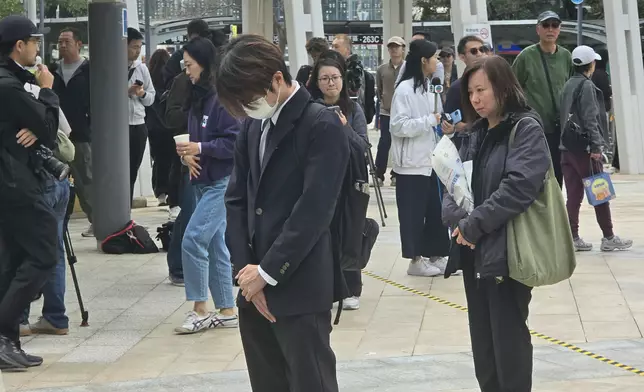
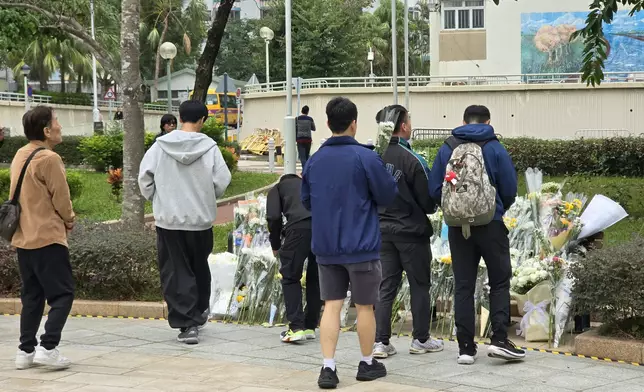
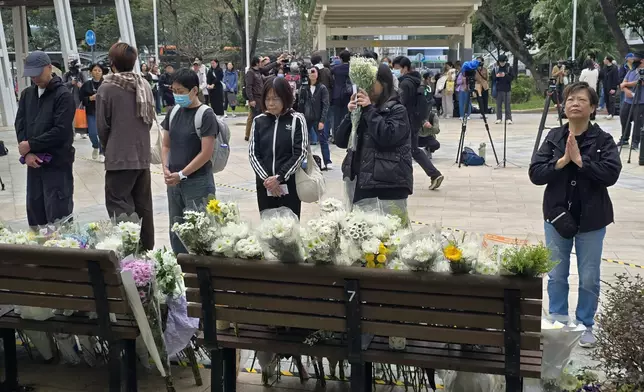
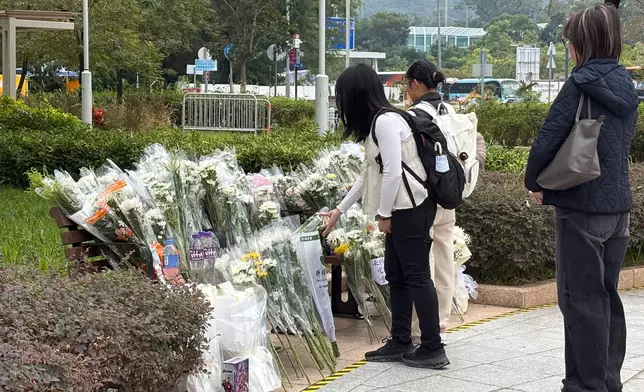
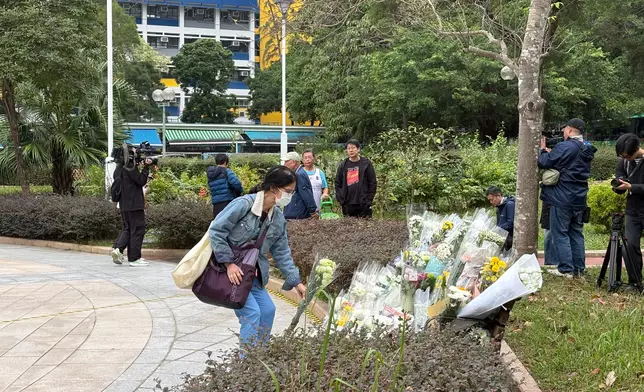
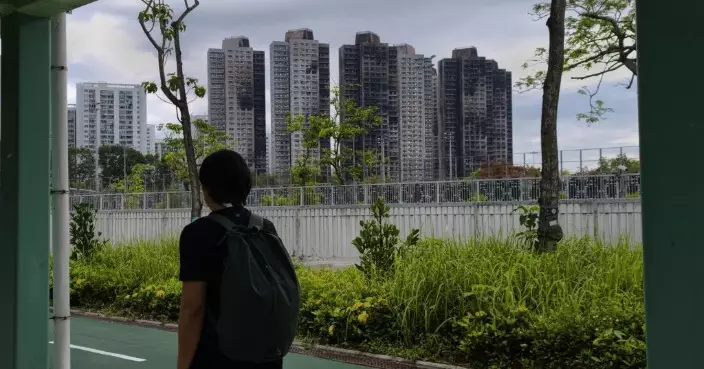
Members of the public observed a moment of silence and laid flowers at an open space next to Kwong Fuk Community Hall in Tai Po to remember victims of the Wang Fuk Court fire, one year after the blaze. White blooms were placed on benches, while paper cranes were also left as tokens of remembrance.
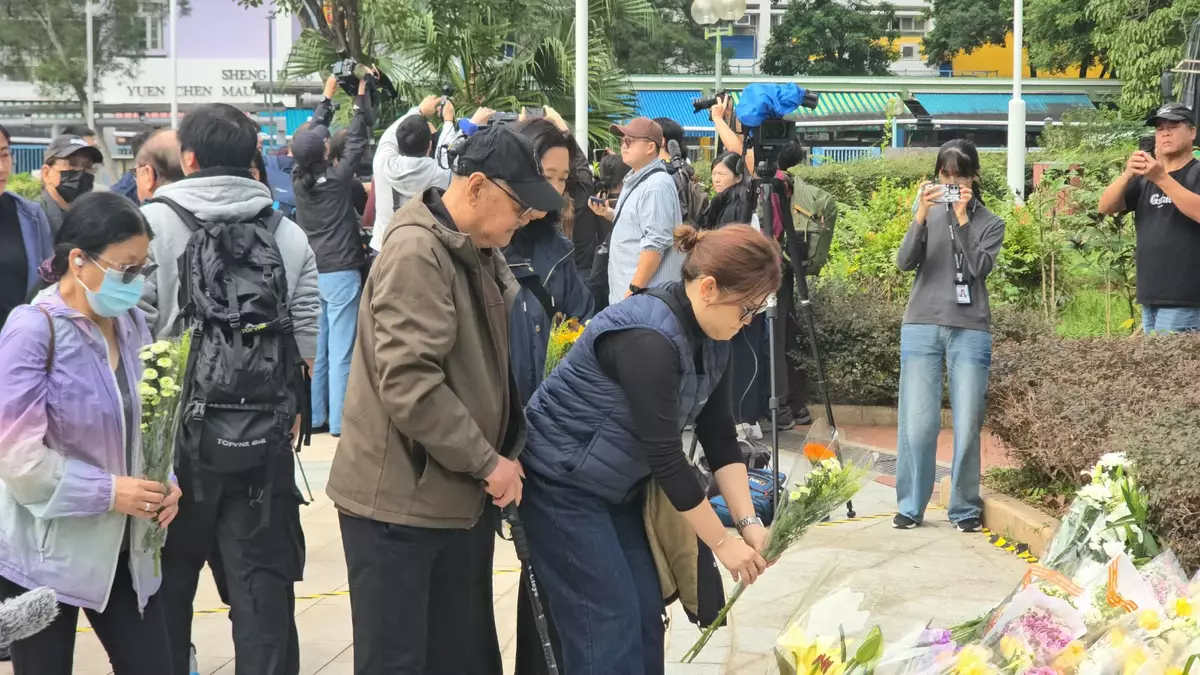
Photo by Bastille Post
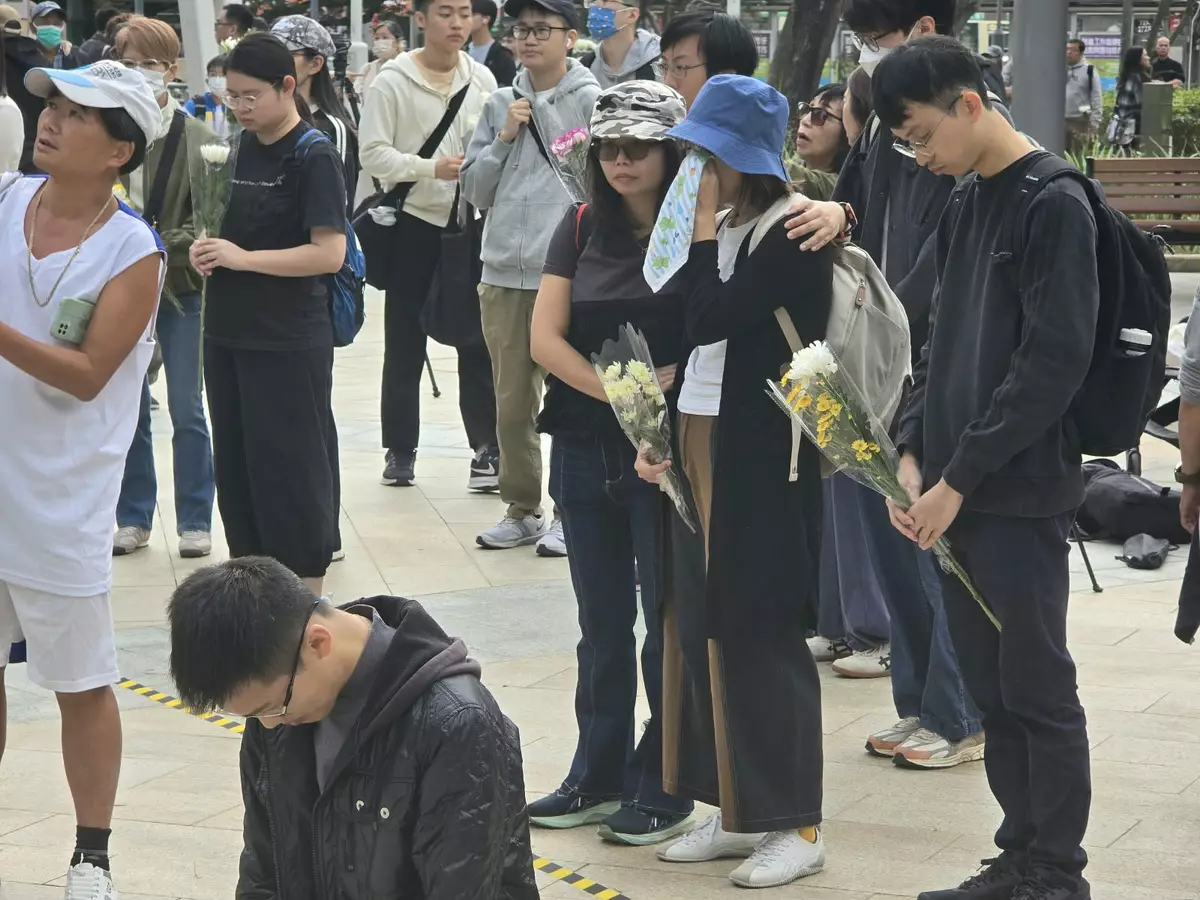
Photo by Bastille Post
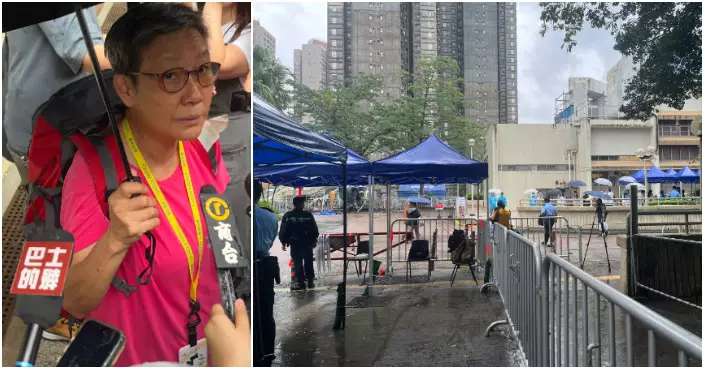
A resident of Wang Tai House said she had lost acquaintances and friends in the fire. She came back on the first anniversary to pay her respects. Another resident, who attended with her domestic helper, thanked Hong Kong people for supporting Wang Fuk Court residents. She described the past year as “difficult,” having moved three times, before eventually settling back in Tai Po.
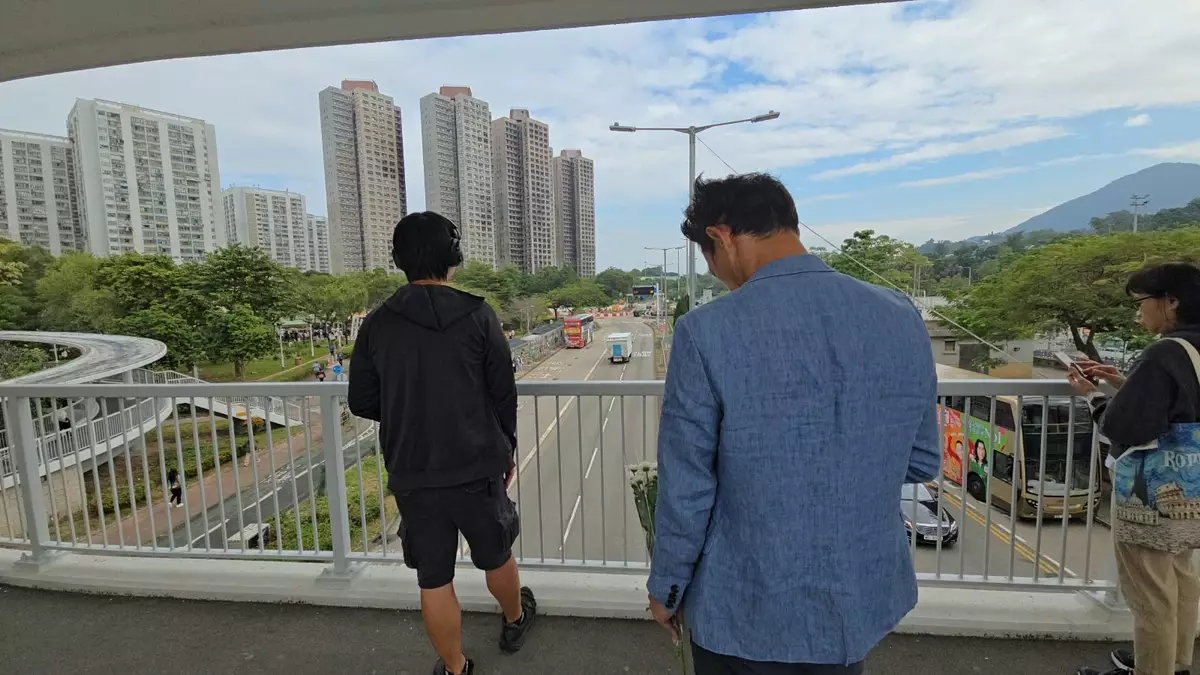
Photo by Bastille Post
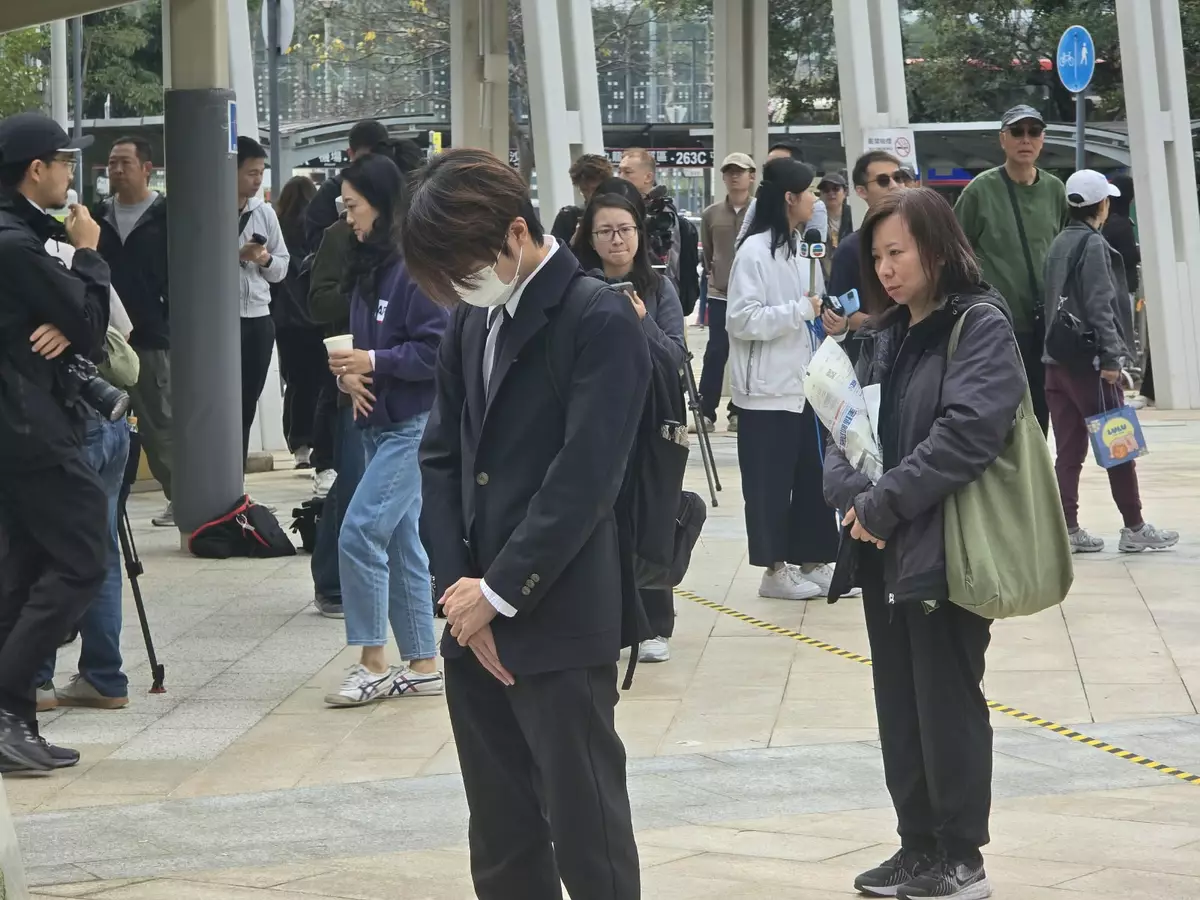
Photo by Bastille Post
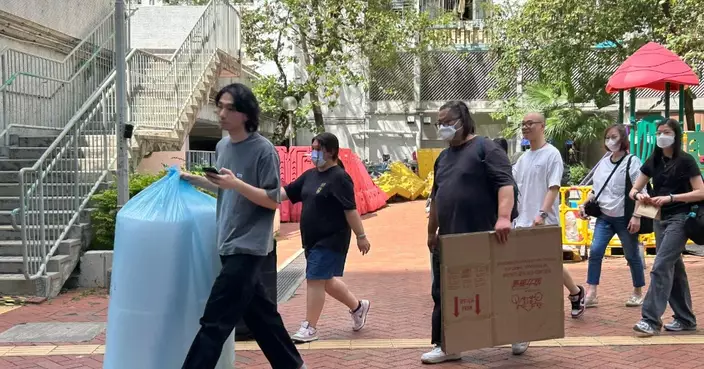
Some residents brought flowers to honour the victims. They said both Wang Fuk Court residents and bereaved families had endured a gruelling year, and hoped they would find strength to live the lives they wished for. Others came to commemorate those who perished in the fire. They recalled the harrowing scenes of that day and hoped affected residents could secure stable homes and start anew.
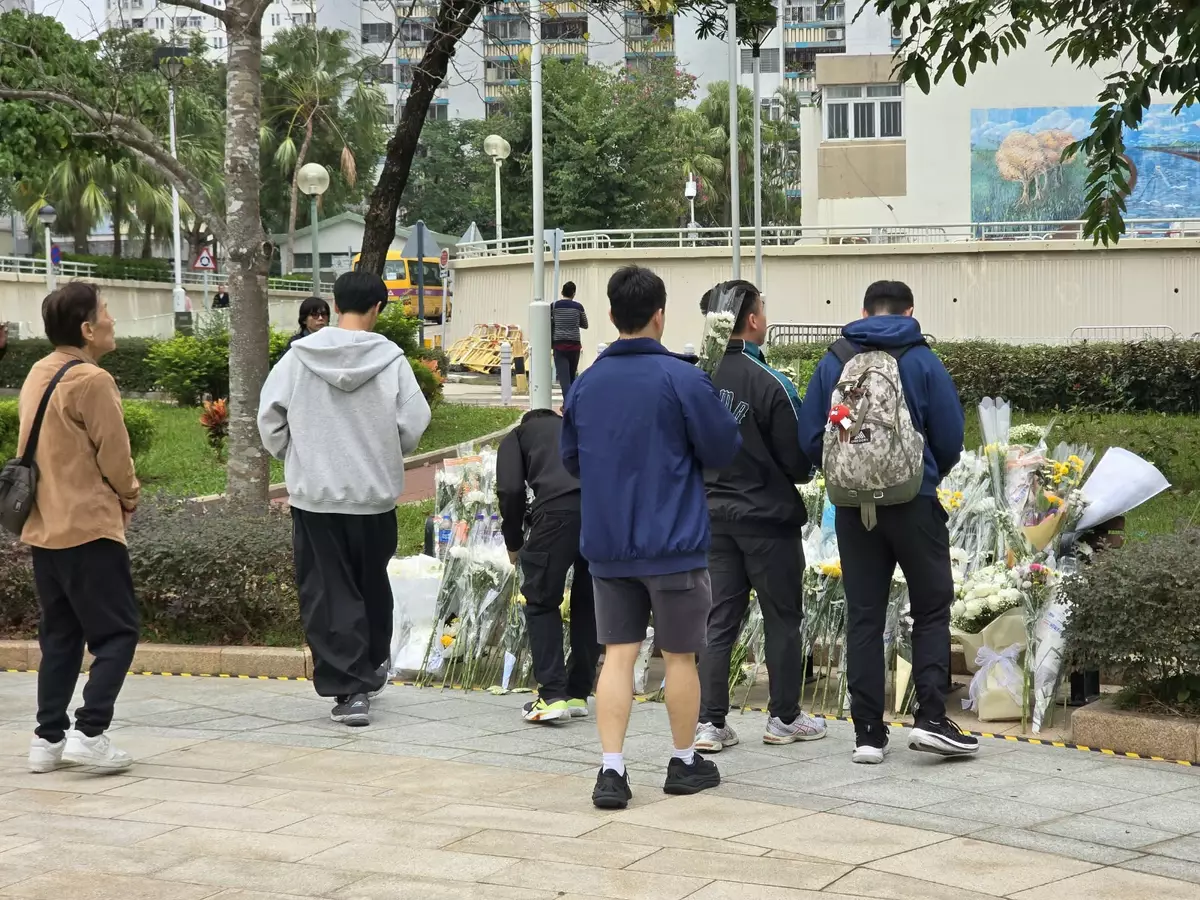
Photo by Bastille Post
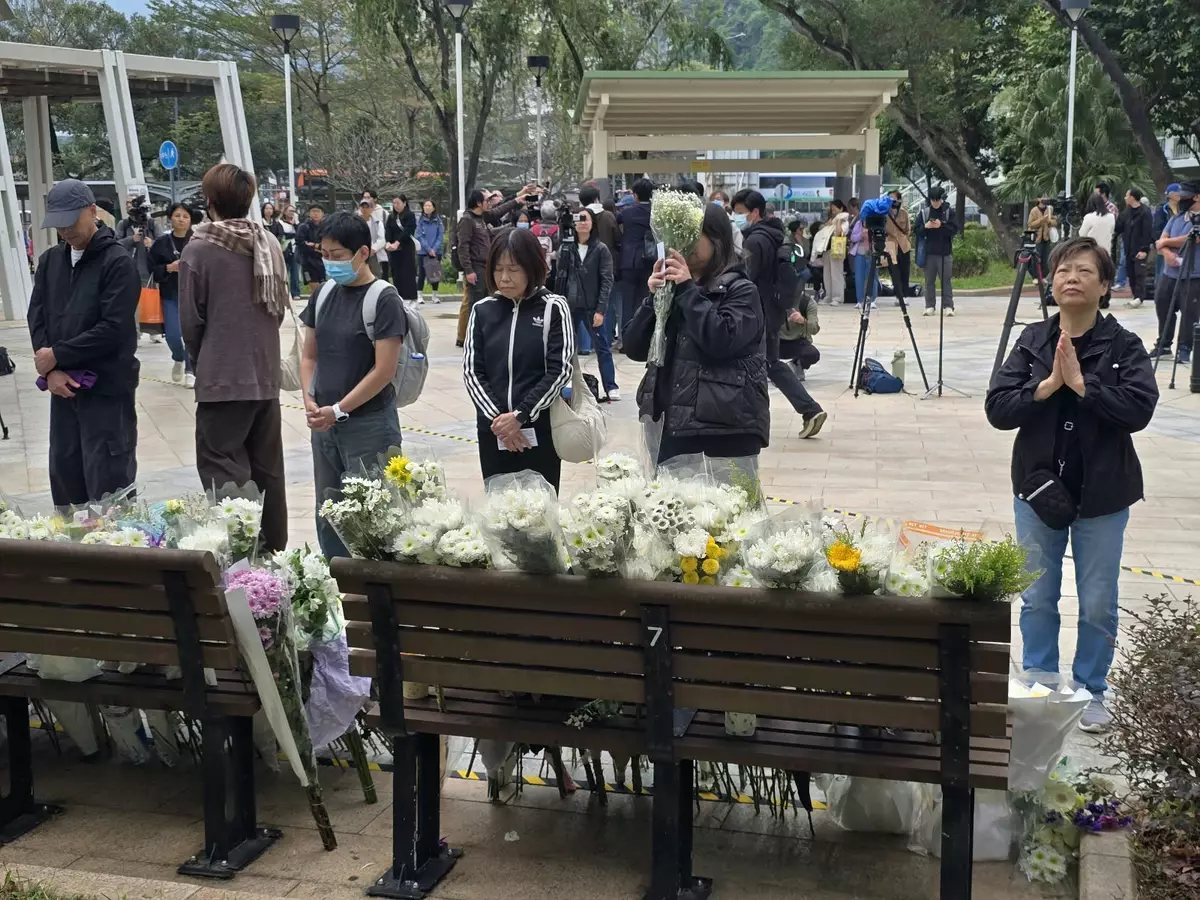
Photo by Bastille Post
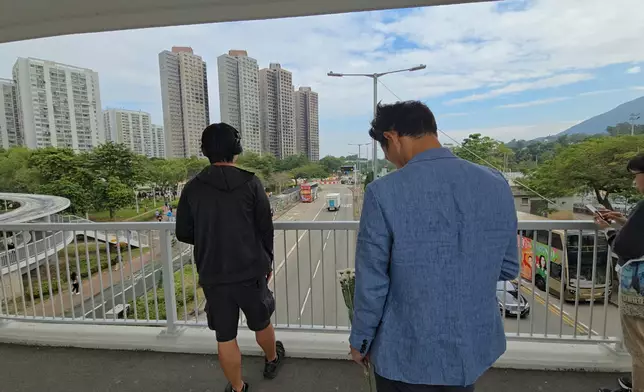
Secondary school students living in Tai Po came together, spending HK$60 on two bunches of flowers for the tribute. They said they were deeply saddened by the fire and hoped to keep the incident in mind, cherishing every moment in life.
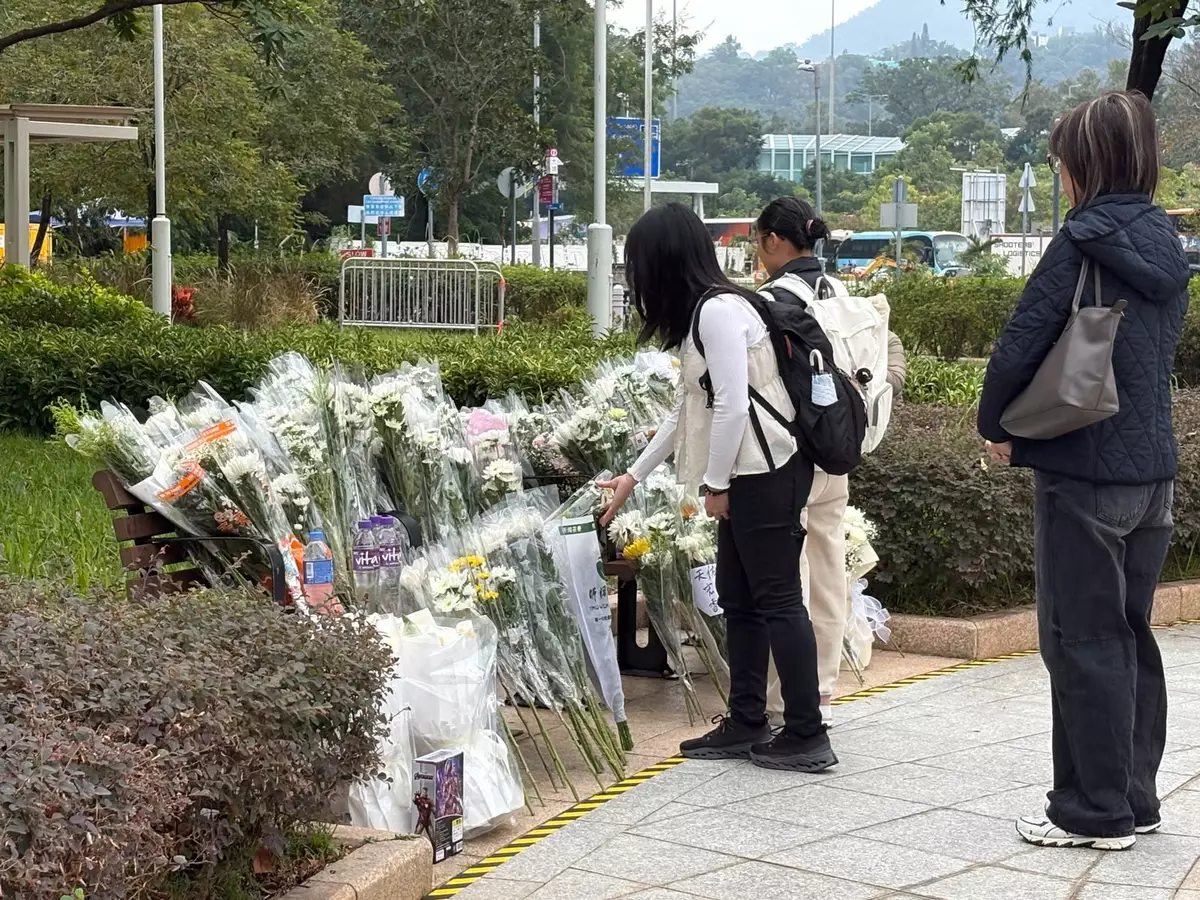
Photo by Bastille Post
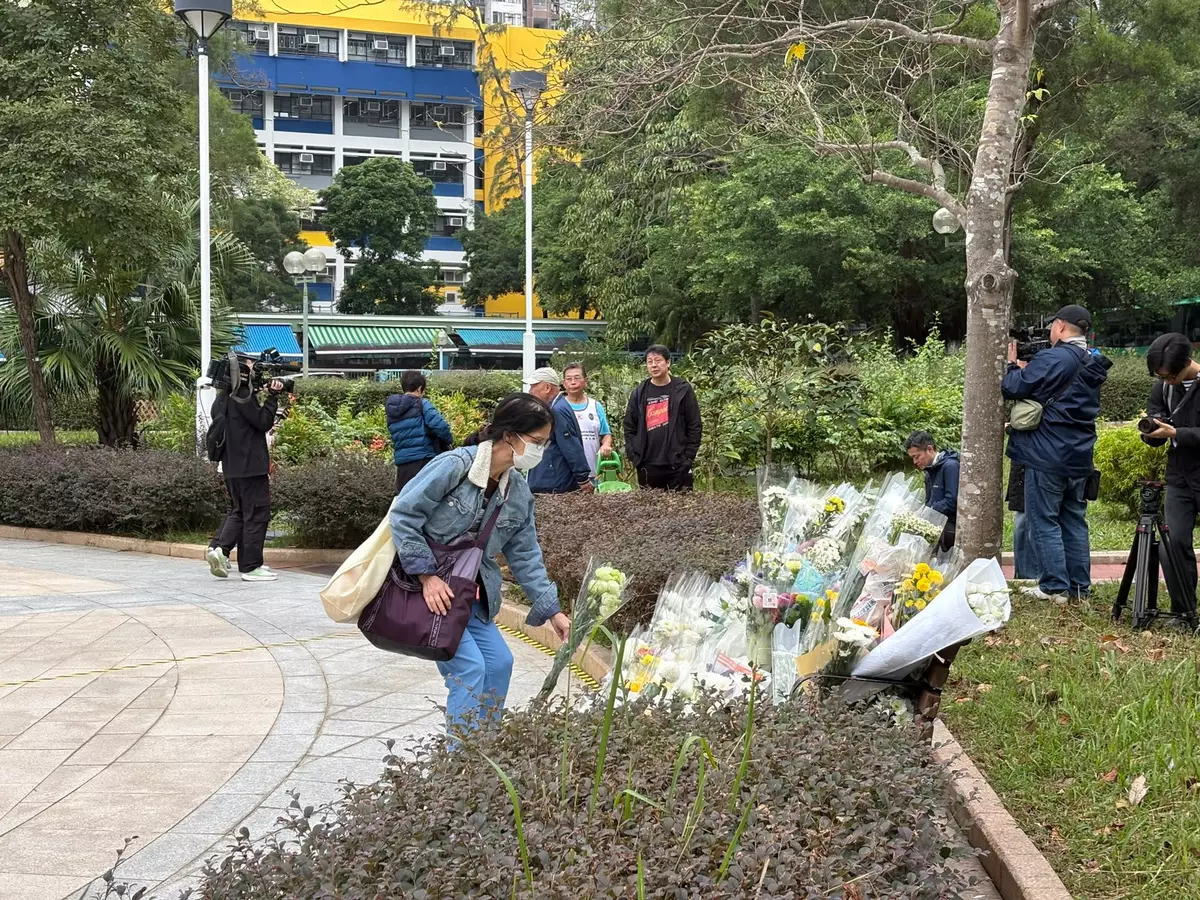
Photo by Bastille Post
In its report, the Independent Committee on the Wang Fuk Court fire has put forward a series of immediate recommendations within the terms of reference of the various government departments. After analysis, the committee determined that the rapid spread of the fire at Wang Fuk Court was critically due to the use of combustible materials in temporary works, which created a continuous vertical fuel source. Evidence also showed that highly flammable foam boards were a key factor enabling the fire to spread between different units.

The committee suggested that the use of combustible materials, such as foam boards, on windows and external walls must be immediately prohibited. Photo source: reference image
In view of this, the committee has made multiple immediate recommendations. First, the use of combustible temporary materials, including foam boards, non-fire-retardant safety nets and plastic canvasses, must be immediately prohibited in light wells or related adjacent areas. Second, the storage of flammable temporary materials, wooden boards, or construction scaffolding materials above ground-floor exits must be immediately prohibited. In addition, the use of combustible materials, such as foam boards, on windows and external walls must be immediately prohibited.
The report also recommends an immediate prohibition on the creation of access openings in staircases and lift lobbies. If such openings cannot be avoided, then in accordance with the Buildings Department's circular letter of March this year, any opening in an escape staircase must be protected by a temporary fire barrier, and that barrier must have fire resistance performance equivalent to that of the original fire barrier. Meanwhile, all windows along escape routes must be fitted with fire-rated glass or fire-resistant glass meeting specified standards.
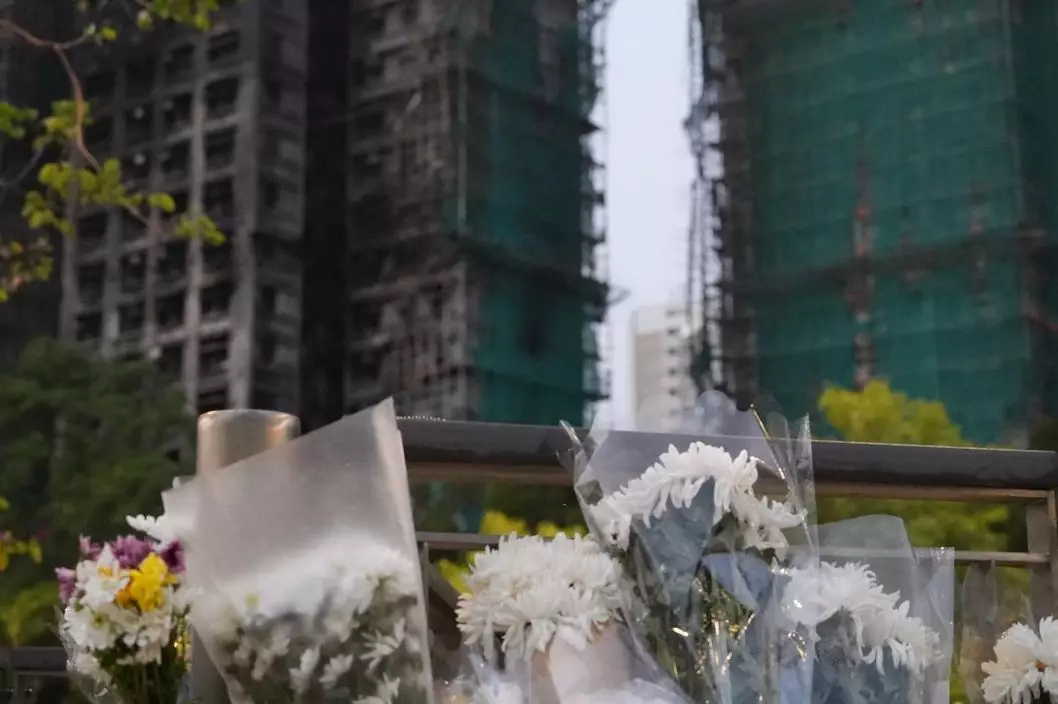
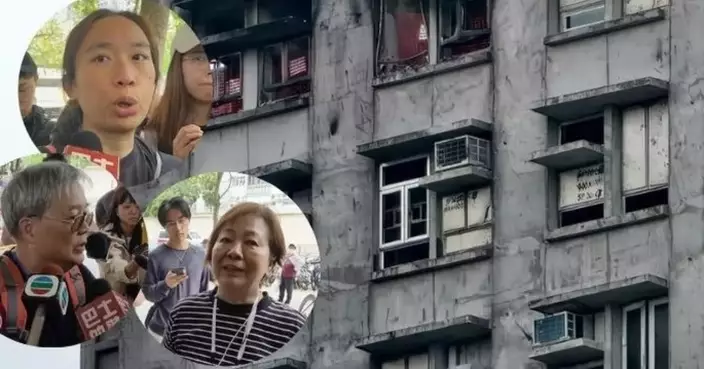
Wang Fuk Court. Photo source: reference image
The committee also noted that some older buildings retain staircase windows with upper sections that can be opened for ventilation, while lift lobbies also have openable windows. The committee recommends that, where the Government identifies similar designs, temporary warnings should be issued to ensure that these windows are kept closed; in the longer term, a review should be conducted to determine whether such designs should be replaced by sealed fire-rated windows.
In addition, the report recommends that, for large-scale maintenance involving more than one building, all external wall repairs must be carried out in phases.