In her new book, Regina Ip , Convenor of Hong Kong’s Executive Council, brilliantly called out the British government's BNO scheme five years ago all talk, no substance, pure hypocrisy. Well, guess what? The Canadian government is playing exactly the same game.
They put on quite the show back in the day, didn't they? All that fanfare about launching a "lifeboat" for Hong Kong people, complete with righteous speeches about standing up for democracy and human rights. Fast forward to today, and they're processing permanent residency applications at a snail's pace, clearly hoping most applicants will just give up and leave. The hypocrisy is staggering, honestly.
But here's the kicker – Canadian authorities have now told Hong Kong people waiting in the queue that they can simply return to Hong Kong while waiting for their applications to be processed. You don't need to stick around Canada, they're saying. Just head home and we'll let you know when we're ready for you. How generous of them, right?
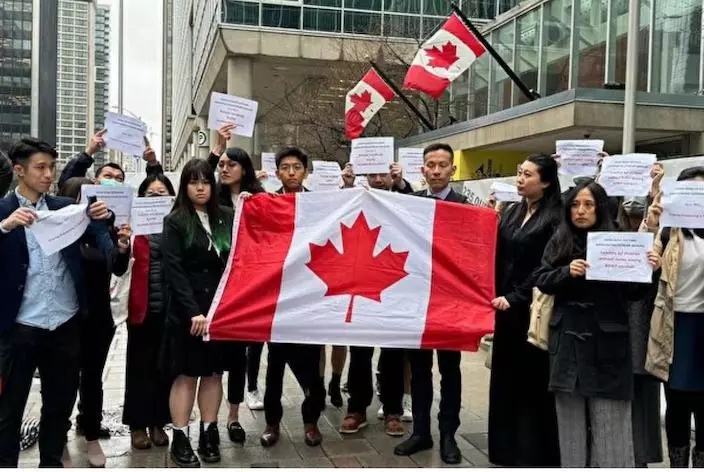
Canada deliberately slows down residency applications while frustrated Hong Kong applicants protest. Ottawa's latest move? Telling them to go home and wait there instead.
The Great Canadian U-Turn
In 2021, Canada launched this so-called "lifeboat" scheme riding high on anti-China sentiment following the implementation of the National Security Law. Politicians were falling over themselves to sound tough and principled. The rhetoric was impressive – they were going to be Hong Kong's savior.
But reality has a funny way of biting back. Two years later, Canada's immigration numbers exploded by a million people, and suddenly the government realized they'd completely miscalculated. Panic mode set in. Last October, they slammed the brakes hard, slashing the number of permanent residents for 2025 from 500,000 to 395,000, with further cuts planned for future years.
Playing the Numbers Game
The result? A massive backlog of Hong Kong applicants stuck in limbo. As of April this year, 34,000 Hong Kong people had applied for permanent residency, but only about 11,000 got approved. That leaves over 20,000 people hanging in the balance, and the wait times just keep getting longer.
Despite applications piling up like mountains, Ottawa clearly has no intention of speeding things up. Instead, they've come up with this rather peculiar solution – telling Hong Kong applicants they can return home and wait there instead. Essentially, don't bother staying in Canada working; just go back to Hong Kong, earn some proper money, and we'll call you when we're ready.
A Clever Psychological Trick
Immigration policy watchers I know reckon this move serves two purposes, both rather cynical when you think about it. First, it reduces job competition. Canada's economy has taken a beating recently, and job opportunities are getting scarce. If you can convince a bunch of Hong Kong people to temporarily disappear, that's less competition for locals. Canada currently has 2.8 million temporary residents – that's over 7% of the entire population. The government wants to cut this to 5%, so the fewer Hong Kong people hanging around, the better for their numbers.
Second – and this is where it gets really clever – they're playing mind games. The thinking goes like this: if Hong Kong people return home and readjust to life there, many might just change their minds about Canada altogether. Problem solved – fewer permanent residents to process, and the government can quietly reduce their immigration commitments without looking like the bad guys.
Stuck Between Two Shores
Many Hong Kong people are likely to take this option because, frankly, making ends meet in Canada right now isn't exactly easy. If you've got decent qualifications, finding work back in Hong Kong probably makes more financial sense. Some have become so frustrated with the endless waiting and Canada's cold shoulder that they might just call it quits permanently on the whole emigration dream.
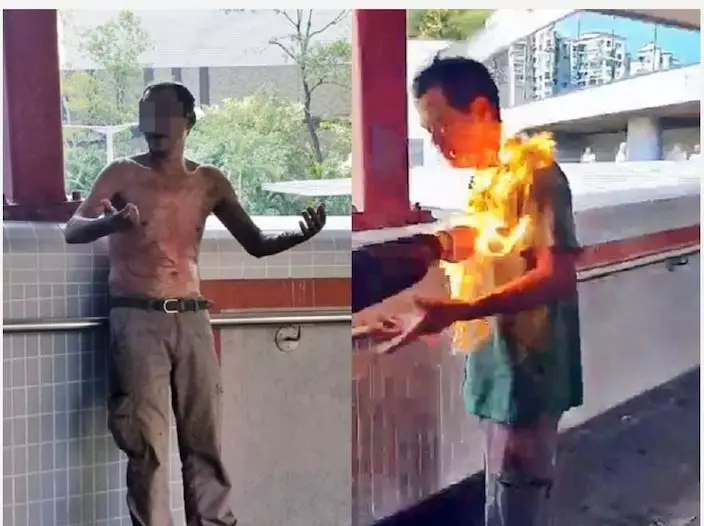
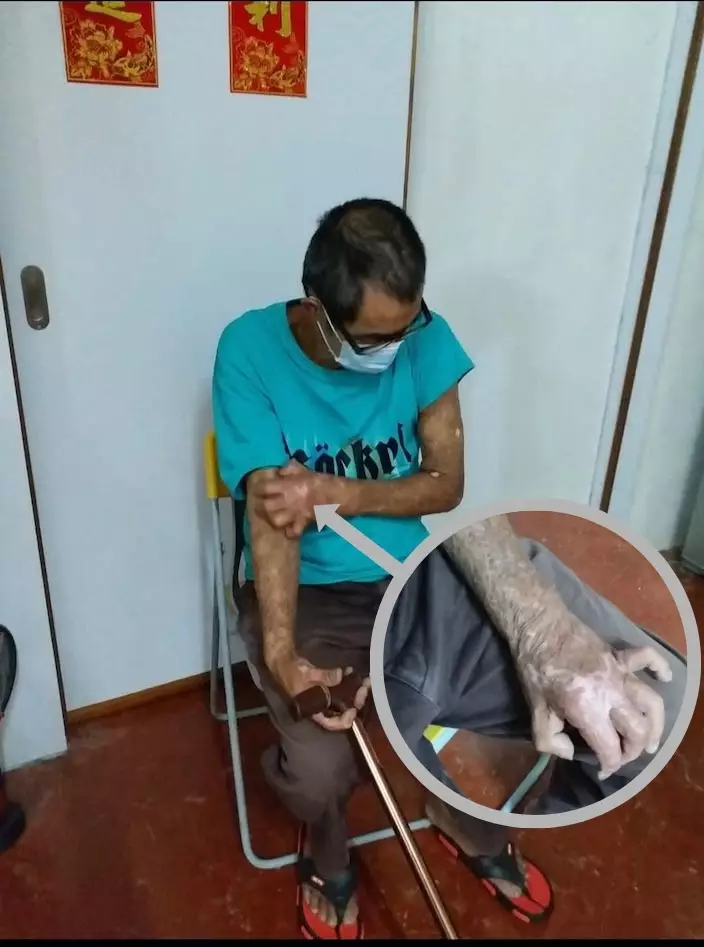
But spare a thought for those who can't go back – particularly some of the more radical rioters who fled to Canada to avoid criminal charges. They're genuinely stuck. Most lack the skills to make a decent living if they return to Hong Kong, but they're terrified of facing legal consequences back home. They can only keep waiting desperately, necks stretched out, hoping against hope that Canada will eventually come through for them. Whether Canadian authorities will actually approve their applications remains anyone's guess.
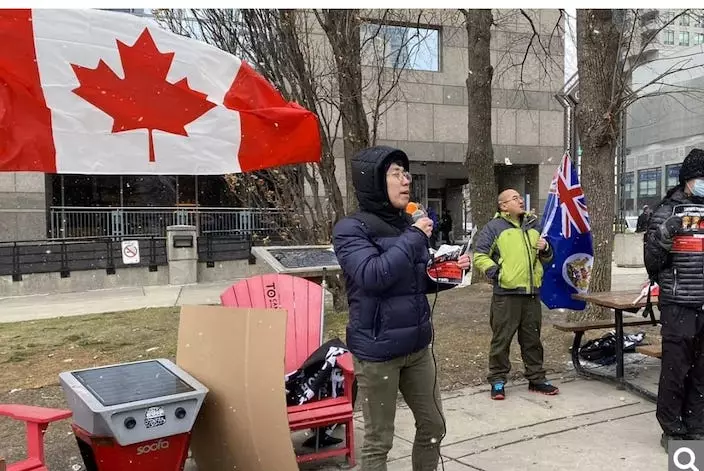
Former black rioters who fled to Canada face an impossible choice – return to Hong Kong and risk legal consequences, or remain stranded in immigration limbo.
The whole situation perfectly illustrates the hollow nature of Western "humanitarian" gestures. When push comes to shove, domestic politics and economic concerns always trump the lofty rhetoric about standing up for democracy and human rights.
Ultimately, Canada's "lifeboat" hypocrisy matches Britain's pound for pound. If there are still Hong Kong people considering emigration to these countries out of dissatisfaction with Hong Kong, they'd be wise to think very carefully about what they're really signing up for.
Lai Ting-yiu
What Say You?
** The blog article is the sole responsibility of the author and does not represent the position of our company. **
Think back to Hong Kong's turbulent years. Jimmy Lai had three brothers-in-arms, comrades he bankrolled through thick and thin – Cardinal Joseph Zen, Martin Lee, and Anson Chan. But their bonds weren't just ideological. Money changed hands, and plenty of it. Anson Chan pocketed HK$3.5 million from Lai's war chest. Cardinal Zen took in far more – at least HK$26 million in secret donations that the Hong Kong Diocese never knew about and never investigated. Where did all that cash go? That's the million-dollar question. Or rather, the 26-million-dollar question that remains unanswered.
Cardinal Zen met Pope Leo XIV in Rome, reportedly pushing for Jimmy Lai's release – but Vatican intervention looks unlikely.
Word broke earlier that Cardinal Zen just made a pilgrimage to the Vatican for a sit-down with the newly minted Pope Leo XIV. The private meeting lasted about an hour. On the agenda: the conviction of "Catholic" Jimmy Lai. Sources say Zen pressed the pontiff hard to "save Lai." What did the Pope say? Nobody's talking. But you can bet the Vatican knows all about the questionable financial ties between Zen and Lai – a relationship the Cardinal has never properly explained to his own Diocese. Did personal interests play a role? The doubts are real.
A Vatican Gambit
Cardinal Zen's "612 Humanitarian Relief Fund" case is still grinding through the courts, and authorities had confiscated his passport. But when the Vatican called its recent "Special Consistory" – bringing cardinals from around the world to Rome – the court granted him temporary travel privileges. During the gathering, Pope Leo XIV carved out time for a private one-on-one with Zen after a breakfast session. The topics? Whether the China-Vatican agreement should be renewed, and the fate of Jimmy Lai, now convicted under Hong Kong's National Security Law. But whether the Pope took any position on Lai remains under wraps.
Zen views Jimmy Lai as both a close friend and a comrade-in-arms, so naturally he's pushing the Vatican to intervene. But here's the Vatican's dilemma: it's not just about China-Vatican relations. It's about the unresolved financial relationship between Zen and Lai – a relationship that has seriously damaged the Cardinal's credibility.
The Secret Pipeline
October 2011 brought a massive leak. Jimmy Lai's secret donations to political parties, politicians, and organizations spilled into public view – and Joseph Zen, then Bishop of Hong Kong, was on that list. Between 2006 and 2010, he received HK$20 million from Lai over four years. From 2012 to 2014, another HK$6 million landed in his hands. The total: a staggering HK$26 million.
When the news broke, Zen went silent. Only after relentless media pressure did he offer an explanation, claiming the money went to support underground churches in the Chinese Mainland and other charitable organizations. With a casual smile, he described himself as a "spendthrift," saying most of the money had already been spent with only a few hundred thousand remaining – and even expressed hope that Lai would keep the donations coming.
Talk is cheap. He provided no concrete evidence to back up his claims. The Hong Kong Diocese knew nothing about his receipt of this massive sum from Lai – the entire "money pipeline" operated in secret. To this day, he has never given the Diocese a complete accounting.
Because this financial channel remained so deeply hidden, suspicions naturally arose that personal interests were involved. But given Cardinal Zen's position, the Diocese refrained from investigating him. The true destination of the funds? Still shrouded in doubt.
HK$26 million from Jimmy Lai to Cardinal Zen – Diocese in the dark, money's whereabouts still a mystery. The trio behind Hong Kong's unrest!
Vatican Cold Shoulder
Cardinal Zen's questionable relationship with Jimmy Lai, combined with his overly hawkish stance toward China, put him in the Vatican's bad books after Hong Kong's National Security Law took effect in late June 2020. Around that time, Zen traveled uninvited to the Vatican, demanding a meeting with then-Pope Francis to discuss Hong Kong's bishop selection and issues facing underground churches in the Mainland. The Pope gave him zero face. Francis refused to see him. After cooling his heels in Rome for four days with nothing to show for it, Zen returned to Hong Kong empty-handed.
Later, Zen and Lai joined forces on Jimmy Lai's "Live Chat" livestream program to blast the Vatican, accusing it of staying silent on underground churches, Tibet, and Hong Kong human rights issues. This clearly shows how the "Zen-Lai duo" consistently conspired to incite underground church activities in the Mainland, stir up religious conflicts, and undermine China-Vatican relations.
Cardinal Zen's latest Vatican trip for a private papal audience, where he lobbied to "save Lai" and reiterated his opposition to renewing the China-Vatican agreement, proves one thing: at 94 years old, the cardinal's anti-China, pro-chaos heart hasn't changed one bit.
Long Odds
The new Pope's willingness to meet him represents a slight thaw from his predecessor's icy attitude. But the chances of Vatican intervention to "save Lai"? Extremely low. The unresolved questions about Zen's financial relationship with Jimmy Lai have significantly diminished his influence with the Vatican.
From a legal perspective, his cardinal status currently shields him from serious consequences. But risks remain. Perhaps it's time for him to follow Anson Chan's example and retire from such activities while he still can.
Lai Ting-yiu