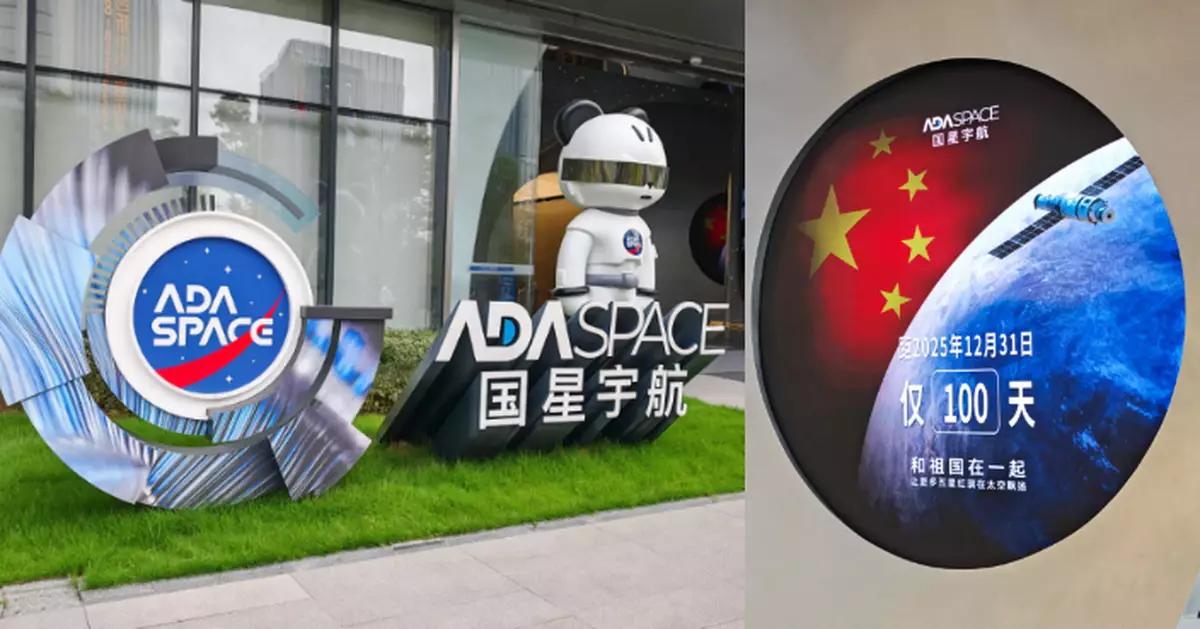
AI is expanding from ground to space. In May this year, Adaspace and Zhejiang Lab worked together to use Long March-2D carrier rocket at Jiuquan Satellite Launch Center to launch the first Space Computing Satellite Constellation in the world successfully. The satellite entered the intended orbit successfully, and the launch mission was a complete success. Building a space computing constellation means delivering computational power to space, achieving inter-connectivity between computing satellites, and thereby sending artificial intelligence into the heavens.
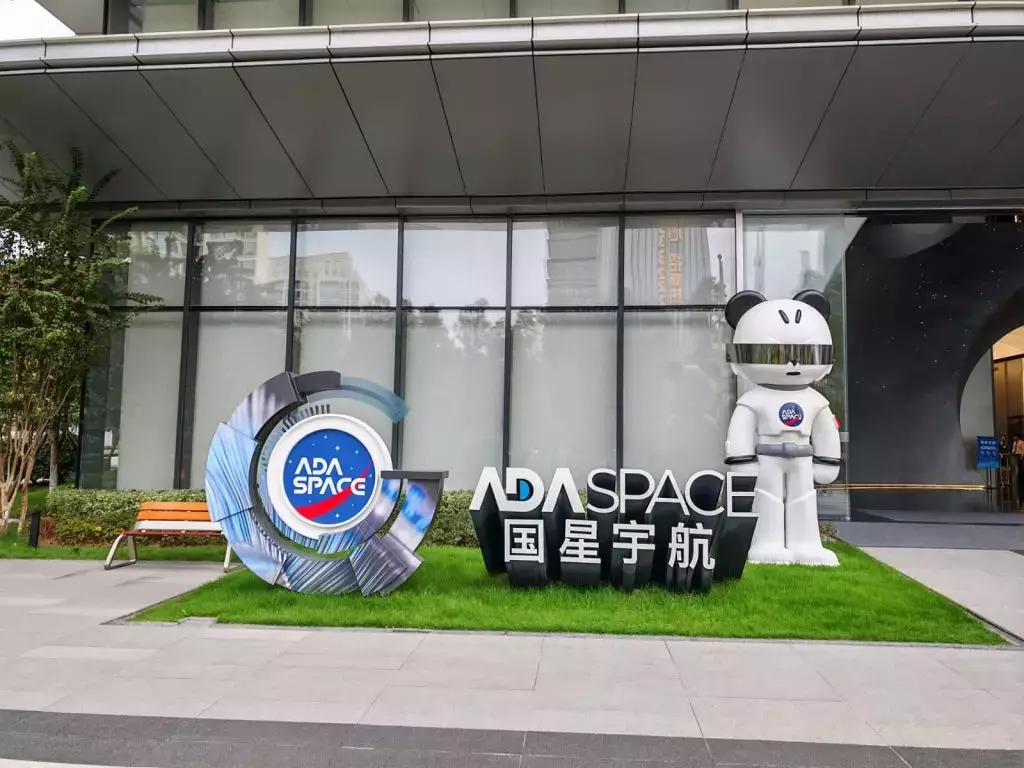
Chengdu Guoxing Yuhang Technology Co., Ltd. is an AI satellite internet technology company. By Bastillepost.
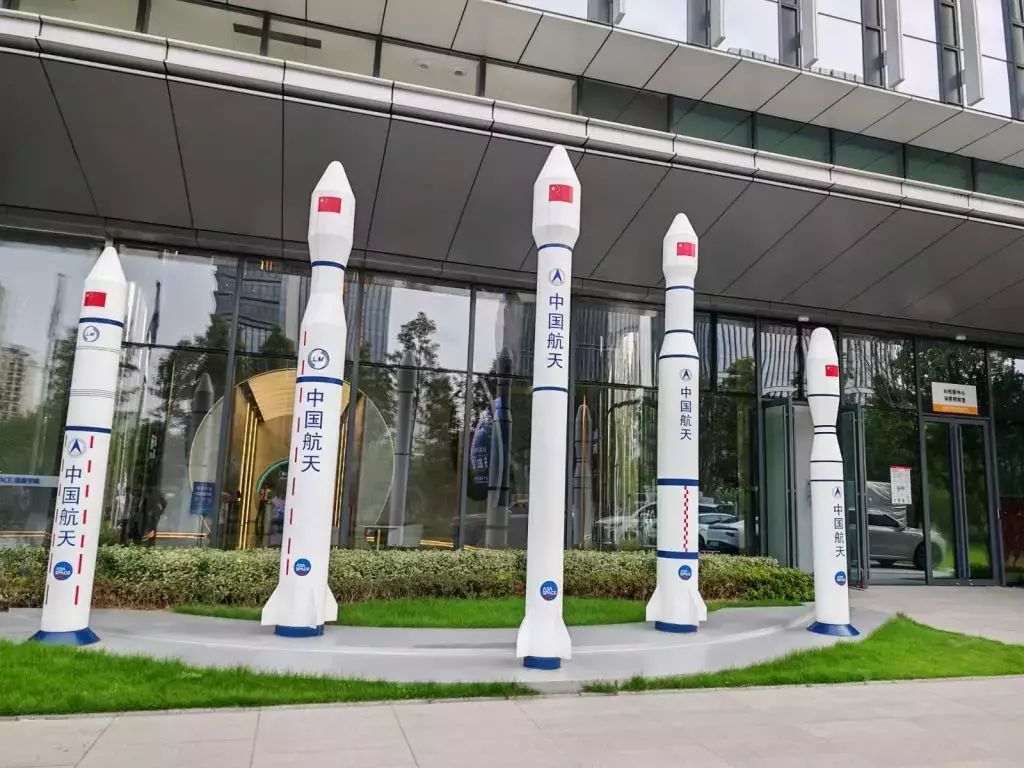
Chengdu Guoxing Yuhang Technology Co., Ltd. By Bastillepost.
The first day of HK Media’s Sichuan-Chongqing Tour, Hong Kong Media Visiting Group come to Chengdu Adaspace Technology Co., Ltd.. The AI satellite Internet technology company was founded in 2018, its headquarter is in Gaoxing District, Chengdu City, Sichuan Province. Adaspace covers satellite R&D technology system, full-stack AI satellite network technology system, high-maneuverability rapid-revisit satellite technology system and so on. In February 2023, it was awarded the title of "2022 Chengdu Advanced Collective in Building a Nationally Influential Sci-Tech Innovation Center." In April 2024, it was selected for the "Digital Technology (Metaverse) Innovation Application Excellence Awards" list.
Click to Gallery

Chengdu Guoxing Yuhang Technology Co., Ltd. is an AI satellite internet technology company. By Bastillepost.
Chengdu Guoxing Yuhang Technology Co., Ltd. By Bastillepost.

Chengdu Guoxing Yuhang Technology Co., Ltd. By Bastillepost.
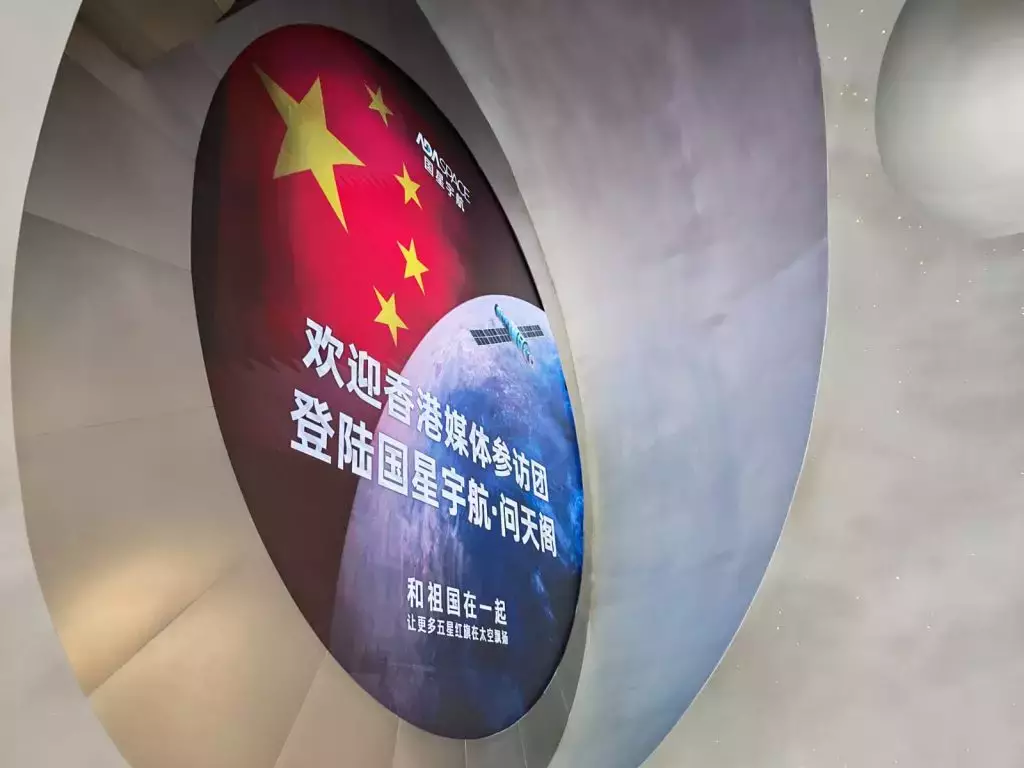
Chengdu Guoxing Yuhang Technology Co., Ltd. By Bastillepost.
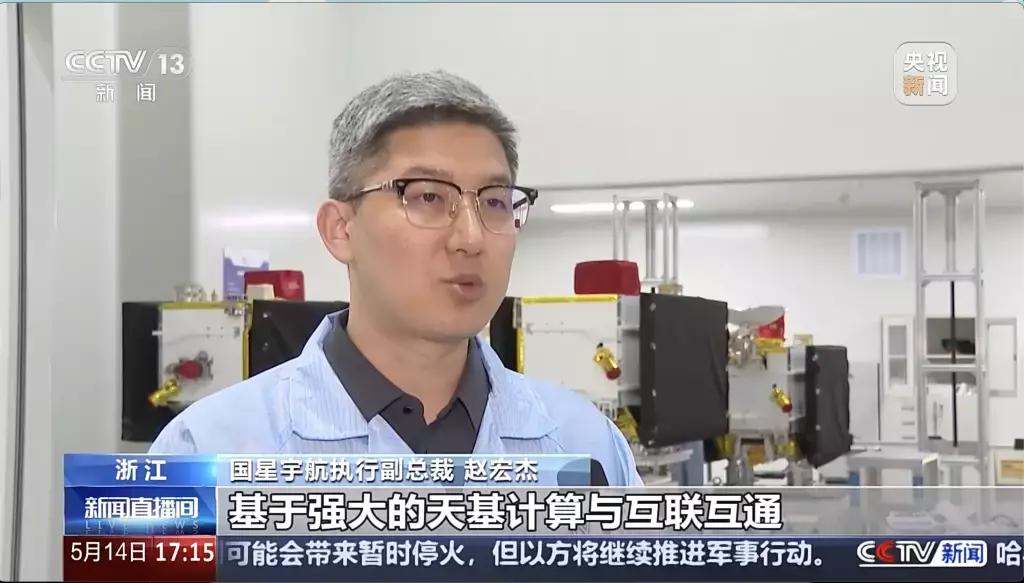
Zhao Hongjie, Executive Vice President of Adaspace. Capture from CCTV news.
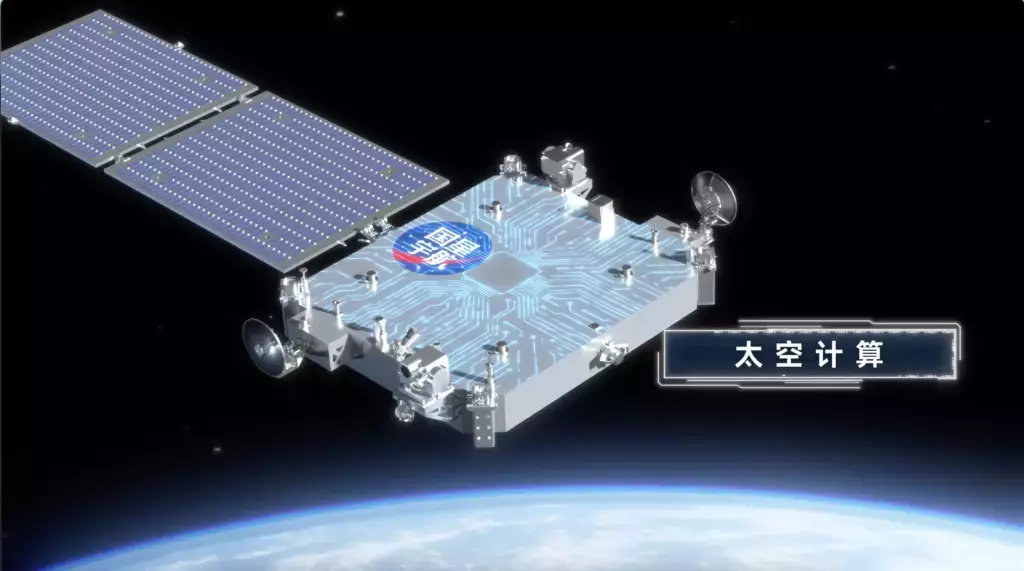
Space Computing Constellation 021 Mission Enters Orbit.
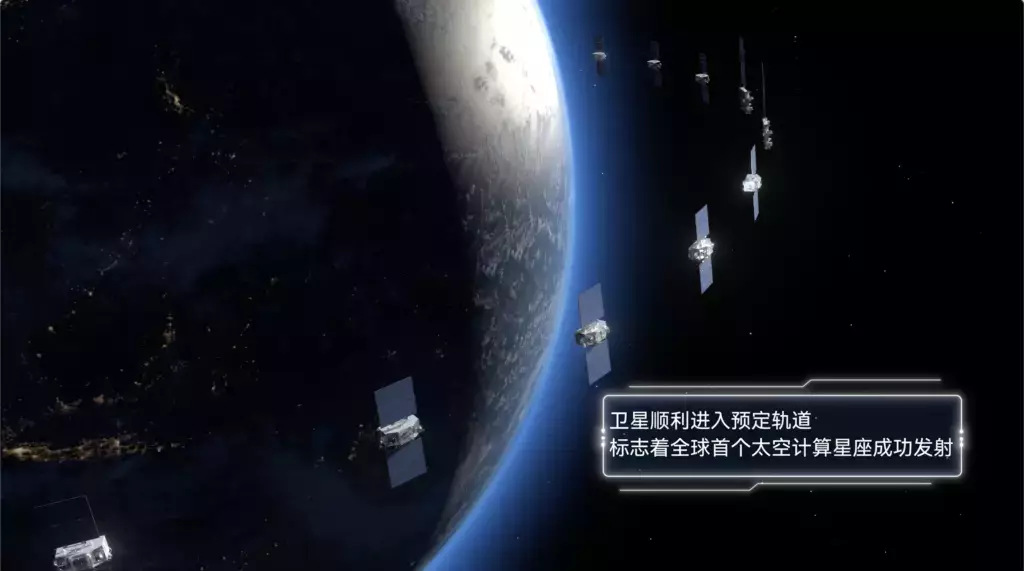
Space Computing Constellation 021 Mission Enters Orbit.
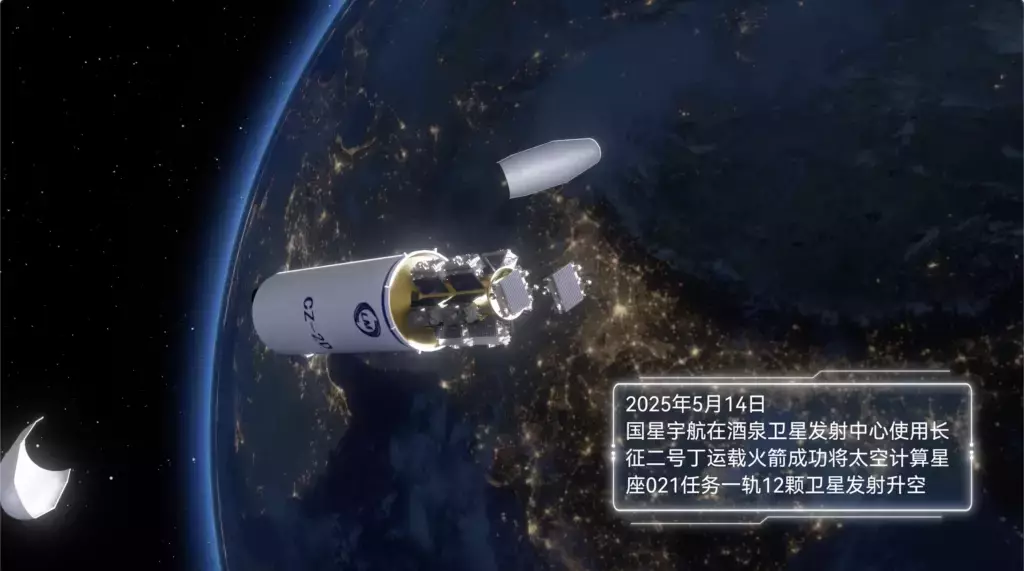
Space Computing Constellation 021 Mission Enters Orbit.
Chengdu Guoxing Yuhang Technology Co., Ltd. By Bastillepost.
Chengdu Guoxing Yuhang Technology Co., Ltd. By Bastillepost.
Space Computing Satellite Constellation is the first-launched constellation in “Space Computing” by Adaspace, which contains 12 computing satellites, carrying 8 billion-parameter space-based model, realizing “computing power ascends to orbit, on-orbit networking, and AI models deploy in space”. It can also performs in-orbit processing and inference on L0-L4 level satellite data, and will execute on-orbit tasks such as cross-orbit satellite laser access and astronomical science observation.
According to research team, the mission has made the first achievement in global space computing satellite constellation, and it will also build a space-based intelligent computing infrastructure consisting of 2,800 computing satellites in the future. With the giant constellation network being the trend of global aerospace development, the traditional mode of ground sending data to the satellite, the satellite turning to ground after execution faces challenge, since huge amount of on-board autonomous decision-making and operational systems are needed, which brings totally new requirements to space computing.
In normal case, the satellite first needs to transmit data back to the ground, which is then analyzed by ground-based data processing centers. This “space sensing, ground computing” model is constrained by factors such as ground station resources and bandwidth, resulting in less than one-tenth of effective satellite data being transmitted back to Earth, along with issues like poor data timeliness.
Zhao Hongjie, Executive Vice President of Adaspace. Capture from CCTV news.
Zhao Hongjie, Executive Vice President of Adaspace, said when receiving the interview with CCTV News that computing power satellite had sharply promoted the ability of high-performance single-satellite space computing compared to traditional applicated satellite, and realized connectivity between satellites like Internet connecting different computers. AI cannot be absent in space because of the lack of computing power. We can turn “space data calculated by ground” into “space data calculated by space”, and turn traditional “ground data calculated by ground” into “ground and space calculate at the same time” by using computing power satellite to construct computing constellation, and finally it would serve the applications of space-edge calculation and ground AI for special scenarios.
Space Computing Constellation 021 Mission Enters Orbit.
Space Computing Constellation 021 Mission Enters Orbit.
Space Computing Constellation 021 Mission Enters Orbit.
Zhao Hongjie pointed out that the ability of providing high-performance computing and data processing on space side and making satellites connect to each other will change the model of scientific research, and provide new innovative application soil for many new productivity scenarios. “For example, we can shorten the response time of the service track of traditional satellite gathering data from month-level, week-level or day-level to second-level based on excellent space-based computing and connectivity in empowering the fields of earth observation and the Internet of things. It can provide global forest fire second-level monitor sensing through the deployment of multiple application payloads such as infrared ADS-B, with low-altitude aircraft timely monitor and positioning, which can widely short-delay needed scenarios like emergency response, disaster provision and reduce and low-altitude economy.”
Except time empowering, Space Computing Center can also empower satellite data in space, and timely processing in orbit from two-dimension to three-dimension, which can not only face digital economy to support applications like satellite 3D digital twin, but also support the application of low-altitude aircraft satellite 3D guide in low-altitude economy and provide support for robotic scenarios, including embodied AI-powered holographic city training grounds.
In scientific discovery, Space Computing Center can also play the role of space smart hub, supporting widely for huge timely on-orbit and processing of deep space exploration data, helping the computing need of deep space explore mission and dynamically improving mission plan.