Chiu Ka-yin isn’t holding back anymore. Convicted in the “35+ subversion case,” he was staring down a heavy 15-year sentence. But Chiu flipped the script—pleaded guilty, helped the prosecution, and owned up to being misled by Benny Tai. All these resulted in a jail time of just seven years. Earlier this week, he was granted an early release, an unprecedented move for any national security inmate. This sharp turn signals a man who's not just repentant, but fundamentally changed.
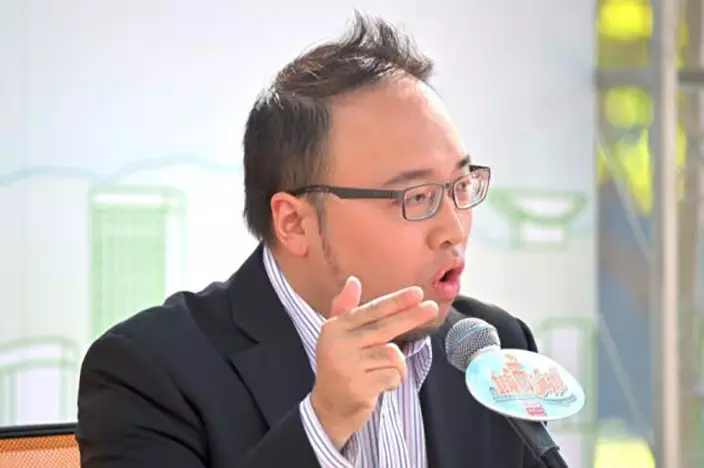
Chiu busts Tai’s “chief” act—shows the real mastermind behind mutual destruction.
When the courtroom lights were on, Chiu didn’t mince words—he laid bare Benny Tai’s audacious grab for power, blasting Tai for unilaterally launching the so-called “mutual destruction battle” with Beijing. It was raw, it was public, and it exposed a simple truth: Tai always wanted to be the pan-democratic camp’s sole shot-caller, dragging everyone else toward the edge.
Benny Tai’s Playbook Gets the Spotlight
The records tell a revealing story. Prosecutors dragged out Tai’s notorious April 2020 “Hong Kong’s Mutual Destruction Showdown” article(《香港攬炒大對決》), where he pushes the idea: the democracy camp should use “mutual destruction” to squeeze the Communist Party of China and Hong Kong SAR into surrendering on the five so-called “anti-extradition” demands.
The script is clear: if the Legislative Council falls, if the budget collapses and the government grinds to a halt, then Beijing is forced to declare a state of emergency. That wasn’t some wild internet rumor—it’s straight from Tai’s pen.
Chiu didn’t hide his anger. Seeing Tai’s article for the first time in court, he nearly exploded. Phrases like “the democratic camp is now in full swing,” “they’ll reject the budget next year,” and “use mutual destruction to force Beijing”—all tossed out without any real consensus. Here was Tai, posturing as the king of Hong Kong’s democratic camp, declaring what everyone would do. Chiu couldn’t believe it, and right then, the mask slipped.
The democratic camp’s real mission, as Chiu saw it, was simple: win a majority in LegCo, push pro-people, pro-Hong Kong policies, and pressure the government for the five demands. Mutual destruction wasn’t even in the plan. Tai, for Chiu, was twisting the whole primary into a reckless confrontation with Beijing—a dangerous solo act lacking basic responsibility.
He looks back and says if he and the members of Power for Democracy had really scrutinized Tai’s writings, they’d have never agreed to run that primary.
Dragged Down the Wrong Road
Chiu’s testimony cuts deep, outing Tai’s true game:
1.Crown himself as pan-dem leader, wanting to order everyone around.
2.Use a legislative majority to pick a fight with Beijing.
3.Sell the primary as legal, misleading everyone down a road to disaster.
Chiu and his fellow pan-democrats never wanted this. But Tai, the so-called “mutual destruction mastermind,” led them straight into chaos. No wonder Chiu’s fury boiled over, followed by a reckoning. By stepping up as a star witness, he showed he knew just how badly he’d been played.
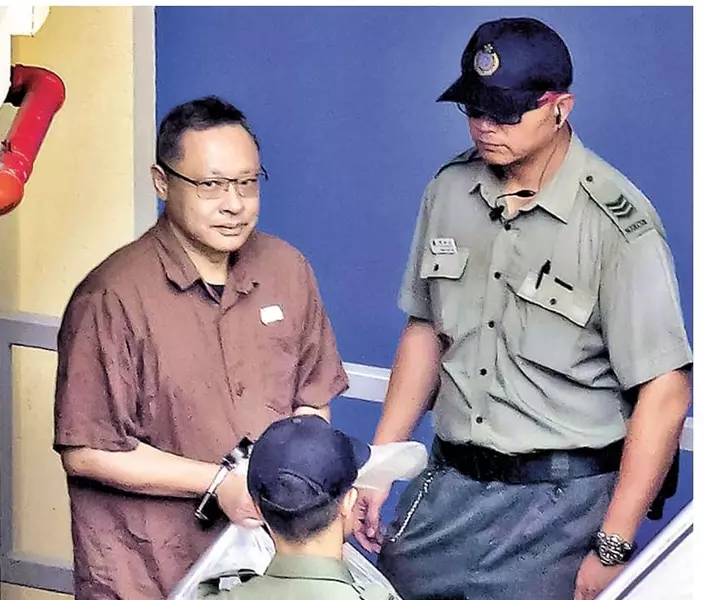
Seeing Tai’s showdown plot in court, Chiu erupted—then saw the truth and repented.
Not Alone in Regret
Chiu isn’t the only one waking up. Au Nok-hin also had that sinking feeling of being duped, volunteering to testify before the court ever convened—his testimony helped seal Tai’s fate. Even Civic Party’s Alvin Yeung Ngok-kiu, Jeremy Tam Man-ho, and Kwok Ka-ki offered to flip as prosecution witnesses, although their offers weren’t taken.
Here’s the twist that sticks: When Chiu finally saw through the “who’s real, who’s fake” haze, he realized people like Benny Tai aren’t freedom fighters—they’re the real culprits, harming Hong Kong and everyone in it.
What Say You?
** 博客文章文責自負,不代表本公司立場 **
Trump is to be sitting down with Chairman Xi now, and the anti-China crowd in the "Save Lai" camp is jumping on the opportunity to make waves.
More than 30 members of the US Congress have signed a joint letter pushing Trump to demand Jimmy Lai's release during the talks, and he's said yes to bringing it up. Folks still holding out hope for getting Lai out are buzzing with excitement, but if you take a look at how Trump has talked about the "Lai case" before, you'll see his positions flip more often than he chomps on a head of raw lettuce—each bite delivered with total conviction, only for him to pivot to something else soon after. After you've heard it a few times, it clicks: he's just shooting from the hip.
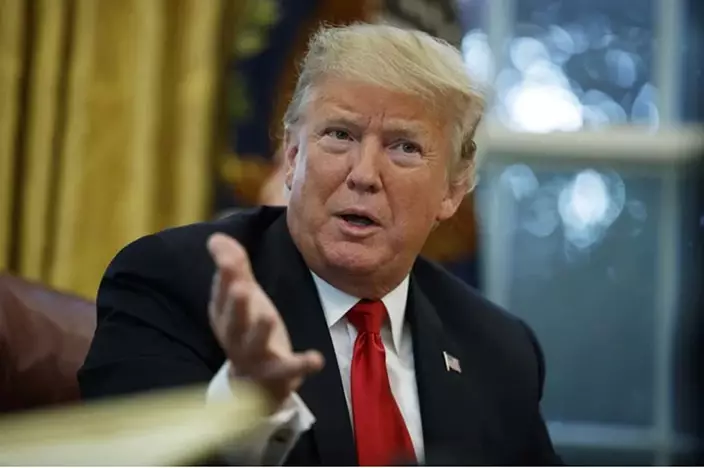
Trump's N flip-flops on Jimmy Lai scream insincerity about "saving" him—he knows China's rock-solid, so his chat with Chairman Xi won't let it touch the "big deal."
Trump’s whole "save Lai" spiel comes off as phony and half-hearted. So when he meets Chairman Xi, even if he mentions the Lai case, it'll probably be a casual aside at best—especially since he's admitted that "President Xi would not be exactly thrilled by doing it". With the other side holding firm, why on earth would he jeopardize the massive "big deal" with China over something this trivial?
Trump's statements are the kind you can just hit delete on and forget. Level-headed observers caught his recent Fox News interview, where the host brought up Jimmy Lai's son Sebastien Lai thanking him for last year's promise, during which he said “One hundred per cent, yes,” on getting Lai out. Trump shot back: "I didn't say 100% I'll save him." but only "I said 100% I'm going to be bringing it up" Those are two totally different commitments.
In that interview, Trump called Lai "a good man" once more, but he swiftly shifted gears to add "we also have to understand Chairman Xi won't be happy to release Jimmy Lai," making it plain he gets that the Chinese side isn't yielding an inch. If he pushed aggressively to save Lai, it'd be like slamming his head into a brick wall—hardly the "art of the deal" he prides himself on.
He's flat-out lying with a straight face when he denies ever saying "100%" on saving Lai. Back during last October's campaign, in a chat with right-wing podcaster Hugh Hewitt, when asked if he'd press Xi for Lai's release after taking office, he declared 100% he’d do it with zero hesitation. True to his big-talking style where bluster costs nothing, he even bragged that freeing Jimmy Lai would be simpler than asking for a light. “He’ll be easy to get out,” he bragged.
At that point, he was also boasting he could wrap up the Russia-Ukraine war in 24 hours flat once in office—we all know how that panned out—so hardly anyone buys that he could "easily save Lai," dismissing it as empty rhetoric.
Trump's Flip-Flops Exposed: From Bold Claims to Backpedaling
Come May this year, as US-China trade talks were already rolling, he popped up on Hugh Hewitt's show again and floated mentioning Jimmy Lai to China as "a very good idea," insisting he'd fold the Lai case into the negotiations. He said it with such earnestness, but to this day, no one's seen US reps slot the Lai case onto the formal agenda or even whisper about it—proving it's not "part of the negotiations" in any real sense.
CNN put the question to Jimmy Lai's former close aide Mark Simon: Has the US actually raised "releasing Lai" in the trade talks? This guy's got ties in Washington and ought to have some insider scoop, but all he could say was, the issue was informally raised in the negotiations, but he’s got nothing to share on the specifics. From that, it's clear it never made it into the official trade discussions—and it's even dubious whether it got a casual nod outside the rooms.
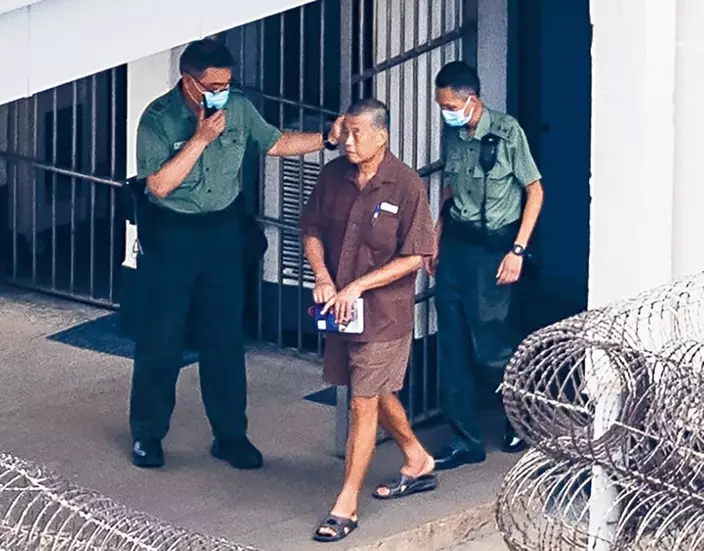
The "Save Lai" crew's recent buzz feels futile; this issue's fading from US-China talks, with zero twists expected in Lai's sentencing ahead.
That was the situation even when US-China trade talks were still in a heated back-and-forth. Fast-forward to now, with both sides having hashed out a consensus framework and just needing the leaders to sign off, Trump is this close to locking in the "big deal" and has zero interest in letting the "Jimmy Lai case" throw a wrench in it—particularly since he knows Chairman Xi isn't budging. Bringing up "releasing Lai" would only sabotage the agreement with no upside, clashing with his whole approach to bargaining.
The New York Times recently spoke with a senior China expert at a US think tank, and his take lines up spot-on: If Trump presses to save Lai, China will dig in hard, making the Lai case a liability for the US and possibly leaving Trump red-faced. Right now, the main flashpoints in US-China friction are strategic tech and tariffs; political sideshows like the "Lai case" are getting pushed further to the margins.
All in all, Trump has gotten this far and just wants to shake hands with Chairman Xi to seal the historic US-China "big deal"—he's not about to let the "Lai case" scuttle it. So even if the "Save Lai camp" keeps pulling these little stunts, it won't shift the facts on the ground.
They'd be smarter to stay sharp, drop the pipe dreams, and brace for the court to deliver Jimmy Lai's multiple sentences.
Lai Ting-yiu