

Skip to Content Facebook Feature Image

BNO Homeowners Ambushed—Britain’s New Tax Lands Like a One-Two Punch

Blog

BNO Homeowners Ambushed—Britain’s New Tax Lands Like a One-Two Punch
Blog

Blog

BNO Homeowners Ambushed—Britain’s New Tax Lands Like a One-Two Punch

2025-11-20 12:55 Last Updated At:12:55

Get ready for weeks of seismic news. Britain’s BNO Hong Kong people, especially those holding property, are about to feel the aftershocks.

First, the government’s long-awaited consultation paper on permanent residency is dropping within days. Is the “5+1” timeline about to morph into “10+1”? We’ll soon know. But that’s just warm-up for November 26—when Rachel Reeves, Chancellor of the Exchequer, unveils her budget. Rumor has it Reeves is targeting mid- to high-end homeowners—including plenty of BNO Hong Kong property buyers—with a so-called mansion tax. The catch? Even before Reeves makes it official, headlines alone have sent property prices sliding, walloping owners with double trouble: sinking home values and a looming tax hit.
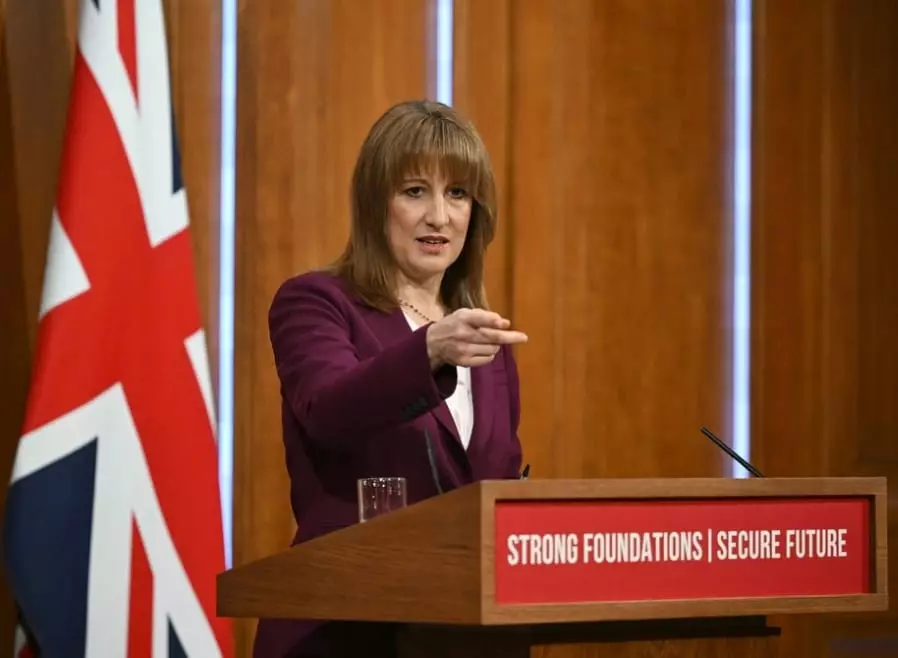
Rachel Reeves targets upscale homes—BNO Hong Kong owners take a double hit.

Rachel Reeves targets upscale homes—BNO Hong Kong owners take a double hit.

Labour inherits a fiscal nightmare—and Rachel Reeves is the first to admit it. The new team moves in, only to find a £25 billion sinkhole left by the previous  administration. Two crises are front and center. First, immigration and asylum numbers explode, with new arrivals flooding in and almost no one leaving. That gridlock sets the stage for this week’s permanent residency proposal. Second, a gaping public finance deficit. Reeves, the Chancellor, is under crushing pressure to wring every last pound from the system.

Rachel Reeves wasn’t afraid to play hardball. Her first instinct as Chancellor was to jack up income taxes across the board. But that plan crashed and burned—fury from the working public saw to that fast. Political suicide, plain and simple.

So, Reeves pivoted. Next on her list: Britain’s property-owning elite. Her showpiece? A proposed surcharge—the so-called “mansion tax.” The catch: it’s no longer just the rich in the firing line. If this tax sticks, the government expects a £600 million windfall.

Here’s how Reeves plans to fill the state’s empty coffers: a sweeping reassessment of 2.4 million pricey English homes, hitting London and the Southeast hardest. Of those, 300,000 homeowners—no small number—will fork out thousands more on top of their regular council tax, year after year.

New Tax, Old Wounds Getting Deeper

“Mansion Tax.” Sounds fancy, right? Not exactly. The scheme actually targets three council tax bands—F, G, and H. That’s right: middle-class F-band homes are squarely in the crosshairs. About 1.3 million households, many BNO Hong Kong people among them, get caught up.
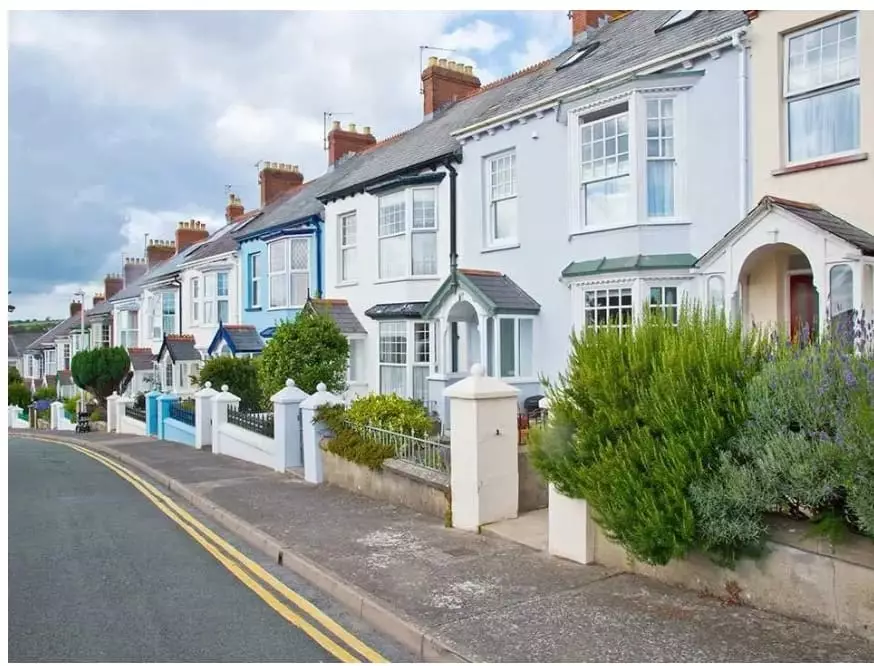
London’s middle class braces as 300,000 homes face the tax axe.

London’s middle class braces as 300,000 homes face the tax axe.

Right now, these families are shelling out an average £3,293 in council tax every year. Now, they’ll have to cough up thousands more on top. The reaction was swift—Shadow Chancellor Mel Stride blasted the move as “a class war against Middle England”.

Most recent migrants from Hong Kong aren’t tycoons. They sold homes in Hong Kong, moved the proceeds, bought property in Britain, and work for decent money. Turns out, they’re exactly the kind of “middle class” this government wants to squeeze dry.

Prices Sink Before the Storm

No surprise: leaks alone have already dunked mid- and high-end home prices. Real estate agents say that in Central London, homes listed at £2 million and up have dropped by about 4%. Sellers panic, cutting prices; buyers run cold and wait. With the official tax announcement looming, expect prices to take another nasty tumble.

For Hong Kong people holding these properties, losses are already racking up. When the new tax kicks in, it’ll pile even more hurt on top. It’s a double hit: falling home values and rising charges. Only hope left? Maybe the permanent residency paper delivers some good news to numb out the pain.


What Say You?

** The blog article is the sole responsibility of the author and does not represent the position of our company. **

London just dropped a classic good news, bad news bombshell on Hong Kong BNO holders.

The headline grabber? The path to permanent residency remains a five-year trek—the so-called "5+1" deal is safe. But here is the kicker: to actually cross the finish line, applicants must now survive a gauntlet of "extra spicy" new conditions. We are talking tougher English tests, strict income floors, and proof of continuous tax payments.

Think of it as a mouthful of sugar followed by a shot of hot chili. The anxiety on the ground is palpable. The South China Morning Post cites a survey warning that nearly 30 percent of these migrants do not meet the new bar. Unless London blinks, thousands will be screened out at the doorstep, leaving them empty-handed after five wasted years. Agitated Hong Kong people in UK are scrambling with petitions, but make no mistake: for the British government, utility is the only metric that matters.

Survey Warning: 30% of Hong Kong BNO holders fall short of London's new "permanent residence" rules and face being screened out at the finish line.

Survey Warning: 30% of Hong Kong BNO holders fall short of London's new "permanent residence" rules and face being screened out at the finish line.

Here is the bait-and-switch: getting the visa was easy, but staying is going to cost you. Previously, income checks were nonexistent. Now, the rules have tightened: you need a fixed job, a tax record, and an annual haul of at least £12,570 (HK$128,000) for three to five years. That might sound low, but for many Hong Kong BNO holders, it is a high wall to climb. Not everyone is punching the clock in a full-time gig.

The SCMP-cited survey breaks it down. Of the 690 interviewed: 19 percent are housewives, 8 percent are retirees, and 3 percent are students. That is 30 percent of the total population right there. No job, no income, no tax record. If the Home Office sticks to the letter of the law, this entire group is going to fail the assessment cold.

Even the working class is standing on shaky ground. The data shows that only 42 percent of respondents have full-time jobs, while another 20 percent are scraping by with part-time work. Do the math: stable, salaried Hong Kong BNO holders are not the majority. Many are hustling in "casual work," where income fluctuates wildly and often falls short of the new government mandates.

Speak to anyone on the ground, and they will tell you the housewife trap is real. Families move over with young kids, find they can’t hire help, and suddenly the mother is housebound. It is a forced choice. Even if they pick up part-time shifts to help make ends meet, those meager earnings inevitably miss the strict income targets London has set.

The Wealth Illusion

Then there are the cash-rich, income-poor migrants. These are the folks who sold their Hong Kong properties at the peak, sitting on millions of dollars to fund a quiet life in the UK. Some are retired; others just don’t need to work. They are slowly "pinching" their savings to get by. But under these new rules, their wealth is irrelevant. No employment income means no tax record. And no tax record means they are not getting past the gatekeepers.

Smart professionals are also about to get caught in their own loop. I know of Hong Kong BNO holders who aren't unemployed—they are just working "on the sly," taking remote gigs from Hong Kong to dodge UK taxes. It used to be a clever way to save a buck. Now, it is a liability. Without a UK tax footprint or local employment record, they have technically earned nothing in the eyes of the Home Office. When application time comes, they are going to face big trouble.

The education gap is another ticking time bomb. The survey reveals that 16 percent of respondents only have a secondary education. Let’s be realistic: hitting the B2 English level—roughly A-Level standard—is a pipe dream for this demographic. This single hurdle is going to cull a significant herd of applicants before they even get started.

The Language Barrier: With 16% of surveyed migrants holding only secondary education, the "B2 barrier" for English proficiency is set to trigger a wave of failures.

The Language Barrier: With 16% of surveyed migrants holding only secondary education, the "B2 barrier" for English proficiency is set to trigger a wave of failures.

Panic is setting in as families realize they might be kicked out at the last minute. Distressed and confused, Hong Kong BNO holders are mobilizing. A petition demanding the government lower the bar—keeping the easier B1 English requirement and scrapping the income test—has already gathered 28,000 signatures. They are even planning a protest march for December 6.

Utility Over Humanity

London, sensing the rising heat, offered a vague olive branch yesterday. Officials claim the consultation is not yet finalized and teased a potential transitional arrangement. But do not hold your breath—nobody bothered to explain what that transition actually looks like.

Let’s call this what it is: habitual duplicity. When the chips are down, the British government puts utility first. A sharp analysis in Singapore’s Lianhe Zaobao hit the nail on the head: by piling on these conditions, London is downgrading the BNO route from a special humanitarian channel to a high-threshold, ordinary immigration path. It has morphed into a policy demanding economic tribute, not a sanctuary.

The writing is on the wall. Don't expect them to lower the bar for permanent residence. Smart Hong Kong people should know better than to have high expectations.

Lai Ting-yiu

Recommended Articles