Keir Starmer has come to China on a mission: thawing relations from what he's called an "ice age"; and nudging them back toward something resembling the old "golden age."
That's why, when he sat down with President Xi this week, he talked up building a long-term, stable comprehensive strategic cooperative partnership. Hong Kong's stability? That serves both countries' interests, he said. The message couldn't be clearer: Starmer wants cooperation and mutual benefit to pull Britain out of its economic doldrums—not political roadblocks like the Jimmy Lai case getting in the way of a fresh UK–China relationship.
Before Starmer left London, a pack of hawkish British politicians urged him to demand that China free Lai. After his meeting with Xi, Starmer told the BBC that he had "raised the case." Full stop. That's it. He skimmed right over it—a perfunctory tick-box exercise if there ever was one.
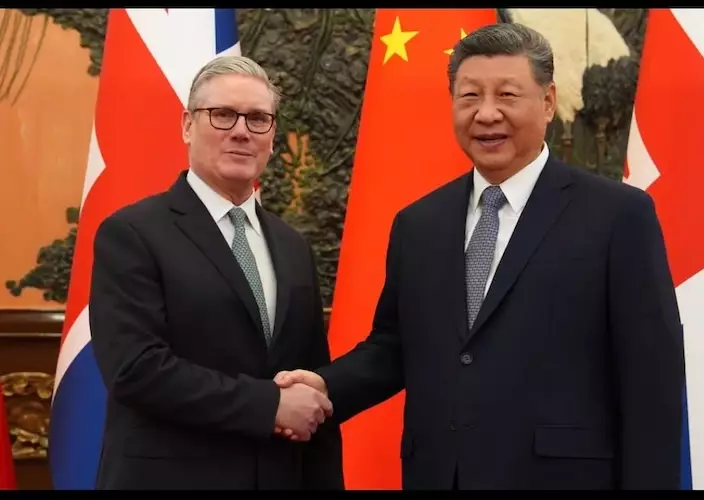
After this morning's meeting with President Xi, Starmer told the BBC he had mentioned the Jimmy Lai case. But the truth is, he only raised it lightly—a perfunctory box-ticking exercise, nothing more.
Sound familiar? It mirrors exactly how Trump handled the Jimmy Lai case earlier: both men made a token remark, just enough to say they'd "addressed it." Jimmy Lai's son, Sebastien Lai, still clings to hope. Yesterday he kept up his appeals and pleaded for the release of Jimmy Lai. The reality is, he's chasing a pipe dream.
When a BBC reporter pressed Starmer after the meeting—did he bring up the Jimmy Lai case?—he said he had raised concern about the issue, "as you would expect". Look at that phrasing. He "expressed concern." No concrete demand. No ultimatum. Just concern.
A Brush-Off, Not a Bargaining Chip
This cursory nod is worlds apart from what Britain's hawks wanted. They had signed a joint letter demanding that Starmer make "the release of Jimmy Lai" a prerequisite for any trade deal—put it at the very top of the agenda, they said. The Prime Minister clearly had other ideas.
Starmer's cold treatment of the Jimmy Lai case has been evident for some time. A year ago, Sebastien Lai traveled to London seeking a meeting with Starmer to plead for his father's release. He got the door slammed in his face. One single security guard was dispatched outside Downing Street to collect a petition letter—a calculated insult.
Six months ago, Sebastian Lai sent another plea for help. It sank without a trace. Even Foreign Secretary Yvette Cooper refused to meet him. The reason was simple. By then, Starmer already has his mind all set—mending ties with China—and he’s not about to let the Lai case derail it.
Starmer's neat "box-ticking" follows Trump's playbook to the letter. Months ago, when Trump met Xi in Busan, South Korea, he also only briefly touched on the Jimmy Lai case during their talks—less than five minutes. Afterward, when Trump briefed the press, he didn't mention it at all. Only days later did White House officials float it to the media, and even then it was never officially confirmed. Thoroughly evasive.
Trump's Playbook: Mention It, Move On
Analysts at the time said Trump didn't want to damage relations with China—he was planning a visit of his own—so he only gave the Jimmy Lai case a token mention. Enough to account for it in front of the cameras, not enough to actually matter.
Last month, Trump sat for an interview with a right-wing radio host and was asked about the matter. He downplayed it again, saying that when he met Xi in Busan, he had mentioned the Jimmy Lai case: "I'll leave it to him to decide… and so far there's still no result." But he wasn't the least bit anxious about it. The message was clear: he brought it up, whatever happens next, he couldn't care less.
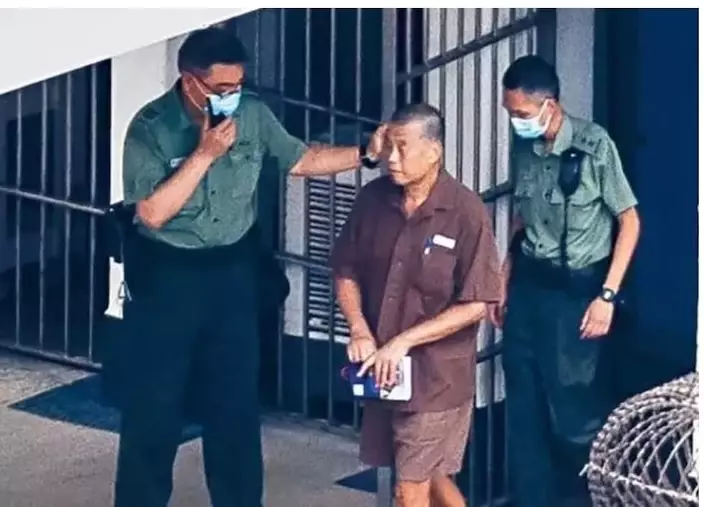
Trump said he brought up Lai's case too. But he downplayed it just the same, and never pressured China to "free Lai."
Whether it's Starmer or Trump, both leaders see the Jimmy Lai case as a card that brings harm and no benefit. With relations with China currently on an upswing, it's best not to play that card at all.
Even so, Sebastian Lai refuses to give up. During Starmer's China visit, he has continued writing op-eds for British media and giving interviews, urging Starmer to pressure China with Jimmy Lai. But anyone paying attention can see it: the sob-story routine isn’t going to work. It’s time he woke up from that fantasy.
What Say You?
** 博客文章文責自負,不代表本公司立場 **
There's an old saying: the righteous build, the wicked destroy. When evil loses to good, we celebrate. China's plan to construct its UK embassy weathered relentless attacks and delays, yet finally got its approval from the British government.
The saboteurs suffered a crushing defeat—yet they refuse to accept it and are already plotting their next moves. Who exactly are these saboteurs? Those tracking the situation identify four distinct factions of troublemakers operating both publicly and in the shadows. Each with different motives and backgrounds, they share one unifying obsession: anti-China sentiment. This same dark force hovers over Hong Kong, waiting for opportunities to stir up fresh chaos.
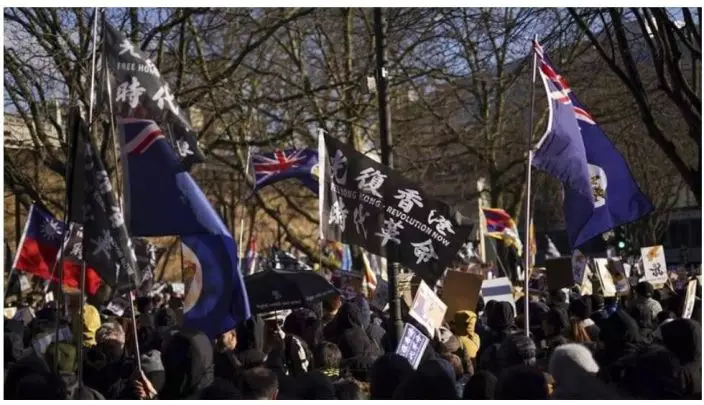
Anti-China factions converged—2019 rioters, Tibetan, Xinjiang, and Taiwan separatists, each with their own agenda.
Washington's Shadow Campaign
Start with the puppeteers pulling strings from behind the curtain. British media exposés reveal that senior US national security officials secretly interfered with Britain's embassy approval process, applying pressure repeatedly.
Over a year ago, senior White House National Security Council members sent messages to British counterparts expressing "concerns" about the project, claiming the new embassy posed "security risks" and demanding British intelligence agencies report to Washington on the matter. Under this pressure, British authorities stalled and delayed its approval.
British media sources further revealed that even after Britain submitted a risk assessment to the Five Eyes alliance stating that communications risks from the new embassy would be manageable, officials from the White House, State Department, and US Embassy in London descended on the British capital en masse. They held three separate meetings with British officials to question security risks all over again. Until recently, US officials continued expressing opposition through various channels, maintaining relentless pressure.
But Prime Minister Keir Starmer is determined to repair relations with China, and pursue stronger cooperation in trade and finance to revitalize Britain's moribund economy. He therefore stood firm against US pressure and ultimately gave the green light to the embassy construction plan.
The Usual Anti-China Suspects
The second faction consists of British politicians with anti-China written all over their faces—several already placed on China's sanctions list. These include former Conservative Party leader Iain Duncan Smith, former UK Security Minister Tom Tugendhat, and Benedict Rogers, founder of the Hong Kong-meddling organization Hong Kong Watch.
Current MP Iain Duncan Smith masterminded support for the 2019 violence and even traveled to Taiwan to curry favor with independence movement leaders. Recently, he ignited calls to "sanction Hong Kong judges."
During protests against China's embassy construction, he repeatedly stood in solidarity with demonstrators and persuaded current Conservative Party leader Kemi Badenoch to appear at a recent protest, dragging the Conservative Party into murky waters.
Tom Tugendhat is equally hawkish. He has consistently exaggerated the "national security threat" posed by Chinese tech companies to Britain, claiming even DeepSeek presents security risks while loudly advocating for Xinjiang independence. His "China threat theory" has become his primary argument against China's new embassy construction, which he has trumpeted repeatedly in Parliament and the media.
As for Benedict Rogers, he is a longtime associate and contact of Jimmy Lai, already notorious in Hong Kong circles. In this campaign against China's embassy construction, he has led from the front, joining other anti-China MPs in attacking Prime Minister Keir Starmer.
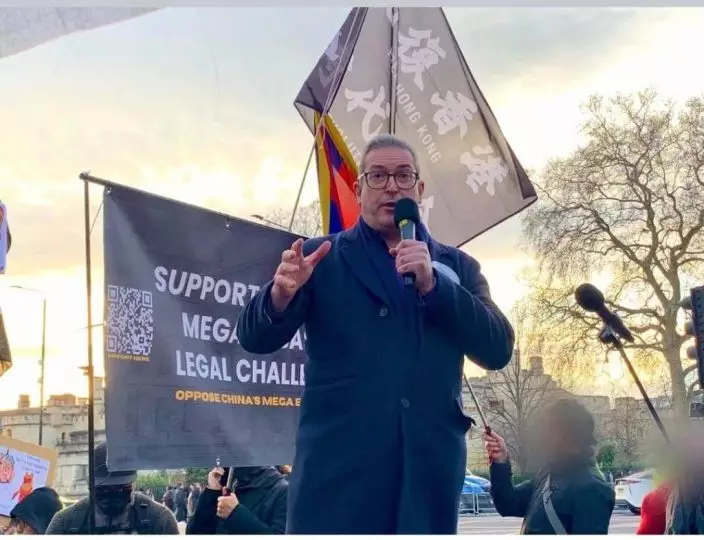
British politicians and U.S. officials pressured from all angles. Pictured: Benedict Rogers pushing "China threat" rhetoric in front of Hong Kong independence flags.
2019 Rioters Replay Their Act
The third faction is the familiar sight of Hong Kong BNO holders who fled to the UK after the 2019 Black Riots. They served as "foot soldiers" in the past nine protests, each time wearing all-black "combat gear" and waving Hong Kong independence flags, recreating the scenes of 2019 violence on London streets.
While they may have satisfied their "protest addiction," they also risk deportation, as their every move is monitored by British national security personnel. When they apply for permanent residence in the future, they may be "filtered out" due to this black mark on their record.
Among all the factions, the fourth is the most inflammatory and controversial—Tibetan independence, Xinjiang independence, and Taiwan independence activists.
At every protest, they wave independence flags and even stomp on the Chinese national flag and portraits of Chinese leaders. Behind the scenes, they coordinate with British politicians, forming an anti-China alliance.
Conservative Party leader Kemi Badenoch actually appeared on stage with the mob—an act of supreme stupidity and extreme danger.
The Last-Ditch Legal Gambit
With the British government's approval of China's embassy construction plan, the four factions of troublemakers have suffered a crushing defeat and major setback. But they will not give up. They are now planning a "legal move"—filing for judicial review with the courts. If the application is accepted, they can continue their flag-waving and apply pressure on the judiciary.
The reality is stark: the Labour government has already approved the plan, and both major intelligence agencies have given the green light. Even if they refuse to accept defeat and want to rematch, that ship has most likely sailed.
Lai Ting-yiu