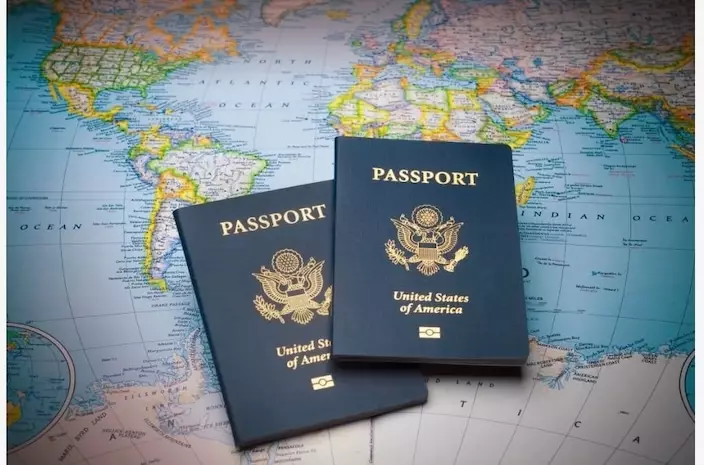
Venezuelan opposition leader María Corina Machado just scored a White House visit with Trump. But she didn't just heap praise on the "Emperor"—she handed over her freshly minted Nobel Peace Prize. Talk about a cringe-inducing ringkissing.
It's a textbook playbook for currying favor with a kingmaker. Watch closely how this "bootlicking virtuoso" operates, though, and you'll spot three uncanny parallels with Jimmy Lai. She's heading down the same path—straight to becoming another discarded "worthless card" in Trump's deck, left with nothing to show for it.
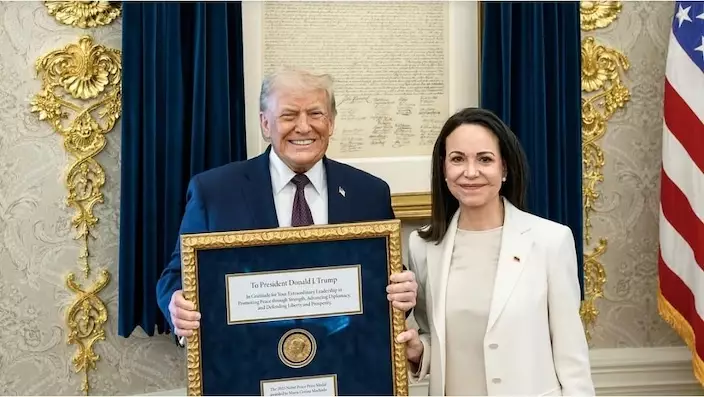
Machado's Peace Prize presented as a gift to Trump. Textbook bootlicking to win the "Emperor's" backing—straight from Jimmy Lai's playbook.
Masters of the Art
First, both excel at stroking Trump's ego—and neither blinks at dialing up the flattery a hundredfold. Machado mounted that Peace Prize medal in a gilded frame and presented it to Trump with honeyed words: "a recognition for his unique commitment with our freedom".
Walking out of the White House clutching a red gift bag emblazoned with Trump's signature, she practically glowed, shouting to supporters: "We can count on President Trump!" Then came the clincher: that the country’s transition would involve “several phases,” with the eventual outcome to be a society that is “profoundly pro-America.”
This kind of sycophancy rings familiar in Hong Kong. Shortly after Trump first took office in January 2017, Jimmy Lai locked onto him as his primary flattery target. That June, when Trump forged a "free trade alliance" with post-Brexit Britain to break from the EU, Lai rushed to pen an article declaring Europe "ossified" and "bullying Trump," while twisting facts to claim Trump wasn't pursuing protectionism. Commentators nailed it then: Lai's relentless "Trump-boosting," piling on endless praise, was all about preserving his status as "America's chief agent."
During the anti-extradition period, Lai elevated Trump to "great saviour" status—the "only hope" for bringing democracy and freedom to China and the Hong Kong Special Administration Region, bordering on religious worship. Lai even wrote that Trump's reelection "would benefit world peace." Those accolades match Machado's recent praise of Trump as "the great benefactor saving Venezuela" word for word.
All Chips on Trump
Second, both went all-in on Trump, staking everything on him. After her White House meeting, Machado told supporters, "We can count on Trump" —in other words, she's banking on Trump to install her as Venezuela's president.
After the Hong Kong National Security Law took effect, Lai pinned even bigger hopes on Trump, believing that if the "Emperor" acted, Beijing would buckle. So Lai told his subordinates that both he and Apple Daily depended on Trump for survival, and no news unfavorable to Trump's campaign could be published.
Third, both believed themselves to be Trump's "trump card," oblivious to the fact that in Trump's mind, they're just useless "worthless cards." After snagging the Peace Prize, Machado rode high, eagerly hoping to return home and seize power. Trump threw ice-cold water on that dream, publicly stating she'd struggle to become Venezuela's leader because she lacks sufficient domestic support. Translation: she's not the chosen one—he won't help her ascend to power.
Trump's Realpolitik
According to inside sources, Machado got dumped primarily because US intelligence officials and senior government figures, including Secretary of State Marco Rubio, all concluded she's not the right person to govern. Forcing her into power would intensify Venezuela's internal chaos—contrary to US interests in taking control. Trump's a 100% pragmatist who values oil over promoting democracy. What matters most is stable transition, so he heeded his advisors' counsel, discarded Machado, and chose acting President Delcy Rodríguez instead.
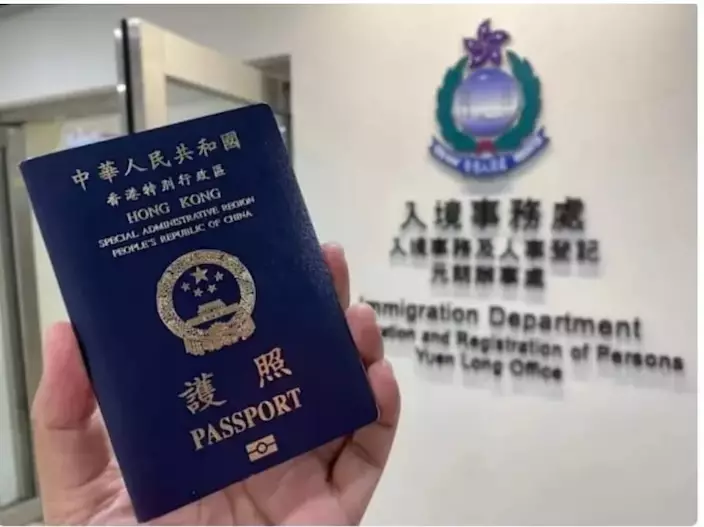
Jimmy Lai's fate follows an eerily similar script. Trump recently told a right-wing podcaster that he'd already raised Lai's case with President Xi in Busan, adding "I'll leave it to him to decide"—essentially saying, I've done my bit, whatever happens next isn't my business. Close observers interpret this to mean that for Trump, the Lai card no longer holds much bargaining value—it's now a useless "worthless card." Sound familiar? That's strikingly similar to Machado's current predicament.
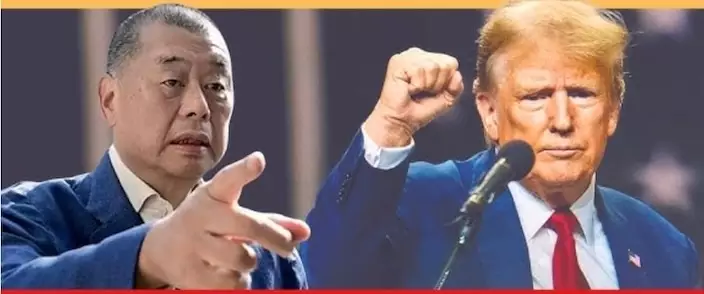
Lai bet everything on Trump to save him. Wrong bet. He's just a "worthless card." Now Machado's learning the same hard lesson.
Here's the interesting part: when discussing both Machado and Lai, Trump still pays lip service, calling both "very wonderful people," leaving himself room to maneuver. But their fate of being abandoned won't change because of those kind words.
Lai Ting-yiu
What Say You?
** 博客文章文責自負,不代表本公司立場 **