The verdict is in for Jimmy Lai. Convicted of collusion with foreign forces, the high-profile case hits the mitigation phase on January 12, as it races toward a final sentence. But the legal process isn't the only thing moving; the political pressure from London and Washington is reaching a fever pitch.
Former UK Conservative leader Iain Duncan Smith is leading the charge, penning articles that demand sanctions against the three judges handling the Lai case. This isn't his first time in the fray. Since the 2019 Black Riots, he has been a fixture in the anti-China circuit, meeting with activists and visiting Taiwan to align with independence advocates.
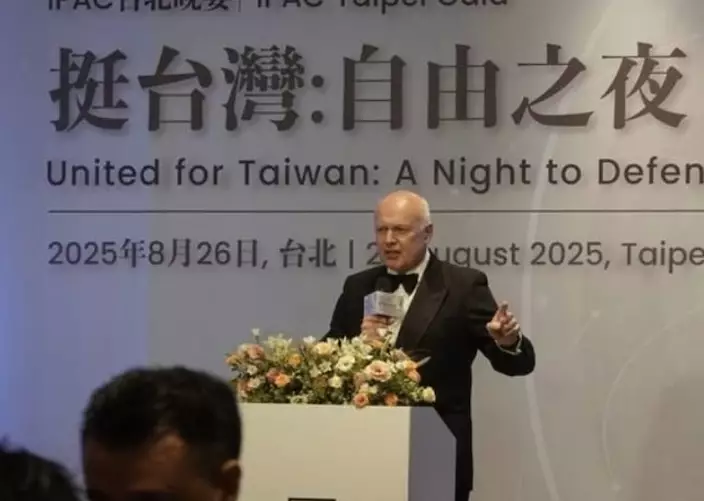
British MP Iain Duncan Smith is playing hardball, pushing for sanctions against judges on the Lai case while maintaining deep ties with Taiwan independence groups.
The US isn't sitting on the sidelines either. Several hawkish senators are baring their teeth, ready to deploy the "Hong Kong Judiciary Sanctions Act" as a tool of intimidation. The bullets are chambered and ready to fire. Yet, despite the threats, Hong Kong’s judges are showing some serious backbone, standing their ground against external heat.
Duncan Smith’s drumbeat for sanctions looks like a last-ditch effort to squeeze out political leverage as the case concludes. He’s rallying the usual suspects—former Governor Chris Patten and Hong Kong Watch founder Benedict Rogers—to ramp up the pressure on National Security Law judges. It’s an attempt to flip the script at the eleventh hour.
Foreign Pressure Meets Judicial Steel
Legal insiders have dug up the receipts on Duncan Smith. Court revelations show he was a key figure behind the scenes during the 2019 Black Riots, communicating with IPAC founder Luke de Pulford about using the Magnitsky Act to sanction then-Chief Executive Carrie Lam. It’s a clear pattern of interference that dates back years.
While the prosecution also states that Lai has known Duncan Smith since 2020, seeking his help to lobby for foreign sanctions, the British politician flatly denied even knowing him in media interviews. A bold claim, one that doesn't seem to square with the evidence presented in court.
On top of that, Duncan Smith did not just sit in Westminster and commentate. During the 2019 Black Riots period, he repeatedly met Hong Kong opposition figures and “movement participants” under the banner of policy research, while in reality fanning the flames from behind the scenes. The exact part he played in that unrest may never be fully spelled out, but the pattern is clear – he was not a neutral observer, he was an active political player in a foreign city’s turmoil.
Taiwan, Sanctions and a Political Script
Legal-sector contacts add another layer: Duncan Smith is not only a steady hand in Hong Kong destabilization, he is also tightly wired into Taiwan “independence” circles.
Last August, Smith personally flew to Taiwan to attend an IPAC “cross-national parliamentarians” symposium in support of Taiwan. Headlined a “Stand with Taiwan: Freedom Night”, the event portrayed the mainland “authoritarian regime” as an ever-closer threat that would “destroy your independent status,” language tailor-made to cheer a “Taiwan independence” audience.
In the room, independence leader Louise Hsiao Bi-khim – now Lai Ching-te’s deputy and the number-two figure in the administration – responded with enthusiastic applause and public thanks, and Smith’s pro-“Taiwan independence” stance was on full display throughout the event.
Seen in that light, his demand to sanction Hong Kong judges is not about law; it is about politics, and hard-edged anti-China politics at that. Dressing it up as concern over supposed “judicial injustice” toward Jimmy Lai is just verbal smoke – rhetoric hiding a clear strategic aim to pressure and delegitimize Hong Kong’s courts.
Washington Hawks Load a New Weapon
Duncan Smith and his allies in London are not acting alone.
In May last year, three US senators introduced the “Hong Kong Judicial Sanctions Act,” a bill that, if acted on, would put a long list of Hong Kong judges and prosecutors – including Court of Final Appeal Chief Justice Andrew Cheung and Director of Public Prosecutions Maggie Yang – in the crosshairs of potential sanctions, turning legal professionals into political targets.
At the same time, Mark Clifford – a core member of Jimmy Lai’s inner circle and head of the Committee for Freedom in Hong Kong Foundation – rolled out a report smearing Hong Kong’s judiciary, echoing these Senate hawks point for point and keeping the spotlight on Hong Kong judges and prosecutors, with the pressure dial constantly turned up.
A seasoned political insider put it bluntly: this camp is already at daggers drawn, just waiting for sentencing in Lai’s case as the trigger. When the court hands down its decision, they are expected to move again, this time with heavier blows aimed squarely at Hong Kong’s judicial sector through new attacks and lobbying.
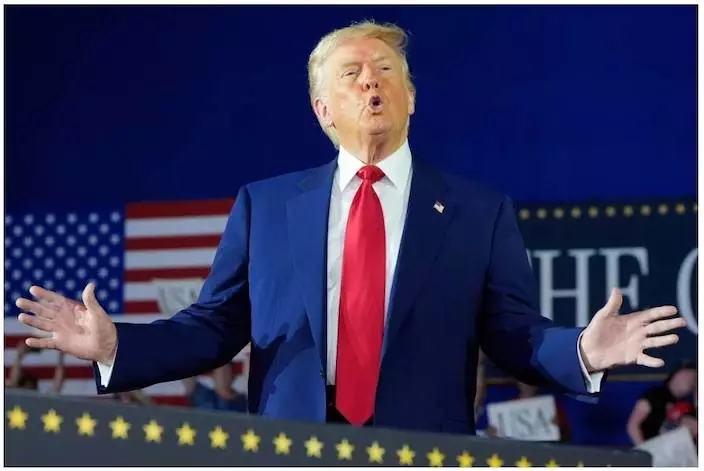
That said, one big variable hangs over their plan – Trump. Even if Congress pushes the bill forward, whether it actually bites still depends on Trump’s calculation: if he decides he does not want to pick a fresh fight with China over Jimmy Lai, especially with a future China visit on his calendar, he can simply refuse to sign the act and leave it on the shelf.
Judges Hold Their Nerve
Whatever happens in Washington or London, one thing seems certain: the threats from US and UK hawks will keep escalating, and the pressure on Hong Kong’s judicial personnel will only grow.
Yet, as former Director of Public Prosecutions Grenville Cross has stressed: in the face of various intimidations, judges have remained unmoved throughout, dutifully performing their responsibilities and crushing anti-China forces’ schemes to obstruct judicial justice. That resilience showcases the strength and superiority of Hong Kong’s common law system rather than its weakness.
Legal friends strongly echo Cross’s view: Hong Kong judges really have stood their ground against external forces and proven themselves “resolute” in practice – a rare quality, because being put on a sanctions list is no small personal or professional burden.
Another important signal is coming from Hong Kong’s foreign judges, who have publicly backed the independence and fairness of the city’s judicial system. Court of Appeal Vice President Andrew Colin Macrae recently told a Bar Association forum that he has never seen Hong Kong judges take instructions from anyone, stressing that when they adjudicate cases, they maintain independence and fairness, and the public has reason to feel reassured by that track record.
In recent years, anti-China politicians across the UK, US, Australia and other Western countries have been leaning hard on Hong Kong’s foreign judges, trying to force them to toe a political line. Against that backdrop, Macrae’s willingness to take the heat, speak plainly and defend Hong Kong’s courts in public is all the more commendable. Clearly knowing that the blowback will come, he still chooses to speak up anyway.
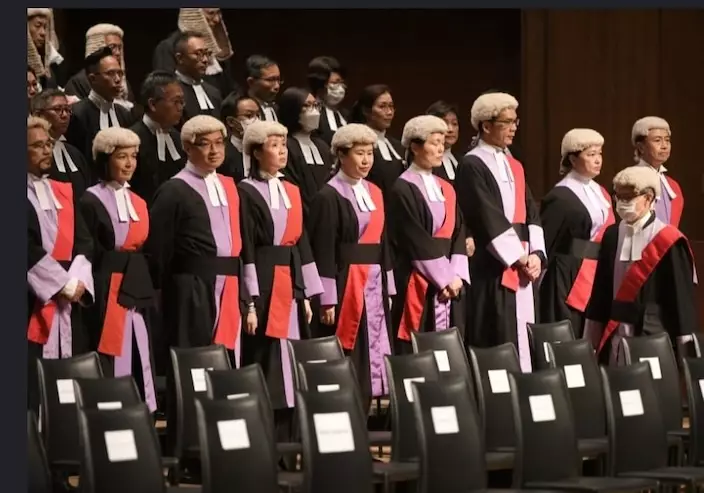
Facing a storm of international pressure, Hong Kong’s judges are refusing to buckle, upholding the city’s legal integrity.
Ultimately, the judges’ resolve is anchored in the principles at the heart of Hong Kong’s judicial system. With the law on their side and the standards clear, they can meet every challenge openly and without apology—and no amount of noise or intimidation from outside forces will dislodge that foundation. They will press on, calmly and firmly, with the same quiet determination they have shown all along.
Lai Ting-yiu
What Say You?
** The blog article is the sole responsibility of the author and does not represent the position of our company. **