
Skip to Content Facebook Feature Image

BNO Dream Crumbles: 60,000 Face the Door as UK Tightens the Screws

Blog

BNO Dream Crumbles: 60,000 Face the Door as UK Tightens the Screws
Blog

Blog

BNO Dream Crumbles: 60,000 Face the Door as UK Tightens the Screws

2026-01-15 16:03 Last Updated At:16:03

As the Year of the Horse approaching, Hong Kong BNO holders in the UK are bracing for a gut punch. The festive season brings no joy—only anxiety. Mid-February marks the deadline for the UK government's consultation on raising permanent residency thresholds, and the verdict on whether BNO holders get a pass is about to drop.

The Home Office floated immigration reforms that would keep the "5+1" rule intact—five years of residence before you can apply—but the bar just shot up, with higher English proficiency requirements and stable income. For many, these hurdles are insurmountable.
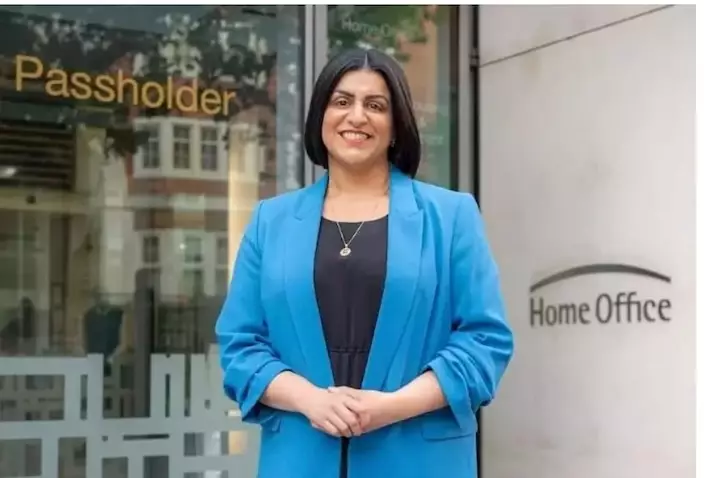
Mahmood's stonewalling to BNO holders' demands signals bad news. The February verdict looms.

Mahmood's stonewalling to BNO holders' demands signals bad news. The February verdict looms.

Hong Kong BNO holders fired off "five demands" to the authorities, pleading for relief. Home Secretary Shabana Mahmood's response was ice cold. Zero acknowledgment of their demands. Her dismissive tone signals one thing: exemptions for BNO holders look dead in the water.

If the final call goes all the way, thousands who waited five years will crash at the finish line. A return wave to Hong Kong is inevitable. The Hong Kong government needs to get ready.

The Dual Knockout Blow

The UK government didn't just raise the bar—it installed a double gate that slams shut on 60,000 people. First gate: English proficiency must hit B2 level, equivalent to A-Level, practically university standard. Second gate: annual income over the past three to five years must reach at least £12,570, with tax records to prove it.

Surveys by Hong Kong migrant organizations paint a grim picture: if these "dual requirements" become reality, 30% of BNO holders—roughly 60,000 people—will fail to qualify and get filtered out. No wonder panic is spreading.

While anxiety mounts, the UK government plays coy. Ambiguous statements. Equivocal attitudes. Nobody can read their hand. Now, with just one month until the announcement, BNO holders are reaching peak agitation. A group of Hong Kong voters in Mahmood's constituency drafted a joint letter, restating the "five demands" and requesting a face-to-face meeting to apply pressure.

Mahmood responded quickly—but only to say Hong Kong BNO holders could apply for permanent residency after five years. As for the "five demands"? Crickets. Instead, she reiterated that those granted permanent residency must meet three criteria: being "well-integrated," "economically self-sufficient," and "committed” to the communities they join.

Mahmood Goes Silent

One Hong Kong BNO holder who signed the petition decoded those three phrases: "integration" and "commitment" are code words for English proficiency and income levels. Translation: BNO holders applying for permanent residency must also clear these two hurdles.

These Hong Kong residents sent a follow-up letter to Mahmood, requesting a meeting to present their case in person. Her response? Radio silence. Phone calls to her constituency office go unanswered. She's clearly ducking any face-to-face encounter.

Mahmood is stonewalling, and nobody can do a thing about it. Frustrated BNO holders vent to yellow media outlets, angrily branding her "heartless." But here's the reality check: the Labour government's approval ratings are tanking. Reform UK is breathing down their necks on immigration. Immigration policy will err on the side of restriction, not relaxation. Naturally, they're inclined to treat BNO holders the same as everyone else. No special treatment. No "sentiment." The "five demands" might as well be whispers in the wind.

Two Paths Forward

Friends living in the UK lay out the scenario: if the UK government announces "no relaxation" next month, BNO holders who can't meet the requirements face two choices.

First option: return to Hong Kong and start over. After all, life in the UK hasn't been entirely rosy—living day after day in anxiety. "Returning home" might actually be a relief.

Second option: continue to "temporarily reside" in the UK on a BNO visa, becoming long-term temporary residents. But they'll remain in an unstable state, which won't be comfortable.

There's also a thornier complication: some BNO families migrated to the UK with their parents, and one spouse hasn't worked or earned any income for several years. If these family members don't meet the criteria for applying for permanent residency, it could trigger family separation or force the entire family to return to Hong Kong. They'll face an agonizing decision. Quite a mess.
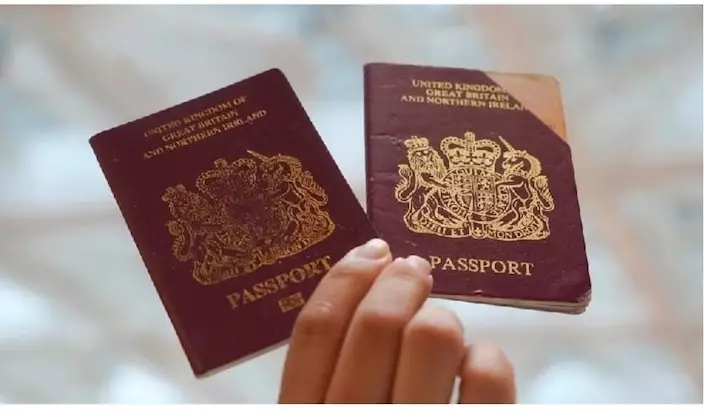
No exemptions? Brace for the return wave.

No exemptions? Brace for the return wave.

My friend predicts that if the worst-case scenario materializes, a return wave is sure to come. For Hong Kong, there will be upsides and downsides. Either way, the government needs to get ready and figure out how to handle it.


What Say You?

** The blog article is the sole responsibility of the author and does not represent the position of our company. **

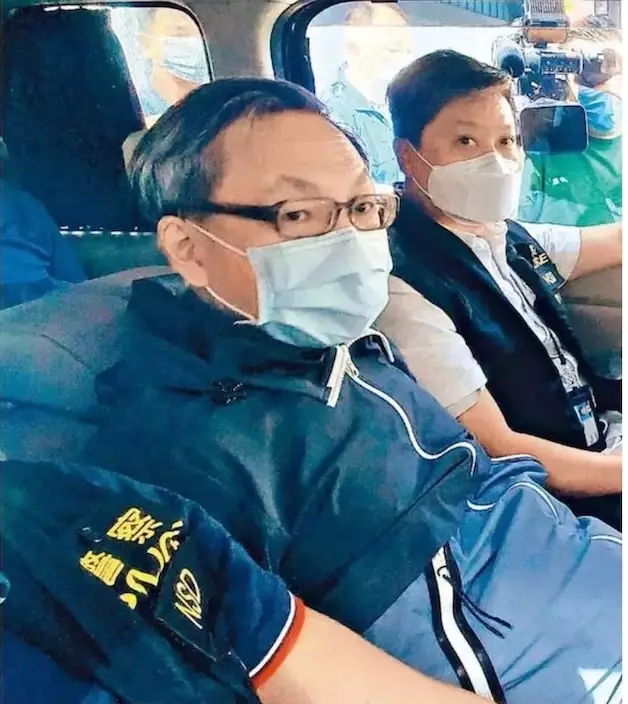
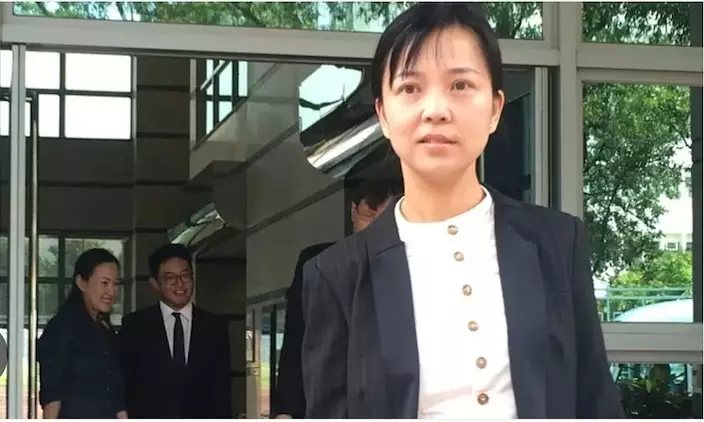
Sentencing pleas in the Jimmy Lai case took a stark turn on day two. Two of Apple Daily's most senior executives—publisher Cheung Kim-hung and deputy publisher Chan Pui-man—laid bare the brutal reality of working under Lai's thumb.
 
Through their lawyers, Cheung and Chan described an environment where dissent was futile, orders were absolute, and resistance meant risking everything. Both painted a picture of powerless lieutenants dragged down an illegal path by a boss who wouldn't budge.

Defense counsel argued Cheung Kim-hung held the CEO title but lacked real authority. He could only execute the "mastermind's" orders—objection achieved nothing.

Defense counsel argued Cheung Kim-hung held the CEO title but lacked real authority. He could only execute the "mastermind's" orders—objection achieved nothing.

During trial testimony, both executives recounted losing their free will under Lai's command. On Tuesday, Chan went further. She revealed she'd considered quitting but couldn't afford to walk away because of her own medical need. She told the court she deeply regretted failing to hold fast to journalistic principles.
 
Lai's Top Gun

Cheung Kim-hung was Lai's number one. He'd jumped ship from Apple Daily back in 2005, only to return five years later and climb to publisher and CEO. But when the anti-extradition protests erupted, Cheung became what his lawyer called an "execution tool"—someone who could only carry out the boss's orders.
 
Yesterday's plea hearing revealed a telling example. Lai wanted to bring former US Army Vice Chief of Staff Jack Keane onto his interview show. Cheung pushed back, asking whether it "might be too sensitive." Lai ignored him. After the Hong Kong National Security Law took effect, Cheung tried again—this time urging Lai and colleagues not to break the law. The evidence speaks for itself: despite repeated warnings, Lai pressed on, only tweaking his methods slightly.
 
Defense counsel made it clear: Cheung wanted to limit the damage but had no real control. Yes, he held the CEO title. But actual power? Limited. He could only follow the "mastermind's" instructions and try to minimize the fallout from the coverage.
 
In court testimony, Cheung didn't mince words about being trapped. He called himself a "tool." Lai constantly issued editorial directives and had the final say on everything. Refusing wasn't really an option. Editorial autonomy existed only in the gaps—those rare moments when Lai hadn't issued orders. At the infamous "lunchbox meetings," Lai would spell out his political stance and tell everyone to fall in line.
 
About a month after the National Security Law came into force, both Cheung and Chan worried they were heading into legal danger. They opposed some of Lai's moves. Lai went his own way and dismissed their concerns.
 
Chan's Impossible Choice

Deputy publisher Chan Pui-man faced the same crushing dynamic. When Lai proposed using Apple Daily to mobilize a "one person, one letter" campaign urging Trump to intervene, Chan did raise objection. Lai pushed ahead anyway.
 
During her testimony, Chan revealed Lai went even further. He ordered her to compile a "Shit list"—a sanctions target list naming HKSAR officials and political figures. This dragged her beyond editorial work into outright political action.
 
The mitigation hearing added new details about Chan's predicament. Her lawyer said she tried blocking controversial articles from publication, had even considered resigning early to escape Apple Daily. But serious illness and mounting treatment costs trapped her. She faced financial hardship and needed the paycheck to survive. So she stayed.

Chan Pui-man expressed deep regret for abandoning journalistic principles. She'd wanted to quit Apple Daily, but mounting medical bills for serious illness left her no choice but to stay.

Chan Pui-man expressed deep regret for abandoning journalistic principles. She'd wanted to quit Apple Daily, but mounting medical bills for serious illness left her no choice but to stay.

In her mitigation letter, she expressed profound regret for failing to stand firm on journalistic principles.
 
The pleas from Cheung and Chan expose the human cost of working under Lai's boulder-like pressure. Unable to uphold their principles, they were dragged onto an illegal path and ended up behind bars. Little wonder both pleaded guilty and turned prosecution witnesses against their former boss. After years of submission, testifying became their final act of resistance.
  
Lai Ting-yiu

Recommended Articles