For years, a US passport was the gold standard. Not anymore.
The Henley Passport Index—the gold standard ranking compiled by British immigration consultancy Henley & Partners—just dropped its latest scorecard. And the numbers tell a brutal story: America's passport has slipped to 10th place globally.
Sounds respectable, right? Wrong. Because of tied rankings, 37 countries and regions actually sit above the US. Compared to a decade ago when America dominated the top three spots, this is a freefall.
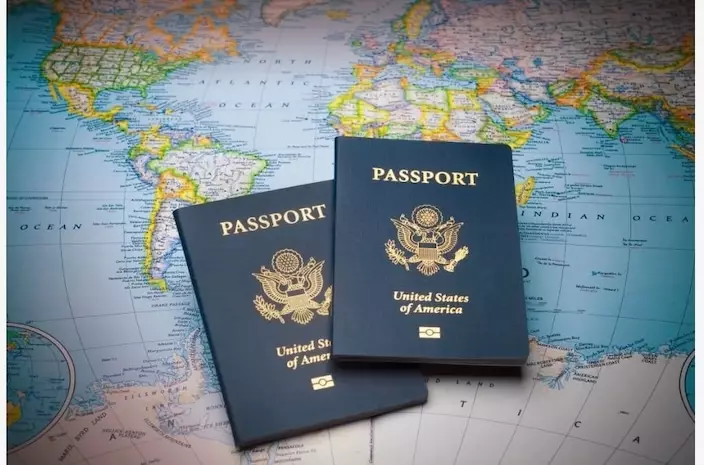
US passport drops below 37 countries—Trump's bullying backfires as ranking plunges from top three.
China, meanwhile, tells the opposite story. Its passport has rocketed from 94th place in 2015 to 59th in the latest rankings—a 35-position surge in just ten years. And Hong Kong's SAR passport? It climbed to 15th place, its highest ranking since 2014.
Why the US passport declines? Simple. America has been playing the bully. Washington has tightened visa requirements for other countries while slashing reciprocal agreements. Then there's Trump's big-stick diplomacy—swinging wildly, making enemies everywhere. Several countries have already revoked visa-free access for Americans. Brazil is just one example.
The American passport now grants visa-free access to 179 destinations. That's 13 fewer than Singapore, which holds the top spot. In other words, that blue booklet doesn't guarantee smooth sailing anymore.
Dr. Christian Kaelin, chairman of Henley & Partners, nailed it when analyzing last year's US decline: "Nations that embrace openness and cooperation are surging ahead, while those resting on past privilege are being left behind." He didn't name names. He didn't have to.
China's Strategic Opening
China is clearly one of those countries "embracing openness and cooperation" that Kaelin mentioned. With 139 visa-free destinations, China's passport now ranks 59th globally—up from 94th in 2015. That's a 35-position leap in ten years.
The reason? Beijing extends the hand of friendship everywhere. Last year alone, China granted visa-free entry to 30 additional countries. Given the principle of reciprocity, it's no surprise that visa-free destinations for Chinese passport holders have multiplied dramatically.
Hong Kong's Impressive Climb
The Hong Kong SAR passport's performance is equally striking. It jumped from 18th place last year to 15th this January—its highest ranking since 2014. With over 170 visa-free destinations compared to America's 179, Hong Kong trails by just a handful of spots.
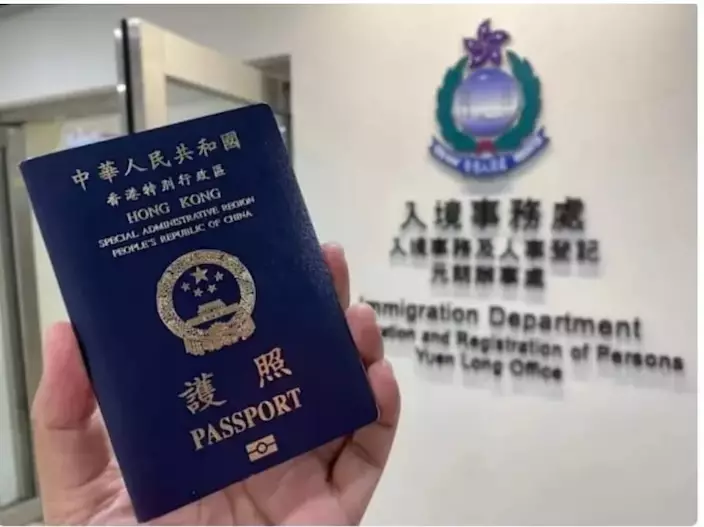
Hong Kong SAR passport hits 15th place—highest since 2014—and closing fast on the US.
And catching up isn't out of reach. Beijing actively cultivates friendships through foreign policy and has paved the bright path of the Belt and Road Initiative. Riding this tailwind, Hong Kong is developing economic, trade, and financial relationships with countries along the route. More nations will likely grant visa-free access to SAR passports as these ties deepen. If that happens, Hong Kong's ranking could climb several more positions.
The British Passport Isn't Faring Better
Here's an irony worth noting: Many Hong Kong people who emigrated to the UK are desperately seeking British citizenship. Yet the British passport is also sliding in global rankings—falling from 6th place two years ago to 8th, with eight fewer visa-free destinations year-over-year. Its "gold content" is clearly decreasing, and the gap with Hong Kong SAR passports is narrowing fast.
Don't underestimate what these passport rankings reveal. America's deteriorating status reflects more than weakening "soft power"—it's the direct consequence of Trump's unjust actions and bullying behavior. When you offend people everywhere, eventually there's a price to pay.
Lai Ting-yiu
What Say You?
** 博客文章文責自負,不代表本公司立場 **
As the Year of the Horse approaching, Hong Kong BNO holders in the UK are bracing for a gut punch. The festive season brings no joy—only anxiety. Mid-February marks the deadline for the UK government's consultation on raising permanent residency thresholds, and the verdict on whether BNO holders get a pass is about to drop.
The Home Office floated immigration reforms that would keep the "5+1" rule intact—five years of residence before you can apply—but the bar just shot up, with higher English proficiency requirements and stable income. For many, these hurdles are insurmountable.
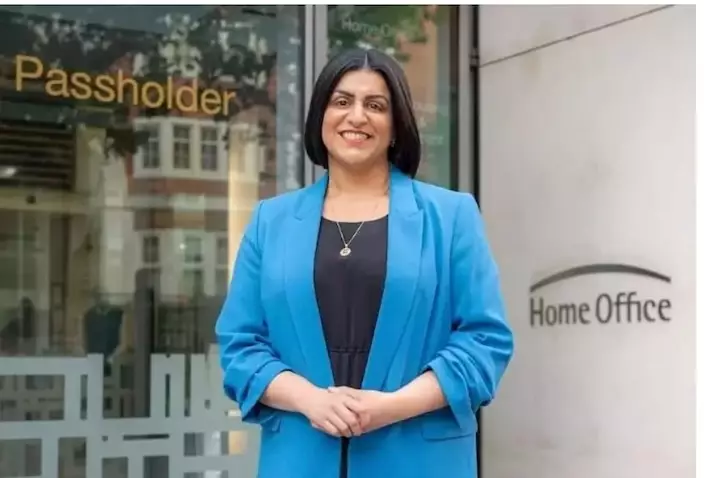
Mahmood's stonewalling to BNO holders' demands signals bad news. The February verdict looms.
Hong Kong BNO holders fired off "five demands" to the authorities, pleading for relief. Home Secretary Shabana Mahmood's response was ice cold. Zero acknowledgment of their demands. Her dismissive tone signals one thing: exemptions for BNO holders look dead in the water.
If the final call goes all the way, thousands who waited five years will crash at the finish line. A return wave to Hong Kong is inevitable. The Hong Kong government needs to get ready.
The Dual Knockout Blow
The UK government didn't just raise the bar—it installed a double gate that slams shut on 60,000 people. First gate: English proficiency must hit B2 level, equivalent to A-Level, practically university standard. Second gate: annual income over the past three to five years must reach at least £12,570, with tax records to prove it.
Surveys by Hong Kong migrant organizations paint a grim picture: if these "dual requirements" become reality, 30% of BNO holders—roughly 60,000 people—will fail to qualify and get filtered out. No wonder panic is spreading.
While anxiety mounts, the UK government plays coy. Ambiguous statements. Equivocal attitudes. Nobody can read their hand. Now, with just one month until the announcement, BNO holders are reaching peak agitation. A group of Hong Kong voters in Mahmood's constituency drafted a joint letter, restating the "five demands" and requesting a face-to-face meeting to apply pressure.
Mahmood responded quickly—but only to say Hong Kong BNO holders could apply for permanent residency after five years. As for the "five demands"? Crickets. Instead, she reiterated that those granted permanent residency must meet three criteria: being "well-integrated," "economically self-sufficient," and "committed” to the communities they join.
Mahmood Goes Silent
One Hong Kong BNO holder who signed the petition decoded those three phrases: "integration" and "commitment" are code words for English proficiency and income levels. Translation: BNO holders applying for permanent residency must also clear these two hurdles.
These Hong Kong residents sent a follow-up letter to Mahmood, requesting a meeting to present their case in person. Her response? Radio silence. Phone calls to her constituency office go unanswered. She's clearly ducking any face-to-face encounter.
Mahmood is stonewalling, and nobody can do a thing about it. Frustrated BNO holders vent to yellow media outlets, angrily branding her "heartless." But here's the reality check: the Labour government's approval ratings are tanking. Reform UK is breathing down their necks on immigration. Immigration policy will err on the side of restriction, not relaxation. Naturally, they're inclined to treat BNO holders the same as everyone else. No special treatment. No "sentiment." The "five demands" might as well be whispers in the wind.
Two Paths Forward
Friends living in the UK lay out the scenario: if the UK government announces "no relaxation" next month, BNO holders who can't meet the requirements face two choices.
First option: return to Hong Kong and start over. After all, life in the UK hasn't been entirely rosy—living day after day in anxiety. "Returning home" might actually be a relief.
Second option: continue to "temporarily reside" in the UK on a BNO visa, becoming long-term temporary residents. But they'll remain in an unstable state, which won't be comfortable.
There's also a thornier complication: some BNO families migrated to the UK with their parents, and one spouse hasn't worked or earned any income for several years. If these family members don't meet the criteria for applying for permanent residency, it could trigger family separation or force the entire family to return to Hong Kong. They'll face an agonizing decision. Quite a mess.
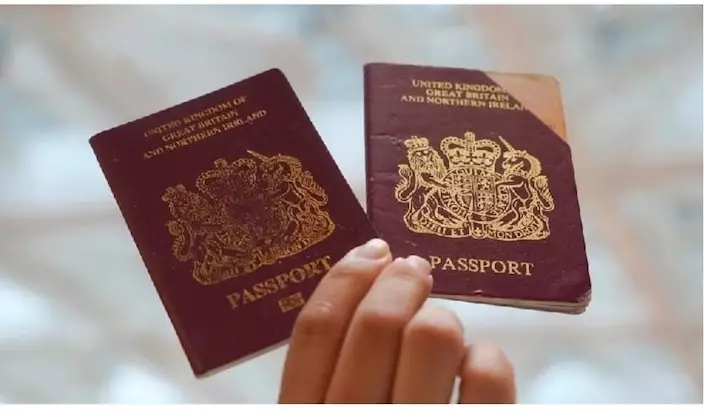
No exemptions? Brace for the return wave.
My friend predicts that if the worst-case scenario materializes, a return wave is sure to come. For Hong Kong, there will be upsides and downsides. Either way, the government needs to get ready and figure out how to handle it.