AUSTIN, Texas (AP) — A Texas judge on Wednesday declined to keep Camp Mystic closed this summer in a case about operating the all-girls youth camp where 25 girls and two counselors were killed in catastrophic floods last year.
While a lawsuit filed by one of the girl's families is pending, District Judge Maya Guerra Gamble did order Camp Mystic's owners not to alter or demolish the cabins where campers were housed during the floods last Fourth of July and to avoid using the portion of the camp closest to the Guadalupe River where those cabins were located.
Click to Gallery

Camp Mystic owner Tweety Eastland, center, attends a hearing about a temporary restraining order regarding the camp, at the Travis County Courthouse in Austin, Texas, on Wednesday, March 4, 2026. (Jay Janner/Austin American-Statesman via AP, Pool)
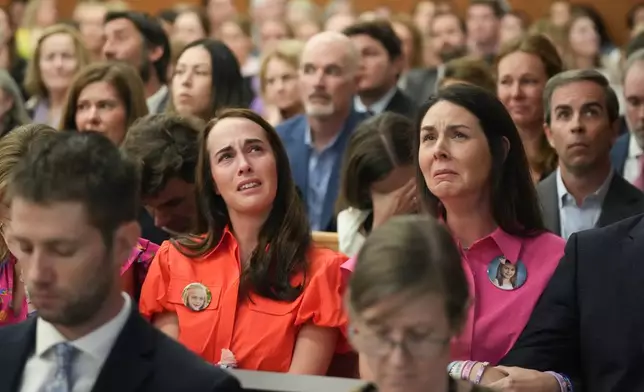
Alli Naylor, center left, mother of Wynne Naylor, and Malorie Lytal, center right, mother of Kellanne Lytal, attend a hearing about a temporary restraining order for Camp Mystic, at the Travis County Courthouse in Austin, Texas, on Wednesday, March 4, 2026. (Jay Janner/Austin American-Statesman via AP, Pool)
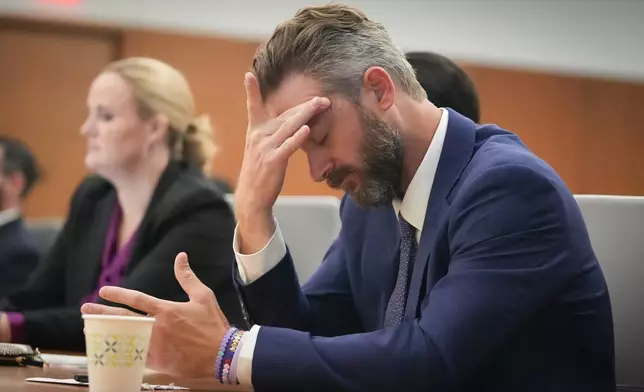
Will Steward attends a hearing about a temporary restraining order regarding Camp Mystic, at the Travis County Courthouse in Austin, Texas, on Wednesday, March 4, 2026. (Jay Janner/Austin American-Statesman via AP, Pool)
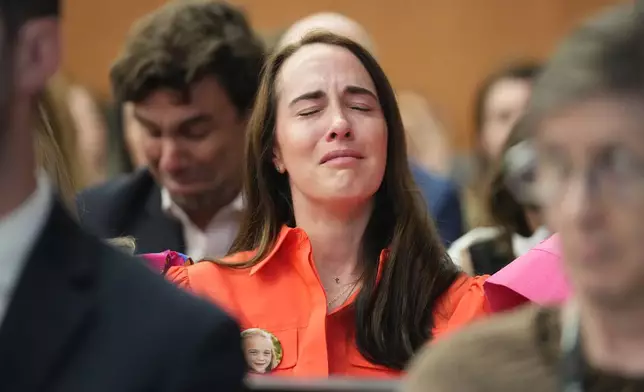
Alli Naylor, mother of Wynne Naylor who died at Camp Mystic, reacts as attorneys argue for a temporary restraining order regarding the camp, at the Travis County Courthouse in Austin, Texas, on Wednesday, March 4, 2026. (Jay Janner/Austin American-Statesman via AP, Pool)
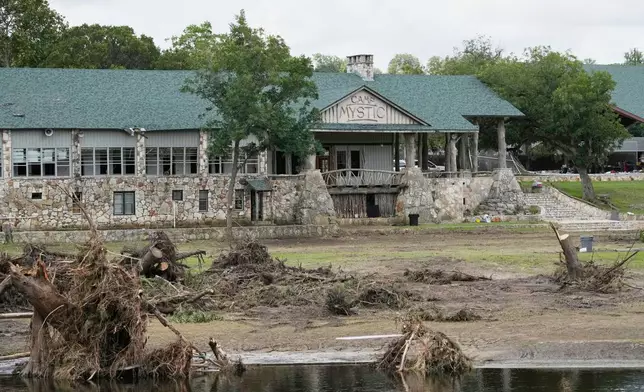
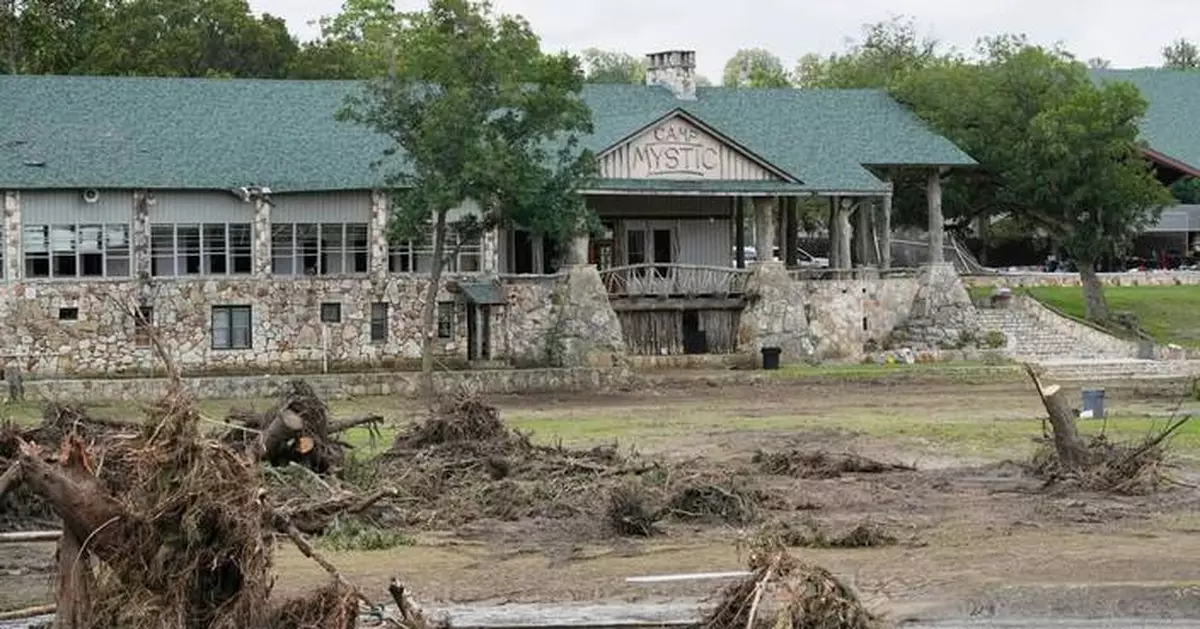
FILE - Camp Mystic in Hunt, Texas, on July 9, 2025. (AP Photo/Ashley Landis, File)
The family of 8-year-old Cile Steward, who was swept away in the flood and whose body still has not been recovered, had asked the judge to prevent the owners from reopening the facility and to halt any construction while the lawsuit is pending. Their request for a temporary injunction maintains that any changes at the camp could destroy evidence needed for their lawsuit.
“What we’re trying to do is preserve the evidence that’s there so that we can understand, so that future campers will never be put in a situation like this again," Will Steward, Cile's father, told reporters after the hearing.
The campers and counselors were killed when the fast-rising floodwaters roared through a low-lying area of the summer camp before dawn on the Fourth of July. All told, the destructive flooding killed at least 136 people, raising questions about how things went so terribly wrong.
The camp, established in 1926, did not evacuate and was hit hard when the river rose from 14 feet (4.2 meters) to 29.5 feet (9 meters) within 60 minutes.
“The worst thing you can do is put a bunch of 8-year-olds on a bus and try to drive them out of there, They all would have drowned,” said Mikal Watts, an attorney for Camp Mystic and its family of owners.
In a packed courtroom Wednesday, family members of the deceased girls wore buttons depicting their images as lawyers for Camp Mystic displayed pictures of trees planted in their memory and architectural renderings of plans to rebuild parts of the camp outside a 1,000-year flood zone.
Attorneys for Camp Mystic have expressed sympathy for the girls’ families but maintained there was little they could have done during the catastrophic flooding that quickly overcame the camp. Pictures of the rising floodwaters were shown in court Wednesday.
“Nobody had every seen a prior flood anything like we saw in 2025,” Watts said.
More than 850 campers have already signed up to attend camp this summer, he said.
Edward Eastland, the son of camp owner Richard Eastland, who died in the flooding, testified Wednesday that his mother, his wife and their children as well as another staff member were at a camp house when “the double doors of the house broke open” from floodwaters. They had to break out a separate window to climb out and evacuate to higher ground. All survived.
The camp had security cameras around the campus, Eastland said, but no one was watching the live feed in the middle of the night as the waters rose. When he tried to pull it up about 3 a.m., he wasn’t able to.
The camp’s decision last year to partially open and to construct a memorial on the grounds drew outrage from many of the girls' families who are mourning their loved ones and who said they weren’t consulted on the plans.
Lt. Gov. Dan Patrick has asked Texas regulators not to renew the license for Camp Mystic while the deaths are being investigated and cited legislative probes that are expected to begin in the spring.
Families of several of the girls who died have sued the camp's operators, arguing that camp officials failed to take necessary steps to protect the campers as life-threatening floodwaters approached.
Murphy reported from Oklahoma City.
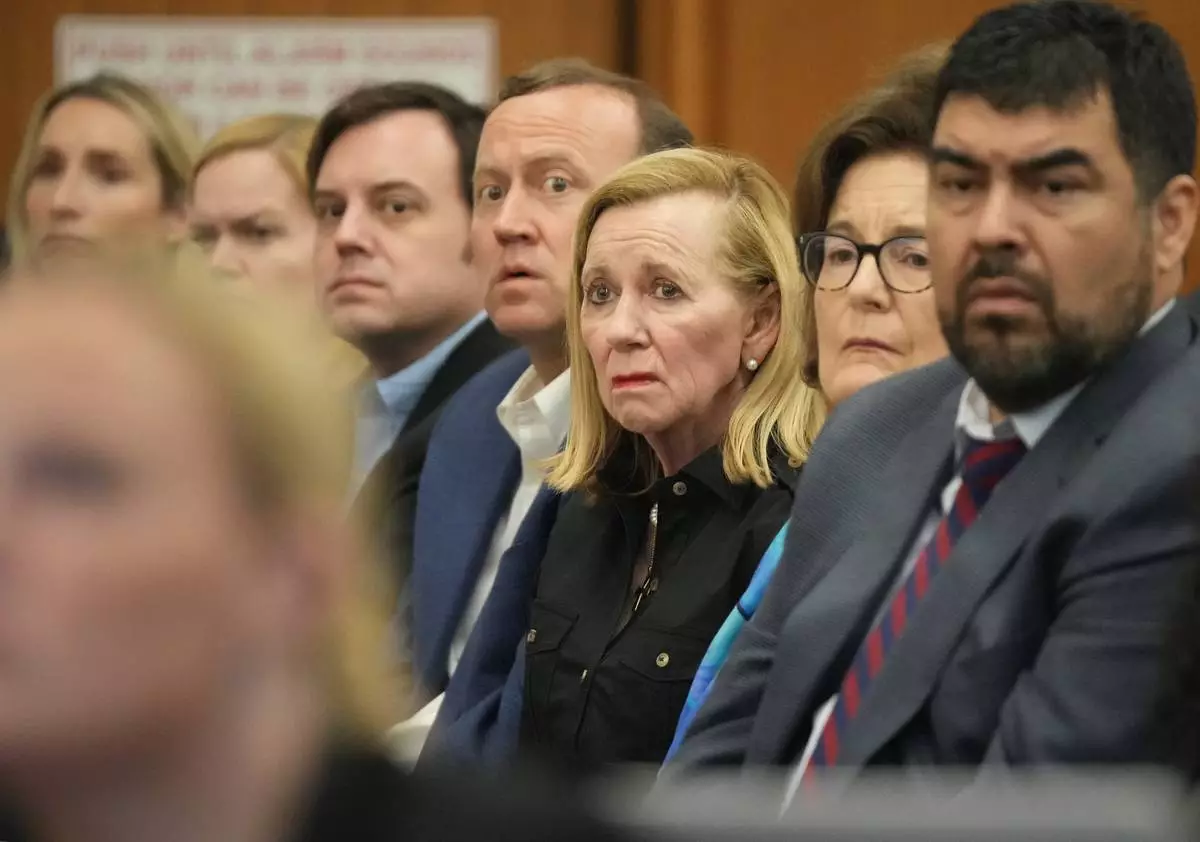
Camp Mystic owner Tweety Eastland, center, attends a hearing about a temporary restraining order regarding the camp, at the Travis County Courthouse in Austin, Texas, on Wednesday, March 4, 2026. (Jay Janner/Austin American-Statesman via AP, Pool)
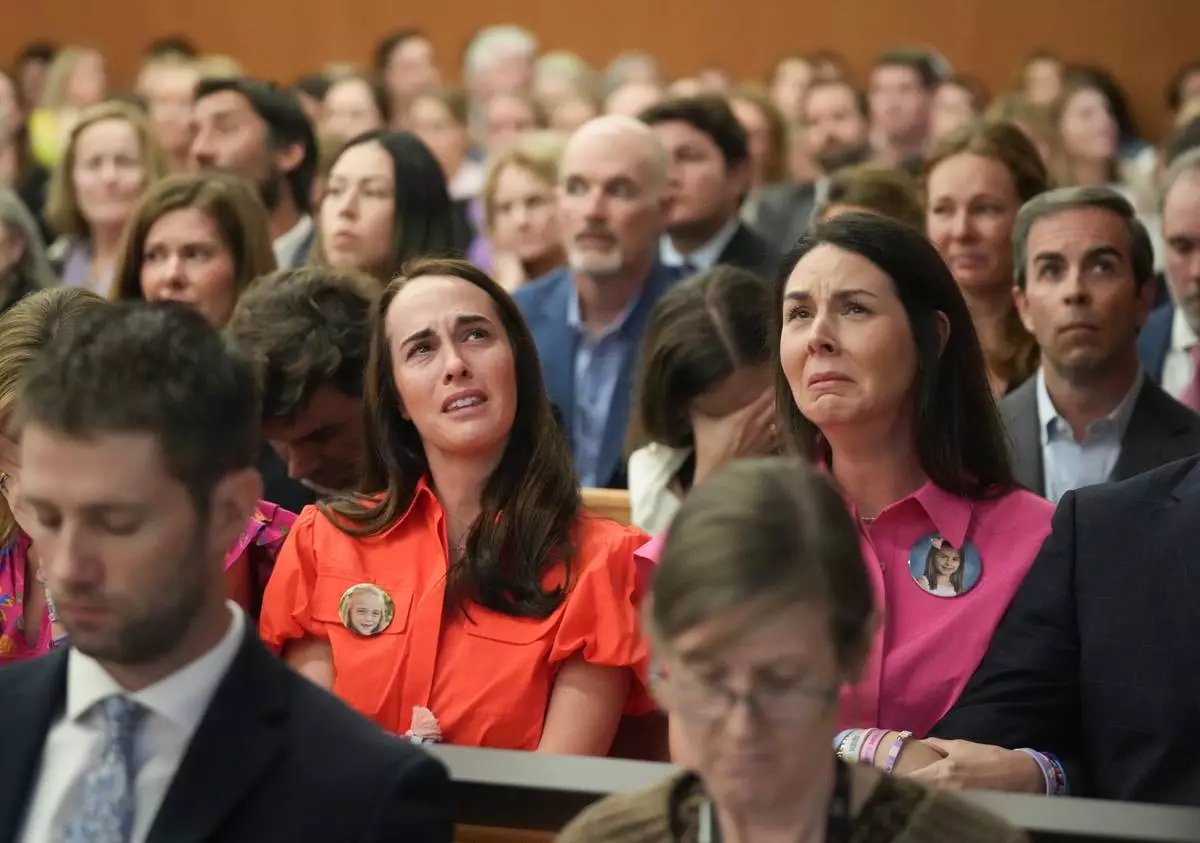
Alli Naylor, center left, mother of Wynne Naylor, and Malorie Lytal, center right, mother of Kellanne Lytal, attend a hearing about a temporary restraining order for Camp Mystic, at the Travis County Courthouse in Austin, Texas, on Wednesday, March 4, 2026. (Jay Janner/Austin American-Statesman via AP, Pool)
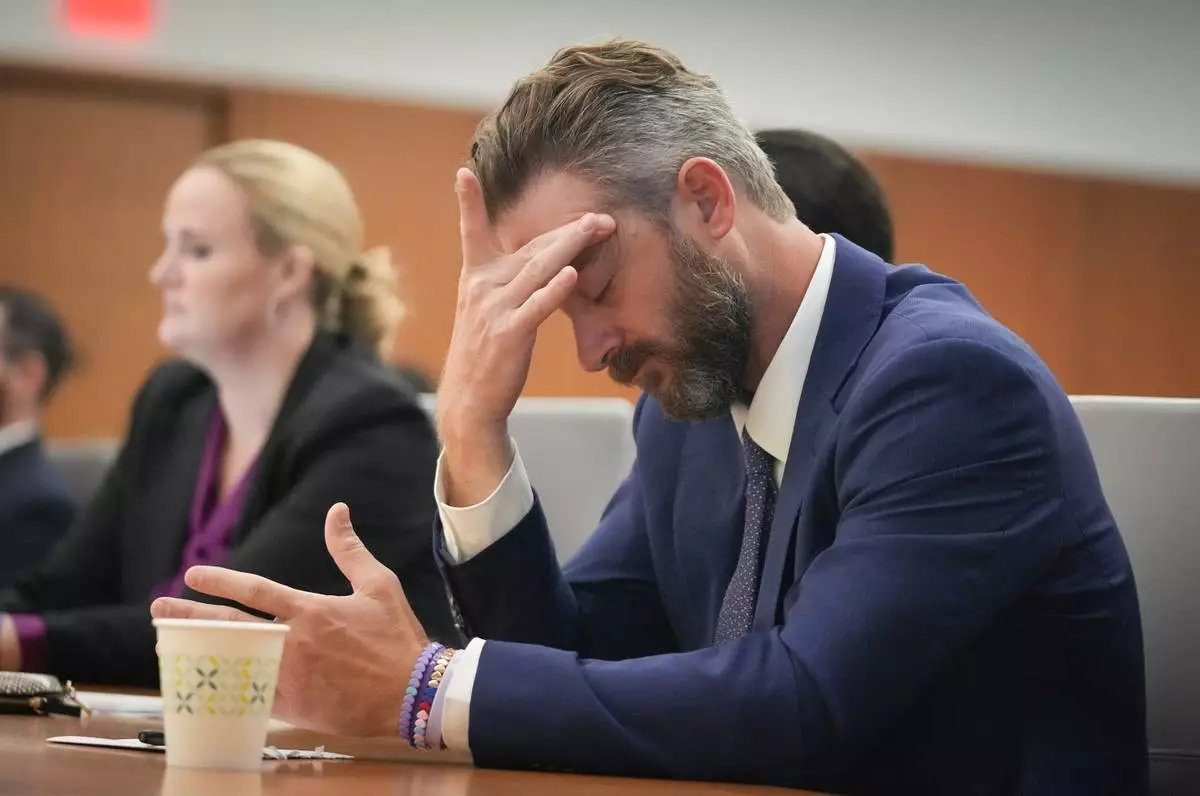
Will Steward attends a hearing about a temporary restraining order regarding Camp Mystic, at the Travis County Courthouse in Austin, Texas, on Wednesday, March 4, 2026. (Jay Janner/Austin American-Statesman via AP, Pool)
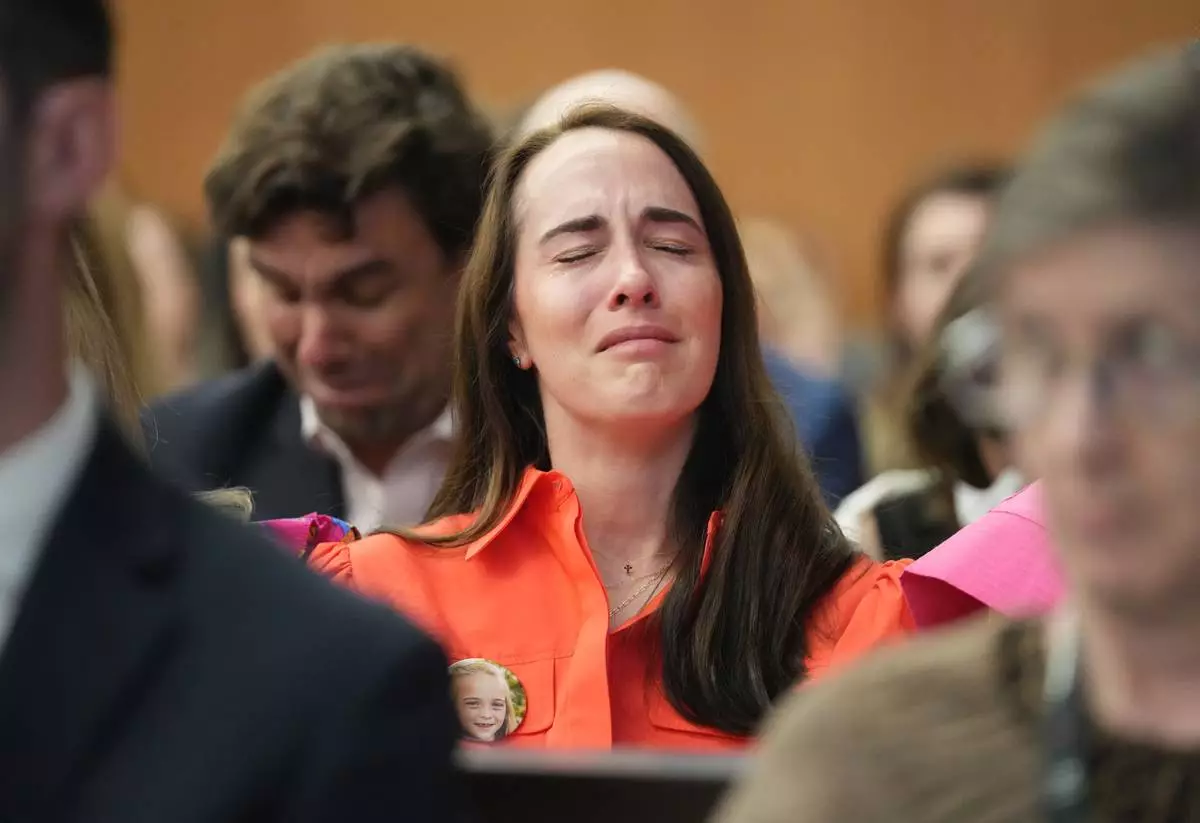
Alli Naylor, mother of Wynne Naylor who died at Camp Mystic, reacts as attorneys argue for a temporary restraining order regarding the camp, at the Travis County Courthouse in Austin, Texas, on Wednesday, March 4, 2026. (Jay Janner/Austin American-Statesman via AP, Pool)
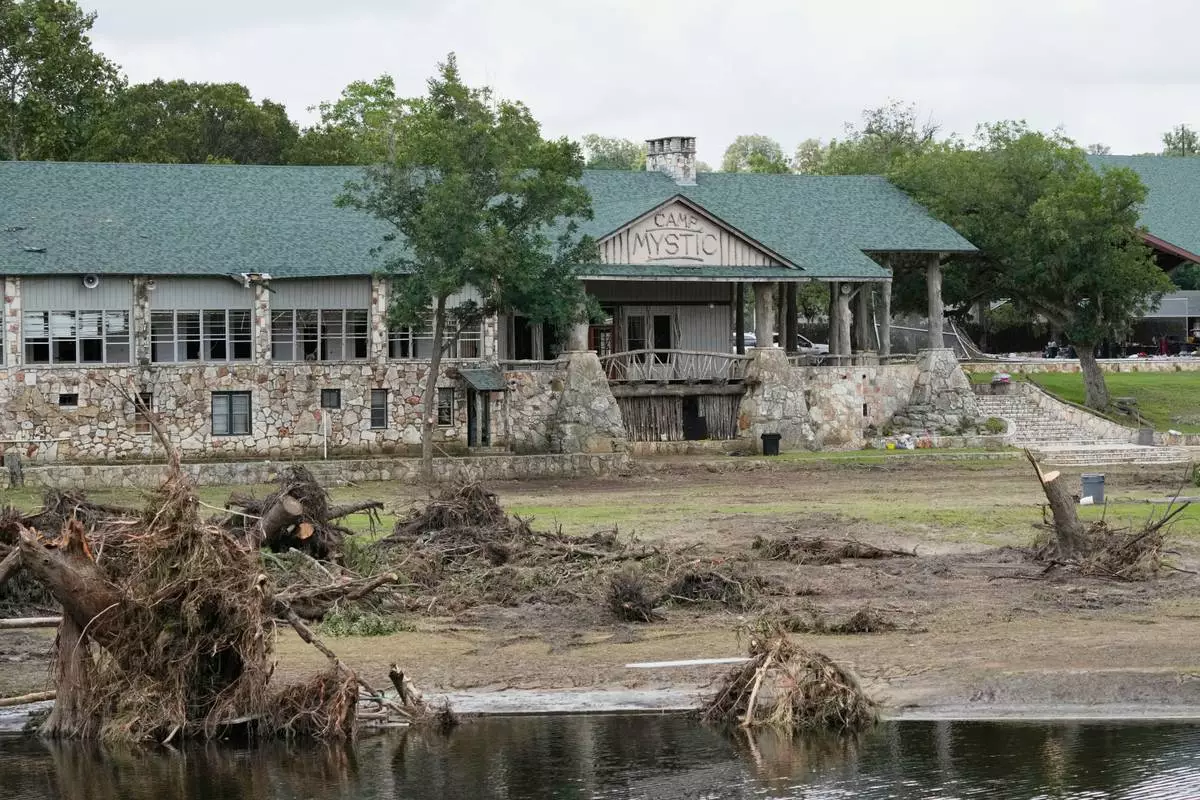
FILE - Camp Mystic in Hunt, Texas, on July 9, 2025. (AP Photo/Ashley Landis, File)