/wp-content/uploads/blogger/2026/08/WhatsApp-Image-2026-08-13-at-12.21.36.jpg.webp)
Among the many cultural markers of the "Chinamaxxing" trend, the street revival of Hanfu is undoubtedly the most visually dazzling. Not long ago, wearing Hanfu in public within China was often dismissed as outlandish or bizarre. Today, not only are young Chinese proudly wearing it on the streets with unbothered confidence, but international tourists are also eagerly slipping into these flowing robes—strolling through historic alleys and creating a striking scene across China's tourism landscape.
An "International" Period Drama on the Streets of Xi'an
Click to Gallery
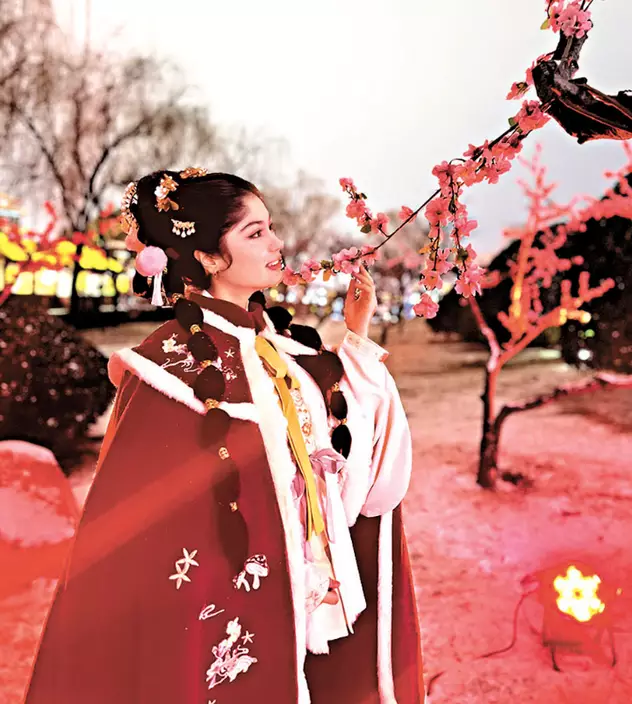
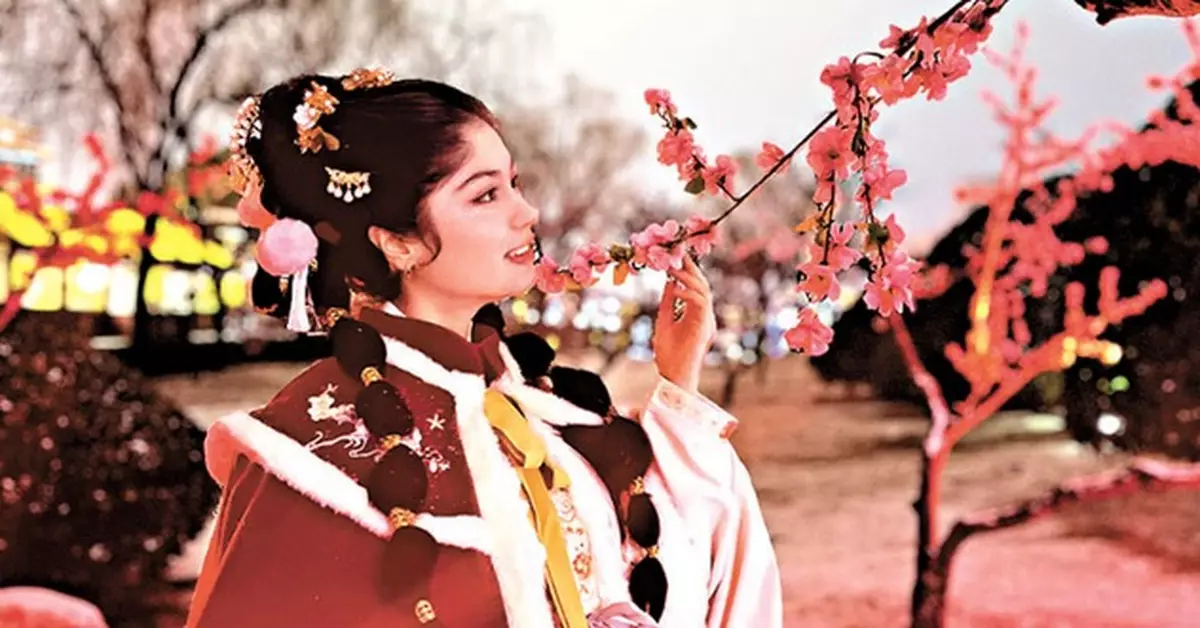
Foreign tourists dress in Tang-style attire to immerse themselves in Datang Everbright City. (Source: Wen Wei Po)
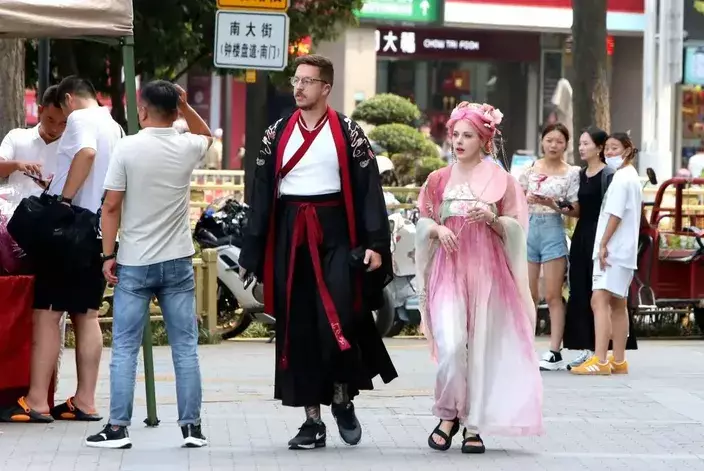
Two foreign tourists in Hanfu stroll through the streets of Xi'an, drawing admiring looks from passersby. (Source: Sohu)
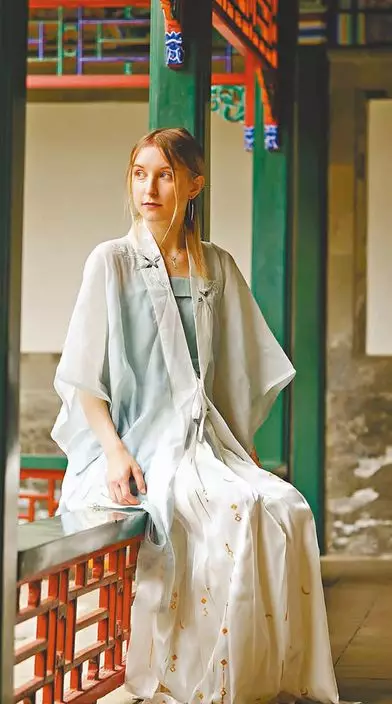
British expat Kropka falls in love with Hanfu. (Source: Wen Wei Po)
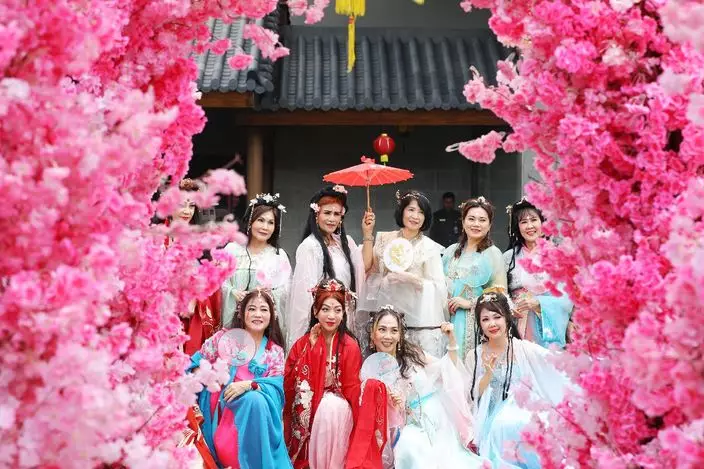
People dressed in various Hanfu styles gather for photos at a scenic spot in Jakarta. (Source: China News Service)
During the Spring Festival holiday, Xi'an's Grand Tang Dynasty Everbright City was packed with crowds. A group of foreign tourists dressed in elaborate Hanfu wandered through the bustling commercial plaza, turning heads among the locals—looking for all the world like ancient merchants stepping straight out of a classical Chinese painting.
Foreign tourists dress in Tang-style attire to immerse themselves in Datang Everbright City. (Source: Wen Wei Po)
Such sights are no longer rare. As China's premier hub for immersive Hanfu experiences, Xi'an's rental and styling boutiques have seen a surge in overseas visitors. To accommodate this international demand, many shops now provide bilingual services, extended sizing, and even fusion hair and makeup tailored to foreign features. With a quick transformation, international guests are instantly reinvented as "oriental classical beauties."
Two foreign tourists in Hanfu stroll through the streets of Xi'an, drawing admiring looks from passersby. (Source: Sohu)
From Curiosity to Obsession: Why Foreigners Fall for Hanfu
For many foreigners, the obsession with Hanfu begins with a striking chance encounter online and blossoms into a deep, immersive cultural journey.
American Blogger Rachel: From Fan to Cultural Ambassador
According to China Daily, Rachel, an American blogger and illustrator, stumbled upon a video about Hanfu six years ago while browsing fashion content online. She admits she was instantly enchanted by the grace and timeless elegance of the traditional Eastern attire.
"That was when I became a fan. I learned Chinese to know more about the clothing of various dynasties, and have also tried to make hanfu myself. I post videos of myself wearing hanfu and have accumulated 100,000 fans on Chinese social media platforms.
In her daily life, Rachel frequently incorporates Hanfu elements into her wardrobe. On one occasion, she paired a purple square cut skirt with a vintage Western lace top—a stunning East-meets-West ensemble that earned glowing praise from both Chinese and international netizens.
"This combination unexpectedly won the favor of many Chinese and foreign netizens. They said they never expected the gentle elegance of the Chinese style and the vintage style of the West to complement each other so well," Rachel remarked.
British Expat Kropka: "A Walking Emblem of China"
Kropka, a British expat, captured the magic of Hanfu in a single phrase: "Hanfu is like a walking emblem of China." She recalled that upon arriving in Beijing, seeing young people effortlessly wearing Hanfu on the streets was an utter revelation. When she eventually tried it herself—from the delicate undergarments to the opulent outer robes—layer after layer revealed the rich heritage and refined etiquette woven into traditional Chinese clothing.
British expat Kropka falls in love with Hanfu. (Source: Wen Wei Po)
Indonesia's "Hanfu Craze": From Screen to Reality
Across the archipelago of Indonesia, Hanfu fever is taking the younger generation by storm. Zhang Xuefei, founder of the Yunhuage Hanfu Studio in Jakarta, noted a clear shift: "Our clientele used to be almost exclusively ethnic Chinese, but over the past two years, we've seen a dramatic rise in local non-Chinese youth."
Cultural nuances also shape how Hanfu is enjoyed abroad. Zhang observed that while customers in China meticulously distinguish between the grandeur of Tang, the understated elegance of Song, and the regal structure of Ming attire, customers in Jakarta lean toward styles adapted to modern tastes. For hair and makeup, they prefer natural, subtle looks over heavy historical reenactments.
"This contrast taught me that cultural sharing isn't about rigid copy-pasting—it's about mutual understanding and creative fusion," she reflected.
Hasan Helianto, a young Indonesian, is a textbook example of someone drawn in by Chinese historical dramas. While binge-watching hit series like Love Between Fairy and Devil and The Jade Lover (Zhu Yu), he was captivated by the exquisite set designs and vibrant costumes, sparking a deep curiosity about Chinese heritage.
"I started researching Chinese history online and asking my ethnic Chinese classmates questions," Hasan shared. Over time, he began to decode the subtle details behind the garments—from the historical harmony of China's diverse ethnic groups to the enduring pursuit of a serene, elegant lifestyle.
People dressed in various Hanfu styles gather for photos at a scenic spot in Jakarta. (Source: China News Service)
From "Chinese Tradition" to "Global Fashion Language"
How has Hanfu managed to break through cultural barriers and win over young minds globally?
Industry insiders point out that modern Hanfu retains its historical silhouette while adopting contemporary tailoring, with a strong focus on breathable, wearable fabrics. This philosophy—"tradition at the core, fashion as the expression"—has rescued Hanfu from being a static museum relic, turning it into a living, daily wardrobe choice.
In short, Hanfu’s universal appeal lies not in its label of "tradition," but in its sheer aesthetic beauty. When a garment empowers the wearer with confidence and joy, cultural origins cease to be a barrier. Hanfu is no longer just "China's traditional dress"—it is evolving into a borderless fashion language.
This decentralized, bottom-up cultural connection is perhaps the most compelling story of Chinamaxxing today.
Chinamaxxing
** 博客文章文責自負,不代表本公司立場 **