/wp-content/uploads/blogger/2026/08/WhatsApp-Image-2026-08-13-at-12.21.36.jpg.webp)
An immersive dining wave is sweeping across Chinese cities like Chengdu and Shanghai, reshaping the landscape of cultural tourism and consumer spending. According to reports from various international media outlets—including Singapore’s Travel Weekly Asia and the global trade publication Travel And Tour World—multiple destinations in China are sparking a culinary tourism revolution. By seamlessly fusing local flavors, rich historical heritage, and theatrical performances, these venues have successfully elevated traditional "dining" into a time-traveling cultural journey.
Chengdu: From "Tasting Flavors" to "Savoring Culture"
Click to Gallery
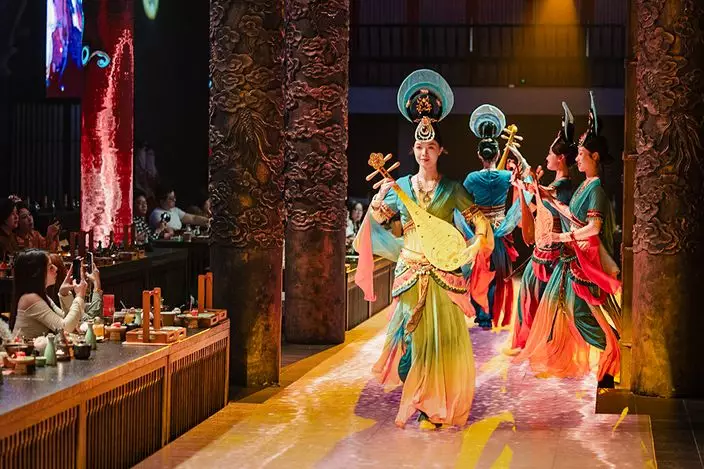
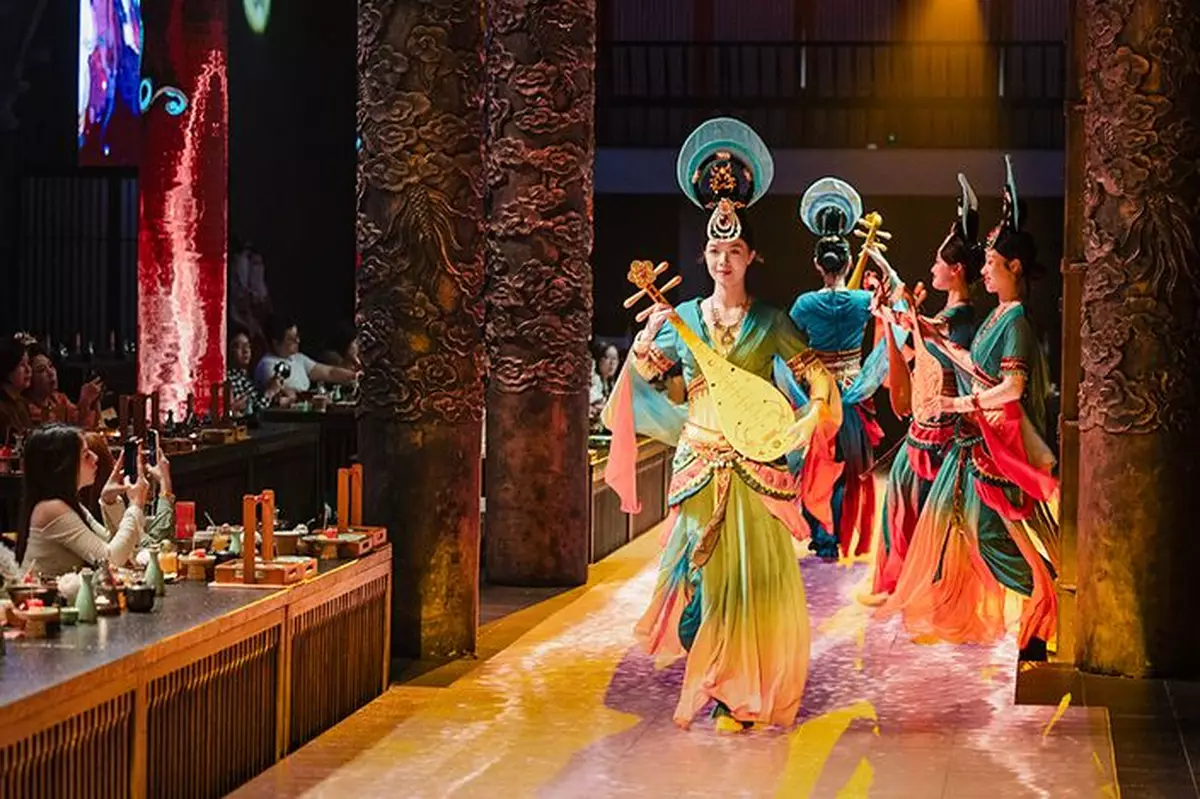
Chengdu's Shu Yan Fu offers a visual feast that transports diners back a thousand years. (Source: Youshe Tianxia)
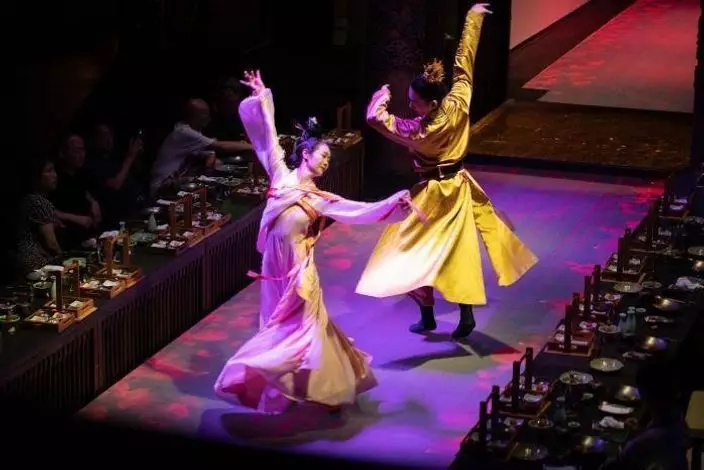
Chengdu's Shu Yan Fu offers a visual feast that transports diners back a thousand years. (Source: Sohu)
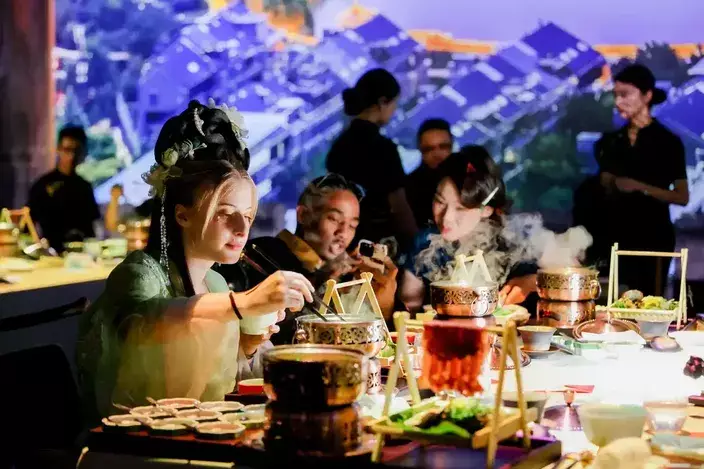
TASTE OF CHINA Immersive Restaurant in Shanghai. (Source: Trip.com)
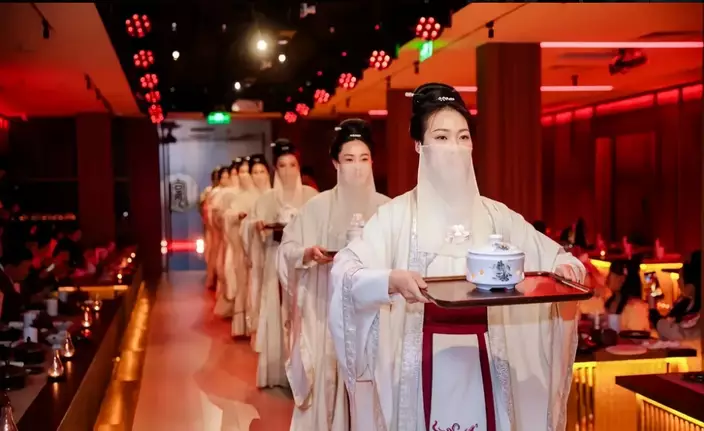
"Court maids" serving a dish to guests at Gong Yan in Beijing. (Source: Trip.com)
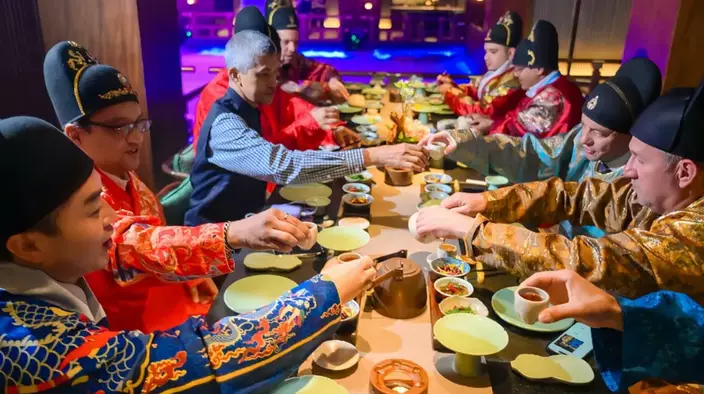
International guests enjoying an imperial feast inside a private dining room at Gong Yan. (Source: Trip.com)
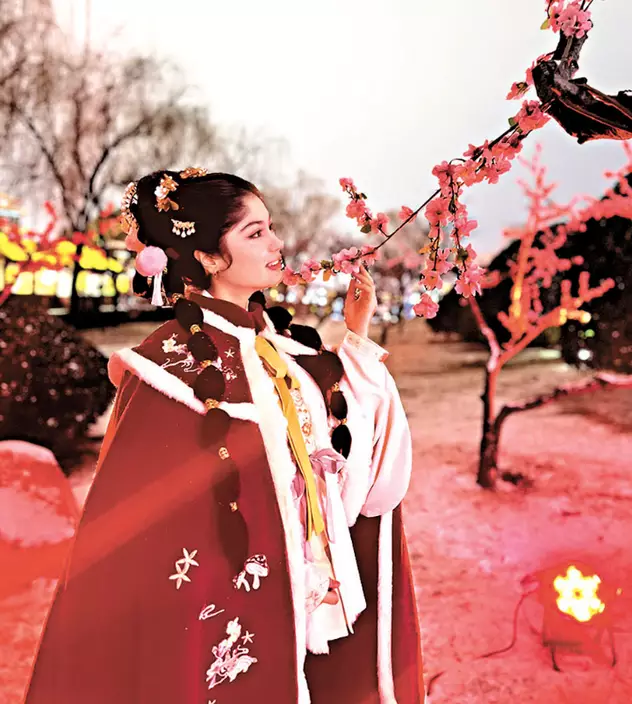
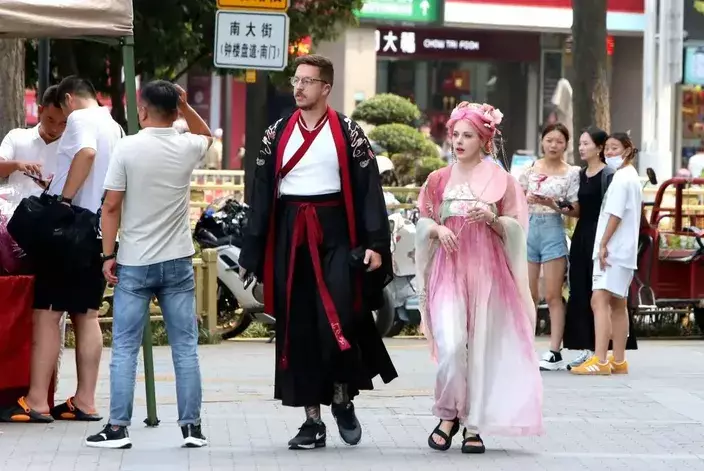
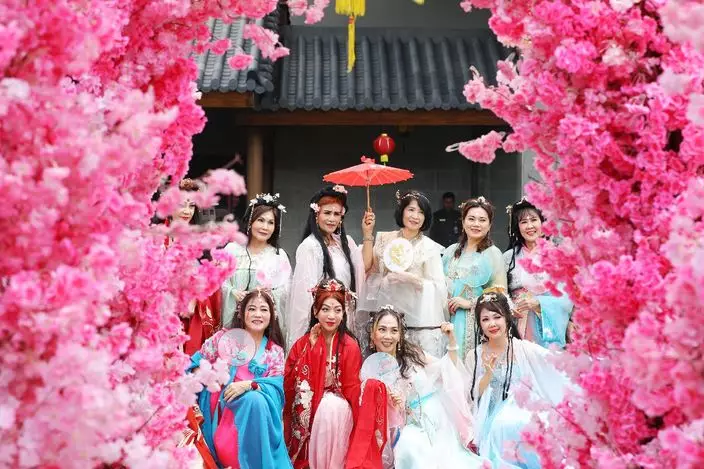
As a UNESCO-designated "City of Gastronomy," Chengdu is shattering conventional sightseeing models through immersive culinary performances, driving an upgrade in public cultural tourism consumption. Exemplified by innovative projects like "Shu Yan Fu," these venues cleverly integrate Hanfu dressing experiences, traditional Chinese performances, and Sichuan banquets, allowing diners to experience a thousand-year evolution of etiquette and music within a 90-minute storyline.
Located in Chengdu's Eastern Suburb Memory, Shu Yan Fu is a panoramic, immersive music-and-ritual-themed cultural restaurant. Centered on the heritage of the Han, Tang, and Song dynasties, the venue merges dance performances, light-and-shadow art, and fine dining. It follows the traditional ritual of individual food service and offers a fitting wardrobe of over 400 Hanfu outfits for guests. By 2025, its Chengdu location had welcomed over 300,000 visitors, with out-of-province tourists accounting for about 60% of the clientele. During international holiday periods, overseas tourists accounted for up to nearly 30% of diners. With an average spend of 498 to 598 RMB per person and average monthly revenues reaching 6 million RMB, the restaurant recouped its initial investment in just one year.
Chengdu's Shu Yan Fu offers a visual feast that transports diners back a thousand years. (Source: Youshe Tianxia)
One tourist shared their experience on social media, writing: "I specifically got my hair and makeup done in the Song Dynasty style to fully immerse myself in this imperial banquet. Eating this meal felt as if I had stepped through time! From starters and mains to desserts and wine, even the dish names themselves were sheer poetry. Each course was served with a narrative twist, and as we ate, we watched short dance dramas. The moment the music and dance started, we were instantly transported to the grand spectacles of ancient banquets and sacrificial rites."
Chengdu's Shu Yan Fu offers a visual feast that transports diners back a thousand years. (Source: Sohu)
Reports suggest that Chengdu’s success stems from its refusal to follow mere trends, anchoring its concept firmly in local Sichuan culture. These settings transcend the limits of passive audience viewing; through dressing up and interacting with performers, consumers become active participants in a living cultural narrative.
Immersive Experience: From "Photo Ops" to "Stepping Into the Scene"
Immersive cultural experiences serve as a powerful guest-retention strategy—one that resonates emotionally with international travelers and makes them willing to pay a premium for "atmosphere and storytelling." For foreign tourists, this hands-on, language-barrier-free immersion provides a vivid lens through which to experience China’s soft power.
On Shanghai’s Bund, an immersive cultural restaurant named "TASTE OF CHINA" serves as a textbook example of this model. Offering multilingual services in English, Russian, and Japanese, the venue draws a high proportion of overseas guests and has attracted travelers from scores of countries and regions since its opening. Many visitors are not only delighted by the creative dishes, but are also deeply fascinated by the geographic and cultural stories of China woven across the seven-course meal. One tourist openly admitted that the breathtaking views of Northern China displayed on the screen directly inspired her to plan her next trip.
TASTE OF CHINA Immersive Restaurant in Shanghai. (Source: Trip.com)
Gong Yan: An Imperial Banquet Where You Can "Enter the Palace"
If Shu Yan Fu and TASTE OF CHINA touch overseas visitors through local heritage and multi-ethnic culture respectively, "Gong Yan" (Palace Banquet) elevates immersive dining to new heights through the ultimate sense of imperial ritual.
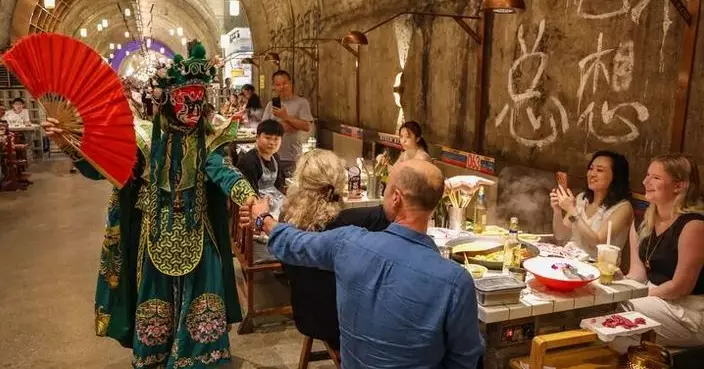
At this immersive themed restaurant—which has opened locations in cities such as Beijing, Shanghai, Shenzhen, and Hangzhou—the "time travel" begins the moment guests step through the door. Guards in ancient costumes greet visitors outside, while "court maids" deliver synchronized, traditional greetings. Diners can visit the "Beauty Bureau" to change into Hanfu robes and complete their classical hair and makeup before taking their seats. The restaurant features circular or T-shaped stage designs and changes its dynastic theme every quarter. Over a banquet lasting nearly two hours, every single course is paired with a dedicated cultural performance and historical narration—ranging from the ancient Liangzhu civilization to Su Dongpo's poetry, and from court ceremonial music to the romantic tragedy of The Butterfly Lovers. Guests can sip their drinks while becoming fully immersed in the scene.
P
"Court maids" serving a dish to guests at Gong Yan in Beijing. (Source: Trip.com)
This highly ritualized experience holds a natural allure for international travelers. On the global travel platform Trip.com, Gong Yan has accumulated a wealth of glowing English reviews, with many foreign tourists listing it as a "must-do" cultural experience in China. As one overseas guest wrote in a review: "This isn't just a meal; it's a cultural feast across time. Every dish is presented like a work of art, infused with profound cultural stories."
International guests enjoying an imperial feast inside a private dining room at Gong Yan. (Source: Trip.com)
For foreign visitors, the magic of Gong Yan lies in offering the chance to "become part of the story." As they put on Hanfu, sit before a traditional feast, watch the lights and dances on stage, and listen to the historical context behind each dish, they cease to be mere onlookers—they become active participants in an ancient Chinese banquet ritual. This transformation from "watching" to "stepping into the scene" is the ultimate secret weapon for immersive dining to move cross-cultural travelers.
Chinamaxxing
** 博客文章文責自負,不代表本公司立場 **