Freight train services connecting Europe with Yiwu, a small commodity production hub in east China's Zhejiang Province, has registered rapid growth this year.
In the first eight months of this year, the Yiwu-Xinjiang-Europe (Yixin'ou) trains brought more than 66,000 twenty-foot-equivalent unit (TEU) containers of products into China, totaling 1.7 billion U.S. dollars.
The share of goods imported to China has continued to rise, now accounting for 37.5 percent of total container volume for imports and exports. Among the top 10 categories carried on return trips to China, non-ferrous metals and chemical products make up nearly 80 percent.
The sources of freight are also becoming more diverse, and coverage has expanded from Yiwu to other surrounding regions, including Shanghai, Fujian and Guangdong.
Yixin'ou freight route links Yiwu with the European commodity center of Madrid by way of northwest China's Xinjiang Uygur Autonomous Region.
The 13,052-kilometer line is the longest train route in the world. With travel time one-third of shipping via sea and cost one-fifth that of air freight, it has stimulated the local import and export business.
In 2025, trade volume between China and the EU exceeded 820 billion U.S. dollars, and the EU recorded a services trade surplus with China of 48.3 billion dollars.
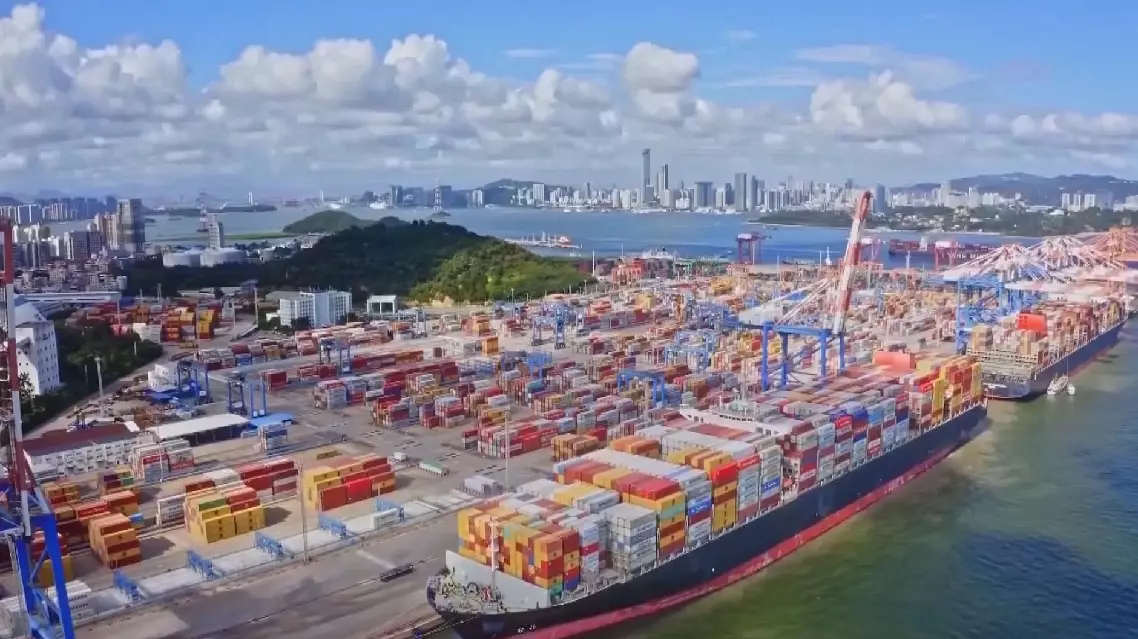
Yiwu-Europe cargo train service logs rapid growth this year
A super El Nino event officially formed in September 2026, monitoring data from China's National Climate Center showed on Friday.
Zhao Junhu, chief forecaster at the center, said that the equatorial central and eastern Pacific entered an El Nino state in May this year, with sea surface temperatures in the key monitoring region rising rapidly and continuously from May to September.
The three-month running mean of the sea surface temperature (SST) index in the monitoring region has remained above 0.5 degrees Celsius for five consecutive months. The index exceeded 2.5 degrees Celsius for the July-September period, meeting the threshold for a super El Nino event.
The event is classified as an eastern Pacific-type El Nino, in which the warmest sea surface temperatures are concentrated in the equatorial eastern Pacific.
Monitoring data showed that sea surface temperatures across most of the equatorial Pacific in September were above average of the same period, with temperatures in the warm pool of the eastern Pacific exceeding the climatological average by more than 3 degrees Celsius.
The SST index for the monitoring region reached 2.94 degrees Celsius in September, up 0.35 degrees Celsius from August. The average index for the July-September period stood at 2.54 degrees Celsius.
Based on a combination of domestic and international dynamical climate models and statistical forecasting methods, the center expects sea surface temperatures in the equatorial central and eastern Pacific to continue rising over the next three months, peaking in late autumn or early winter, Zhao said.
The event is expected to become the strongest El Nino on record since systematic monitoring began, he added.
Super El Nino event formed in September: China's National Climate Center
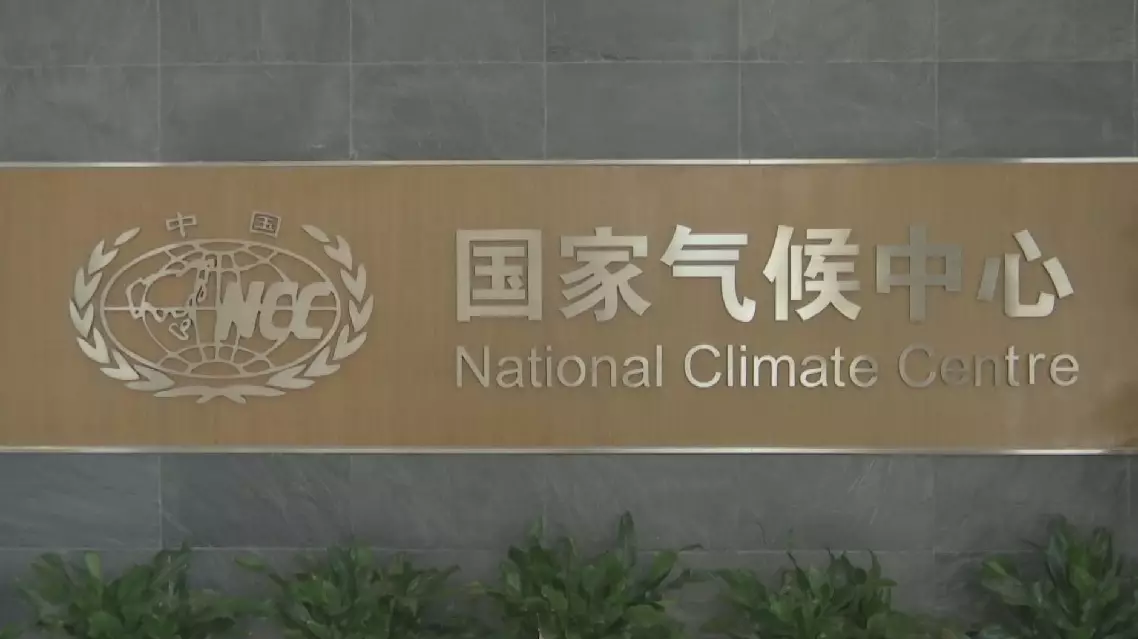
Super El Nino event formed in September: China's National Climate Center