The effective integration of Marxism with China's national conditions and traditional culture provides a framework for the country's unique development path, according to Chinese and Russian scholars.
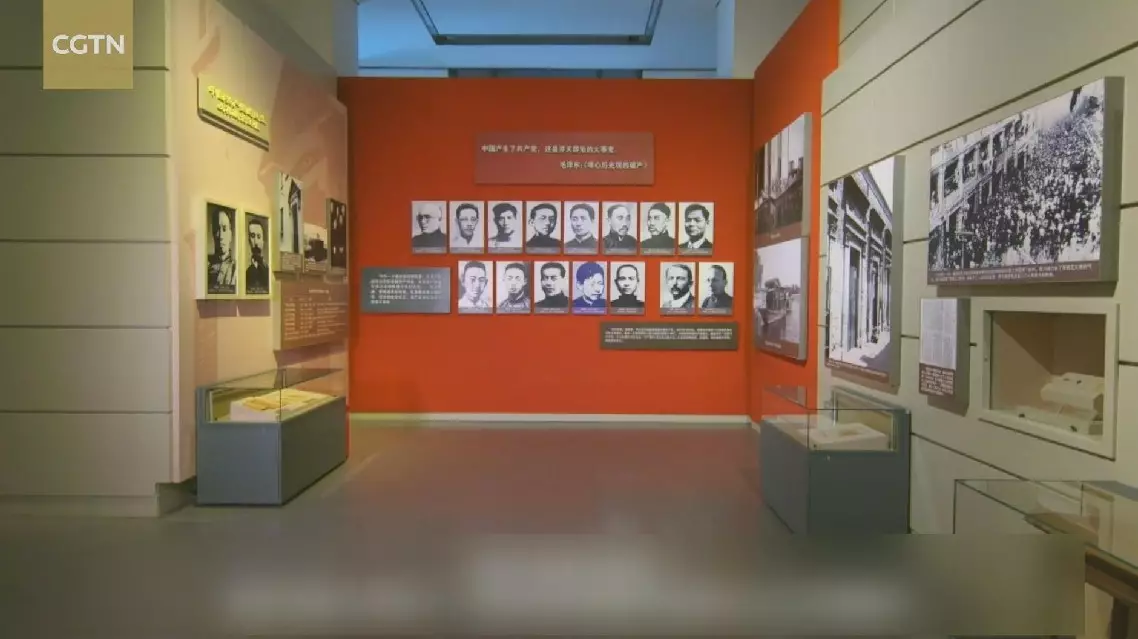
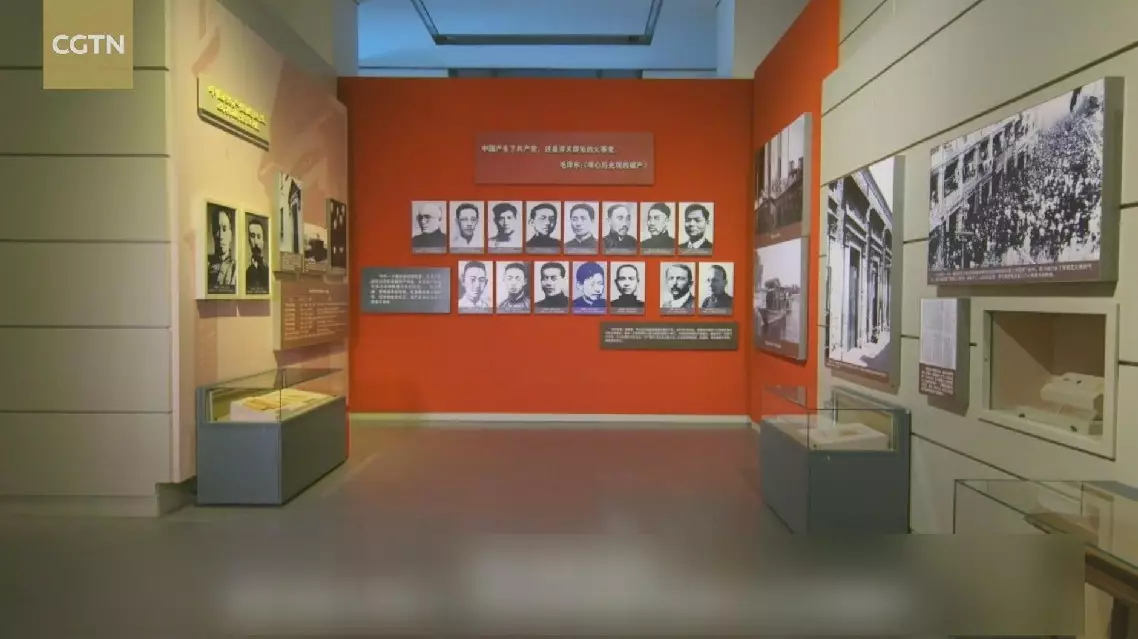
Over a century and a half ago, Karl Marx envisioned a development path through his theory of historical materialism that countries like China would follow. Although Marx never visited China, his vision has profoundly influenced China's social evolution and still closely aligned with the country's reality today. Xin Xiangyang, president and Party deputy secretary of the Academy of Marxism of the Chinese Academy of Social Sciences (CASS), highlighted the foresight of the great philosopher concerning China's future path. He also emphasized the adaptation of Marx's theories to China's socio-political context and the process of its localization, which has played a crucial role in shaping the country's social development.
Click to Gallery
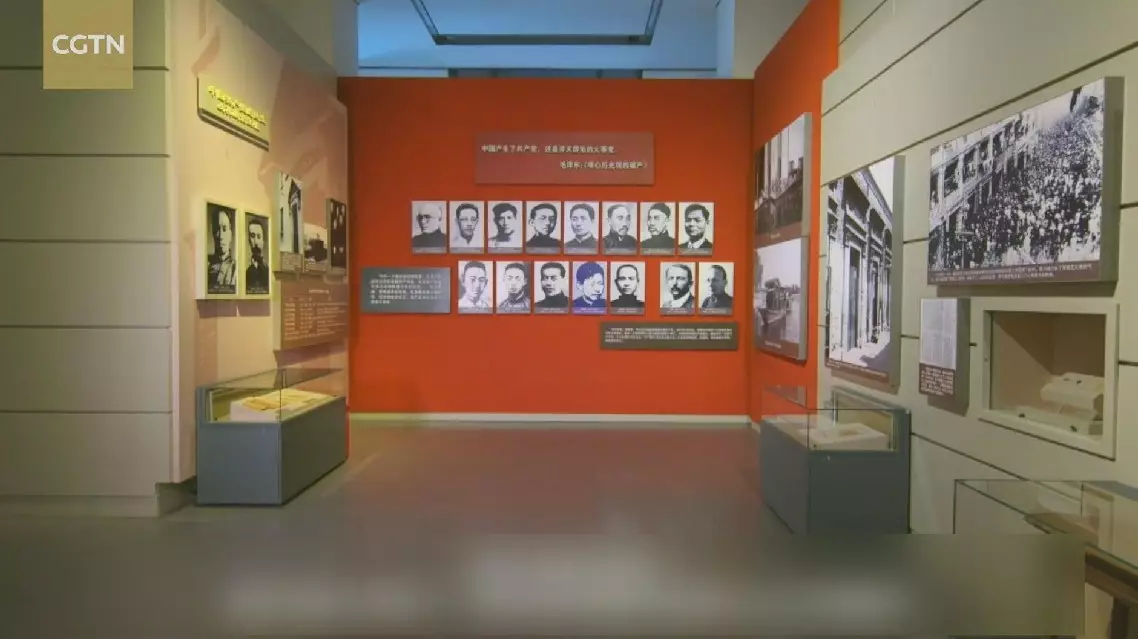
China's development blends Marxism with national reality, tradition: scholars
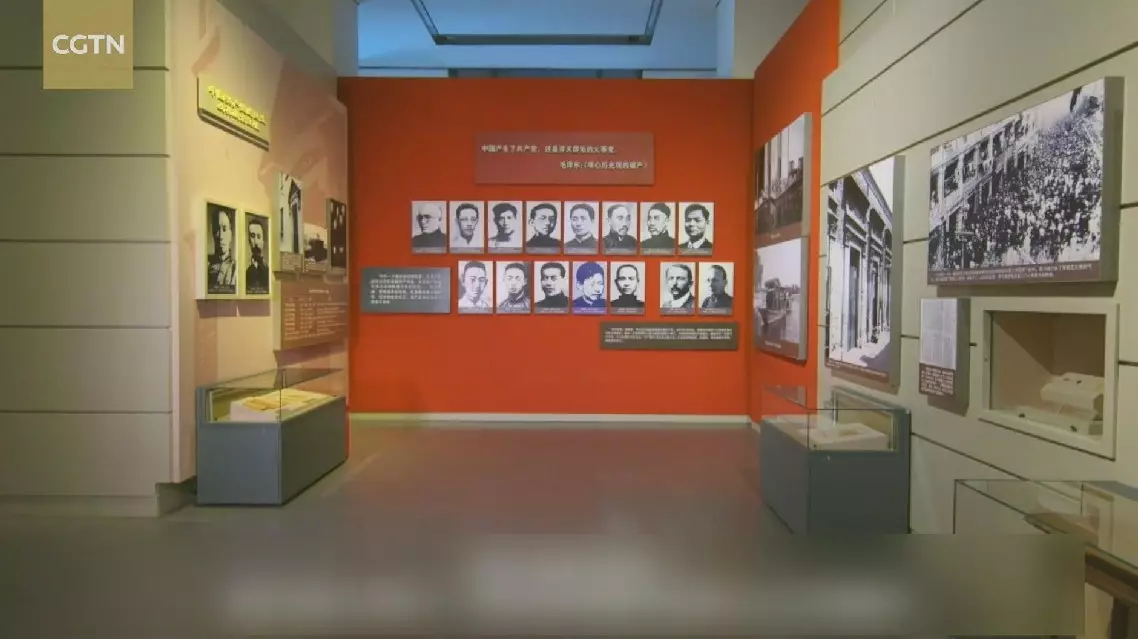
China's development blends Marxism with national reality, tradition: scholars
China's development blends Marxism with national reality, tradition: scholars
China's development blends Marxism with national reality, tradition: scholars
"Marx envisioned the development of Chinese society and its continuous progress. After Marxism was introduced to China, we did not reject it as some other regions did. In 1939, Mao Zedong stated that our national condition was a semi-colonial and semi-feudal society. We Chinese have spent a hundred years to understand this statement with the help of Marxism. The Communist Party of China has integrated the fundamental principles of Marxism with China's actual conditions and traditional culture, achieving the socialist future that Marx predicted for China's social development," said Xin.
A.V. Lomanov, a professor at the Russian Academy of Sciences, said that China has successfully integrated Marxism with its traditional culture, something the Soviet Union failed to achieve. "The Soviet Union and China both implemented the 'first combination' by adapting the basic principles of Marxism with the specific conditions of their countries. However, China has pioneered the 'second combination' (by integrating the basic principles of Marxism with its traditional culture). One weakness of the Soviet Union was the absence of this 'second combination'," said the Russian scholar.
In Xin's view, both Marxism and traditional Chinese ideals share common values, emphasizing collective well-being, social equality, and the goal of a harmonious society.
"We Chinese have the ideals of 'Great Harmony' and 'the world is for all'. For thousands of years, the Chinese have striven for 'Great Harmony', which does has a lot in common with the communism envisaged by Marx," said Xin.
China's development blends Marxism with national reality, tradition: scholars
China's development blends Marxism with national reality, tradition: scholars
China's development blends Marxism with national reality, tradition: scholars
China's development blends Marxism with national reality, tradition: scholars