Russian President Vladimir Putin has just pulled off what might be the most audacious diplomatic stunt in recent memory. With Trump breathing down his neck and threatening harsh sanctions, Putin decided to present the Order of Lenin—the Soviet Union's highest honor—to the son of a senior CIA official. The twist? The recipient died fighting for Russia against Ukraine. Talk about timing.
The Medal That Tells a Story
During Putin's August 6th meeting with US Presidential Special Envoy Witkoff, the Russian leader handed over an Order of Lenin medal, requesting it be passed to Juliane Gallina, the CIA's Deputy Director for Digital Innovation. The medal was meant to honor her son, Michael Gloss, who reportedly died in the Russia-Ukraine conflict last year—fighting on the Russian side.
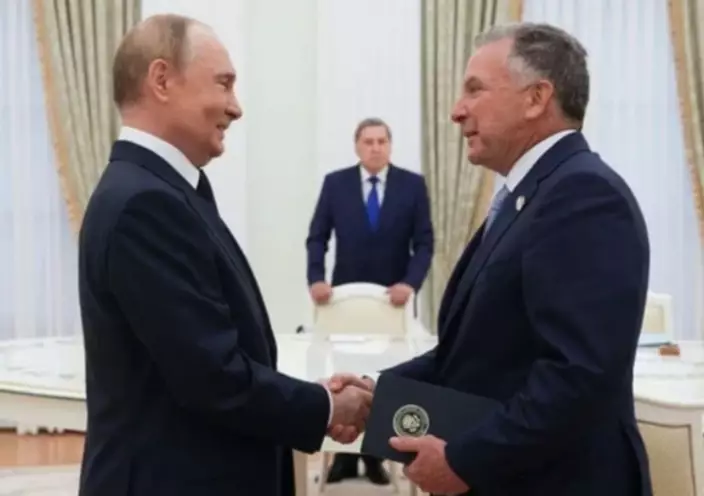
Putin meets Trump’s envoy Steve Witkoff on August 6
The CIA had previously confirmed that Gallina's son died in combat during the Russia-Ukraine conflict, though they were notably vague about which side he was on. Russian media later confirmed that Gloss had joined the Russian army and fought for Moscow. According to CBS News, citing multiple sources, Michael Gloss never worked for the CIA, and there's no indication he was recruited by the Russian government either.
In April, a CIA spokesperson confirmed the death, describing it as an "unimaginable personal tragedy" for Gallina and her family. They emphasized that Gloss, who was "struggling with mental health issues," died in combat during the conflict, calling it "a private family matter, not a national security issue." The agency conspicuously avoided mentioning which side he fought for.
From Red Square to the Front Lines
The story of Michael Gloss reads like something out of a Cold War thriller, except it's painfully real. Russian outlet "Important Stories" reported that Gloss had joined the Russian army, backing this up with his own social media posts. Last year, he posted a photo of himself smiling in Moscow's Red Square, expressing sympathy for Russia's role in what he called the "Ukraine proxy war."
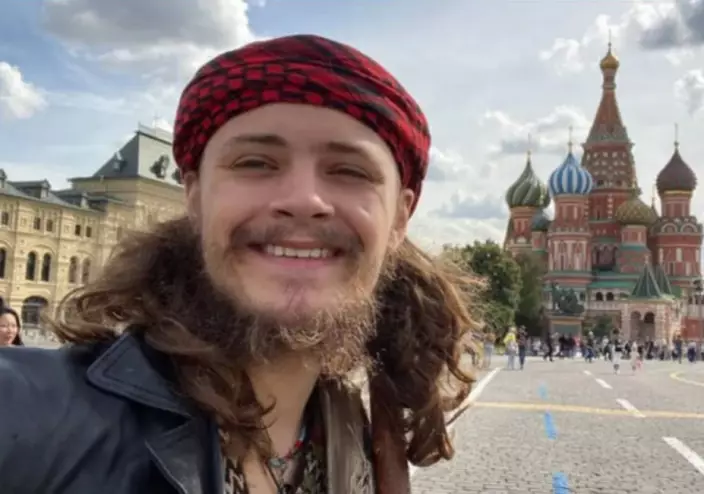
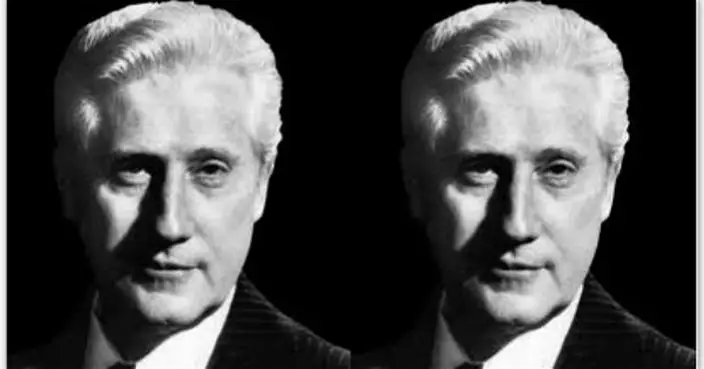
Gloss posted a smiling Red Square photo last year
Gloss was scathing about Western coverage, claiming news reports about the Russia-Ukraine conflict were all "Western propaganda" that concealed reality. He declared that "the corrupt Ukrainian army is simply no match for the Russian army.“
His family's obituary was tellingly euphemistic, stating Gloss died "while traveling in Eastern Europe" with no mention of the conflict. It added that he lived a "brief, but fiercely beautiful life until he was taken from us during his travels overseas." His father, Larry Gloss—an Iraq War veteran—told The Washington Post that he and Gallina had no idea their son was in Ukraine or that he'd joined the Russian army.
The Making of a Defector
Gloss’s transformation from a privileged American into a Russian soldier appears to have been gradual. He reportedly harbored long-standing dissatisfaction with the American system and left the U.S. by early 2023 to travel. On his personal homepage, he indicated that he was “running away from home” to see the world.
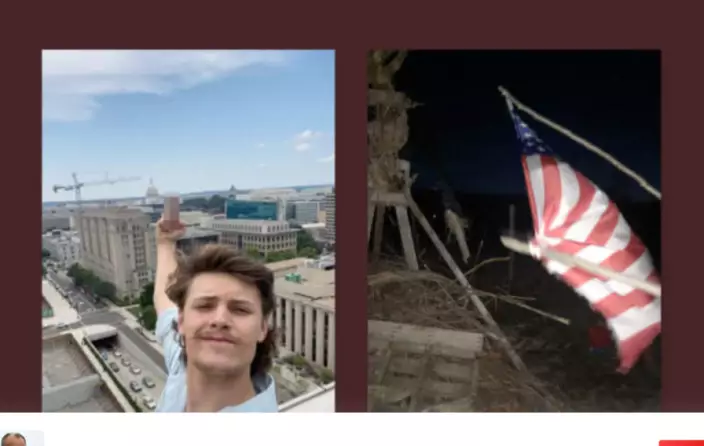
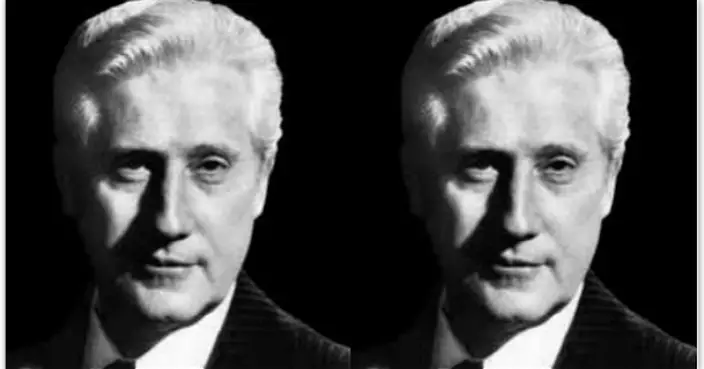
Gloss had long been disillusioned with the U.S. system
Friends later said he seemed to believe there were more interesting places to experience than the United States. They also described him as acutely aware of his own privilege and deeply critical of America’s political and social order. In 2022, he is said to have posted a video burning an American flag; when asked online about his nationality, he reportedly responded that he was American but expressed regret about it.
One acquaintance who hosted him briefly in Turkey recalled that he often talked about poverty and the possibility of civilizational decline. According to this account, he was convinced Western hegemony was fading and that the BRICS countries could soon supplant it. This person also said Gloss consumed a lot of content about Palestine, was intensely angry with the United States, and had started considering a move to Russia, even contemplating taking up arms against America.
Putin's Master Class in Political Mischief
The Order of Lenin isn't just any medal—it was the Soviet Union's highest state decoration, established in 1930 and awarded to individuals who made exceptional achievements. Famous recipients included Harold "Kim" Philby, one of the notorious "Cambridge Five" spies. Crucially, Russia stopped awarding this decoration after the Soviet collapse, making Putin's decision to resurrect it particularly loaded with symbolism.
The timing is everything. Trump just announced he'll meet Putin in Alaska on August 15th to discuss long-term peaceful solutions to the Ukraine crisis. Putin's medal gambit serves multiple purposes: it highlights the uncomfortable fact that a senior CIA official's son fought and died for Russia, it embarrasses US officials at a sensitive diplomatic moment, and it carries a distinctly mocking flavor toward Western politicians.
This isn't just satire—it's Putin operating at peak trolling capacity. While Trump grows increasingly frustrated with the Kremlin and threatens harsh sanctions, Putin is essentially saying: "Your own people are fighting for us." The move reflects how desperate Trump is for a Russia-Ukraine ceasefire, and Putin is gleefully taking advantage to "play games."
Currently, the White House, CIA, and Russian officials haven't responded to the Lenin Order incident, and the medal's fate remains unclear. But the message has already been delivered loud and clear—in the grand chess game of international relations, Putin just played a move that's equal parts brilliant and brutally embarrassing for Washington.
Deep Throat
** The blog article is the sole responsibility of the author and does not represent the position of our company. **