Weeks back, the Dutch government seized Nexperia, a key Chinese-owned semiconductor player, ripping through the global auto supply chain like a bad storm. Now, reports from major outlets point to the White House gearing up to greenlight Nexperia chip shipments again. The US and Netherlands have long been thick as thieves on chip export curbs— and the timeline of their moves, plus exposed legal docs, screams Washington’s fingerprints all over this mess.

The Dutch government forcibly takes over Nexperia, a Chinese-owned company. AP Photo
Let’s look at the facts: On September 30, Dutch authorities, waving the national security flag, dusted off the obscure 1952 Goods Supply Act to grab Nexperia's assets and IP outright. They froze everything for a year and booted out the company's Chinese CEO. This stunt sparked a chip crunch that's hammering global carmakers, sending ripples across the industry. Wall Street Journal and Bloomberg report the White House would announce resumed Nexperia chip flows after the China-US summit.
Nexperia's parent, Wingtech Technology—a powerhouse in China's semiconductor scene—drew a hard line: Any deal to restart exports from China demands its CEO's return. A Wingtech spokesperson slammed out a statement, pressing the Dutch to back off and drop baseless tech-theft smears. They stressed that handing back "full control and ownership" is non-negotiable to cool tensions and steady the ship.
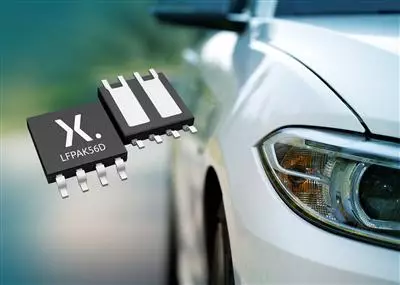
The Dutch government forcibly takes over Nexperia, a Chinese-owned company. AP Photo
Everyone with eyes sees the Dutch play as straight-up echoing Uncle Sam. The day before—September 29 local time—the US dropped a bombshell export control rule, slapping matching restrictions on a Wingtech sub listed on its Entity List, where America claims over 50% stake. Then, on October 14, Amsterdam Court of Appeal docs spilled the beans: Back in June, US officials told the Dutch flat-out that for Nexperia to snag an Entity List waiver under the new rules, its Chinese-national CEO "must be replaced."
Strings Pulled from D.C.
Nexperia's chips power the global auto world—last year, they raked in about $2 billion, with 60% tied to car apps, feeding hundreds of basic parts markets. The shipment freeze? It's choking output at big players in Europe, the US, and Japan; some factories are already sounding alarms on cuts or full halts.
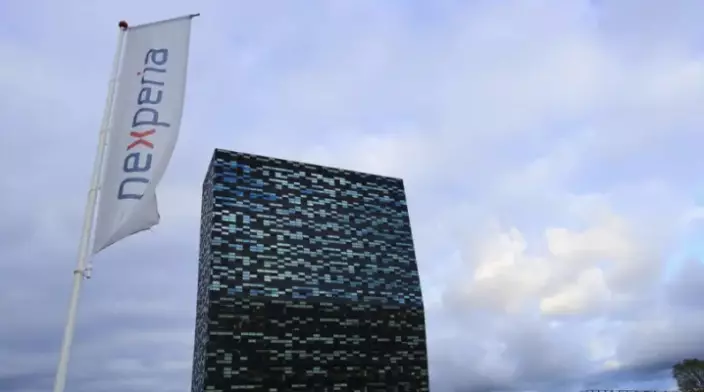
The Dutch government forcibly takes over Nexperia, a Chinese-owned company. AP Photo
The auto sector's on the brink worldwide, staring down production slashes and shutdowns. The European Automobile Manufacturers Association warns of imminent disruption across the continent, with firms on the verge of idling. French giant Stellantis set up a "war room" to track the chaos, Nissan says its chip stockpile lasts only to early November, and the US's top auto suppliers group flags shutdowns in weeks. Ford brass calls it an industry-wide problem screaming for political fixes.
Bloomberg lays it out: If Nexperia ships again, it'll ease US and European jitters on chip volumes—their output is vital to autos everywhere, and the blackout's already throttling builds in multiple spots. The Wall Street Journal adds that carmakers and suppliers are left guessing if this patch will actually fix the supply snag.
China's Ministry of Commerce spokesperson, November 1: Beijing "firmly opposes" the Netherlands' national security overreach and meddling in firm internals, which wrecked global supply chains. China will factor in business hardships, exempt eligible exports, and urges companies to loop in authorities fast.
Deep Throat
** 博客文章文責自負,不代表本公司立場 **
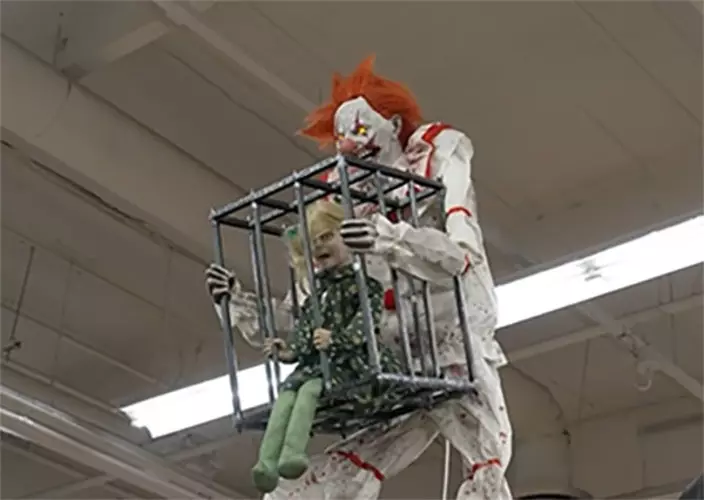
Halloween is only five days away, but forget the fun and frights—this year, American families face a real nightmare: skyrocketing prices from US tariffs on Chinese goods. Costumes, decorations, and candy costs are exploding, forcing households to slash budgets or ditch the holiday altogether.
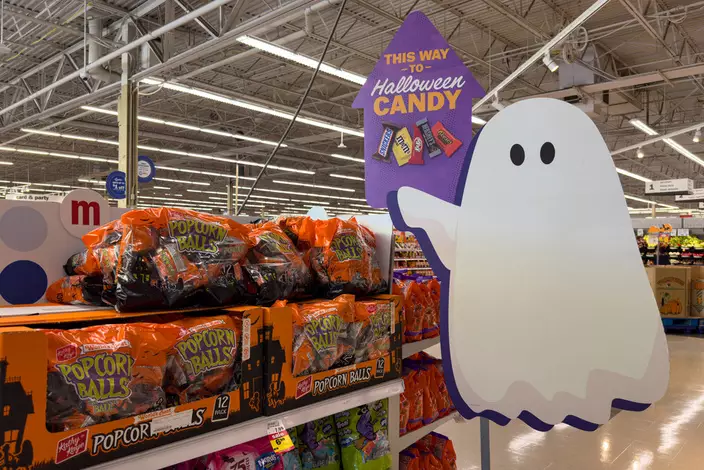
Halloween's joy sours into economic dread under tariff pressures.
The National Retail Federation's October 23 report lays it bare: 79% of Americans brace for pricier Halloween hauls, shelling out more for outfits, decor, and sweets. NRF projects a record $13.1 billion in US spending this year, up from $11.6 billion last time, with per-person outlay hitting $14.45—a $1 jump that stings.
Picture Chris Zephro on California's Santa Cruz Island, staring down his toughest stretch in 15 years running a Halloween warehouse. Gory latex masks, Saw movie props, and zombie gear fill the shelves, but unlike the fake blood, his business bleeds real cash—over $800,000 in tariffs since Trump's April crackdown on Chinese imports. It's led to his first-ever layoffs: 15 workers out the door.
"That was one of the worst days of my life," Zephro recalls. "These were my friends; I know their families and I'm hoping to bring them back." He adds helplessly, "I would love to have a conversation closed doors with Trump, because he's not an idiot. He took the same classes in business school that I took, so let's drop the veil," he said. "This is Economics 101. Tariffs are paid by importers."
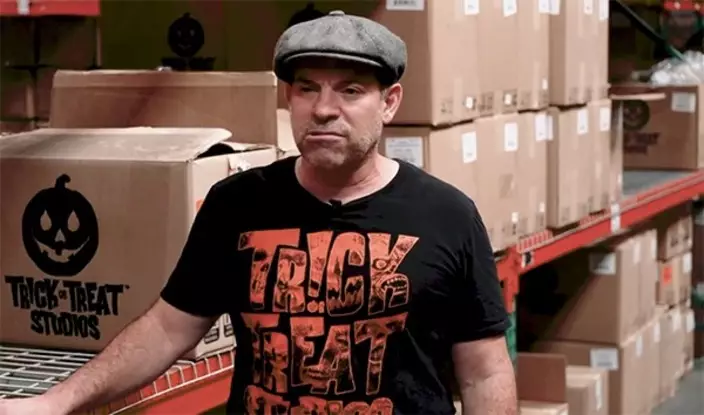
Chris Zephro.
Tariffs Bite Importers Hard
Trump's tariffs don't stop at warehouses—they slam straight into shoppers' wallets, turning holiday cheer into hard choices. Importers absorb the hit first, but everyday buyers feel the pinch.
Reyna Hernandez in California hunts for a costume hat for her 6-year-old son, only to balk at the $30 tag. "It's just ridiculous. We cannot even afford this at all. Like, a lot of people are not going to be able to afford a costume this year," Hernandez said. She's piecing together the outfit in installments now, stretching every dollar.
Ryan Goldman, running a Halloween costume chain, fights to shield customers from the full blast. "The idea is to hold as many prices as we can knowing that because of tariffs, things are going to go up," Goldman said. "But we don't want (higher prices) to be 100% across the board. That's not fair." He pegs costume hikes at $5 to $10 on average, propping up kids' sizes by jacking adult ones higher.
Candy and Booze Get Pricier
Tariffs creep beyond costumes into the candy aisle, where Halloween's sweet staple turns sour on budgets. Hershey's claims no change, but shoppers spot a 48-bar chocolate box leaping from $40 to over $50. Blame it on tariffs plus West Africa's weather woes slashing cocoa output—global production dipped 12.9% last year to 4.37 million tons, a 494,000-ton shortfall unseen in 60 years. Prices doubled as Côte d'Ivoire output fell 25.3% and Ghana's plunged 31.3%, per Reuters.
Even adult treats feel the squeeze—US tariffs on European wines and spirits kill any festive discount dreams. No breaks for French, Italian, or Spanish vintages, nor Scotch whisky. The EU shipped $3.4 billion in spirits to the US last year; now those bottles climb in price, dimming the party vibe.
Families fight back with DIY hacks amid the price storm and shortages. At Ohio State University's costume studio, director Mayer pushes thrift-store raids: snag cheap clothes, shred them, dust with powder for instant zombies. Start budgeting early, she says, and your getup looks sharper when it counts—turning tariff pain into creative wins.
Halloween ranks fourth in US sales holidays, trailing only the winter rush, back-to-school frenzy, and Mother's Day. Yet Trump's tariffs cast a long shadow—merchants and buyers alike groan that this year's tricks feel more terrifying than any treat or ghost.