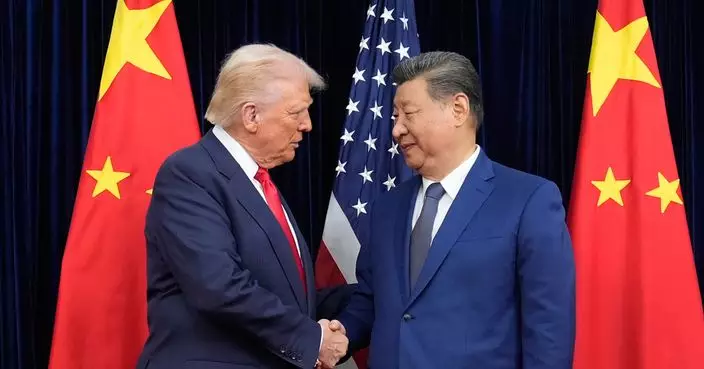
Canada just threw the rulebook out. While Washington tries to bully automakers into abandoning Canadian factories, Ottawa slashed import tariffs on Chinese-made electric vehicles from a punishing 106.1% down to 6.1% – a move that cracks open the door for Chinese EVs to flood the Canadian market. The numbers tell the story: Chinese EV exports to Canada cratered 92% quarter-over-quarter in Q4 2024 under the old tariff regime. Now Prime Minister Carney is calling the shots from Davos, warning middle powers they need to stick together or risk becoming "menu items" for superpowers playing hardball.
From 106.1% to 6.1%
Here's what actually changed. Since October 2024, Canada's previous government had parroted US policy by slapping a 100% additional tariff on Chinese EVs, pushing the combined rate to 106.1%. Chinese EV exports to Canada collapsed 92% in Q4 2024 compared to the previous quarter.

Canada slashes tariffs from 106.1% to 6.1%. Stock photo
The new policy strips that away, restoring the 6.1% base tariff and establishing an annual import quota of 49,000 vehicles. Carney framed this as fostering Sino-Canadian cooperation, projecting that joint ventures between Chinese companies and Canadian partners will materialize within three years – preserving and creating auto sector jobs while strengthening Canada's EV supply chain. The agreement commits to bringing more affordable models to Canadian buyers, with over 50% of imported EVs expected to cost less than CAD 35,000 within five years.
Automakers and market analysts are calling it a "major boon." Sun Xiaohong, an expert from the China Chamber of Commerce for Import and Export of Machinery and Electronic Products, noted that Chinese EVs match the Canadian market well on price and performance, and the policy shift will restore positive growth momentum.
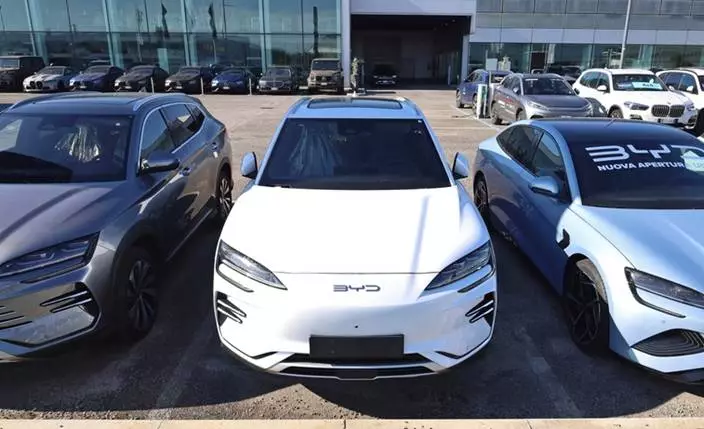
The price gap that's driving Ottawa's pivot. Stock photo
Price competitiveness remains the killer advantage. Market comparisons show that equivalent Chinese EV models typically sell for US$10,000 to US$15,000 less than existing options in Canada. Polling data backs this up: most Canadians support tariff cuts to boost their purchasing power.
Payback for Trade Bullying
Bloomberg characterized this as a direct response to the current US administration's strong-arming of automakers to relocate factories from Canada to the United States – while simultaneously opening the door for Chinese carmakers to assemble vehicles in Canada for the first time.
Daniel Breton, head of the Canadian Electric Vehicle Association, put it plainly: the US President has publicly declared he doesn't want any Canada-built cars sold in the US, effectively threatening Canada's entire auto industry. The policy adjustment is "right on time," enabling Canada to find new partners and reduce over-reliance on the US market. Industry forecasts suggest Chinese brands could capture roughly 10% of the Canadian EV market share.
Significantly, the new policy marks the first time Canada opens the door for Chinese firms to assemble cars domestically, though it may attach conditions like joint ventures or mandates for local software.
Sun Xiaohong analyzed that in 2025, the US government rolled out a series of tariff increases targeting autos and parts – measures that applied equally to Canada. This prompted many companies originally producing in Canada to shift capacity to the US mainland, leaving output gaps in Canada. As a result, Ottawa is actively seeking global auto investors, including from China.
Canada's government is developing a new auto industry strategy, scheduled for release in February, focused on attracting foreign investment, nurturing local industry, and reducing dependence on the US.
Sun believes Sino-Canadian auto cooperation could evolve from trade to investment, with strong odds of Chinese firms establishing assembly operations in Canada. As a USMCA member, Canada offers an attractive market and a gateway into North America. The Chinese side will monitor the stability of Canada's investment climate and policy continuity to ensure healthy, long-term collaboration.
"Not at the Table? On the Menu"
At the Davos World Economic Forum, Canadian Prime Minister Carney delivered a headline-grabbing speech, urging middle powers worldwide to band together and push back against coercion by aggressive superpowers.
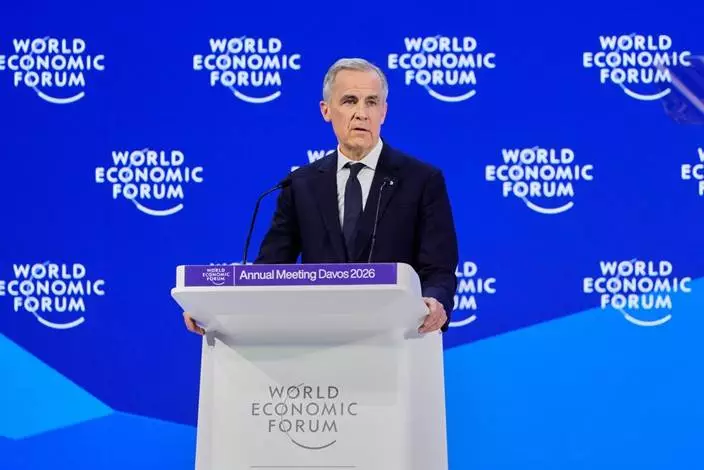
Prime Minister Carney at Davos. AP photo
Though he didn't name US President Trump directly, he referenced "American hegemony" and accused "great powers" of weaponizing economic integration. Facing this new reality, Canada must "be both principled and pragmatic" – pivoting inward to build the nation, diversify trade relationships, and reduce dependence on the US and others, because it's now clear that "integration" breeds "subordination".
Carney put it bluntly: the long-standing US-led, rules-based international order is finished. Middle powers like Canada need a strategic pivot to avoid becoming casualties of "coercion" from powerful forces. "When the strong can do what they can”, there is a strong tendency for countries to “go along to get along, to accommodate, to avoid trouble, to hope that compliance will buy safety”. “Well, it won’t”, said Carney. “The middle powers must act together, because if we're not at the table, we're on the menu.”
Deep Throat
** 博客文章文責自負,不代表本公司立場 **