Halloween is only five days away, but forget the fun and frights—this year, American families face a real nightmare: skyrocketing prices from US tariffs on Chinese goods. Costumes, decorations, and candy costs are exploding, forcing households to slash budgets or ditch the holiday altogether.
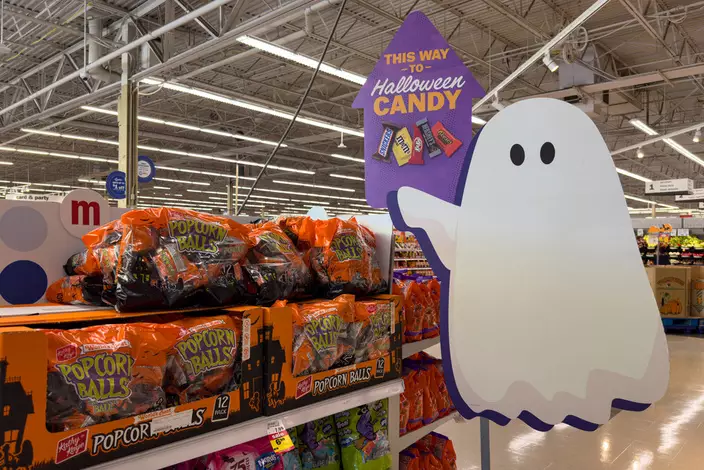
Halloween's joy sours into economic dread under tariff pressures.
The National Retail Federation's October 23 report lays it bare: 79% of Americans brace for pricier Halloween hauls, shelling out more for outfits, decor, and sweets. NRF projects a record $13.1 billion in US spending this year, up from $11.6 billion last time, with per-person outlay hitting $14.45—a $1 jump that stings.
Click to Gallery
Halloween's joy sours into economic dread under tariff pressures.
Picture Chris Zephro on California's Santa Cruz Island, staring down his toughest stretch in 15 years running a Halloween warehouse. Gory latex masks, Saw movie props, and zombie gear fill the shelves, but unlike the fake blood, his business bleeds real cash—over $800,000 in tariffs since Trump's April crackdown on Chinese imports. It's led to his first-ever layoffs: 15 workers out the door.
"That was one of the worst days of my life," Zephro recalls. "These were my friends; I know their families and I'm hoping to bring them back." He adds helplessly, "I would love to have a conversation closed doors with Trump, because he's not an idiot. He took the same classes in business school that I took, so let's drop the veil," he said. "This is Economics 101. Tariffs are paid by importers."
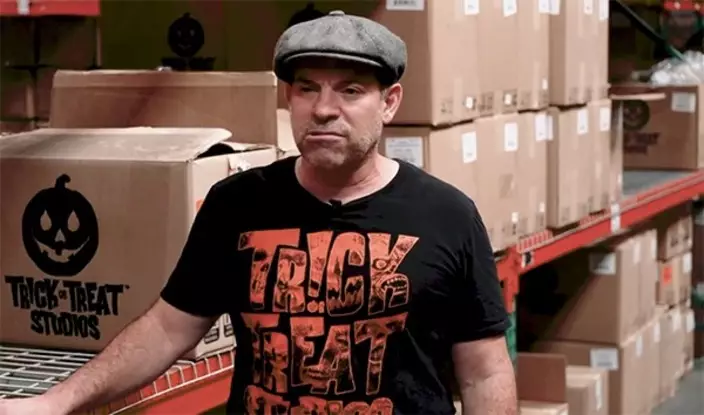
Chris Zephro.
Tariffs Bite Importers Hard
Trump's tariffs don't stop at warehouses—they slam straight into shoppers' wallets, turning holiday cheer into hard choices. Importers absorb the hit first, but everyday buyers feel the pinch.
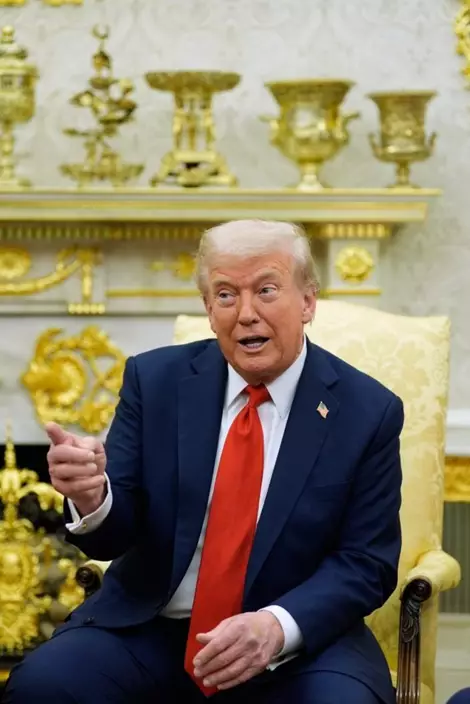
Reyna Hernandez in California hunts for a costume hat for her 6-year-old son, only to balk at the $30 tag. "It's just ridiculous. We cannot even afford this at all. Like, a lot of people are not going to be able to afford a costume this year," Hernandez said. She's piecing together the outfit in installments now, stretching every dollar.
Ryan Goldman, running a Halloween costume chain, fights to shield customers from the full blast. "The idea is to hold as many prices as we can knowing that because of tariffs, things are going to go up," Goldman said. "But we don't want (higher prices) to be 100% across the board. That's not fair." He pegs costume hikes at $5 to $10 on average, propping up kids' sizes by jacking adult ones higher.
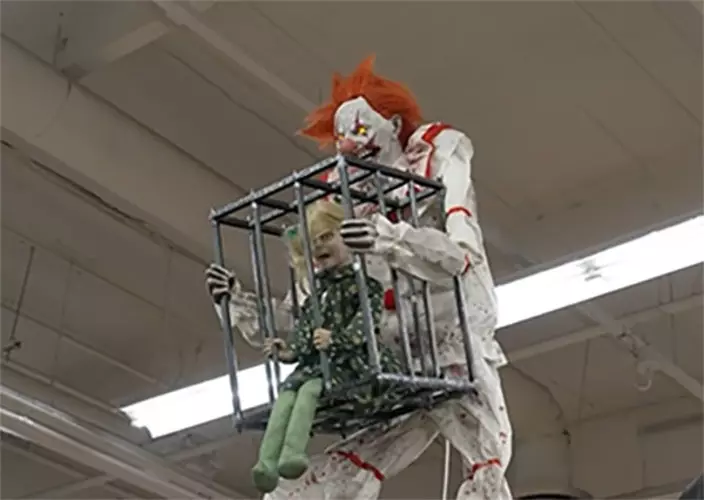
Candy and Booze Get Pricier
Tariffs creep beyond costumes into the candy aisle, where Halloween's sweet staple turns sour on budgets. Hershey's claims no change, but shoppers spot a 48-bar chocolate box leaping from $40 to over $50. Blame it on tariffs plus West Africa's weather woes slashing cocoa output—global production dipped 12.9% last year to 4.37 million tons, a 494,000-ton shortfall unseen in 60 years. Prices doubled as Côte d'Ivoire output fell 25.3% and Ghana's plunged 31.3%, per Reuters.
Even adult treats feel the squeeze—US tariffs on European wines and spirits kill any festive discount dreams. No breaks for French, Italian, or Spanish vintages, nor Scotch whisky. The EU shipped $3.4 billion in spirits to the US last year; now those bottles climb in price, dimming the party vibe.
Families fight back with DIY hacks amid the price storm and shortages. At Ohio State University's costume studio, director Mayer pushes thrift-store raids: snag cheap clothes, shred them, dust with powder for instant zombies. Start budgeting early, she says, and your getup looks sharper when it counts—turning tariff pain into creative wins.
Halloween ranks fourth in US sales holidays, trailing only the winter rush, back-to-school frenzy, and Mother's Day. Yet Trump's tariffs cast a long shadow—merchants and buyers alike groan that this year's tricks feel more terrifying than any treat or ghost.
Deep Throat
** The blog article is the sole responsibility of the author and does not represent the position of our company. **
Actions speak louder than words. Conn Selmer — the largest manufacturer of brass and orchestral instruments in the United States, owned by Wall Street billionaire John Paulson — has announced it will move production of tubas, marching tubas, and part of its French horn output from its Eastlake, Ohio plant to China. The factory closes at the end of June, cutting 150 jobs.
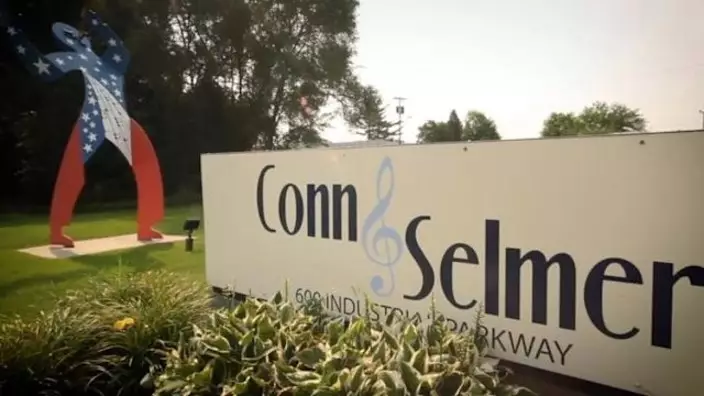
Conn Selmer – the largest manufacturer of brass and orchestral instruments in the United States.
The contradiction here is hard to ignore. Paulson is not only a major financial backer of Trump — he is a political ally who has publicly pledged to defend American manufacturing. His actions now run directly counter to his "America First" rhetoric, and the workers bearing the cost are furious.
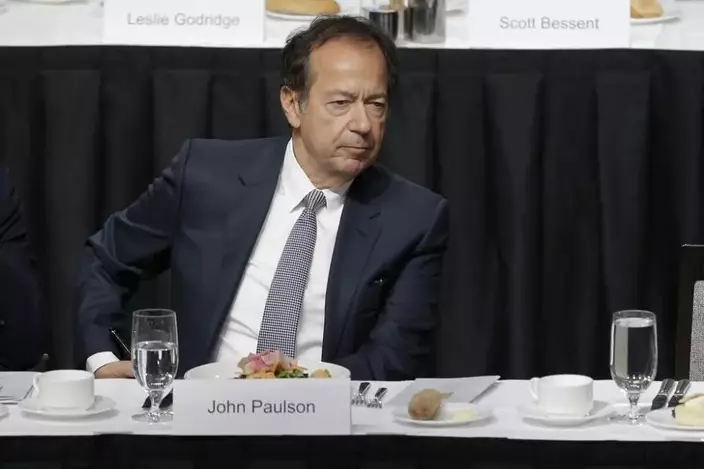
Paulson is both a major financial backer of President Trump and a political ally who has pledged to defend American manufacturing.
According to a Reuters report on April 17, Paulson raised about US$50.5 million for Trump's 2024 election campaign. In a September interview with CNBC that year, he declared: "We can’t have American producers closing American factories and offshoring. We need to protect American jobs and protect American manufacturing."
Yet this month, Conn Selmer confirmed that its Eastlake brass instrument plant will cease operations entirely, with production shifting to China. As early as February, The Guardian had revealed Paulson's plan to outsource most of the factory's operations, describing the move as "a slap in the face" to workers.
Paulson, now 71, heads the investment firm Paulson & Co. He earned the nickname "the God of Short-Selling" and is widely regarded as one of finance's most influential figures. His ties with Trump stretch back to 2016, when he publicly backed Trump after the Republican nomination and served as a top economic adviser to the campaign. Today, a deep rift has opened between his business decisions and his political stance — made all the more jarring given his past criticism of outsourcing and his vocal support for tariff policy.
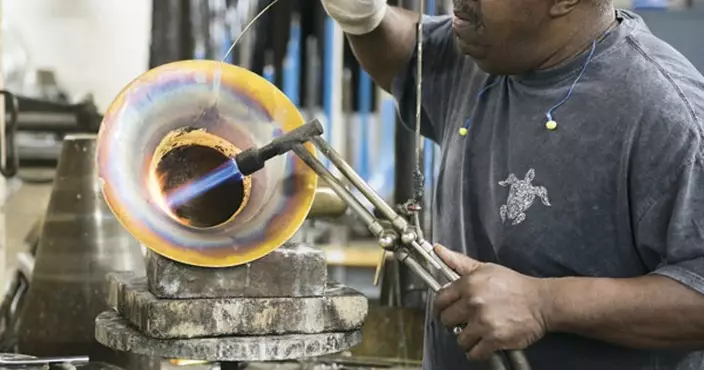
Conn Selmer previously informed the union representing 150 workers that the Eastlake plant closure and production shift had been finalized, with the shutdown scheduled for the end of June.
Conn Selmer had already informed the union representing 150 workers that the Eastlake closure was final, with a June-end deadline. A local United Auto Workers chapter said employees only learned of the shutdown last month, during contract negotiations — when the company made clear the decision was non-negotiable and the plant would simply close. The company had quietly established a factory in China last year and had been gradually shifting operations there. The restructuring is expected to cut US$13 million in costs in one stroke to maintain competitiveness. Even a 20.4% tariff on Chinese-made brass instruments did nothing to halt the move.
Keith Czika, an 18-year plant veteran, joined fellow union members in lobbying efforts, hoping Paulson's access to Trump might prompt a reversal. It got them nowhere. "Why would Paulson decide to move the factory to China? I still can't wrap my head around it," Czika said. "China, after all, is an economic rival of the United States."
Annette Dombrowski, a 64-year-old cleaner, broke down in tears multiple times during a briefing on severance arrangements. The irony stings: the briefing was held in the American Legion hall where she had once celebrated her own wedding. She relies on modest Social Security income and admits deep anxiety about what comes next. "I think America is in a terrible state right now," she said. "I'm starting to regret voting for Trump."
The political stakes are rising. John Plecnik, a Republican in Lake County, Ohio, issued a blunt warning: if job protection promises are not delivered before the November midterm elections, the party risks losing its working-class base. "If we don’t keep the promise of protecting jobs, I wouldn’t blame them for going right back and voting Democrat."
Of the six Trump-supporting workers Reuters interviewed, five said they would still back Republican candidates. Czika kept his support for Trump — but added a condition: "If you keep your promises, that'll be fine," he said. "If you don't, that'll be a problem. America First. Bring manufacturing back."
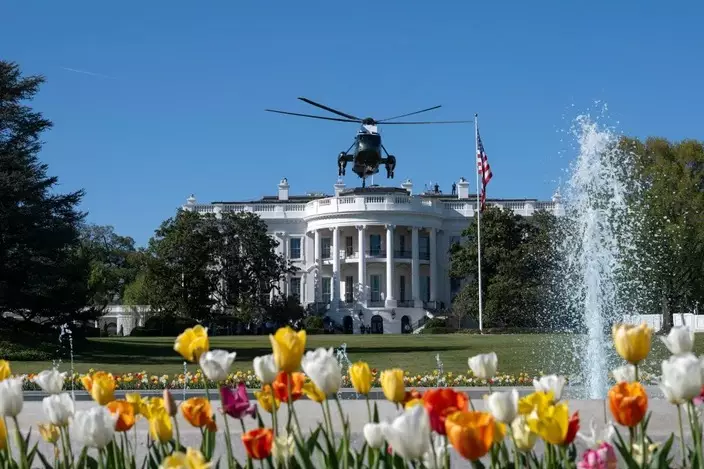
According to the U.S. Bureau of Labor Statistics, since Trump returned to the White House, U.S. manufacturing jobs have fallen by about 100,000.
The numbers tell a damning story. According to the U.S. Bureau of Labor Statistics, U.S. manufacturing employment has dropped by about 100,000 jobs since Trump returned to the White House. Conn Selmer's spokesperson said the plant closure "will enhance our competitiveness and better meet current market demand." As of now, the White House has not responded to workers' calls for Trump to intervene.