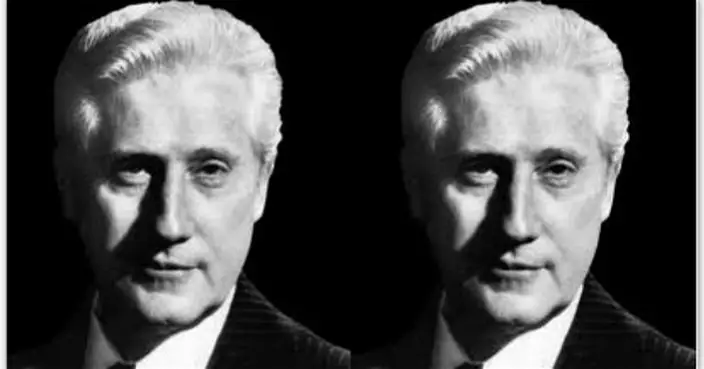
On August 27, the CDC abruptly announced Director Susan Monarez was “out,” a stunning “dismissal” that came less than four weeks after she was sworn in on July 31, leaving America’s top public‑health agency in turmoil and reigniting the fight over whether politics is throttling science. In practical terms, this was a record‑short tenure that underlined how fragile the CDC’s leadership has become in a hyper‑polarized climate, with the White House making clear her direction wasn’t aligned with Trump’s “Make America Healthy Again” agenda.
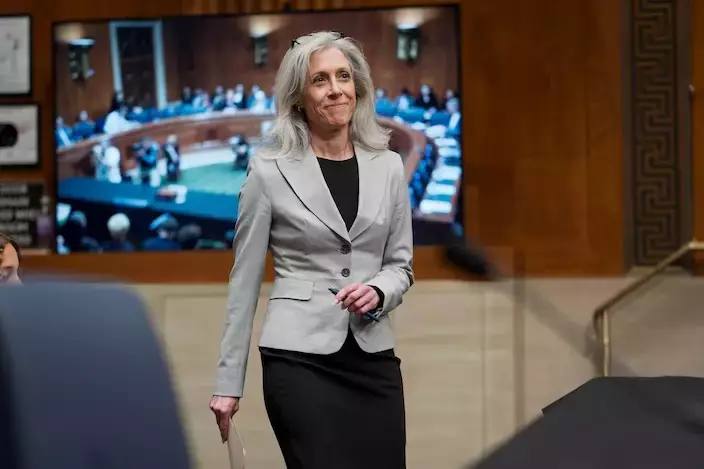
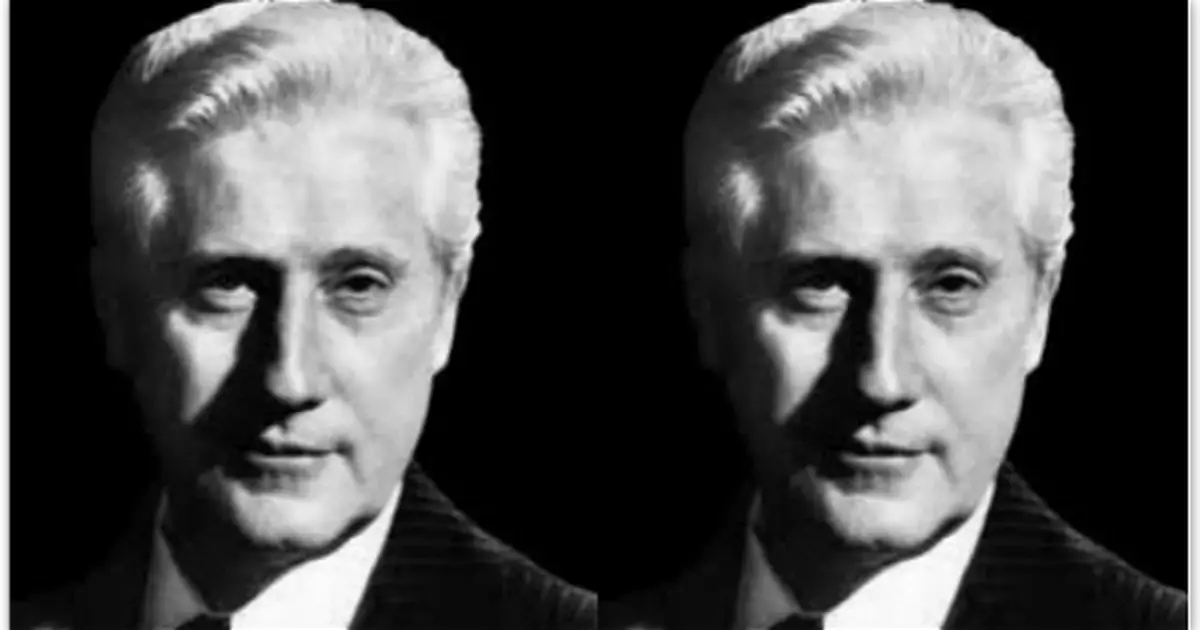
Susan Monarez. AP file photo.
Monarez was the first CDC director ever to undergo Senate confirmation after Congress changed the law in 2023, and she was also the first director without a medical degree since the early 1950s, a profile some hoped would steady a battered agency. That reform—baked into post‑pandemic accountability efforts—was supposed to bolster legitimacy, yet her short stint instead exposed how the CDC’s institutional guardrails can still be overridden by raw political pressure.
She wasn’t the Trump team’s initial pick; an earlier nominee, former congressman and vaccine skeptic Dave Weldon, was pulled shortly before a confirmation showdown, setting up Monarez’s late‑March selection and months of drift at the agency. In that vacuum, HHS Secretary Robert F. Kennedy Jr. increasingly put his stamp on vaccine policy, with top immunization decisions narrowed and career scientists sidelined, foreshadowing the clash Monarez would inherit on day one.
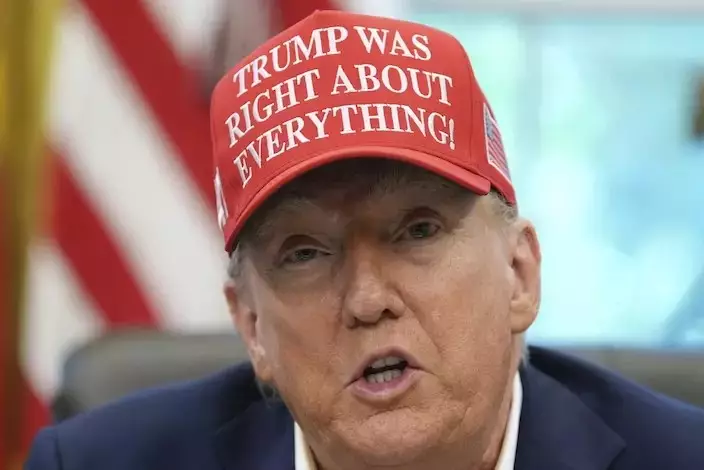
Donald Trump. AP file photo.
The vaccine showdown
Officially, the White House said Monarez’s policy direction didn’t fit the President’s health agenda; but the core rupture, as multiple outlets reported, was her refusal to back Kennedy’s moves to weaken vaccination, restructure the CDC, and fire senior experts—classic political‑retaliation‑against‑science territory. As her attorneys put it, “she chose protecting the public over serving a political agenda”—and that’s when the crosshairs found her.
The blowback inside CDC was immediate: Chief Medical Officer Debra Houry and immunizations chief Demetre Daskalakis resigned within hours, followed by longtime infectious‑disease leader Dan Jernigan and data director Jennifer Layden, all citing deep concerns about censorship, politicization, and the flood of misinformation. Their exits weren’t symbolic—they were a brain drain of institutional memory at the worst possible time, leaving a demoralized agency already reeling from layoffs and leadership churn.
Houry underscored the obvious: vaccines save lives, yet inflated risk claims and viral falsehoods have pushed measles to a three‑decade high, a grim marker of how disinformation can translate into real‑world harm and policy paralysis. All this was followed by an allegedly anti-vaccine shooting at CDC’s Atlanta headquarters earlier in the month that left a responding police officer dead, further rattling staff as political leaders ducked hard truths and the agency pleaded for space to do science.
The bigger picture
Daskalakis’s resignation landed like a thunderclap, warning that the line between science and ideology had broken down and that current directions risked undercutting vaccination access and public health itself—a sentiment that echoed across the profession. The tone from departing leaders was clear: an agency built to protect populations was being forced into policies that don’t meet scientific reality, with consequences that will be felt far beyond Atlanta.
The White House tapped HHS Deputy Secretary Jim O’Neill as acting director, a Silicon Valley investor with long‑standing ties to Peter Thiel and a deregulatory bent that critics say could further erode scientific independence inside a mission‑critical health agency. O’Neill’s lack of medical or scientific training has already sparked controversy in Congress and among experts, sharpening anxieties over how the CDC will navigate vaccines, outbreaks, and public trust under interim stewardship.
Strip away the noise, and the pattern is hard to miss: a Senate‑confirmed director defends vaccine science, refuses to purge career experts, and is out in under a month, while senior staff head for the exits as measles surges and a fatal attack at CDC deepens the sense of crisis. This isn’t normal governance—it’s a cautionary tale of how politicization shrinks the space for expertise, chills evidence‑based decision‑making, and ultimately sends the bill to Americans’ health and safety.
Deep Throat
** 博客文章文責自負,不代表本公司立場 **
Trump has never made peace with the American press. But his sit-down with NBC's Meet the Press on Sunday took that long-running war to a new extreme — ending with the president walking off set, ripping off his microphone, and stamping on it as he stormed away.
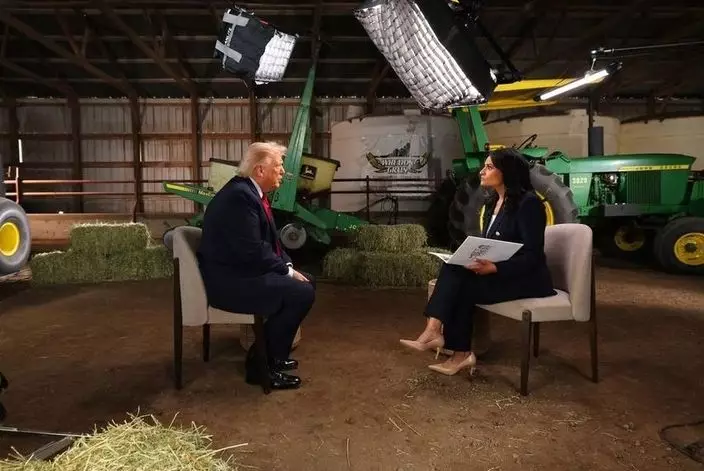
Trump sat down with NBC Meet the Press anchor Kristen Welker for an exclusive interview at a farm in Wisconsin on Saturday local time.
The interview took place on Saturday at a farm in Wisconsin, where Trump sat down with anchor Kristen Welker. What started as a structured conversation escalated rapidly into an extraordinarily heated argument over allegations of electoral fraud. Both sides were visibly flushed with anger by the time Trump finally snapped, walked out mid-interview, and crushed his microphone underfoot as he left.
The flashpoint was Welker's question about the $1.776 billion "Anti-Weaponization Fund." The fund was born from a major legal settlement Trump struck with the Department of Justice in May 2026. It originated when Trump withdrew a $10 billion lawsuit against the Internal Revenue Service over alleged tax information leaks, with the DOJ establishing this dedicated fund in its place. Its stated purpose: to compensate individuals or organizations who claim they were subjected to the "weaponization" of government institutions or unjust investigations during the Biden administration.
The fund ignited controversy in Washington almost immediately. Critics warned it could become a taxpayer-funded political slush fund. Democrats questioned whether Trump supporters, political allies, and even participants in the January 6, 2021 Capitol riot could eventually become beneficiaries. Notably, a significant number of Republicans also voiced opposition. Last month, a court struck the fund down.
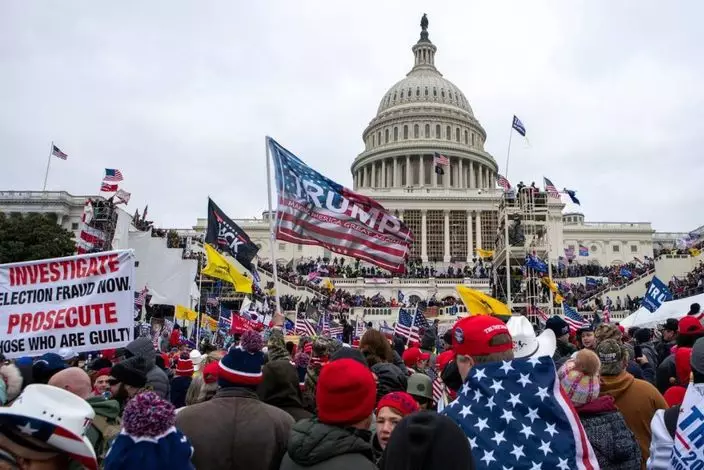
The 6 January 2021 riot and storming of the US Capitol.
That court ruling led the acting Attorney General to declare the fund permanently discontinued. Trump told Welker he still hoped to see it move forward. "If it was up to me, I’d pay them the kind of money that they deserve… People have been destroyed. Lives have been destroyed. Many suicides, think of it," he said. "If they get it approved, that’s great; if they don’t get it approved, I’d be disappointed."
Trump also insinuated that those he called "rioters" at the Capitol were in fact escorted into the building by FBI agents. He claimed the Biden administration had put innocent people in prison — but offered no evidence to support either assertion.
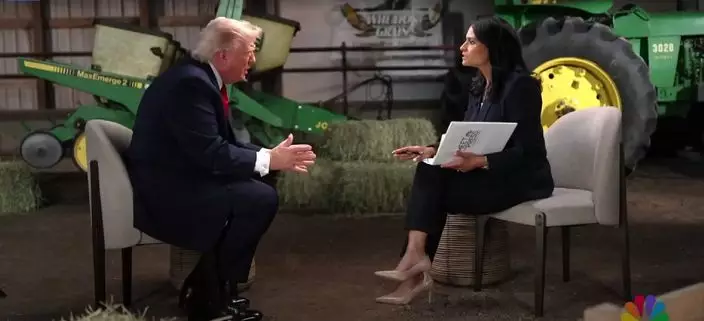
Trump and anchor Kristen Welker became embroiled in a fierce argument over allegations of electoral fraud.
When Welker pressed him for proof, Trump replied: "There’s a lot of evidence. There’s tremendous evidence. There’s nothing but evidence." Welker shot back: "Well, it’s not been presented in a court of law."
Trump then pivoted to broader claims of electoral fraud. He alleged the 2020 presidential election was stolen and asserted that fraudulent practices are currently playing out in California. "The election was rigged. It was a dirty election. And it’s happening again right now in California," he said. He claimed Republican candidates' polling numbers are “dropping fast because it’s a rigged election” with the intent of eliminating Republican candidates.
California's electoral system adds important context here. Unlike most other US states, California employs a distinctive "Jungle Primary" — all candidates from all parties compete on the same ballot, and only the top two vote-getters advance to the general election.
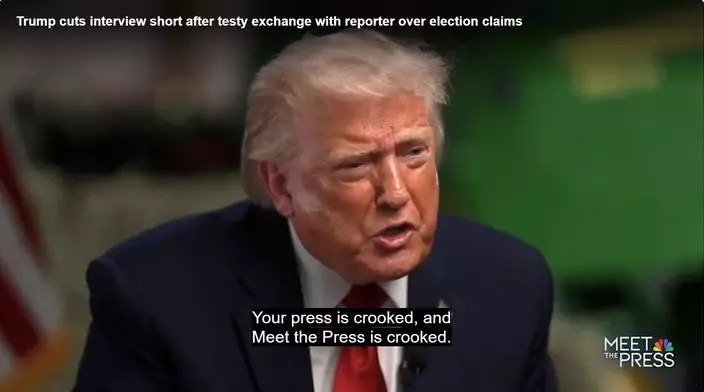
Trump raged at the media, branding it corrupt and declaring that Meet the Press itself was "corrupt."
Welker pushed back directly: "That’s how they count the votes in California." She noted that local officials had publicly acknowledged the counting process was indeed "slow," then challenged Trump to produce evidence that California's elections were being "rigged." That's when the interview turned combustible. "They’re crooked just like you’re crooked, your press is crooked. And ‘Meet the Press’ is crooked." Then, with pointed finality Trump added: "You’re either crooked or you’re stupid."
Trump accused Welker of "playing right into their hands" and unloaded on the program's credibility in a single broadside. "You’re a one-sided crooked network. Sorry. Let’s call it quits because I’ve had enough. Thank you, darling, have a good time." He then fired off attacks against ABC, CBS, and CNN in one breath.
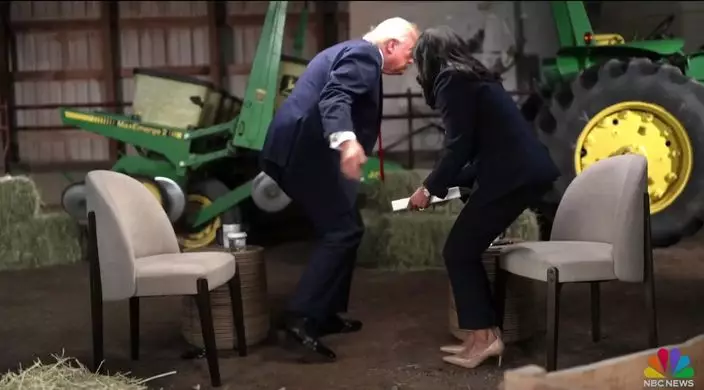
Trump abruptly terminated the interview and stormed off set in a fit of fury.
Welker pleaded with Trump to continue, noting that the NBC team had traveled all the way to Wisconsin for the interview. Trump refused, pressing his point: "I sat in the rain with you for an hour," Trump said. "On and off in the rain, and I've given you enough time. You ought to straighten out your press, because you know what? A country can never be great with a dishonest press." As he delivered those final words, he reached up to remove his microphone, stormed off in fury, and stamped on it as he walked away.
After the interview aired, Welker disclosed that she had spoken with Trump again by phone. He agreed to a follow-up interview, though she provided no details on when or where it would take place.
Trump's relationship with the American press has long been defined by extreme tension. He routinely deploys derogatory terms when referring to journalists in public.
The reality is, Trump's attacks are no longer confined to the liberal mainstream media. He has recently widened the scope of his targets to include figures from the conservative media world. On April 9, Trump posted on his Truth Social platform, explicitly calling out prominent MAGA-aligned commentators who had criticized his stance on the Iran war — among them well-known podcast host Tucker Carlson, as well as Megyn Kelly, Candace Owens, and Alex Jones. He labeled these commentators "low-IQ," "nut-jobs," and "trouble-makers".