Commonly known as "weight‑loss pens" or "slimming pens," prescription injections containing GLP‑1 inhibitors, originally developed to treat type 2 diabetes, have recently become highly sought‑after slimming products. Illegal and counterfeit versions are now rampant across social media, online shopping platforms, messaging groups, and second‑hand trading sites, easily accessible to the public without a doctor’s prescription or any form of medical evaluation.
These products vary widely in price. So‑called "Bangladesh aftermarket" versions sell for HK$300 per vial, while "original Japanese" versions go for over HK$600. In contrast, a doctor‑prescribed injection can cost between HK$2,000 and HK$3,000 per vial. Driven by the price gap, many consumers blindly purchase these cheap alternatives and self‑administer them, unaware of the serious health risks they are inviting.
Click to Gallery
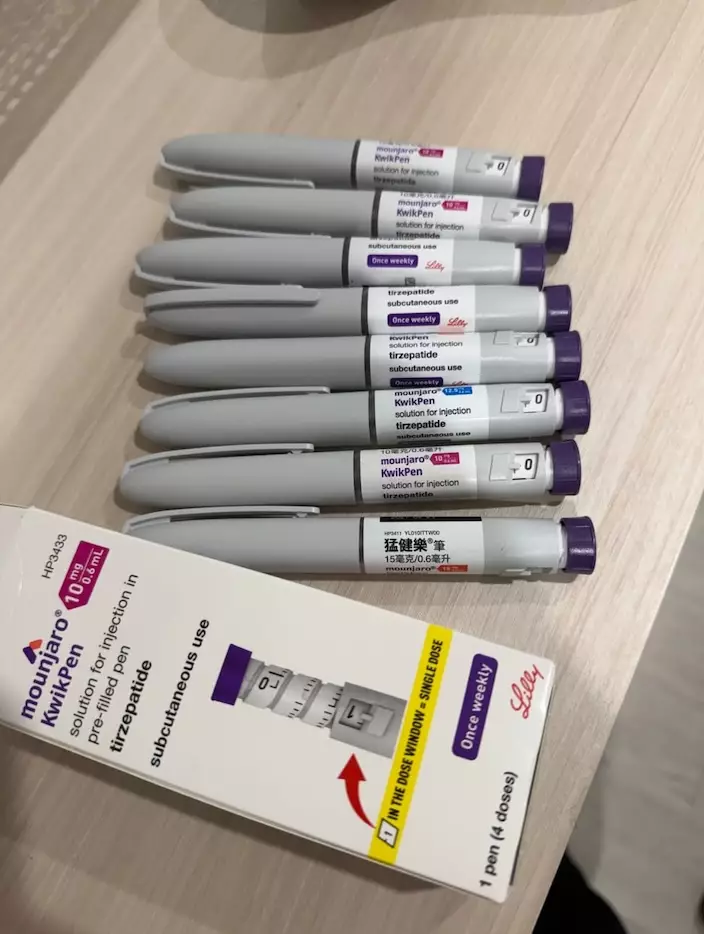
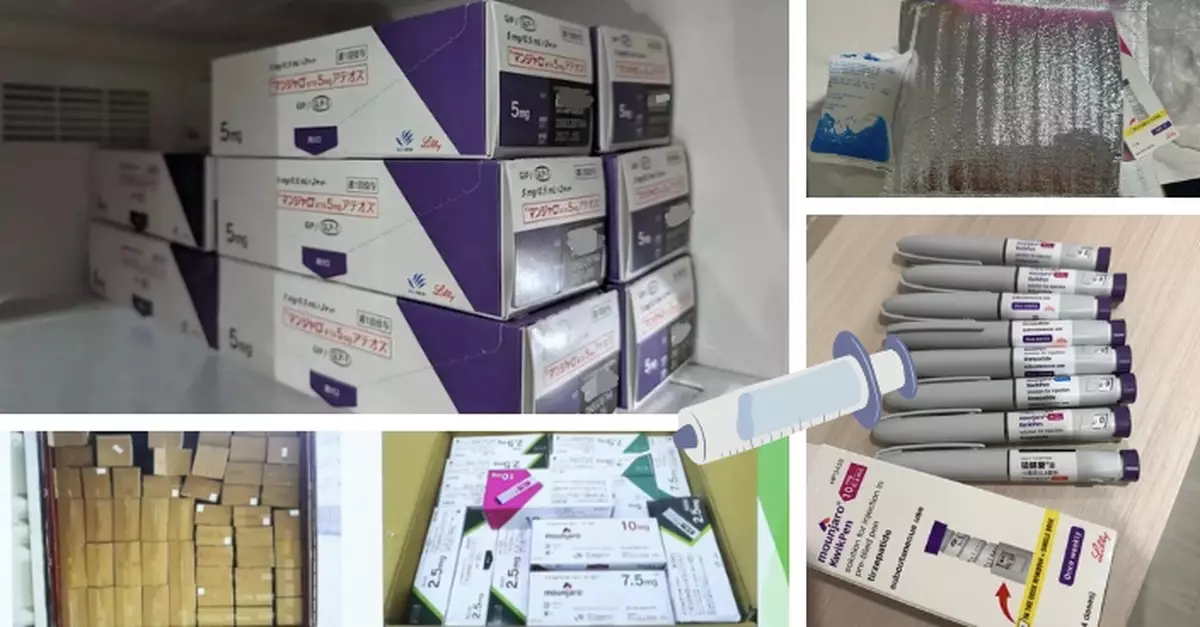
Illegal weight‑loss injections are flooding the market, posing significant health risks. Photo source: Threads image
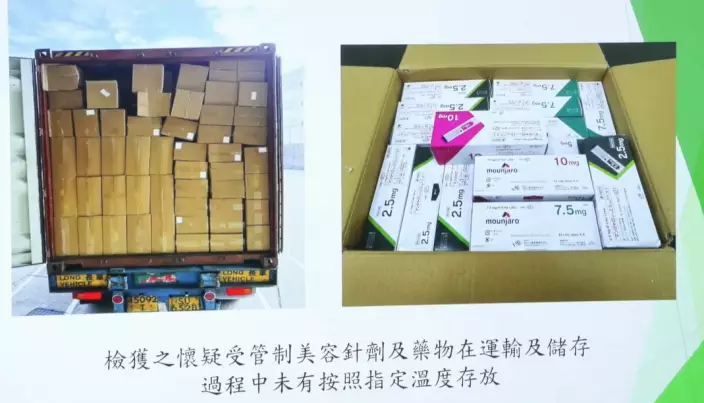
Customs noted that some weight‑loss injections had been transported without proper cold‑chain storage, potentially posing safety risks. Photo source: FB @ Hong Kong Customs

Hon. Nixie Lam, Photo by Bastille Post

Dr. Charles Ng, Photo by Bastille Post
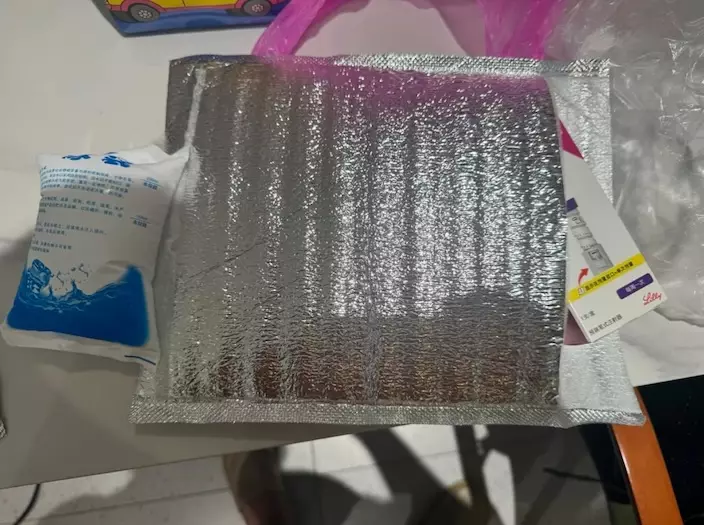
Weight‑loss injections sold online are frequently transported in ordinary cooler bags without proper cold‑chain protection, raising doubts about their safety and quality. Photo source: Threads image

Hon. Nixie Lam and Dr. Charles Ng, Photo by Bastille Post
Hong Kong Customs, Photo source: reference image
The Department of Health, Photo source: reference image
According to Customs figures, in the first four months of this year alone, authorities uncovered 15 large‑scale smuggling cases involving weight‑loss and beauty injections, with an estimated market value of approximately HK$220 million.
Illegal weight‑loss injections are flooding the market, posing significant health risks. Photo source: Threads image
In an interview with Bastille Post, LegCo member Hon. Nixie Lam and Dr. Charles Ng, a practising physician, both warned that the proliferation of illegal weight‑loss injections poses significant health threats. They urged the government to strengthen inter‑departmental enforcement, enhance public education, and increase the deterrent effect of the law.
Are “Original Japanese Products” Safe?
The current grey‑market weight‑loss pens come from three main sources: “original Japanese products,” “Bangladesh aftermarket versions,” and counterfeit injections manufactured in laboratories in the Chinese Mainland. Prices vary considerably. “Bangladesh injections” sell for around HK$300, while “Japanese injections” are priced at HK$500–600, making them the most commonly sold options.
Although “Japanese injections” are genuine products, their cross‑border transport bypasses proper cold‑chain procedures. “Bangladesh injections” are produced by aftermarket manufacturers, leading to inconsistent drug quality. As for counterfeit injections from the Chinese Mainland, they were originally intended only for animal clinical trials and have never undergone human safety testing before being smuggled into Hong Kong. Their ingredients are unknown, their efficacy is unstable, and their health risks are significant.
According to the latest Hong Kong Customs figures, from January to April 2026, multiple operations targeting controlled injectables and medicines resulted in the dismantling of 15 large‑scale smuggling cases. Authorities seized over 5 million suspected pharmaceutical products and approximately 150,000 controlled injectables suspected of containing Part 1 poisons, including roughly 130,000 anti‑obesity injections and around 20,000 cosmetic injections, with an estimated market value of approximately HK$220 million.
Customs noted that some weight‑loss injections had been transported without proper cold‑chain storage, potentially posing safety risks. Photo source: FB @ Hong Kong Customs
Illegal Slimming Pens Flood Online Market
Hon. Nixie Lam pointed out that in the past, illegal drugs were mostly traded discreetly through traditional pharmacies. Now, the sales model has shifted online. Advertisements for weight‑loss injections can be found across social media platforms such as Instagram, Facebook, Threads, Telegram, and WhatsApp groups. The sellers attract customers through proxy buying and referrals from friends, even boasting that no doctor's consultation is required and offering fake medical certificates. Some sellers even claim that certain versions do not need cold‑chain transportation.
Hon. Nixie Lam, Photo by Bastille Post
She cited an example: a search on Threads using relevant keywords revealed that an account with only a dozen followers had amassed over a thousand views within a few hours of posting its sales ads, indicating a large and eager consumer base.
Dr. Charles Ng revealed that some sellers use second‑hand platforms to arrange face‑to‑face transactions with buyers at MTR stations, treating the exchange as casually as buying ordinary daily necessities, completely disregarding the prescription‑only status and health risks of the drugs. He added that many beauty salons have become "accomplices," introducing and promoting illegal weight‑loss injections to customers. The so‑called resident doctors in these salons are mostly part‑time, some without any registered medical supervision. Customers receive injections without any medical examination or follow‑up health monitoring, and there is even a possibility that teenagers under 18 are using these products, causing long‑term and irreversible damage to their physical development and endocrine systems.
What Are GLP‑1 Inhibitors?
GLP‑1 inhibitors were originally developed to treat type 2 diabetes and have also been applied to the treatment of obesity in recent years. They work by mimicking the body's natural GLP‑1 hormone to promote insulin secretion, inhibit glucagon release, and slow gastric emptying, thereby prolonging the feeling of fullness, suppressing appetite, reducing calorie intake, and regulating blood sugar levels to aid weight loss.
Medical Assessment & Monitoring: A Must for Injection
Dr. Ng explained from a professional medical perspective that subsequent studies have confirmed GLP‑1 inhibitors can be used for weight loss in obese individuals with a BMI of 30 or higher, or patients with a BMI of 25 or higher and accompanying cardiovascular disease. However, they are not general slimming health products, nor are they "beauty injections" suitable for anyone.
Dr. Charles Ng, Photo by Bastille Post
Under standard medical protocol, patients must undergo blood tests for thyroid, liver, and kidney function before using weight‑loss injections. A doctor assesses the risks based on the individual's medical history and prescribes a personalised dosage. Regular follow‑up appointments are also necessary to monitor changes during treatment. Nevertheless, the current parallel trade completely bypasses all these procedures. Individuals can purchase injections online at will, self‑administer at home, and arbitrarily adjust dosages, with potentially disastrous consequences.
Misuse Can Be Fatal
Dr. Ng listed three major fatal risks:
1. Improper storage and transport – Weight‑loss injections are peptide hormone drugs that must be stored at 2–8°C. Most grey‑market products are carried by individuals or transported across borders in ordinary parcels. Uncontrolled temperatures can cause the drugs to deteriorate and breed bacteria, easily leading to serious infections after injection.
2. Counterfeit products with unknown ingredients – Unscrupulous merchants substitute weight‑loss injections with dehydrating drugs or insulin. Misuse can cause severe hypoglycaemia, dehydration, and even kidney failure.
3. Risk of acute severe illness – Even legitimate drugs can cause acute pancreatitis if used improperly, which can be fatal. He noted that in the past, due to abuse and rampant smuggling of weight‑loss injections, European authorities once ordered a suspension of their use for weight loss for six to twelve months.
Weight‑loss injections sold online are frequently transported in ordinary cooler bags without proper cold‑chain protection, raising doubts about their safety and quality. Photo source: Threads image
Cutting Off Online Sales Chains: Lessons from Singapore
Regarding the effectiveness of current government regulation and enforcement, Hon. Nixie Lam said that enforcement is seriously insufficient. She believes authorities focus too much on traditional pharmacy inspections while neglecting the crackdown on online sources, allowing illegal advertisements on social media platforms to spread unchecked.
She suggested that the government learn from Singapore's approach and cooperate with online platforms to block illegal accounts and related advertisements through technical means, cutting off the online sales chain. She also recommended strengthening controls on cross‑border postal channels to curb the large‑scale smuggling of weight‑loss injections through personal shoppers. On public education, she noted that there is currently no easily understandable warning content designed for the social media platforms commonly used by young people.
Dr. Ng suggested a joint effort by three departments. First, Customs should strengthen its controls to combat smuggling at the source. According to him, Customs recently seized a large number of smuggled weight‑loss injections intended for transshipment to Macau at the border. However, smugglers often conceal the drugs on their bodies or in their luggage, making it difficult for Customs to thoroughly inspect every passenger, inevitably allowing some to slip through.
He believes the Police should work with the Health Bureau and the Department of Health to strengthen enforcement. The law clearly stipulates that such drugs cannot be sold without a doctor's prescription, but to his knowledge, many pharmacies in Tsim Sha Tsui are still illegally selling prescription drugs such as weight‑loss injections and pneumonia medications, and current enforcement efforts remain inadequate.
He also stressed that public education should be strengthened, as citizens often focus only on low prices, completely ignoring the potential health consequences and the risks of using counterfeit drugs. Both of them urged the public not to be tempted by low prices and purchase weight‑loss injections of unknown origin through online resellers or private transactions. Instead, the residents should consult a registered doctor first, undergo a professional evaluation, and follow the doctor's advice for treatment, lest they jeopardise lifelong health in pursuit of rapid weight loss.
Hon. Nixie Lam and Dr. Charles Ng, Photo by Bastille Post
Government Response
Hong Kong Customs
Hong Kong Customs, Photo source: reference image
Customs stated that, based on risk management and intelligence, it has strengthened efforts to intercept controlled goods from entering Hong Kong at various border crossings. It has also conducted strict random checks and inspections on goods and travellers from high‑risk areas to prevent the influx of controlled substances at the source. Customs and the Department of Health have coordinated enforcement efforts, urging the public not to purchase or use prescription drugs through illegal channels. The public is reminded that improper storage during transportation, especially for drugs requiring cold‑chain storage, can adversely affect the safety of these drugs and pose a health risk.
Department of Health
The Department of Health, Photo source: reference image
The Department of Health stated that currently registered injectable drugs in Hong Kong for the treatment of obesity include liraglutide, semaglutide, and tirzepatide, all of which are classified as Part 1 poisons and prescription drugs under the Pharmacy and Poisons Ordinance (Cap. 138). Pharmaceutical products and prescription drugs containing Part 1 poisons can only be sold in registered pharmacies by registered pharmacists according to doctors' prescriptions. Anyone who illegally sells such products, including online, or possesses unregistered pharmaceutical products, Part 1 poisons, or sells without a prescription, commits an offence and, upon conviction, is liable to a maximum fine of HK$100,000 and imprisonment for two years. Anyone who imports or exports pharmaceutical products without the relevant permit commits an offence, with a maximum penalty of HK$500,000 and imprisonment for two years.
The Department of Health stated that in the past 12 months, its Drug Office conducted approximately 1,189 surprise inspections of pharmacies in Hong Kong, handling 41 cases involving the illegal sale or possession of unregistered pharmaceutical products or Part 1 poisons, including drugs commonly known as "weight‑loss injections", with two cases involving online sellers. Among the 41 cases, the highest penalty was two months' imprisonment (suspended for three years) or a fine of HK$87,000. Six other cases involving pharmacies illegally selling prescription drugs were also handled during the same period, with the highest fine reaching HK$87,000.
The Department of Health stated that it will continue to monitor drug sales, including online channels, through surprise inspections, market surveillance, and trial purchases. Illegally selling controlled drugs through any means, including online platforms, instant messaging software, or social media, will be subject to criminal liability.