/wp-content/uploads/blogger/2026/08/WhatsApp-Image-2026-08-13-at-12.21.36.jpg.webp)
The Great Wall, the Bund, the Forbidden City—this was once the classic China bucket list for foreign tourists. Today, a new wave of options has been added to the itinerary: terraced rice fields, ancient villages, and rustic courtyard homestays.
People's Daily observed that a wave of "China rural fever" is going viral across overseas social media platforms, with an increasing number of international vloggers "no longer satisfied with merely climbing the Great Wall or strolling the Shanghai Bund, but instead slinging cameras over their shoulders and diving headfirst into China's terraced fields, ancient hamlets, and farmhouse courtyards." In their footage, there are no flashy special effects—only hard work in the fields, rising smoke from kitchen stoves, and the warm smiles of local villagers. This is the rural dimension of "Chinamaxxing": the destination has shifted from gleaming skyscrapers to tea-plantation bed and breakfasts, yet the sense of wonder remains just as profound.
Click to Gallery
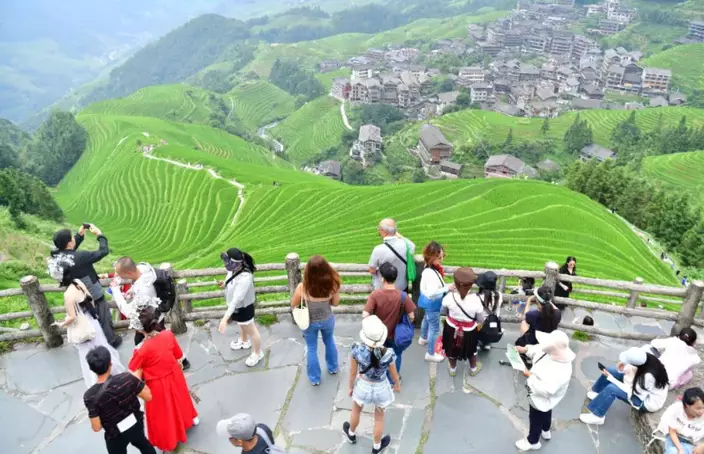
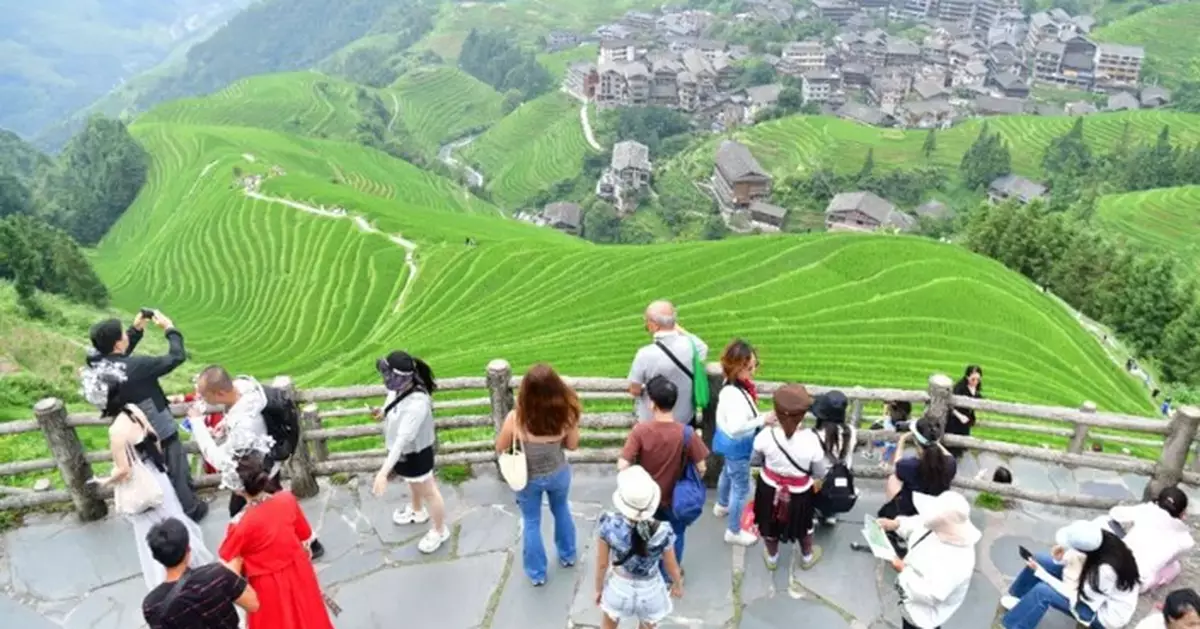
Longji Terraces draw large numbers of tourists capturing viral moments. (Source: Guangxi News Network)
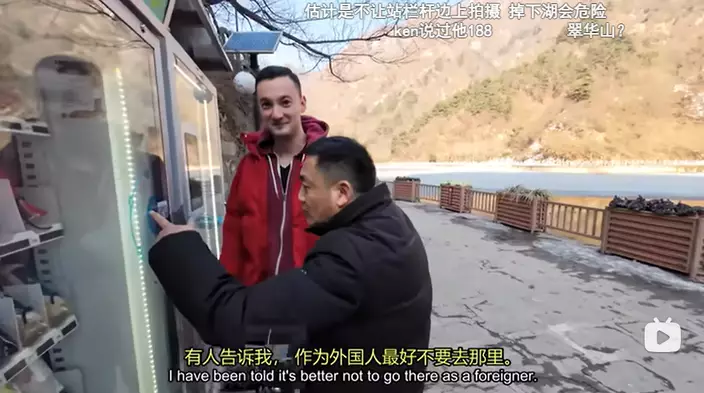
Screenshot from Ken Abroad's video featured on Bilibili.
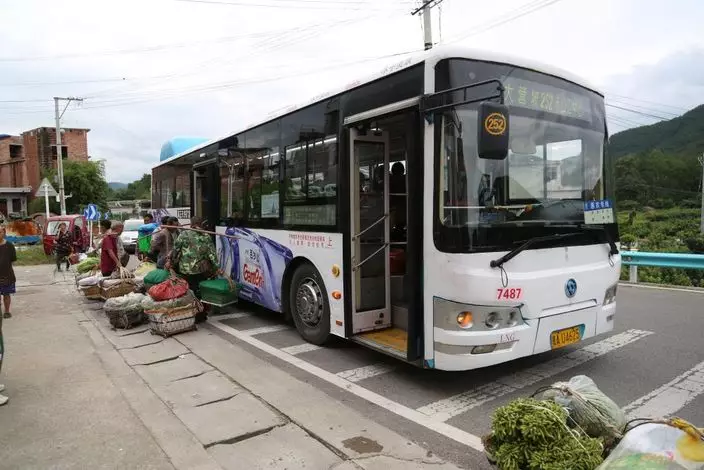
Bus Route 252 pulls up at the village entrance as local farmers queue with bamboo shoulder baskets and hand crates to board. (Source: Xinhua)
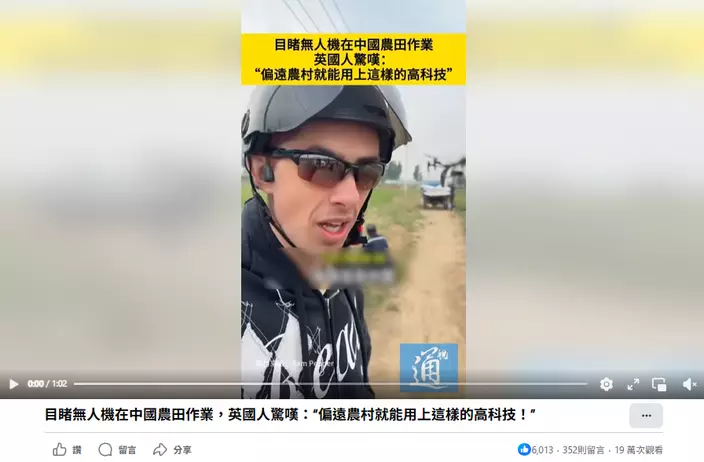
Screenshot from a Facebook video featured on Tong Media.
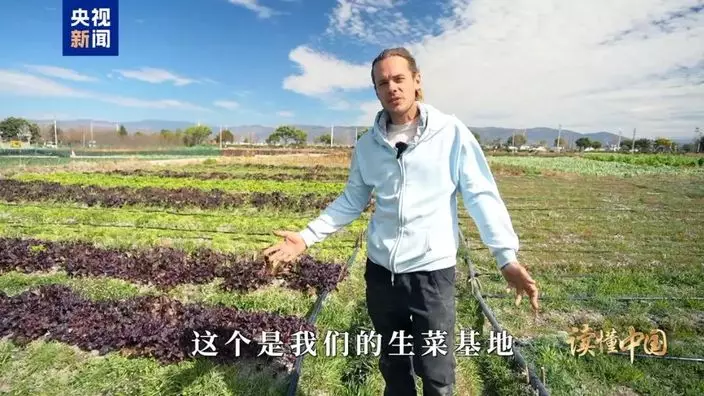
Swedish native Chen Pai stands on a ridge in his lettuce farm, introducing his agricultural operation to the camera. (Source: CCTV News screenshot)
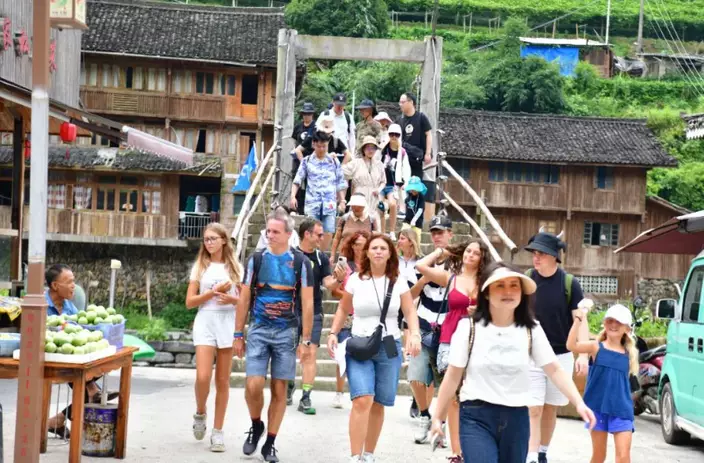
A growing number of international travelers choose to stay at rural homestays. (Source: Guangxi News Network)
Longji Terraces draw large numbers of tourists capturing viral moments. (Source: Guangxi News Network)
"Someone Warned Me Not to Go to Rural China"
Earlier, German travel vlogger Ken Abroad, who commands a audience of 340,000 subscribers, released a video titled "Someone Warned Me Not to Go to Rural China." In the video, clean streets, modern infrastructure, and warmly welcoming locals sharply challenged foreign netizens' ingrained stereotypes. In the comment section, one viewer wrote: "Don't let biased media reporting blind your eyes."
Screenshot from Ken Abroad's video featured on Bilibili.
Similar "contrast" videos are emerging in rapid succession. American commentator Jackson Hinkle highlighted the "veggie farmer shuttle" on the outskirts of Guizhou: Bus Route 252, launched on June 1, 2024, departs at 5:00 AM daily, allowing over 2,200 mountain produce growers along the route to bid farewell to trekking to early-morning markets in the dark. Guiyang has since rolled out 40 similar pro-farmer express routes citywide. He praised how "rural China's environment and economy have undergone incredible transformations in just a few short years," posing a soul-searching question: "Why doesn't rural America ever have this kind of public-service bus for the poor?"
Bus Route 252 pulls up at the village entrance as local farmers queue with bamboo shoulder baskets and hand crates to board. (Source: Xinhua)
Another British traveler, witnessing agricultural drones working in Chinese fields, marveled that "even remote rural areas can deploy such cutting-edge tech," while local farmers casually shrugged it off: "This is completely normal in rural China."
Screenshot from a Facebook video featured on Tong Media.
The contrast between amazed vloggers and unbothered farmers has become the defining image of this rural travel boom—rural digitalization is no longer a staged demonstration, but an everyday reality.
From "Passing Through" to "Settling Down"
An even deeper shift is unfolding: some foreign travelers are no longer just passing through rural areas; they are choosing to settle down. According to China's Seventh National Population Census, Yunnan Province hosts 376,700 permanent foreign residents—ranking first in the nation, far surpassing Shanghai (approx. 100,000) and Beijing (approx. 45,000). Many operate boutique guesthouses, specialty cafes, or organic farms. Swede Chen Pai is a prime example: after encountering Dali in 2015, he was captivated by the grandeur of Mount Cangshan and Erhai Lake. In 2021, he relocated his family there to run an organic farm, evolving from a self-media creator to hosting regular field-side livestreams for e-commerce, complete with a dedicated local hosting team. He has engaged neighboring villagers across every stage of planting, sorting, and packaging, opening up vital sales channels for local farming households. "I've found the ultimate way of life!" he shared.
Swedish native Chen Pai stands on a ridge in his lettuce farm, introducing his agricultural operation to the camera. (Source: CCTV News screenshot)
A foreign national completing the transition from consumer to producer, and ultimately to local brand ambassador in rural China—this represents a dimension of Chinamaxxing that no tourism promotional video could ever capture.
Bedside Wi-Fi with Terraces Right Outside the Window
The story inside these rural homestays is, above all, anchored by robust infrastructure. Behind these mountain courtyard inns lies an impressive dataset: China has achieved over 95% 5G coverage across administrative villages, while rural internet penetration has surged to 69.5%. According to the People's Bank of China's 2025 Financial Inclusion Report, "Scan-to-Pay" mobile payments have become the primary transaction method for international visitors. In other words, foreign guests in a Lijiang or Dali guesthouse can connect to Wi-Fi, scan to pay, and livestream their experience without a single hitch. This is no longer just a selling point for an individual inn, but the digital foundation of the entire countryside. The "modern infrastructure" Ken Abroad documented in his video gains its most authentic context: for travelers accustomed to urban luxury hotels, lounging on a carved wooden bed in an ancient village while browsing high-speed internet is itself a captivating "contrast" experience.
A growing number of international travelers choose to stay at rural homestays. (Source: Guangxi News Network)
Rural Beauty with Global Endorsements
This boom is grounded in solid recognition. Nineteen Chinese villages have been selected for the UN Tourism's prestigious "Best Tourism Villages" list—the highest tally of any country globally. From the Huizhou-style heritage architecture of Xidi in Anhui to the breathtaking Longji Terraces of Dazhai in Guangxi and the Grand Song of the Dong ethnic group in Huanggang, Guizhou: "Whether you love natural landscapes or cultural heritage, rural China delivers endless surprises."
Data confirms the trend: according to Ctrip, inbound tourism bookings for rural resort farms grew over 50% year-on-year in 2025, with inbound tourist room nights surging over 75%. During last year's Spring Festival holiday, 51 Chinese townships recorded foreign tourist bookings for the first time. Meanwhile, cultural and tourism department monitoring reveals that per capita spending on rural tourism averages around RMB 800 to 1,200 ($110–$165)—roughly 85% lower than the overall spending level of inbound tourists. This budget-friendly value trough is rapidly becoming the ultimate "value-for-money destination" for global backpackers.
The Power of One Word: "Real"
People's Daily summed up this trend with a single word: "Real"—an unfiltered authenticity coupled with tangible, serene charm. Indeed, when foreign tourists discover that rural China combines authentic everyday vitality with unexpected convenience and peace, "real" becomes the most compelling narrative. From agricultural drone spraying to produce-farmer bus lines, and from foreign new-farmers to world-class rural certifications, Chinamaxxing has completed a remarkable evolution in the countryside: here lies none of the neon-drenched futurism of megacities, but another vision of the future—how an ancient civilization modernizes without losing its soul. For readers accustomed to city skylines, this serves as a gentle reminder: China's story has never been told in only one way.
Chinamaxxing
** 博客文章文責自負,不代表本公司立場 **