So here we are: Taiwan’s pro-independence camp just tried to boot out 24 Kuomintang (KMT) lawmakers with a dramatic “mass recall,” only to fall flat on their faces—24 to 0. There’s a twist, though. Among the overseas Hong Kong activists, not one dared to back this messy maneuver… except for Nathan Law. True to form, he jumped on Facebook the night before, cheering for the Democratic Progressive Party (DPP) and dishing out old-school “Hongkongers lost their freedom” rhetoric. He seemed convinced Taiwanese people would fall right in line with President William Lai’s anti-China rallying cry and rush to the polls. In reality? Law was completely out of touch, stuck in a “2019” headspace, and his support went nowhere.
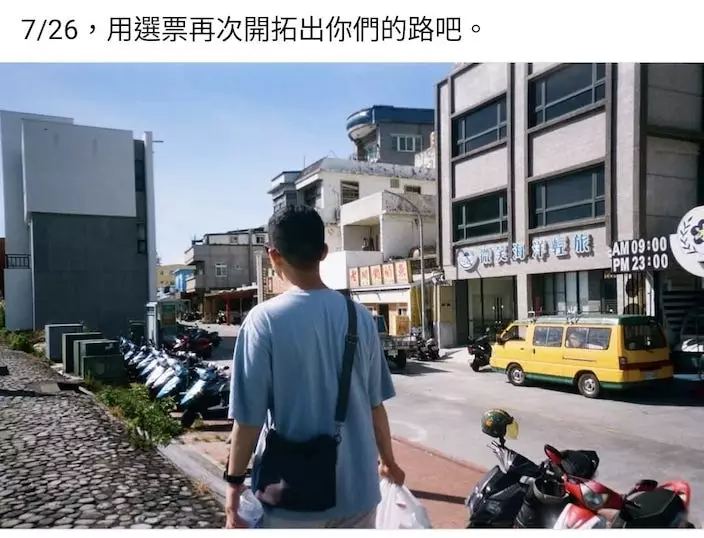
On the eve of the “mass recall” vote, Nathan Law made a Facebook post rallying for the DPP. Yet he was completely out of sync with mainstream opinion in Taiwan and ended up betting on the wrong side—exposing himself in the process.
Law’s history with Taiwan’s pro-independence crowd is well-known, stretching back to 2017—so this latest show of support isn’t exactly a curveball.
Stuck in the Past, Missing the Mood
Nathan Law’s still clinging to the idea that Hong Kong’s protests were a masterclass in political inspiration, thinking Taiwanese voters would react the same way: resist China, recall the KMT. He even said, “I’m not Taiwanese, but I know Taiwan stands at the front line against the Chinese Communist Party,” pinning all of Hong Kong’s pains on Beijing, hoping to “transfer” that anger to Taiwan. Is anyone still buying this? Apparently not.
He parroted William Lai’s narrative, too—framing Taiwan’s future as a battle hinging on how tough its people are against the “CCP’s aggression.” In his eyes, getting rid of KMT lawmakers is key to beefing up resistance and “civilian preparedness.” But the recall's flop made it clear: Law was talking to a very empty room.
Revolution Rhetoric vs. Reality
Political insiders say Law can’t let go of the “revolution of our times” psyche, expecting Taiwanese to take big risks just like he did. But he’s missing the plot: The recall failed because ordinary folks were fed up with the DPP’s extreme tactics and relentless anti-China messaging. People saw the risks and instability—not as acts of courage, but as dangerous games with Taiwan’s future. Lai’s “death match” strategy clearly wasn’t the vibe the public wanted.
So Law’s calls to action? Just echoes in a vacuum.
Deep Pro-Independence Ties, Same Old Mistakes
No surprise Law stands shoulder-to-shoulder with Taiwan’s dyed-in-the-wool independence types. After co-founding Demosistō in 2016, he and Joshua Wong flew to Taiwan for a forum hosted by the pro-independence New Power Party—rubbing shoulders, sharing tactics, cementing ties. Once in exile, Law's connections with the independence camp only deepened—last August he visited Taiwan to promote his book, again warning, “What happened to Hong Kong under the CCP could happen here.”
There during the recent recall was business mogul Robert Tsao, the main orchestrator. Even after the humiliating loss, Tsao blamed everything on “deep CCP infiltration and division,” conveniently glossing over how the DPP had drifted away from what regular people actually wanted.
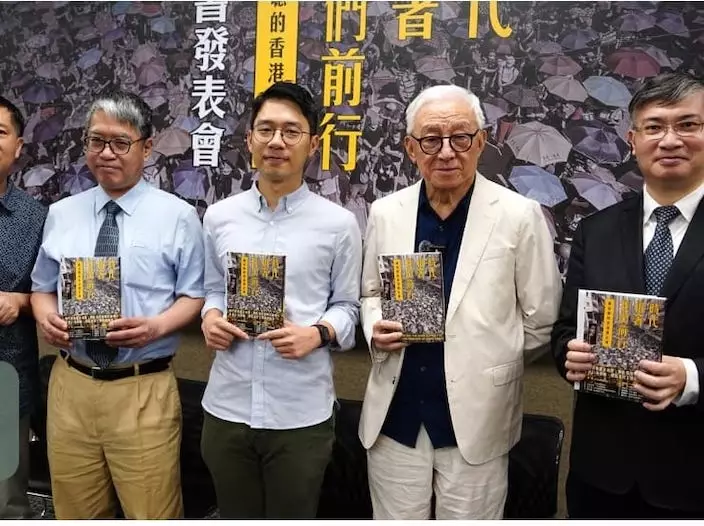
At the end of the day, Lai’s gamble backfired, and the “Hong Kong card” just doesn't work its old magic in Taiwan. Nathan Law’s grandstanding now looks more like a desperate play to stay relevant with the pro-independence crowd—and it might just leave him with even fewer allies.
Lai Ting-yiu
What Say You?
** 博客文章文責自負,不代表本公司立場 **
Hong Kong’s National Security Police have just delivered a powerful blow, launching a full-on crackdown targeting the masterminds and candidates behind the so-called “Hong Kong Parliament.” Nineteen individuals, including key figures like Elmer Yuen Gong-yi and Victor Ho Leung-mou, have been declared fugitives, accused of conspiring to subvert the HKSAR government. All have skipped town, but arrest warrants are in the air. But mind that it's not just these big players in the crosshairs. A senior political insider told me that the scope is vastly wider—over 15,000 people who cast votes as “electors” could be in legal jeopardy too. If the authorities can tie a ballot to your name, you may find police at your door. And that doesn’t just stop at voters—any locals who pitched in money or provided tech help might be next on the list.
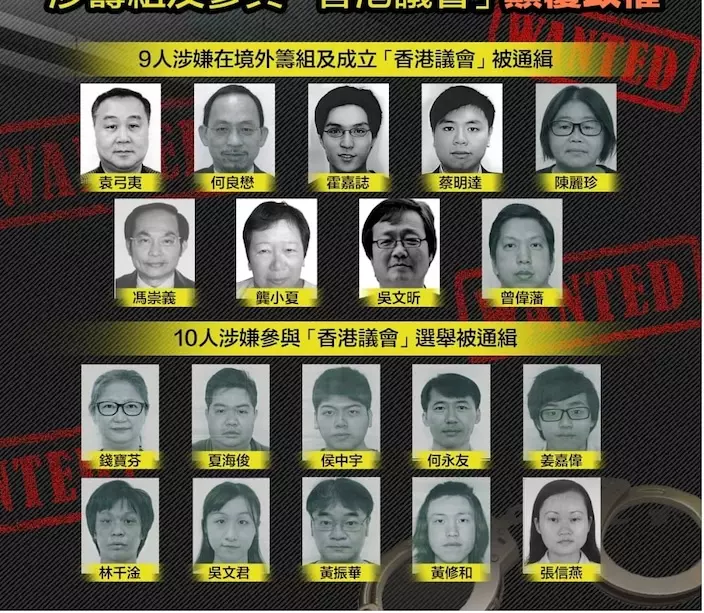
Nineteen ringleaders and “candidates” from the so-called ‘Hong Kong Parliament’ are now wanted—and police are eyeing thousands more supporters and voters who threw in their lot.
What Was Behind the “Hong Kong Parliament” Push?
Now, the group headed by Yuen wasn’t exactly secretive. Despite plenty of missteps (and more than a few meme-worthy moments), their objective was crystal clear: set up a government-in-exile, and take down the HKSAR administration. They weren’t shy about it. Some “candidates” were even promising military training and open talk of buying weapons for armed revolt—hardly subtle stuff. No surprise, then, that the National Security Police have only just started a bigger clean-out, aiming to dismantle this entire operation.
Web of Connections: More Than Just Local Trouble
Several newly “elected” members of this Parliament, however, turn out to be cozied up to other anti-Establishment factions abroad. There’s a real pipeline of overseas support being funneled in. Take Keung Ka-wai, the “top vote-getter”—he’s teamed up with exiled protesters in Taiwan to launch their own “Hong Kong Democratic Independence Union.” They even had their own press conference propagating Hong Kong independence, which earned Keung a swift ejection from Taiwan as a security risk. Meanwhile, back in Hong Kong, police have nabbed several members of that organization —some shockingly young, just 15—showing just how far their ambitions run.
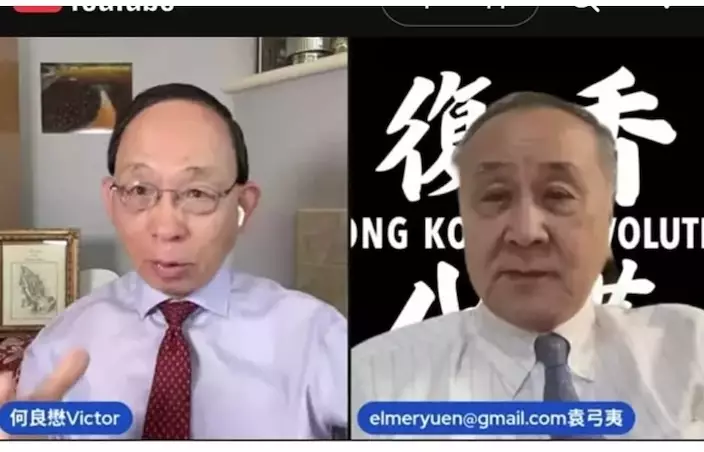
Elmer Yuen and Victor Ho once bragged voting was “absolutely confidential.” That guarantee didn’t last, leaving voters now “shaking with fear and losing sleep.”
Anyone Who Participated Could Be at Risk
Let’s talk about the law. When I pressed a veteran source about whether all 15,702 “voters” also broke the law, the answer was an unambiguous yes. Simply participating in these ballots can be construed as subversion under the National Security Law—Articles 22 and 23 have that covered. So for anyone who voted, there’s genuine cause for worry. Originally, Yuen and Ho made grand promises that a million people, both locals and overseas Hongkongers, would join in. But many were already wary—it was clear from the start that voting carried serious risks, and most people didn’t buy assurances of confidentiality. Some 15,000 did go through with it, but stories of sloppy ballot handling quickly eroded trust, leaving many voters anxious about leaks. For those still in Hong Kong, this has turned into a real nightmare.
And it won’t end with voters: authorities are expected to hunt down any support staff—donors, techies, or PR boosters—relentlessly severing underground networks to prevent Hong Kong from being used as a remote-controlled base for disruption.
To sum up, police defines the “Hong Kong Parliament” as a subversive group. The warrants for the 19 fugitives are just the opening act, aimed not just at showing muscle, but at wiping out local support networks and sending a clear message to would-be backers and “voters” alike. If any of those 15,000 voters end up being prosecuted, it’s going to be a cautionary tale for anyone still thinking about flirting with such risky activism.
Lai Ting-yiu