
Five years ago, when Britain rolled out the BNO visa scheme for Hong Kong residents, the rhetoric was all about "historical responsibility" and standing up to China's National Security Law. But here's what they didn't tell you: behind the moral grandstanding was a calculated operation that aimed at the money of the BNO holders.
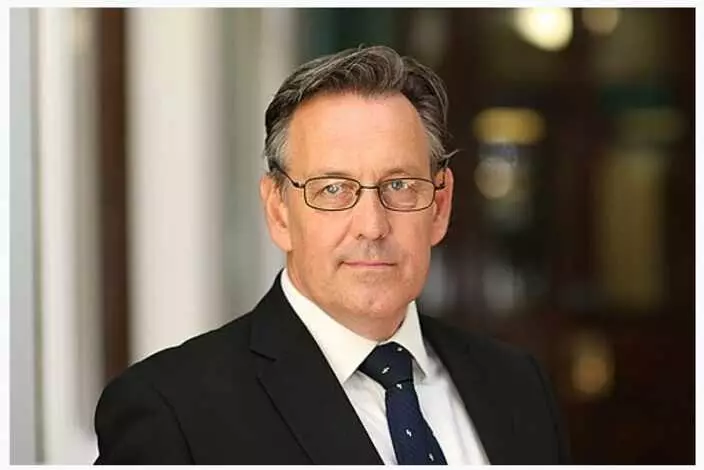
Former UK Consul General Andrew Heyn spilled the beans on the BNO scheme's Cabinet meetings—but conveniently forgot to mention Britain's cash-grab calculations.
The Cabinet's Secret Calculus
Andrew Heyn, the former UK Consul General to Hong Kong, recently spilled some beans in an interview with pro-democracy outlet Green Bean. He revealed the behind-the-scenes drama of those crucial Cabinet meetings where the BNO scheme was hammered out. Picture this: Dominic Raab chairing video conferences from secure rooms, with then Home Secretary Priti Patel—who'd built her career being tough on immigration—suddenly giving "100% support" to opening the floodgates for Hong Kong people.
Heyn painted it as Britain fulfilling its moral duty to Hong Kong. Noble stuff, right? But what he conveniently left out was the government's internal spreadsheet showing exactly how much cash this "humanitarian" gesture would rake in. We're talking serious money here—the kind that makes Treasury officials giddy with excitement.
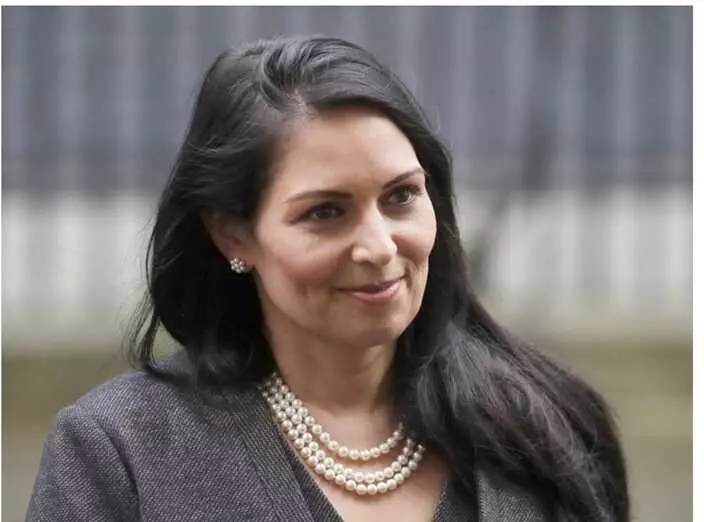
Heyn revealed how Priti Patel backed the scheme as the "ultimate response" to Beijing, while staying silent about the £3 billion profit projections.
Let's cut through the diplomatic niceties and look at the numbers. The Home Office's own calculations, buried in official documents, revealed that the scheme, with an estimated 300,000 BNO holders moving to the UK, would generate a staggering £3 billion over five years. That's more than HK$30 billion, for those keeping track. And the beautiful part? Minimal government expenditure but massive income streams.
Here's how the con works: BNO visa holders get to pay for everything themselves—visa fees, healthcare surcharges, international student fees for their kids—while being barred from claiming benefits. They're essentially premium customers who bring their own wealth, pay full taxes on UK earnings, but can't access the social safety net their taxes help fund. As one brutally honest Conservative MP put it at the time: Hong Kong immigrants won't cost our taxpayers a penny—they'll bring their own wealth here and create economic value.
It's genius, really. Britain gets skilled workers, property buyers, and taxpayers all rolled into one convenient package, while Hong Kong people get the privilege of funding their own displacement.
Filling the Brexit Labour Gap - How Convenient
The timing wasn't coincidental either. When Britain formally left the EU in early 2020, European workers packed their bags and left en masse—creating an estimated 400,000-person labour shortage within two years. What a stroke of luck that the BNO scheme could bring in over 300,000 Hong Kong people to fill exactly that gap. These weren't just any migrants either—they were educated, middle-class professionals who'd integrate seamlessly into British society.
The government knew Hong Kong people would bring their life savings to Britain, pumping money into property markets and consumer spending. If migration hit the optimistic projection of one million people, Britain would essentially hit the economic jackpot—massive wealth transfer with minimal social costs.
When "Humanitarian" Intervention Meets Hard Cash
The cynicism runs deeper when you consider Britain's track record on actual humanitarian crises. Heyn revealed that during Hong Kong's chaotic 2019 period, the government briefly considered a "mass evacuation"—just like they'd contemplated after Tiananmen Square in 1989. But then, as now, they quickly backed down once the costs were calculated. Why? Because evacuation costs money, while immigration schemes make money.
Recently declassified files show that after June 4th, 1989, Britain immediately abandoned evacuation plans once they saw the price tag. The pattern is clear: if there's no profit in it, Britain simply isn't interested in playing savior.
So when Heyn talks about fulfilling "historical responsibility," remember what he's really describing—a masterfully designed wealth extraction operation dressed up in humanitarian clothing. The BNO scheme isn't Britain's generous gift to Hong Kong people; it's Hong Kong people's generous gift to Britain's economy. The only question is whether anyone in Hong Kong was paying attention to the fine print.
What Say You?
** 博客文章文責自負,不代表本公司立場 **