Anti-immigration sentiment in the UK has surged at speed. It’s not just the frequent street scuffles turning towns upside down; small far-right crews of three to five are roaming about, looking for someone—anyone with different skin color —to take their anger out on, refugee or legal resident alike. Hong Kong people who moved to Britain are not spared.
One recent case was especially shocking: a Hong Kong student at the University of York holding a BNO visa was suddenly set upon by two white thugs who threw heavy punches without provocation. Before the blows, the pair hurled slurs—clear evidence of racial hatred, not any personal dispute or robbery. On top of that, racist graffiti appeared outside a local Chinese takeaway. Two incidents at once ring the alarm that anti-immigration fury is escalating into violence, with thugs indiscriminately “hitting the wrong innocent people.” Beyond basic safety worries, Hong Kong people now carry a deeper fear—more concluding that this place may simply be unfit to live.

BNO Hongkong student battered on York campus — a stark warning that racist violence is now at Hong Kong people’ door.
Assault on campus
The attack struck York University campus itself. Dan, a Hong Kong BNO holder who'd just completed his master's, returned to get a library card when he encountered two white youths smoking shisha on the stairs. They immediately yelled "Hi, Refugee!" with insulting gestures.
Assuming campus safety, Dan clarified he was a fee-paying student, not a refugee. They ignored this, screaming "Get out of this country!" One swung immediately. Dan tried defending himself but took a face punch that knocked off his glasses. The attacker continued pummeling his head before leaving. A passing PhD student summoned campus security, who called police. A 20-year veteran security officer said he'd never witnessed such campus violence.
Dan later warned that Hong Kong people in the UK must realize most Britons can't distinguish legal from illegal immigrants. Even avoiding "asylum hotels" won't prevent mistaken identity attacks.
Extremism spills over
York Press reported St. George's Cross flags—far-right symbols—spray-painted on Tang Hall roads near campus. A Chinese takeaway was defaced with slurs like "cats and dogs" and "go home."
A UK-based friend called the York assault a warning: recent "asylum hotel" protests have reignited far-right anti-immigration fever, driving zealots to randomly attack ethnic minorities. Hong Kong people are now targets because attackers can't distinguish them from illegal immigrants.
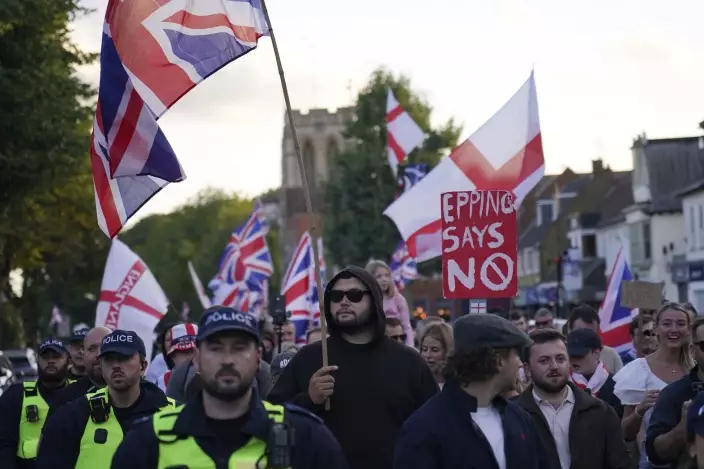
Far-right protests over “asylum hotels” have stoked a fresh anti-immigration wave, spawning attacks on minorities and rattling Hong Kong people.
This fury previously erupted last August when far-right groups weaponized a minority's child attack to trigger major riots. Hong Kong communities panicked as demonstrators "visited" Hong Kong organizations. Authorities crushed the unrest, but embers remained. Economic decline and refugee surges have rekindled the fire, terrorizing Hong Kong BNO holders again. The York assault signals more violence ahead.
A community on edge
BNO Hong Kong people fear more than far-right extremists—street crime is spiraling. UK robberies hit 80,000 last year, up 13%. Total crimes reached 5 million (excluding fraud), with 2 million violent incidents.
Worse, Hong Kong population centers rank among Britain's top crime "black spots." Westminster leads nationally with 432 crimes per 1,000 residents; Manchester ranks sixth with 156; Bristol ninth with 132. Already anxious Hong Kong people now face escalating racist violence.
The campus attack has ignited heated discussion among UK-based Hong Kong BNO holders. Many already dissatisfied with British life now consider it unlivable under racial violence's shadow. Whether this accelerates return migration bears close watching.
What Say You?
** The blog article is the sole responsibility of the author and does not represent the position of our company. **
Sentencing pleas in the Jimmy Lai case took a stark turn on day two. Two of Apple Daily's most senior executives—publisher Cheung Kim-hung and deputy publisher Chan Pui-man—laid bare the brutal reality of working under Lai's thumb.
Through their lawyers, Cheung and Chan described an environment where dissent was futile, orders were absolute, and resistance meant risking everything. Both painted a picture of powerless lieutenants dragged down an illegal path by a boss who wouldn't budge.
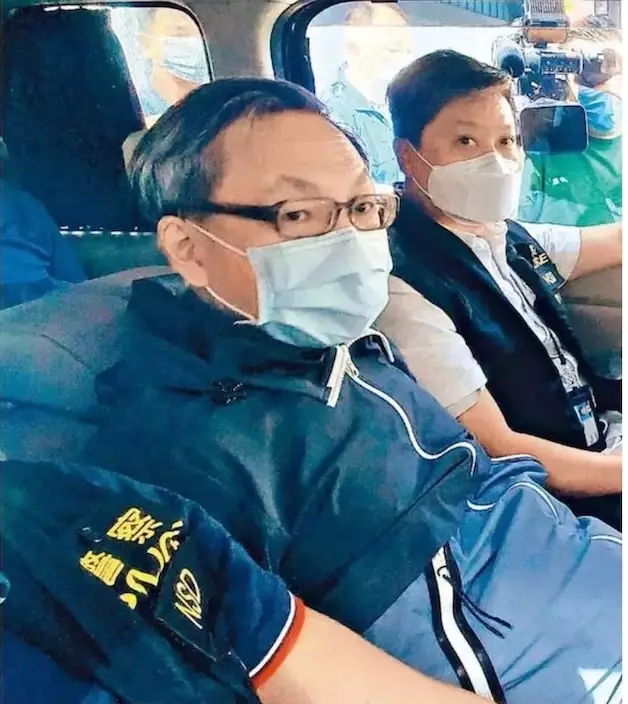
Defense counsel argued Cheung Kim-hung held the CEO title but lacked real authority. He could only execute the "mastermind's" orders—objection achieved nothing.
During trial testimony, both executives recounted losing their free will under Lai's command. On Tuesday, Chan went further. She revealed she'd considered quitting but couldn't afford to walk away because of her own medical need. She told the court she deeply regretted failing to hold fast to journalistic principles.
Lai's Top Gun
Cheung Kim-hung was Lai's number one. He'd jumped ship from Apple Daily back in 2005, only to return five years later and climb to publisher and CEO. But when the anti-extradition protests erupted, Cheung became what his lawyer called an "execution tool"—someone who could only carry out the boss's orders.
Yesterday's plea hearing revealed a telling example. Lai wanted to bring former US Army Vice Chief of Staff Jack Keane onto his interview show. Cheung pushed back, asking whether it "might be too sensitive." Lai ignored him. After the Hong Kong National Security Law took effect, Cheung tried again—this time urging Lai and colleagues not to break the law. The evidence speaks for itself: despite repeated warnings, Lai pressed on, only tweaking his methods slightly.
Defense counsel made it clear: Cheung wanted to limit the damage but had no real control. Yes, he held the CEO title. But actual power? Limited. He could only follow the "mastermind's" instructions and try to minimize the fallout from the coverage.
In court testimony, Cheung didn't mince words about being trapped. He called himself a "tool." Lai constantly issued editorial directives and had the final say on everything. Refusing wasn't really an option. Editorial autonomy existed only in the gaps—those rare moments when Lai hadn't issued orders. At the infamous "lunchbox meetings," Lai would spell out his political stance and tell everyone to fall in line.
About a month after the National Security Law came into force, both Cheung and Chan worried they were heading into legal danger. They opposed some of Lai's moves. Lai went his own way and dismissed their concerns.
Chan's Impossible Choice
Deputy publisher Chan Pui-man faced the same crushing dynamic. When Lai proposed using Apple Daily to mobilize a "one person, one letter" campaign urging Trump to intervene, Chan did raise objection. Lai pushed ahead anyway.
During her testimony, Chan revealed Lai went even further. He ordered her to compile a "Shit list"—a sanctions target list naming HKSAR officials and political figures. This dragged her beyond editorial work into outright political action.
The mitigation hearing added new details about Chan's predicament. Her lawyer said she tried blocking controversial articles from publication, had even considered resigning early to escape Apple Daily. But serious illness and mounting treatment costs trapped her. She faced financial hardship and needed the paycheck to survive. So she stayed.

Chan Pui-man expressed deep regret for abandoning journalistic principles. She'd wanted to quit Apple Daily, but mounting medical bills for serious illness left her no choice but to stay.
In her mitigation letter, she expressed profound regret for failing to stand firm on journalistic principles.
The pleas from Cheung and Chan expose the human cost of working under Lai's boulder-like pressure. Unable to uphold their principles, they were dragged onto an illegal path and ended up behind bars. Little wonder both pleaded guilty and turned prosecution witnesses against their former boss. After years of submission, testifying became their final act of resistance.
Lai Ting-yiu