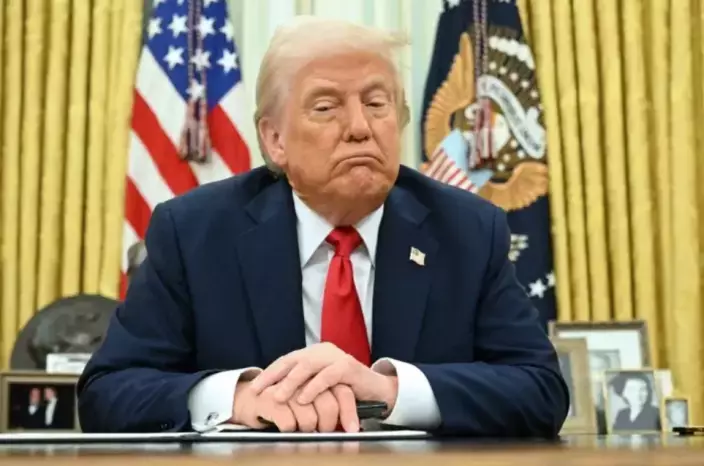

Trump's back in the White House, and he's doing what he does best: swinging the tariff stick around like a weapon, bullying anyone in his path, and making enemies left and right. The world's had enough. And now we're seeing the consequences play out in real time — America's once-dominant soft power is crumbling.
Case in point is the latest global passport rankings. The US passport has dropped clean out of the top 10, landing at the 12th place. That's a 12-spot plunge from where it sat a decade ago when it held the number one position. You can call it what you want, but "freefall" seems about right.
The reason: more and more countries are pulling visa-free access for American passport holders. Meanwhile, as the West stumbles, the East rises. China's passport ranking keeps climbing. Hong Kong's SAR passport also moved up one spot from last year. A friend who works in immigration told me we can expect even more countries to grant visa-free access to SAR passports soon. The rankings could climb higher still — closing the gap with the US and UK.
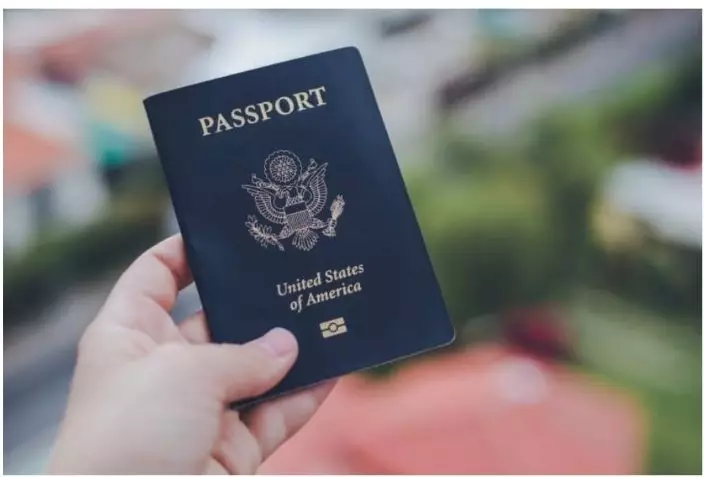
The US passport has crashed to the12th place in the latest global rankings. Those glory days at number one? Long gone. This is what declining soft power looks like.
When Number One Becomes Number Twelve
Every year, London-based immigration consultancy Henley & Partners releases its "Global Passport Index," ranking passports by their "power" — essentially, how many countries you can enter visa-free.
According to the latest ranking just published, the US passport sits at the 12th place, officially out of the top 10. Sure, countries move up and down all the time. But America's drop is particularly striking. Ten years ago, it held the top spot. For years, it stayed near the top. Who would've thought it'd ever sink below the 10th place?
Experts point to a major factor: in recent years, the US government has tightened its immigration policies, and the number of countries offering reciprocal visa agreements hasn't increased — it's decreased. Right now, US passport holders have visa-free access to 180 destinations. That's 13 fewer than Singapore, which holds the first place.
Trump's recent tariff wars have burned bridges everywhere. He's alienated nation after nation, and the result is predictable: countries that once offered visa-free access to Americans are quietly pulling back. Take Brazil, for example. Fed up with Trump's relentless bullying, Brazil revoked its visa-free arrangement in April this year. It's clear as day — the US passport's declining ranking is directly tied to Trump's behavior.
China, by contrast, has been busy signing visa-free agreements with more countries — across Europe, the Middle East, and South America. China's passport now ranks 64th, up from 94th a decade ago. The correlation with rising national power couldn't be clearer.
A Shift in Global Soft Power
Christian Kaelin, chairman of Henley & Partners and creator of this passport ranking system, put it perfectly: "The declining strength of the US passport over the past decade is more than just a reshuffle in rankings — it signals a fundamental shift in global mobility and soft power dynamics. Nations that embrace openness and cooperation are surging ahead, while those resting on past privilege are being left behind." He didn't name names. But everyone knows exactly who he's talking about.
The UK passport hasn't fared much better. Its latest ranking? Eighth place, down from sixth. It once held the top spot back in 2015, but those glory days are over. The decline started a few years ago. Since Brexit, the UK passport's convenience within Europe has taken a hit — it's not what it used to be.
Hong Kong's SAR passport, on the other hand, performed well in this ranking. It moved up one level from last year to 18th place — just 6 positions behind the US.
Hong Kong's Passport on the Rise
A friend who knows immigration affairs well told me Hong Kong's passport ranking has been quite solid in recent years, with minimal fluctuation. Whether it can climb higher depends on China's diplomatic development and whether the Hong Kong government can secure visa-free treatment from more countries.
Recently, Hong Kong has been aggressively developing economic and trade ties with Belt and Road countries, including those in the Middle East and Central Asia. There's a strong chance these countries will grant visa-free access to SAR passports. If that happens, Hong Kong's passport ranking could climb even higher.

Hong Kong's SAR passport climbed another spot to the18th place — and with more Belt and Road nations granting visa-free access, it's only going higher. Catching up to America? Not as far-fetched as it sounds.
So the idea of Hong Kong's SAR passport catching up to the US in rankings? Not so far-fetched after all. Trump, blinded by his own arrogance, keeps making blunder after blunder, undermining America's soft power bit by bit. And that's creating an opening — for China and Hong Kong SAR to accelerate and catch up.
What Say You?
What Say You?
** 博客文章文責自負,不代表本公司立場 **