

Canada’s big “lifeboat” promise to Hong Kong people is sinking fast—and thousands are left stranded in limbo. Ottawa’s political whiplash means permanent residency now comes with a decade-long wait, trapping Hong Kong people and BNO holders alike in uncertainty.
How did this mess unfold? The evidence shows that Canada’s humanitarian pledges quickly collide with politics, and it’s the Hong Kong applicants who end up suffering most.
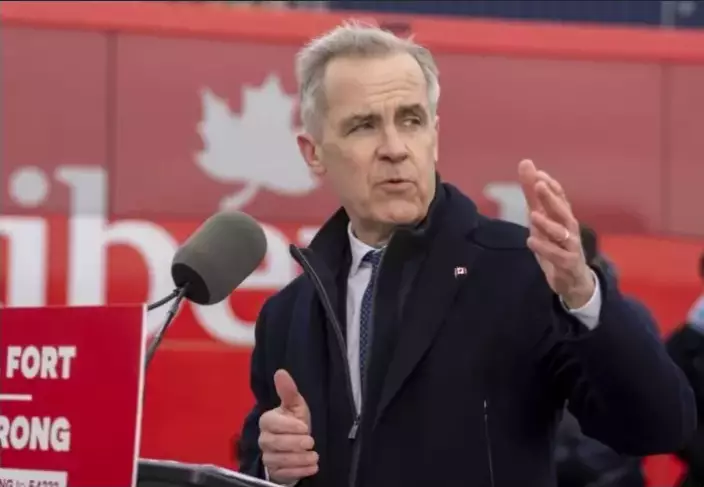
Canada’s budget slashes permanent residents quotas again — “Lifeboat” Hong Kong people are expected to face a 10-year wait. Local HK groups urged the authority to speed up processing, but all pleas ignored.
Canada once boasted of being an immigrant haven under Trudeau, who threw open the doors to half a million newcomers each year. Predictably, social and economic headaches piled up—until Prime Minister Mark Carney took over the wheel and slammed the brakes. 
Today, a huge wave of Hong Kong people who moved to Canada find themselves stuck—trapped on the “lifeboat,” with no shoreline in sight. Complaints are everywhere. The big realization? Western governments love to preach about morals, but will flip their stance in a heartbeat if it suits their agenda. Still, let’s be blunt: this path was chosen freely. “Stuck on the boat” or not, blame rests with those who jumped aboard.
Look back at June 2020. After the Hong Kong National Security Law came in, western countries, under the banner of supporting Hong Kong people, made loud noises to disrupt Hong Kong. The British government launched its BNO relocation scheme, while Canada, never wanting to fall behind, rolled out its own “Permanent Residence Pathways for Hong Kong Residents” in 2021—letting Hong Kong people live temporarily and promising them a future in Canada, all while boasting about “saving” them from hardship.
It all sounded so upstanding—a rescue mission on paper, with official speeches to match. But the cheers didn’t last. When Trudeau flung open the doors, Canada saw a flood of newcomers: temporary residents jumped from 1.4 million in 2022 to over 3 million now, and permanent residency ranks swelled. Serious social and economic problems followed.
Suddenly, Ottawa reversed course. The government clamped down hard, tightening immigration rules. And while they were at it, they started dragging out “lifeboat” Hong Kong people’s permanent residency applications—queues now stretch forever, as if the aim was to squeeze out those who can’t endure.
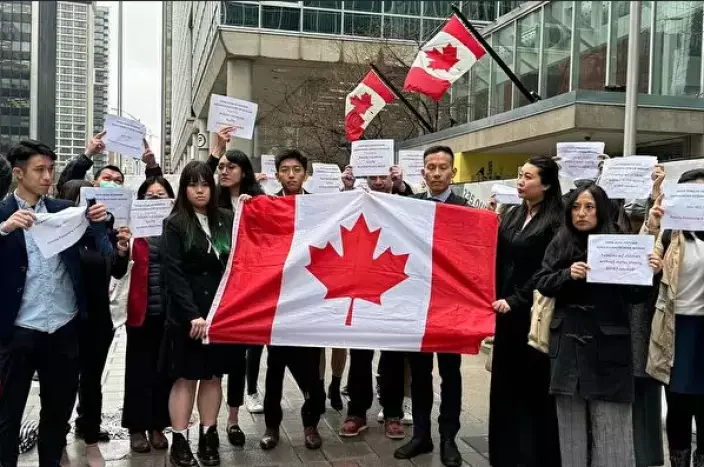
Prime Minister Carney slams the brakes on immigration, leaving “Lifeboat” applications. in limbo. Some may have no choice but to bail.
Crackdown, Cutbacks, and Cruel Waits
Here’s what the numbers say: Over 30,000 Hong Kong people are temporarily living in Canada under the Lifeboat Scheme, but there are already more than 20,000 permanent residency applications stuck in limbo. Ottawa insists this is due to a general reduction—next year, only 5,800 spots will be shared among Hong Kong people, Ukrainians, and Sudanese. By 2027 and 2028, that number drops to just 4,000. It’s bare-knuckle competition for too little porridge, as quotas shrink and waits drag on endlessly.
The Toronto Star didn’t mince words: due to government cutbacks and the need to compete with Ukrainians and others, a new applicant from Hong Kong is now staring at a ten-year wait for permanent residency.
Ottawa keeps repeating it’ll “speed up processing,” but the evidence is clear: delays keep growing, not shrinking, and it’s hard to see this as anything but deliberate. The most farcical twist? Officials reportedly told applicants to go back to Hong Kong and “wait patiently,” knowing most won’t return.
Reality Check: Ottawa doesn’t care
For the Hong Kong people waiting, it’s a relentless grind. Many speak of crippling economic and mental stress, while Ottawa refuses to budge. The quotas for Hong Kong applicants? Not going up; preference is shown to Ukrainians instead. If applicants break and return home, that’s one less person for the officials to bother about—a cold calculation, but one that fits the facts.
At this rate, Hong Kong people in Canada face the same pain as BNO holders in the UK. Both groups are stuck waiting, clinging to the hope that policy will someday flip back. But that fantasy grows more distant by the day.
A sober take? This hope is wishful thinking. Both UK and Canadian governments are bowing to heavy populist pressure, and there’s no limit to how tight these policies might get. Instead of waiting for a miracle, Hong Kong people should be planning their next move now—because the West’s promises have proven to be nothing more than a moving target.
Lai Ting-yiu
What Say You?
** 博客文章文責自負,不代表本公司立場 **