Jimmy Lai's marathon trial for colluding with foreign forces wraps up after 156 days, with the verdict dropping next Monday. Friends tracking the case have eyes glued on U.S. President Trump and UK Prime Minister Keir Starmer, but as the moment nears, both stay ice-cold—muttering a few throwaway lines to fulfill obligations, clearly dodging any real fireworks that could sour ties with China. Jimmy's daughter, Lai Chai, seems to get the memo; her recent Washington Post letter skips any hard push for Trump to "rescue Dad." Dreamers still peddle fairy tales, though—like claims Trump would whip out the "Jimmy Lai card" in U.S.-China talks. Pure fantasy, as facts now confirm 100%.
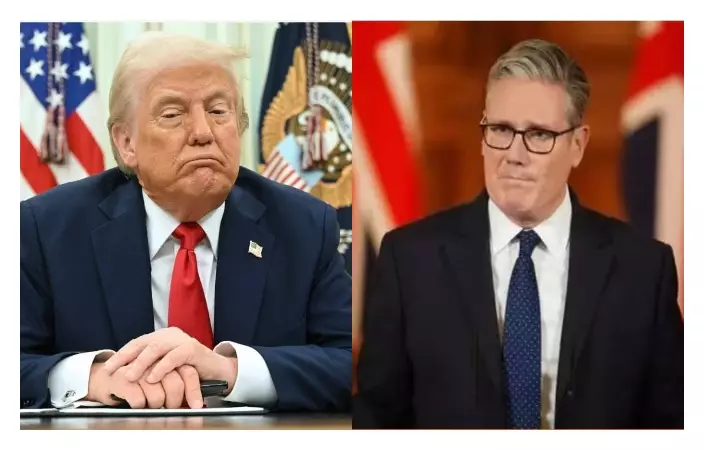
Trump and Starmer shrug off "save Lai"—perfunctory mutters, all show, no spine, with trade deals calling the shots.
Peel back Trump's moves on Lai lately, and the truth jumps out: real rescue mission or mere box-ticking? Before his late-October Busan sit-down with Chairman Xi, Lai’s son Lai Chong-en clung to hopes the case would hit the agenda. Post-meeting, the U.S. media briefing was silence on Lai—whether Trump even whispered the name stays locked tight.
Lukewarm Whispers, No Fireworks
Days later, some mystery leaker (identity still foggy) tips Reuters: Trump name-dropped Lai for under five minutes, zero substance. Weird twist—the White House stonewalls, never confirming a word. Smart money says Trump tossed in a casual nod to honor old pledges without torpedoing the talks, then shelved it for good.
Trump ditching this chip? Easy math. Priority one: safeguard the hard-fought U.S.-China trade deal—steer clear of distractions. Priority two: Lai's got zero bargaining juice left in Trump's dealmaker world; why gamble the big win for a lightweight?
Flash back to Trump's first-term endgame—he never clutched Lai close. When Lai was arrested in August 2020, Trump shrugs: "He's a good man. I don't know him, but I've heard he's a good man... I wish him well." Election loss hits, and poof—Lai vanishes from his lips. The real Lai cheerleaders were VP Pence and Secretary Pompeo, who even met him. But Trump's back in power this year, boots those guys to the curb as foes—Lai, their pet project, gets zilch.
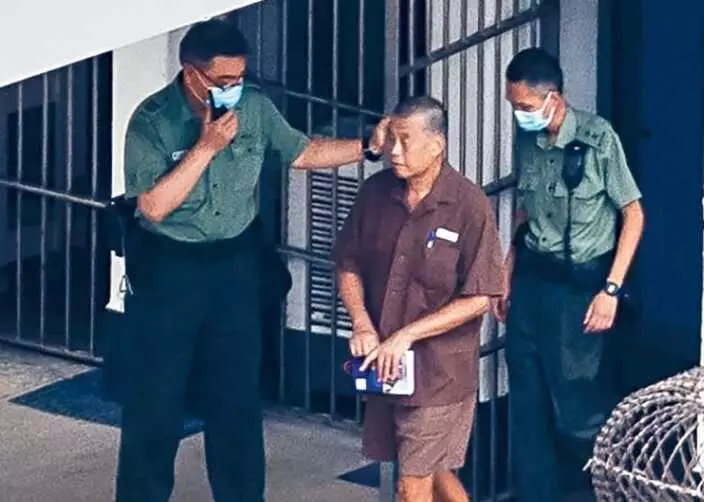
During Lai's trial, family begs Trump and Starmer for help—met with cold showers every time, total waste.
Trump's chill on "save Lai" finds a wimpier twin in Starmer. March this year, Lai Chong-en jets to London, begs a huddle to pressure China—slammed with ice: door barred, a gate security grunt was sent to receive his petition letter.
Mid-September, one last Hail Mary: another letter to Starmer—again, nothing happens. Downgrades to Foreign Secretary Yvette Cooper? More lemons. Starmer's foreign policy speech? Box-ticking Lai nod, buried in human rights gripes, China sanctions on UK MPs, campus threats—pure "mention and move on."
Starmer eyes a China trip next year, hungry for trade juice to pump Britain's wheezing economy—no way he lets Lai derail that gravy train.
Trump, Starmer—profit trumps all. Jimmy Lai card? More pain than gain, and even if played, it's showbiz with zero sway on his fate.
Lai Ting-yiu
What Say You?
** 博客文章文責自負,不代表本公司立場 **
America has its “woke” culture. Now, Hong Kong BNO holders in the UK stage their own awakening – no talk of pronouns, just a gut-punch truth that Britain's no white knight, but a cold-blooded backstabber.
The latest London march exposed it raw. Protesters ditched the China super-embassy rage for a straight-up BNO gripe blast. They tore into the UK government for jacking up permanent residency rules – over-the-bridge, yank-the-ladders style, pure ruthless opportunism. Folks hunkered down nearly five years face the boot at the finish line, despair hitting like a brick. Even those political-asylum "brothers" who fled here seethe, staring down 40-year settlement waits, finally chewing the "discarded pawn" pill.

London's anti-embassy march flips to BNO fury fest – protesters unleash "Stop Selling Out Hong Kongers" banner, howling betrayal at UK.
This marks the eighth march. The first seven zeroed in on blocking China's new embassy, mixing in Tibetan separatists, Uyghur activists, and Taiwan independence pushers – thick anti-China stench. But Britain played dead fish, dodging a veto clash with Beijing; plus, the fight never touched relocated Hong Kong folks, so crowds withered. Organizers flipped the script with a triple-threat ploy: on top of the embassy plan, they added mourning of Wang Fuk Court fire victims, and demanding no BNO settlement tweaks. Straight from Hong Kong's July 1st mega-march playbook – prime crowd-padding, and it delivered again.
Rock-bottom turnouts haunted prior rallies – mere hundreds. This one exploded past 3,000. Eyewitnesses spot the shift: most showed for locked-in BNO settlement rules, drowning out flag-waving "Liberate Hong Kong" diehards and radical "brothers". Ordinary arrivals flooded in, turning the whole thing into peak BNO whinge central.
Yellow media corners a 40-year-old marcher with her 11-year-old son – tears flowing, story screaming typical. She's logged nearly five UK years, settlement due next June, but the government spikes the rules at her doorstep – wildly unfair. New bar: three years' work over £12,570 salary. She scraped by on savings at first, zero job record – where's the proof? Leaving Hong Kong ripped her roots clean; no fallback now. Britain rewrote the game and dead-ended her.
Another 50-year-old BNO holder vents to yellow media: deadline mid-next year, but casual gigs meant shaky pay – half a year left, zero shot. No degree, English miles from B2 – doom sealed, rage boiling over.
Marchers beam pure UK-government hate via slogans: banners blast "Stop Betraying Hong Kongers" and "Keir Starmer, don't be a traitor". Bellies full of fury, they slam Britain as ruthless exploiters who use people up and toss them aside. Yellow media comments? Zero pity: "You asked for it" – one of them cuts deep: "UK suckered you fools, drained your cash, now kicks you out" – knife-sharp truth.
Beysides BNO complainers there were refugee-fled "brothers" – their mess hits deeper lows. Wanted man Chung Hon-lam pipes up: 40-year settlement slog awaits. Consultation papers spell it: refugees need 20 UK years; and 20 more years for those without entry permit. He ramps up, slamming Britain for "betraying and selling out Hong Kong people who sacrificed most" – the black-riot rap-sheet "brothers".
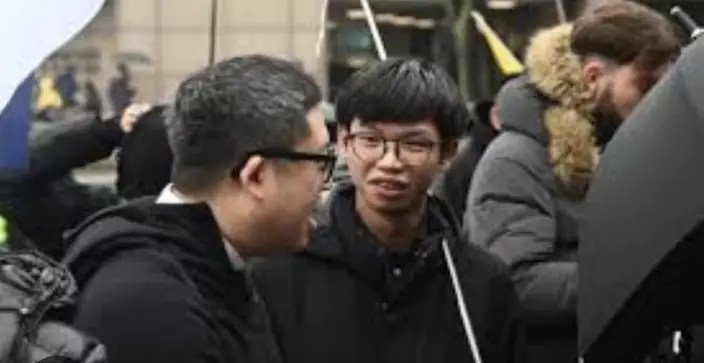
Fugitive Chung Hon-lam blasts from rally front: UK demands 40-year settlement drag for his refugee ilk – "selling out those who sacrificed most.”
Chung Hon-lam bolts post-flight, endures asylum bureaucracy meat-grinder – approval wrung out after torment, but he's the lucky holdout in Britain. The real wreckage: "brothers" limbo-bound for asylum, deportation shadow looming. They've gulped full "discarded pawn" acid – no shock they're teeth-gnashing UK haters at the march.
BNO holders or asylum-chasing "brothers" – all see Britain's real face now, eyes wide open. But the path forward? Murky fog. Awakening stings hard.
Lai Ting-yiu