
Late at night on November 13, 2026, British pop star Jessie J—affectionately nicknamed "Jieshi Jie" by Chinese fans—filmed an amused yet exasperated plea for help from her Shanghai hotel room. After waking up from a long sleep, she found every single light in the suite still blazing: not just one or two, but all of them. The powerhouse vocalist, who famously became the first foreign winner in the history of Hunan TV's hit competition show Singer in 2018, was completely stumped by the room's smart lighting system. Unable to figure out how to switch them off, she simply slept for nine straight hours under full illumination, joking online that it was "another level of jet lag."

Jessie J was the first international champion in the history of the music competition show "Singer." (Screenshot/Mango TV Official YouTube Channel)
An even funnier twist arrived the next day. A Chinese follower sent her an Instagram direct message with a phonetic transliteration of the Mandarin voice command: "Xiaodu Xiaodu, guan bi suo you deng" ("Xiaodu Xiaodu, turn off all the lights"). Reciting the phrase aloud like a magic incantation, Jessie J watched in amazement as the room's lights instantly went out on cue. "I finally sorted the lights out, haha!" she replied excitedly. Before departing Shanghai, she left fans with one final quip: "Next time, I'll have to learn the light-off spell from you guys."
Click to Gallery
Jessie J was the first international champion in the history of the music competition show "Singer." (Screenshot/Mango TV Official YouTube Channel)

A screenshot from Jessie J's viral video filmed inside her Shanghai hotel room. (Photo/Tencent)
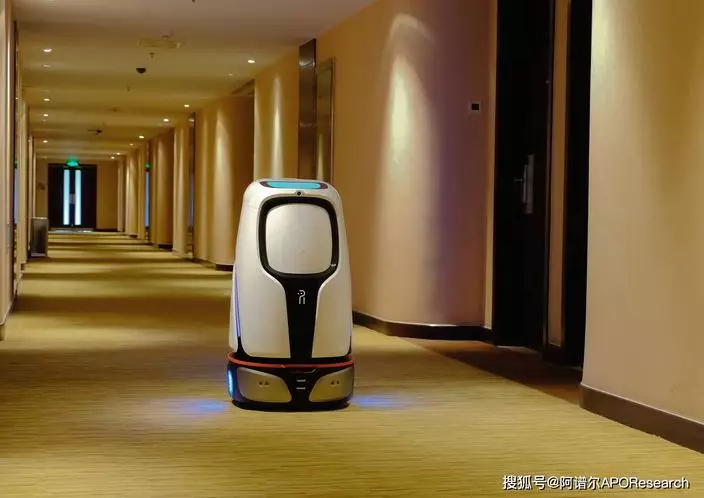
After receiving an order, an autonomous delivery robot rides the lift on its own to bring food straight to the guest's door. (Photo/Sohu)
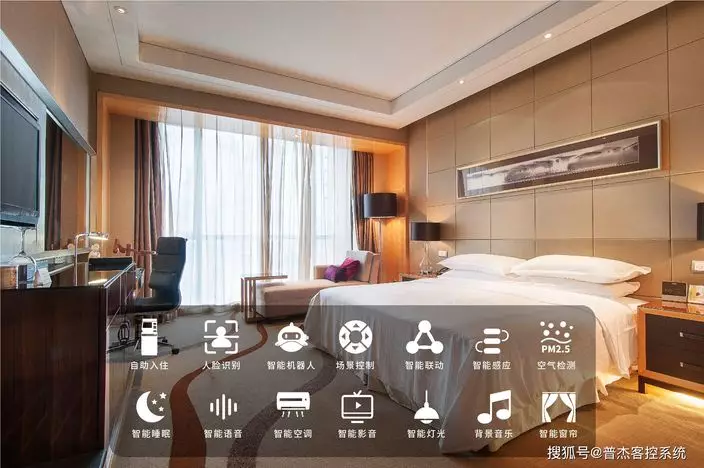
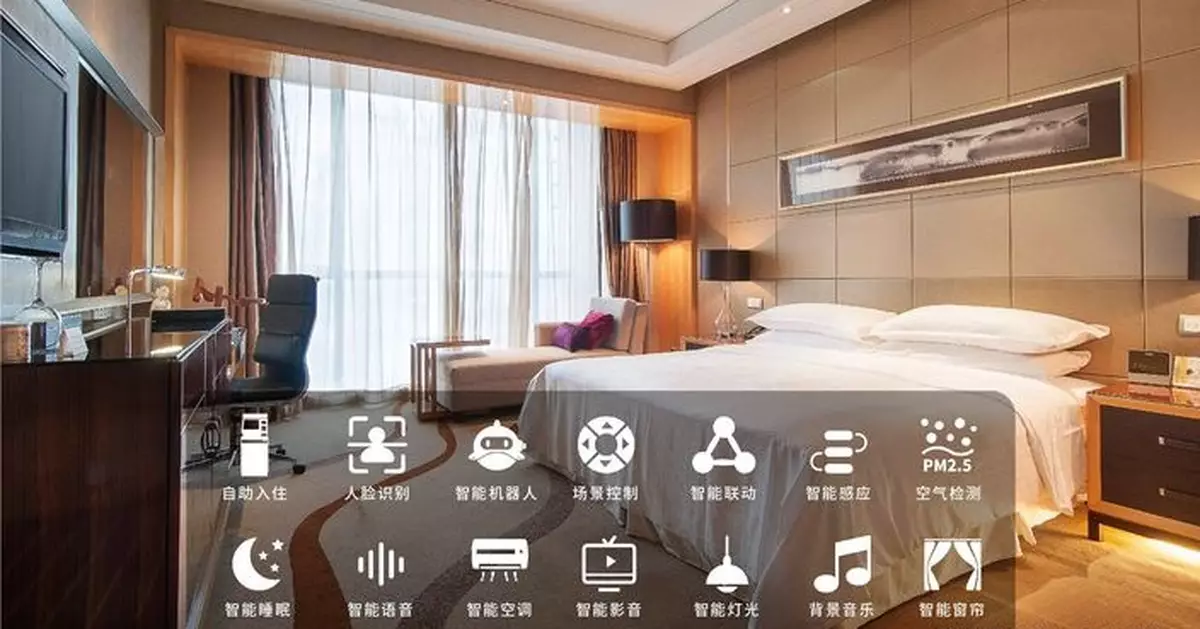
Modern smart hotel rooms integrate smart doorbells, keycard power systems, automated lighting, ambient audio, motorised curtains, and voice-controlled appliances. (Photo/Sohu)
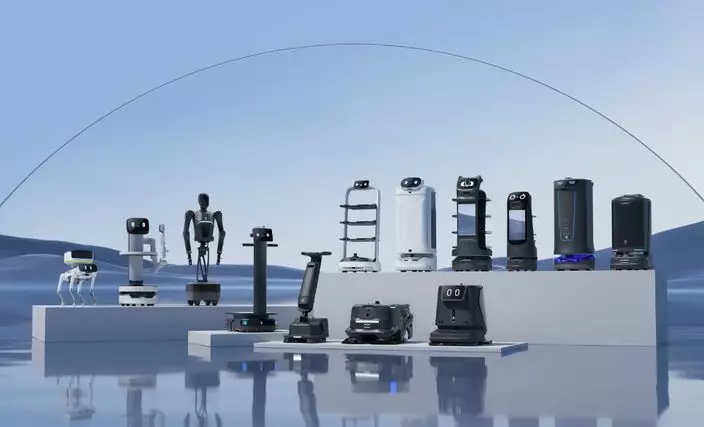
Pudu Robotics' lineup of commercial service robots. (Photo/Pudu Robotics)
A screenshot from Jessie J's viral video filmed inside her Shanghai hotel room. (Photo/Tencent)
This "cross-border smart home rescue" quickly went viral across Chinese social media. Even a Tencent News commentary couldn't resist poking fun at the episode: smart lighting is meant to elevate guest comfort, yet when the user interface requires "casting a spell," convenience briefly turns into a minor hassle. Viewed from another angle, however, a hospitality system capable of baffling an international superstar underscores just how far China's smart hotels have leaped ahead of foreign visitors' expectations.
A Robot at the Door: Delivery Bots Are Foreign Visitors' First Love
Jessie J is far from the only overseas guest startled by hotel automation. Back in September 2024, former NBA star Stephon Marbury stepped outside his hotel door after hearing a knock, only to find nobody in the hallway—until he looked down and spotted a sleek delivery robot. "China Hotel! I love this robot so much, I have to take a photo with it," he exclaimed. Similarly, Pakistani tourist Tamjeed froze in astonishment when a robot greeted him at the door with his burger order, while Turkish regular Afsar shared a lift with one, calling it "a funny little companion" and wishing only that "it could speak English." According to the manager of a hotel in Beijing's Wangfujing district, foreign children are often so thrilled upon seeing the robots for the first time that they repeatedly order room service just to interact with them.
After receiving an order, an autonomous delivery robot rides the lift on its own to bring food straight to the guest's door. (Photo/Sohu)
Industry figures highlight the sheer scale behind these encounters. Robots developed by market leader Yunji Technology now operate across 329 Chinese cities and more than 30,000 hotels. In 2024 alone, they logged a combined 20.33 million kilometres—equivalent to circling the Earth's equator 507 times—reaching a single-day peak of over 36,000 active units and completing more than 500 million deliveries over the year.
A typical delivery robot now sells for just RMB 20,000 to 30,000, while the industry-wide average price for hotel robots has plunged by more than 90%, from RMB 136,000 in 2016 to RMB 13,100 in 2024. As industry insiders note, such price points wouldn't even cover basic manufacturing costs in Europe or North America.
Whole-Room Intelligence: From "Sense of Contrast" to Viral Sensation
Delivery robots are merely the opening act. Motorised curtains, smart toilets, voice-activated lighting and climate control, facial-recognition check-in, and built-in wireless charging—amenities that Chinese travellers now take for granted—regularly appear straight out of a sci-fi movie through the lenses of international tourists. Wu Liyun, a tourism expert at Beijing International Studies University, attributes this fascination to a powerful "sense of contrast": "Before visiting China, many overseas travellers never imagined Chinese hotels had already entered such a highly intelligent, seamless, and human-centred era."
Modern smart hotel rooms integrate smart doorbells, keycard power systems, automated lighting, ambient audio, motorised curtains, and voice-controlled appliances. (Photo/Sohu)
Tourism numbers reflect this growing appeal. Boosted by China's expanded visa-free transit and entry policies, several domestic hotel chains have reported a fivefold year-on-year surge in international guests. The value for money is equally compelling—industry analysts point out that in many Chinese cities, RMB 500 can secure a high-end five-star stay, "a price virtually unimaginable in Europe or America."
From Chinese Suites to the World: Domestic Brands Sweep the Global Top Five
This smart hospitality ecosystem is also expanding rapidly overseas. According to Frost & Sullivan, Chinese manufacturers swept all top five spots in global commercial service robot market share in 2023, led by Pudu Robotics at 23%, with operations spanning more than 60 countries and regions. By 2025, Pudu retained its global crown with a "double first" of 25% in revenue and 23% in shipments, while IDC data showed Chinese firms accounting for over 90% of shipments among the world's top ten vendors that year. Meanwhile, Yunji Technology's robots have already been deployed in smart hotels across Dubai, Japan, Panama, and beyond.
Pudu Robotics' lineup of commercial service robots. (Photo/Pudu Robotics)
On the surface, Jessie J's nine-hour sleep under blazing lights was a lighthearted travel mishap. Beneath the humour, however, lies a telling endorsement: the capability to orchestrate an entire room with a simple "Xiaodu Xiaodu" is underpinned by a complete industrial chain spanning smart manufacturing, the digital economy, and modern services. And anchoring that industrial chain is the bedrock of national security—where a stable social environment, reliable infrastructure, and an independent, self-reliant technological ecosystem sustain these enviable everyday conveniences.
This is the everyday reality of a secure and prosperous nation: a vibrant economy, an orderly society, and technology imbued with human warmth. From autonomous room-service bots to a viral "light-off spell," China's smart hotels are inviting the world to press the wake-up button on tomorrow.
Chinamaxxing
** 博客文章文責自負,不代表本公司立場 **