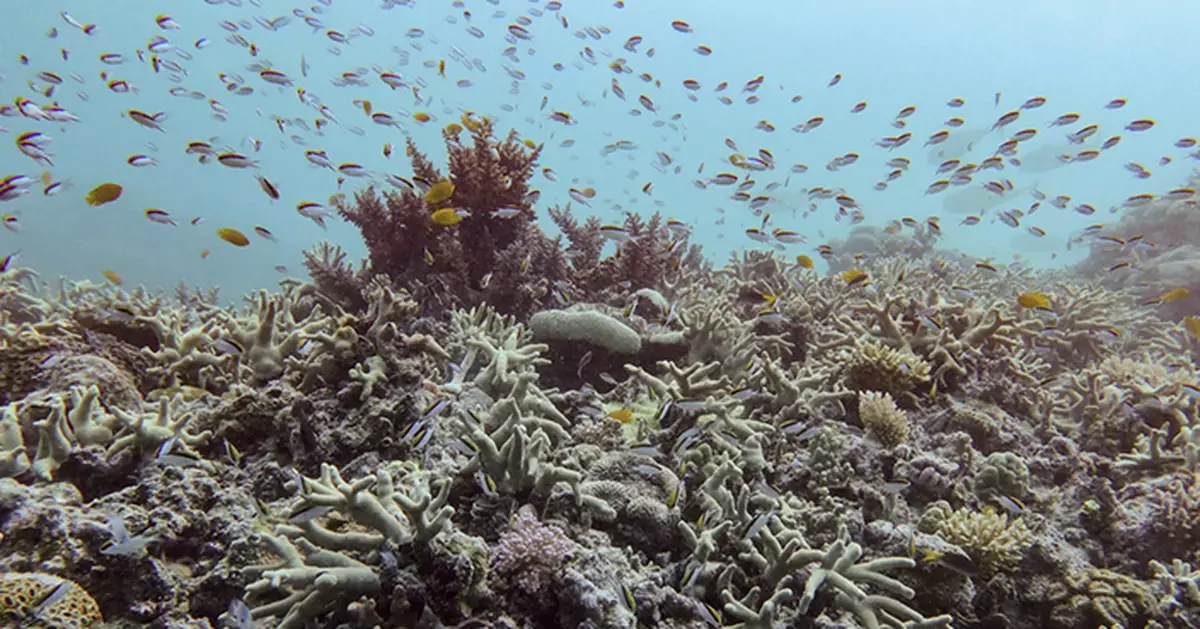
澳洲一海洋研究機構公佈,當地著名景點大堡礁的珊瑚覆蓋率錄得自有紀錄以來的最大下跌。該機構指,雖然當地珊瑚受到熱帶風暴和以珊瑚為食的海星破壞,但最主要的原因還是氣候變化。
Australia's #GreatBarrierReef has suffered the largest decline in coral cover in two of its three regions over the last year, research released by @aims_gov_au on Wednesday showed, following a mass bleaching of its corals that was among worst on record. https://t.co/30pBaXa9Oa
— Nathan Howes TWN (@HowesNathan) August 7, 2025
澳洲南部和北部的珊瑚礁都出現大量白化現象
澳洲海洋科學研究所最新報告指出,澳洲南部和北部的珊瑚礁都出現大量白化現象。他們警告說,這些珊瑚礁可能已接近臨界點,表示如果未來發生災難性事件,珊瑚可能沒有足夠時間恢復。
Australia's Great Barrier Reef has suffered the largest decline in coral cover in two of its three regions over the last year, recent research showed, following a mass bleaching of its corals that was among the worst on record https://t.co/fllsQVku1O pic.twitter.com/5QDVBp9EKK
— Reuters (@Reuters) August 6, 2025
主要原因是氣候變化
該調查自1986年開始進行,最新的報告涵蓋了去年8月至今年5月期間對澳洲124個珊瑚礁的調查。原本長達2300公里的珊瑚礁在近年遭受重複的白化現象,使部分珊瑚變白。他們指出,珊瑚礁近幾個月受到熱帶風暴和海星侵蝕的攻擊,但最主要原因仍是氣候變化。
The Reef just recorded its worst coral loss on record.
— David Pocock (@DavidPocock) August 5, 2025
We're losing a natural wonder due to climate inaction.
🇦🇺 is 2nd biggest fossil fuel exporter & one of ⬆ per capita emitters in the 🌏
We need bold leadership to protect the people & places we lovehttps://t.co/tEk7hzmkHR
白化現象是珊瑚受到水溫上升帶來的壓力而變白
白化現象是珊瑚受到水溫上升帶來的壓力而變白。報道指出,如果海水溫度超過珊瑚可承受的範圍,上升1度時仍可生存2個月,但上升2度後時間將減至約1個月。珊瑚對海洋和地球至關重要,因為全球25%的海洋物種棲息在珊瑚構築物中。報告指出,自去年至今年頭幾個月,極端溫暖的海水導致珊瑚廣泛發生白化。大堡礁雖然被聯合國教科文組織列為文化遺產,但近年來因海水變暖和污染而受到嚴重影響。
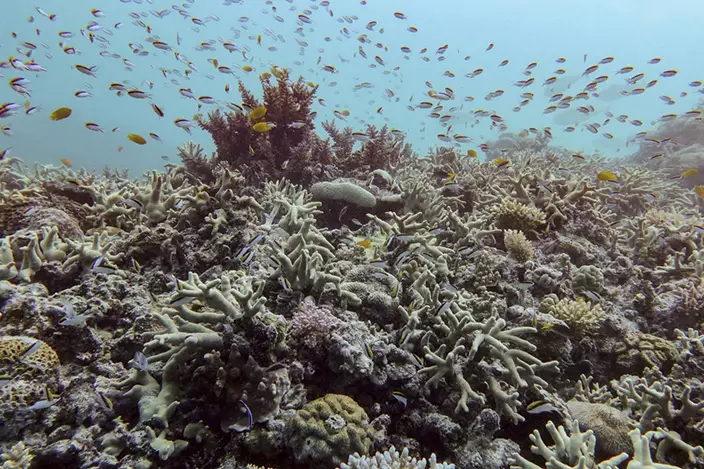
澳洲大堡礁珊瑚覆蓋率創史上最大跌幅。AP資料圖片