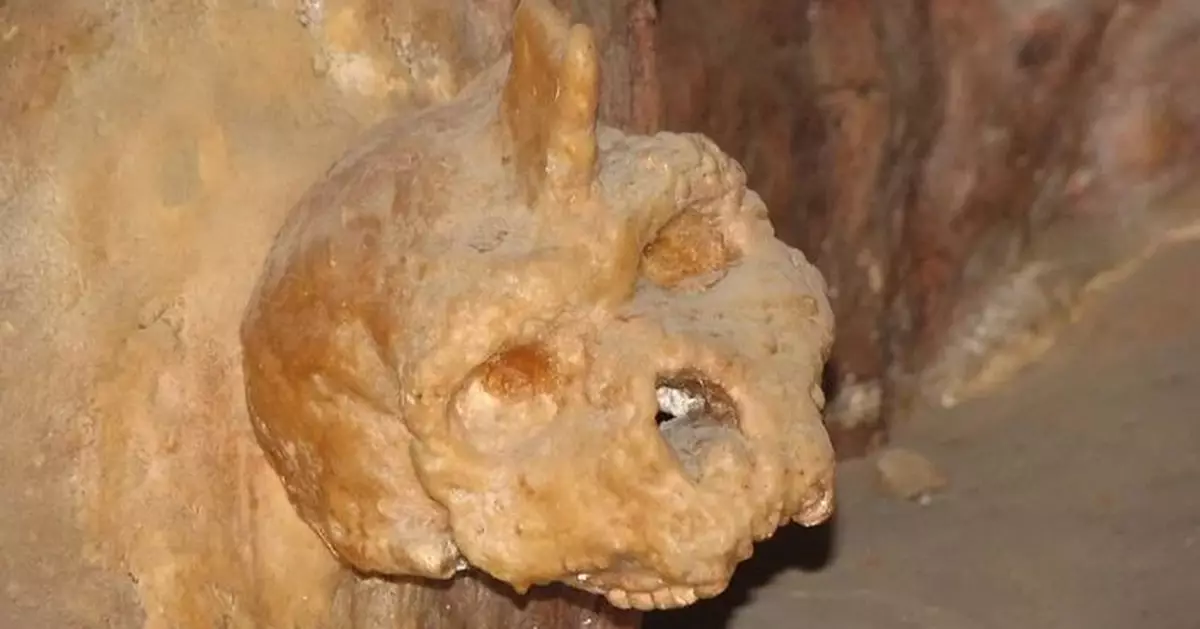
最新發表於《人類演化期刊》(Journal of Human Evolution)的研究指出,一顆1960年在希臘北部佩特拉羅納洞穴(Petralona Cave)發現的神秘頭骨,其年代可追溯至約30萬年前,且既不屬於現代人類(Homo sapiens),也非尼安德塔人(Neanderthal),可能屬於已滅絕的海德堡人(Homo heidelbergensis)揭示人類演化史中或有「第三類人」存在。
Researchers have dated the mysterious skull from Petralona Cave in Greece to 300,000 years ago and concluded that the fossil belonged to an ancient human group that lived alongside Neanderthals. https://t.co/6z4rZzwGHL
— Live Science (@LiveScience) August 22, 2025
神秘頭骨確切年代一直是學術界爭論焦點
據科學網站《Live Science》報導,這顆被稱為「佩特拉羅納頭骨」(Petralona skull)的化石,發現時附著在洞穴牆壁上,甚至有鐘乳石從中長出。數十年來,其在人類演化家族樹上的確切位置與年代一直是學術界爭論的焦點,年代估計範圍從17萬年到70萬年不等。
In 1959, in a cave in northern Greece, a human skull was found embedded in a wall, which was called the Petralon Archanthropus. The skull was determined to be 700,000 years old and is believed to be the oldest of the Caucasoid human remains.
— @AndTartary and antiquity (@andtartary2) April 10, 2024
The surprise came when the DNA of the… pic.twitter.com/wNufkyUK29
科學測年確認生存年代約在30萬年前
倫敦自然史博物館的古人類學家、研究共同作者斯特林格(Chris Stringer)指出,最新研究終於為謎團帶來曙光。研究團隊利用「鈾系定年法」(uranium-series dating),精準測定了從頭骨上突出的方解石(calcite)年代,確認其至少有27萬7千年的歷史。斯特林格分析,由於洞穴中方解石生成速度相當快,頭骨本身被覆蓋的時間差應該不長,因此可以合理推斷,這顆頭骨主人的生存年代約在30萬年前。
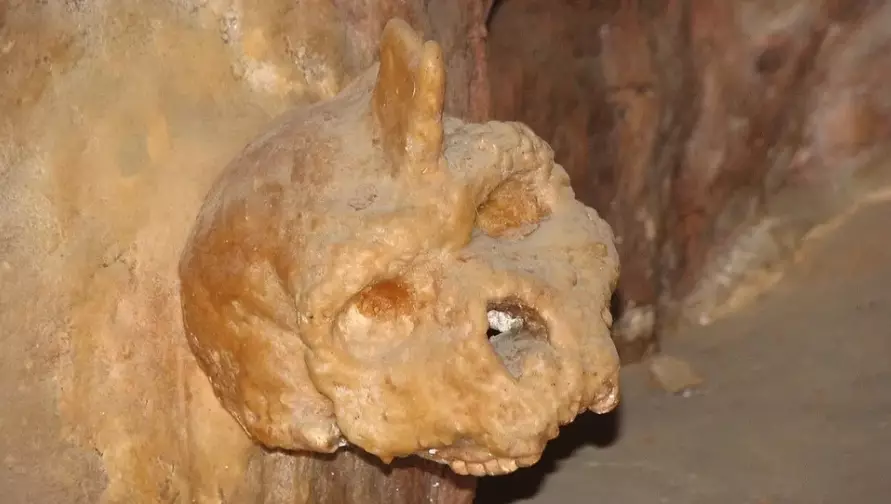
希臘30萬年前神秘頭骨揭或有「第三類人」存在。圖片來源:Nadina, CC BY-SA 3.0
揭示遠古歐亞大陸「多人群並存」景象
斯特林格表示,佩特拉羅納頭骨的形態特徵明顯與現代人類及尼安德塔人不同。新的年代數據支持了一種觀點:在更新世中期的歐洲,除了演化中的尼安德塔人之外,還同時並存著另一支獨特的古老人類族群,科學界廣泛將其稱為海德堡人。
此結論也與非洲贊比亞發現的相似「卡布韋頭骨」(Kabwe skull)遙相呼應,意味著遠古歐亞大陸上可能存在著遠比大家想像更為複雜的「多人群並存」景象。
The discovery of the Petralona skull in Greece challenges the out-of-Africa theory and has the potential to change what we know about human evolution. https://t.co/Wejrop5rNu pic.twitter.com/P1f1cnH9NQ
— Ancient Origins (@ancientorigins) October 1, 2020