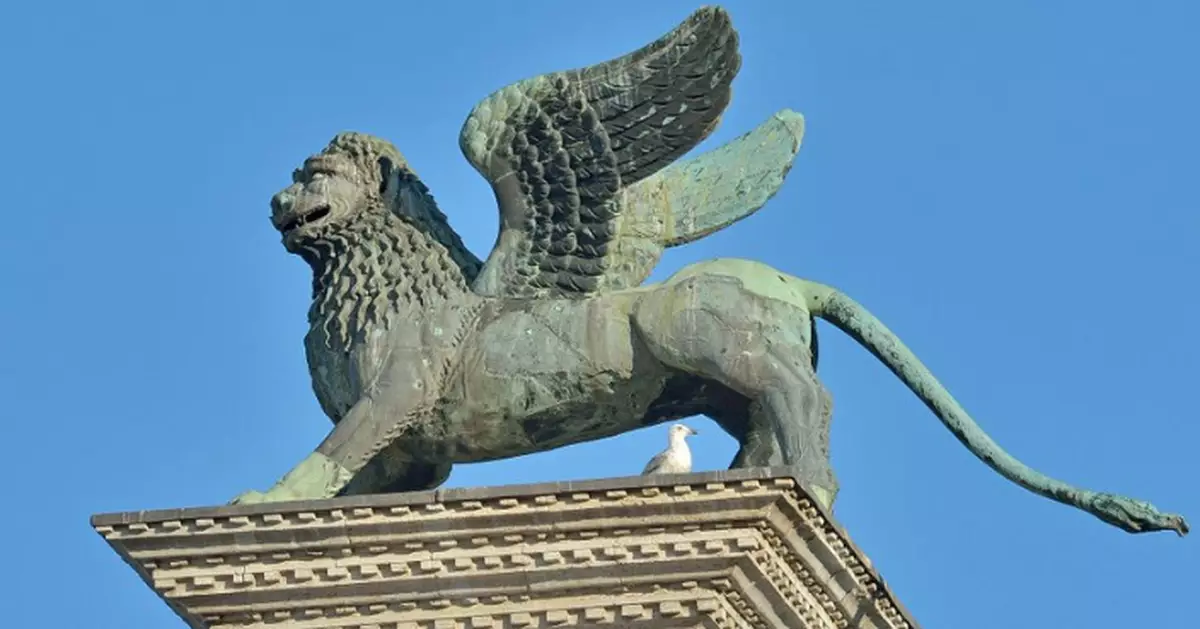
長期被視為威尼斯象徵的「聖馬可飛獅」青銅雕像,其起源之謎近日被最新科學研究顛覆!
NEW Was Venice's iconic Winged Lion statue made in China? New research indicates this symbol of medieval Venetian statehood in fact originated far to the east, possibly sent back along the Silk Road by Niccolò and Maffeo Polo.
— 🅰ntiquity Journal (@AntiquityJ) September 4, 2025
A well-travelled #AntiquityThread 1/14 🧵 pic.twitter.com/LmcFRFUmHV
非歐洲本土創作
權威期刊《Antiquity》最新研究指出,這尊矗立於聖馬可廣場旁、高2.2公尺的翼獅雕像,極可能並非歐洲本土創作,而是源自中國唐代的陵墓守護獸「鎮墓獸」。
銅礦來源與長江流域高度吻合
意大利帕多瓦大學研究團隊透過鉛同位素分析技術,檢測雕像的青銅合金成分,發現其銅礦來源與中國長江流域高度吻合,推翻過去「意大利、敘利亞或小亞細亞製造」的假設。
The Golden Lion is the highest prize given at the #VeniceFilmFestival and is based on the Lion of St. Mark, an iconic symbol of the city.
— 🅰ntiquity Journal (@AntiquityJ) September 6, 2025
However, new research suggests this Venetian 'super symbol' could originate in China.
🆓 https://t.co/8ggukGZrks pic.twitter.com/tzCk7WvCXO
造型特徵指向唐代鎮墓獸
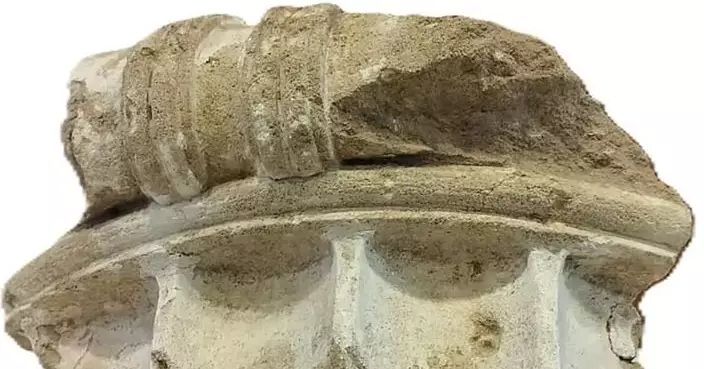
研究進一步指出,雕像口鼻形狀與早年移除角後留下的痕跡,更接近唐代陵墓守護獸的風格,而非地中海中世紀藝術典型。學者推測,這尊雕像極可能是馬可波羅的父親與叔父於1264–1268年間造訪蒙古宮廷時獲贈並帶回威尼斯,其後經過改造——移除角部、添加基督教元素,從而轉化為聖馬可的象徵。
Latest research shows that the "Lion of Venice" at St. Mark's Square in Venice, Italy, is likely from China, or at least "partly from China". This statue may not be a lion at all; instead, it bears a closer resemblance to a "tomb guardian" from China's Tang Dynasty. pic.twitter.com/faOopgLB82
— Nanchang China🇨🇳 (@Nanchang_China) September 5, 2025
見證中世紀跨文明交流
儘管雕像如何從中國運至威尼斯仍缺乏確切文獻記載,但此發現不僅重塑了藝術品的遷徙史,更凸顯出中世紀歐亞大陸之間深遠且複雜的文化互動。
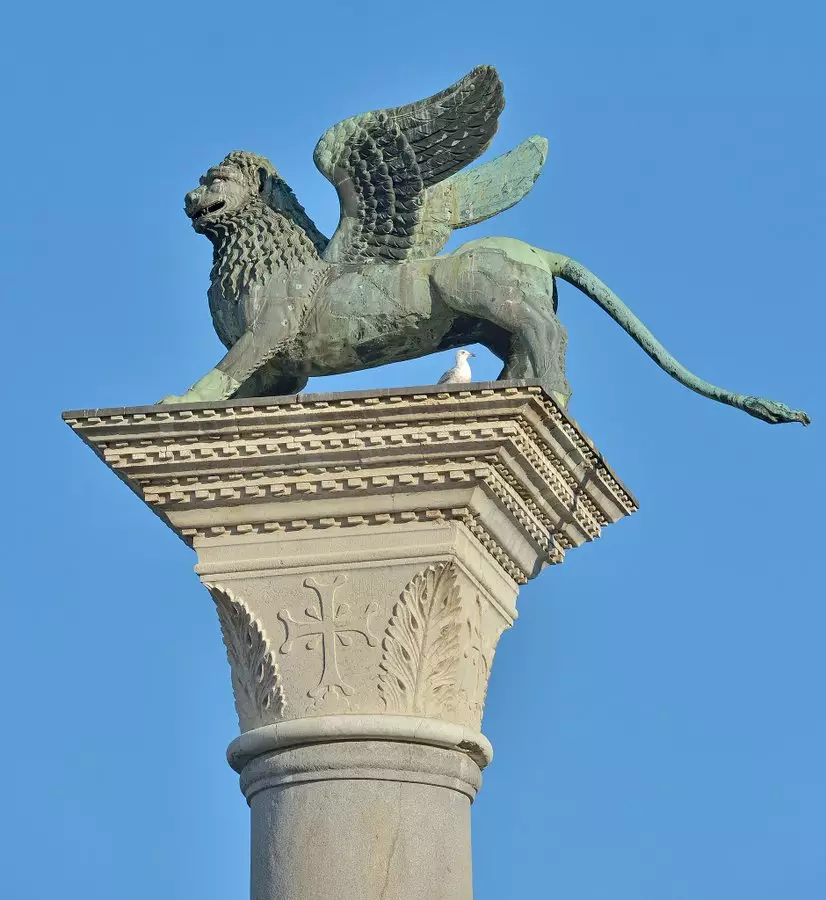
長期被視為威尼斯象徵的「聖馬可飛獅」青銅雕像,其起源之謎近日被最新科學研究顛覆。資料圖片