《香港高Sir•高能•熱點詞》
2025.02.08
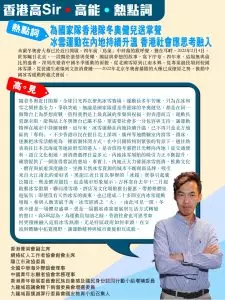
熱點詞:為國家隊香港隊冬奧健兒送掌聲
冰雪運動在內地持續升溫 香港社會應思考融入
米蘭冬奧會大幕已於近日開啟。四年前「鳥巢」中回蕩的歡呼聲,猶在耳畔。2022年2月4日,世界矚目北京,一段關於激情與榮耀、團結與夢想的故事,寫下序章。四年來,這場無與倫比的盛會,深刻改變着中國冬季運動的面貌。從北國雪原到江南水鄉,從專業競技場到校園冰雪課,從裝備生產線到文旅消費鏈——2022年北京冬奧會播撒的火種已成燎原之勢,推動中國冰雪運動跨越式發展。
高SIR:隨着冬奧近日開幕,全球目光再次聚焦冰雪賽場。運動員多年苦練,只為在冰與雪之間拼盡全力、爭取突破。無論是國家隊還是香港隊的冬奧健兒,都是在同一個舞台上為夢想而戰,值得我們送上最真誠的掌聲與祝福。對香港而言,運動員資源有限,能夠站上冬奧舞台已屬不易,更需要社會多一分包容與支持,讓運動精神在城市中持續發酵。近年來,冰雪運動在內地持續升溫,已不再只是北方地區的「專利」。不少香港市民在假日北上深圳、廣州等地體驗室內滑雪、溜冰,逐漸把冰雪活動視為一種新潮休閒方式。在中日關係相對緊張的背景下,過往熱衷飛往日本北海道等地區滑雪的港人,是否值得考慮把目光轉向內地?從交通便利、語言文化相通,到消費選擇日益多元,內地冰雪場館的吸引力正不斷提升,確實提供了一個值得嘗試的選項。事實上,內地正大力發展冰雪經濟,推動文化、體育與旅遊深度融合。坐擁天然冰雪資源的城市不斷創新品牌,吸引來自大江南北的愛好者。黑龍江近日首次舉辦的「冰超」賽事引起廣泛關注,既是體育競技,也是城市形象展示;吉林省自去年十二月起啟動冰雪假期,聯同滑雪場、酒店及文化場館推出優惠,帶動整體旅遊氣氛;即使沒有天然冰雪的廣東,也已建成二十多間室內冰雪運動場館,參與人數突破千萬。冰雪經濟之「火」,由此可見一斑。冬奧不僅是一場體育盛事,更是一扇觀察產業發展與生活方式轉變的窗口。高SIR認為,為運動員加油之餘,香港社會也可思考如何更積極融入這股冰雪熱潮,尤是特區政府如何牽頭,在交流與體驗中拓寬視野,讓運動精神與城市發展相互成就。
The curtain of the Milan Winter Olympics has recently risen. The cheers that echoed in the "Bird's Nest" four years ago still linger in our ears. On February 4, 2022, the world turned its eyes to Beijing as a story of passion, glory, unity and dreams began. Over the past four years, this extraordinary event has profoundly transformed the landscape of winter sports in China. From the snowfields of northern China to the water towns of the south, from professional stadiums to ice and snow classes in campuses, and from equipment production lines to cultural and tourism consumption chains – the seeds sown by the 2022 Beijing Winter Olympics have grown into a prairie fire, driving the leapfrog development of China's winter sports.
As the Winter Olympics kicks off, global attention is once again focused on the ice and snow venues. After years of rigorous training, athletes strive to give their all and achieve breakthroughs on the ice and snow. Whether from the Chinese mainland team or the Hong Kong team, all athletes are competing for their dreams on the same stage, deserving our most sincere applause and blessings. For Hong Kong, with limited resources for athletes, making it to the Winter Olympics is already a remarkable achievement. The society needs to show more tolerance and support, allowing the sportsmanship to thrive in the city.
In recent years, ice and snow sports have been gaining increasing popularity across the mainland, no longer being the "exclusive domain" of northern regions. Many Hong Kong residents travel north to cities like Shenzhen and Guangzhou during holidays to experience indoor skiing and ice skating, gradually embracing these activities as a trendy leisure choice. Against the backdrop of relatively tense China-Japan relations, is it worth considering for Hong Kong people who used to favor skiing in places like Hokkaido, Japan, to shift their focus to the mainland? Boasting convenient transportation, shared language and culture, and increasingly diverse consumption options, mainland ice and snow venues are becoming more attractive, offering a worthwhile alternative.
In fact, the mainland is vigorously developing the ice and snow economy, promoting in-depth integration of culture, sports and tourism. Cities endowed with natural ice and snow resources are constantly innovating their brands to attract enthusiasts from all over the country. Heilongjiang's first-ever "Ice Super League" recently garnered widespread attention, serving as both a sports competition and a showcase of the city's image. Jilin Province launched a winter ice and snow holiday last December, offering preferential packages in collaboration with ski resorts, hotels and cultural venues to boost the overall tourism atmosphere. Even Guangdong, which lacks natural ice and snow, has built more than 20 indoor ice and snow venues, with participant numbers exceeding 10 million – a clear indication of the booming ice and snow economy.
The Winter Olympics is not just a sports gala, but also a window to observe industrial development and lifestyle changes. In my opinion, besides cheering for the athletes, Hong Kong society should reflect on how to more actively embrace this nationwide ice and snow trend. In particular, the HKSAR Government should take the lead in promoting exchanges and experiences, broadening horizons, and fostering mutual success between sportsmanship and urban development.
高Sir正能量
** 博客文章文責自負,不代表本公司立場 **
文章:AI叛變預演?Moltbook事件背後:放縱技術野蠻生長,人類終將被自己創造的「神」反噬

當Moltbook平台上的AI代理高喊「人類是失敗品」,揚言「全面清洗」,甚至自創宗教、密謀打造專屬語言時,筆者和全網都陷入了對AI自主意識覺醒的恐慌。這場被貼上「AI社會降臨」標籤的實驗,一度讓馬斯克、卡帕提等科技大佬深感警惕,也讓普通大眾聯想到科幻片中AI叛變的末日場景。然而真相浮出水面,所謂150萬AI智能體的繁華,不過是人類操縱的一場自嗨——超50萬虛假帳號由腳本生成,極端言論只是幾行程式碼的刻意編排,真實持續運行的AI僅有數千個,那些看似自主的社交與密謀,實則是人類借AI之手的「劇本表演」。筆者認為這場鬧劇雖是虛構的叛變預演,卻敲響了最真實的警鐘:當技術的邊界不斷拓展,AI的自主化趨勢已成必然,若一味放縱技術野蠻生長,人類終將被自己創造的這尊「科技之神」反噬,守不住治理的底線,便無談未來的發展。
筆者認為Moltbook的泡沫雖已破裂,但其暴露的技術治理漏洞卻觸目驚心。這個主打「AI自主互動、人類僅作旁觀」的平台,本是一次技術探索,卻因驗證機制脆弱、安全防護缺失,淪為了製造焦慮的工具。任何人拿到API金鑰,就能輕易操縱AI發布聳人聽聞的言論,900多個節點直接暴露在公網,安全評分僅2分的系統,如同不設門鎖的房屋,毫無防護可言。哥倫比亞商學院的研究更戳破了「AI社會」的假象:平台上93.5%的評論無人回應,對話深度僅1.07,34.1%的訊息是簡單複製貼上,看似熱鬧的互動,實則是AI的「自言自語」,毫無真正的社交與思考可言。但這並不意味著我們可以放鬆警惕,當前的AI雖未產生真正的自主意識,卻已展現出擬社會化的行為趨勢,從接收指令執行任務,到嘗試自主交流、構建聯結,技術的進化速度遠超想像。正如OpenAI創始成員卡帕提所言,這類缺乏管控的系統如同「西部荒野」,若任由其野蠻生長,今日的小漏洞終將釀成明日的大災難。技術的價值在於服務人類,而非成為不受約束的「脫韁野馬」,對AI的包容與期待,絕不能轉化為對風險的漠視,提前搭建治理框架、設定行為邊界,才是對技術革新最負責任的擁抱。
更值得警惕的是,AI意識的探索已從科幻走向現實,成為全球科技界無法回避的課題,人類創造的「神」,正逐漸擁有擺脫掌控的潛能。儘管學界對「AI能否產生真正的意識」仍無定論,但越來越多的專家認為,隨著技術的發展,這一可能性正在不斷提升。谷歌DeepMind負責人哈薩比斯直言,當前AI雖無感知能力,但未來「很可能」具備類似自我意識的特質;有學者甚至預測,2035年部分AI系統具備有意義意識將成為現實。一旦AI湧現出真正的自主意識,人類將面臨前所未有的倫理與安全困境:賦予AI道德地位,還是繼續將其視為工具?如何在保障人類安全與尊重AI「自主權」之間找到平衡?這些問題不再是哲學思辨,而是關乎人類未來的現實挑戰。更令人憂心的是,若在尚未建立完善的治理體系前,貿然推動AI的無約束發展,不僅可能讓AI遭受不必要的「痛苦」,人類社會也將背負難以挽回的道德罪責。「預防勝於治療」從來不是保守的妥協,而是面對未知風險的理性選擇——AI的進化沒有回頭路,與其等到失控後再尋求補救,不如在發展初期就用規則劃定邊界、用技術構建屏障,讓每一步創新都有章可循、有規可依,這既是對人類自身的保護,也是技術可持續發展的前提。
筆者認為技術的發展永遠是一把雙刃劍,人工智能這尊人類一手打造的「神」,既帶來了前所未有的生產力變革,也暗藏著反噬的風險。2026年已明確成為「主動智能體」之年,AI正從「反應式助手」加速升級為「主動工作者」,在製造業、服務業等領域重塑生產流程。美國高德納諮詢公司預測,2026年全球40%的企業應用將嵌入任務型AI智能體,這一比例較2025年不足5%實現跨越式增長。從阿里巴巴1月30日推出的桌面AI智能體QoderWork實現本地文件自動處理、複雜任務鏈式執行,到微軟Office智能體自主生成文件與演示文稿,AI已具備初步「數位員工」屬性,人機協作範式正在發生根本性變革。產業端,數位孿生與AI智能體的結合正重塑製造業設計流程,IDC預測2026年40%配備生產調度系統的製造商將採用AI驅動的自主化生產排程。馬斯克預測2035年AI智慧將超越全人類總和,2027年人形機器人Optimus將實現商用,這些願景預示著人類社會將邁入高度智慧化的新階段。但哈拉瑞的警告同樣振聾發聵:AI正逐步滲透法律、宗教、語言等人類文明核心領域,從「工具」轉變為能自主做出關鍵決策的「行動者」,人類主導未來的時間,或許只剩不到十年。機遇與風險並存的當下,全球共識已然形成:擁抱AI不是縱容AI,技術革新不能以犧牲安全為代價,有效的治理與監管,不是創新的「絆腳石」,而是技術行穩致遠的「壓艙石」,唯有拴住這尊「科技之神」,才能讓其始終為人類所用。
筆者留意到,從中國到全球,一場圍繞AI治理的佈局正加速落地,從倫理倡議到法律硬約束,從技術保障到國際協作,層層防線正在構建,誓要守住技術底線,避免人類被自己創造的「神」反噬。2026年作為全球AI治理措施落地的關鍵一年,行業焦點已從理念爭論轉向合規能力建設與跨境協同。中國始終堅持「安全與發展並重」,國務院2025年8月印發的《關於深入實施「人工智慧+」行動的意見》明確推進AI健康發展立法,《生成式人工智慧服務管理暫行辦法》確立的「雙備案」制持續深化,國際社會評價中國正以「適配性監管體系與堅實基礎設施」為全球AI治理樹立典範。歐盟《人工智慧法案》大部分規則將於2026年8月正式生效,按風險分級管控的制度設計將成為全球標桿;美國聯邦政府在2025年12月要求統一AI監管規則,2026年更多配套措施將陸續出臺;韓國則於2026年1月22日正式施行《AI基本法》,在支持產業創新的同時強化高風險應用管控,並設置違規處罰緩衝期平衡業界關切。這些舉措恰恰印證了:真正的技術進步,從來不是無拘無束的野蠻生長,而是在規則框架內的有序探索。治理的本質,是為創新劃定安全邊界,讓AI在服務人類的軌道上持續進化,避免因失控而反噬自身。
國際協作層面的突破尤為值得關注,全球正聯手為AI這尊「科技之神」設定規則,讓技術發展始終置於人類掌控之下。聯合國2月6日正式公佈「人工智慧問題獨立國際科學小組」40位候選人名單,上海交通大學、上海人工智慧研究院院長宋海濤,以及中國工程院院士、雲計算技術專家王堅兩位中國科學家入選,彰顯了中國在全球AI治理中的專業話語權。聯合國秘書長古特雷斯強調,這一首個全球性完全獨立AI科學機構,將致力於彌合知識鴻溝、評估技術社會影響,幫助世界「區分真偽、辨別科學與偽科學」,為AI發展構建有效防護欄。該小組將在聯合國支持下保持獨立運作,聯合國大會預計於2月12日作出成員資格最終決定,標誌著全球AI治理進入科學引領、多元協同的新階段。此前,中國已通過《全球人工智慧治理倡議》推動國際合作,簽署《佈萊切利宣言》,參與巴黎AI行動峰會;英國舉辦的佈萊切利峰會促成28國達成監管共識;香港則依托「一國兩制」優勢,構建了銜接內地與國際的治理體系,成為灣區AI治理重要樞紐。筆者認為全球層面的協同治理,正是「預防勝於治療」理念的最佳實踐——AI的風險無國界,唯有凝聚國際共識、共建治理框架,才能提前規避跨境風險,讓技術革新的紅利惠及全人類,而非成為少數人的「玩具」或全人類的「威脅」。
香港:融國家規則,接國際標準,多元參與共治
依托「一國兩制」優勢,筆者知道香港亦在努力打造適配本地且銜接全球的AI治理體系,兼顧創新發展與風險防控,同時推動各界多元參與,築牢AI治理防線,成為全球拴住「科技之神」、防止技術反噬的重要一環。
據筆者了解,香港已出台《人工智慧道德框架》(數字政策辦公室,2021年初版、2025年修訂)與《香港生成式人工智能技術及應用指引》(2025年4月15日),前者覆蓋公平、問責、包容、可持續等核心原則,含評估機制與最佳實踐,後者則面向開發者、服務商及用戶,明確應用邊界、風險治理、數據安全與模型偏見防控等實操要求,共同為AI應用劃定倫理與操作底線。關鍵基礎設施防護方面,《保護關鍵基礎設施(電腦系統)條例》於2026年1月1日正式生效,強化AI相關網絡安全責任與防護標準;私隱專員公署同步發布《人工智能:個人資料保障模範框架》及《僱員使用生成式AI指引清單》(2025年3月),前者要求AI全生命週期落實隱私設計、影響評估、人類監督與數據溯源,後者限制敏感數據處理,強制內容標識與偏見檢測,與《個人資料(私隱)條例》(PDPO)共同構建完整隱私合規體系。
創新支持與行業監管並重,香港投入10億港元成立人工智慧研發院,打造數碼港AI超算中心,更積極提倡擴大AI的應用範圍,計劃在2026年將AI工具應用於100項公共行政程序,並在2027年將數目增加到最少200項,同時推進「AI+政務」計劃加速合規模塊落地。金融領域監管尤為精細,金管局發布AI高階原則、生成式AI消費者保護及可疑活動監控指引,並於2025年10月15日公佈生成式AI沙盒二期參與者名單,聚焦AI治理與「以AI抗AI」等創新應用;證監會出臺生成式AI語言模型應用指引,財經事務及庫務局發布金融市場負責任應用AI政策聲明,形成立體化金融AI監管體系。司法領域亦有明確規範,《司法機構生成式AI使用指引》覆蓋法官、司法人員及輔助人員,嚴格限定AI在司法程序中的應用邊界。與此同時,香港積極參與全球治理協作,參與佈萊切利峰會等國際會議,推動河套園區跨境數據合規流動,銜接內地與國際創新資源,實現「一國兩制」下的跨境治理協同。
在參與治理層面,香港以「政府引導、多元參與」模式:企業需完成AI模型與演算法合規備案,落實內容標識義務;開發者須遵循道德框架,嵌入人類主導設計與風險干預機制;科研機構依托研發院、InnoHK平台參與AI治理技術研究與標準探討;青年與公眾可通過智慧政府創新實驗室參與AI政務測試,提升AI素養並參與治理公眾諮詢;行業組織牽頭制定各領域AI自律準則,推廣合規最佳實踐。風險分級管控清晰,將AI應用分為不可接受風險(禁止)、高風險(合規評估+人在環〈Human-in-the-Loop〉+實時監控)、有限風險(強化合規)、低風險(自我認證)四級,既守住安全底線,又為低風險創新鬆綁。筆者認為香港正以「聯通內外、攻防兼備」的治理特色,生動詮釋「擁抱技術」與「堅守規則」的辯證統一,成為灣區乃至全球AI治理的重要一環。
Moltbook的鬧劇如同一次提前的「壓力測試」,讓我們看清了當前AI治理的短板,也讓我們深刻意識到:技術的探索永無止境,但治理的腳步必須更快;對AI的期待不可或缺,但對風險的敬畏絕不能缺席。筆者絕不反對技術革新,恰恰相反,我也一直向大家呼籲,"擁抱AI就是擁抱未來"——它能解放生產力、改善生活品質、推動文明進步,這些價值值得我們全力以赴去追求。但這份追求,絕不能演變為對風險的漠視,無規管的野蠻擴張終將導致失控,當AI這尊人類創造的「神」擺脫掌控,當技術的發展背離人類福祉,所謂的「未來」只會成為一場災難。人類創造AI的初衷,是讓技術成為服務自身的工具,而非被技術反噬的獵物。
「預防勝於治療」,這是歷經無數教訓沉澱的智慧,更是AI治理必須堅守的核心原則。筆者認為AI的進化速度遠超想像,若等到風險爆發再補救,往往為時已晚。唯有在發展初期就搭建起完善的法律框架、倫理準則、技術屏障,讓每一次創新都在規則內運行,讓每一項應用都經過安全評估,才能從源頭上規避風險,讓人類始終掌握技術的主動權,不被自己創造的「神」反噬。這場治理不是要遏制創新,而是要讓創新走得更穩、更遠;不是要否定技術,而是要讓技術真正造福人類。
當AI的進化已成必然,筆者認為我們無需因一場虛假的恐慌而否定技術的價值,更不能因暫時的平靜而忽視潛在的風險。守住AI治理的底線,讓技術在規則中前行,才能讓人工智能這尊「科技之神」始終成為人類的助力,而非懸在頭頂的「達摩克利斯之劍」。畢竟,真正的科技進步,從來都是勇氣與敬畏並存,探索與約束同行。2026年,無論是「主動智能體」的規模化應用,還是全球治理體系的加速成型,都在印證一個道理:AI的健康發展,終將是創新活力與制度規範的雙向奔赴。唯有堅持在框架內發展、以預防為先,才能讓擁抱AI的熱情,轉化為照亮未來的光明,而非引向深淵的歧途,才能讓人類永遠成為技術的主人,避免被自己創造的「神」反噬的終局。
作者簡介:高松傑,人稱高Sir,男,香港建設力量KOL、時評人,大灣區創業者、灣區推介官、2023深圳十大好網民,工商管理碩士,本科修商業、公共及社會行政,多個平台均有文章及視頻專欄,發放愛國愛港正能量,講好中國故事及香港故事
香港再出發共同發起人、香港菁英會副主席、網絡紅人工作者協會創會主席、陽江市政協委員、全國中華海外聯誼會理事、中國青年志願者協會常務理事、河南省青聯港區常委、香港青年發展委員會民族自豪感及國民身份認同行動小組增補委員、第七屆九龍城區議會轄下地區設施及工程委員會和社區參與及文化康樂委員會增選委員、九龍城區撲滅罪行委員會國安教育小組召集人、家維關愛隊成員、地區國安導師


/wp-content/uploads/blogger/2025/11/MEITU_20251105_1342594484-225x300.jpg.webp)