科學家在加拿大伯吉斯頁岩 (Burgess Shale),發現1種5.06億年前、名為摩蘇拉·芬頓尼 (Mosura fentoni) 的奇特海洋掠食者。
Introducing Mosura fentoni, a new radiodont from the #BurgessShale.
— Dr. Joe Moysiuk (@CambroJoe) May 13, 2025
Paper here: https://t.co/oYPtssms8R
This #fossil species has 3 eyes, spiny claws, wing-shaped swimming flaps, and a unique abdomen-like body region. pic.twitter.com/SnVmA4nsRv
兩間博物館共同研究
《Sci.News》報道,研究由曼尼托巴博物館 (Manitoba Museum) 和皇家安大略博物館 (Royal Ontario Museum, ROM) 學者進行,成果發表於《皇家學會開放科學》(Royal Society Open Science)。
Mosura fentoni, a new Burgess Shale radiodont named after the kaiju Mothra. This hurdiid had a specialized abdominal region of the trunk dedicated mostly to respiration, rather than swimming. pic.twitter.com/Qm5Wej0UEe
— Prehistorica (Christian M.) (@Prehistorica_CM) May 14, 2025
有3隻眼睛多刺爪子
摩蘇拉·芬頓尼大約只有食指那麼大,有3隻眼睛、多刺的爪子、長滿牙齒的圓形嘴巴以及身體兩側帶有游泳瓣的皮膚。這些特徵表明牠屬於奇蝦類 (Radiodonta),屬最早分化的節肢動物群,其中還包括著名的加拿大奇蝦 (Anomalocaris canadensis),這是一種1米長的捕食者,與芬氏奇蝦共享水域。
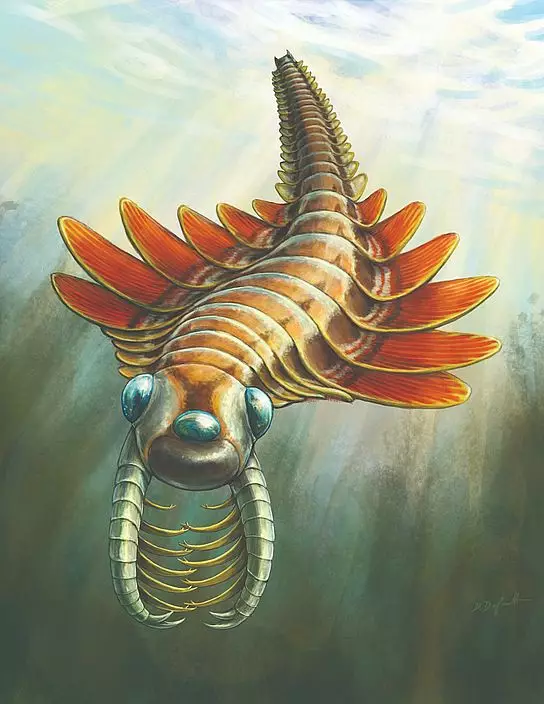
X平台圖片@CambroJoe
16節尾狀體每節均佈滿鰓
然而,新物種也具有其他奇蝦所沒有的特徵:其後端有一個由多個節段組成的類似腹部的身體區域。曼尼托巴博物館古生物學和地質學館長、皇家安大略博物館研究員莫伊蘇克 (Joe Moysiuk) 博士說:「莫蘇拉·芬頓尼的身體後端有16個緊密排列的節段,節段上排列著鰓」。
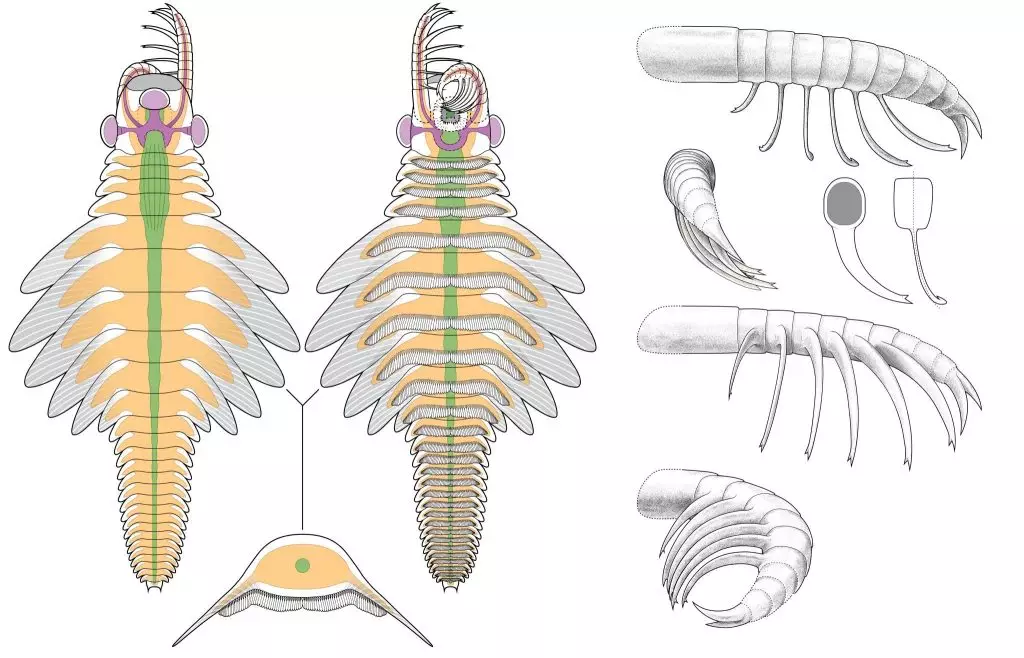
X平台圖片@CambroJoe
是趨同演化絕佳例子
牠的構造與現生昆蟲、潮蟲和鱟等將呼吸結構置於後段相似。莫伊修克稱此為「趨同演化的絕佳例子」。原因不明,或與棲息偏好需更高效呼吸有關。
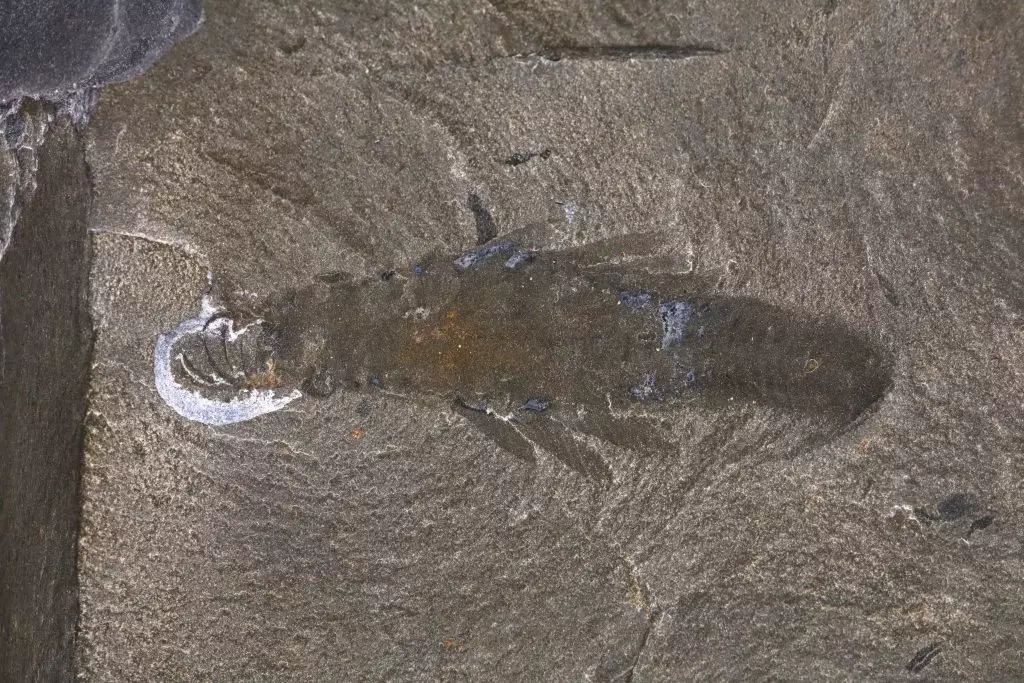
X平台圖片@CambroJoe
具開放式循環系統
他指出這種生物有開放式循環系統,心臟泵血入血腔 (lacunae)。部分化石甚至保存內部解剖,含神經、循環、消化系統痕跡。全球極少化石點能提供此等級軟組織洞見,細節令人驚嘆。
Wednesday 14 May 2025: The World Clock — Worldwide https://t.co/JkGHBGMFZQ
— Pierre F. Lherisson (@P_F_Lherisson_) May 14, 2025
Source: https://t.co/G4GgGKTz41
Biology
506-Million-Year-Old ‘Mothra’ Fossil Shows the Weirdness of Early Life
A newly described species from the Burgess Shale had three eyes, clawed limbs, and a tail… pic.twitter.com/lhdeAsfllU